Vakhmistrov Unknown Composite Aircraft Projects

hesham

ACCESS: USAP
Senior Member
Joined
26 May 2006
Messages
38,288
Reaction score
20,427
Hi,


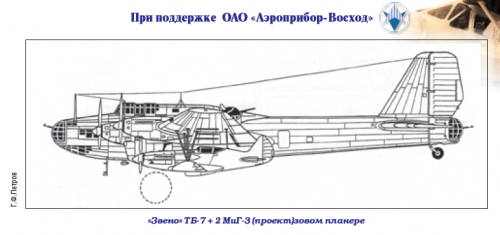
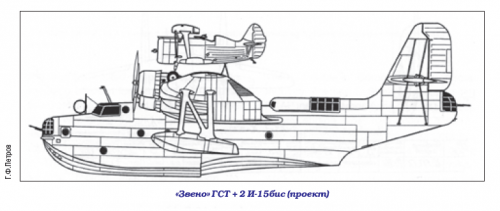
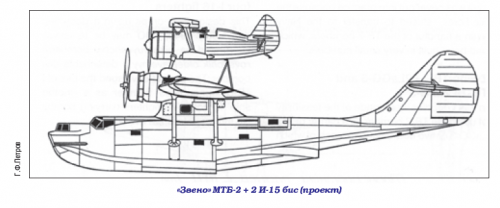
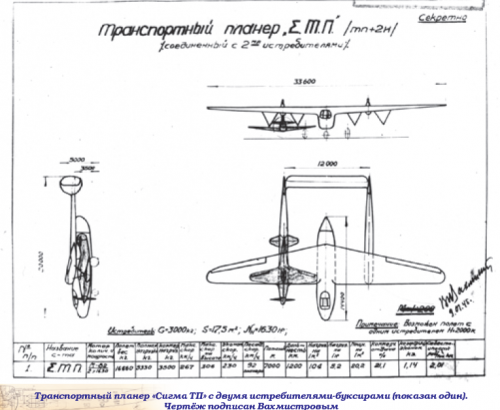
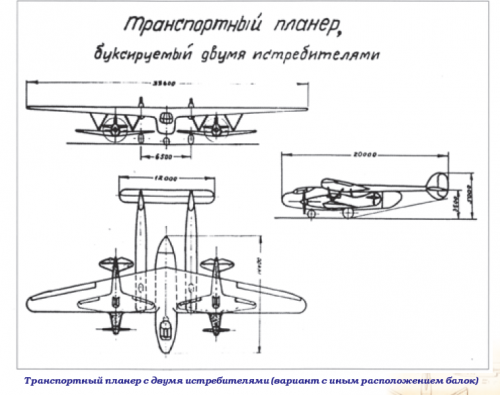
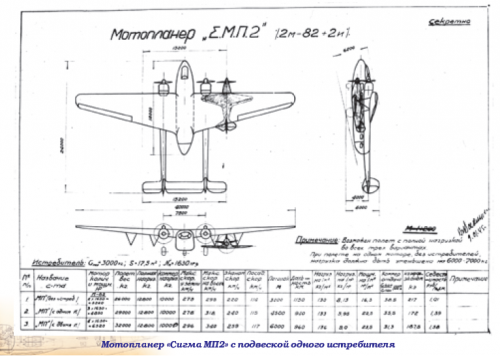
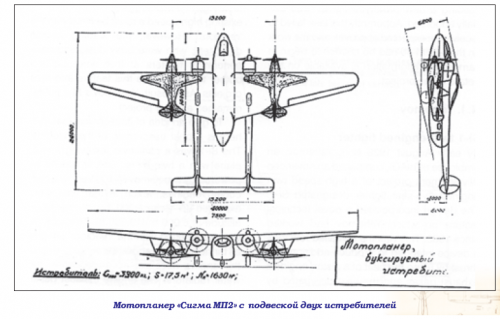
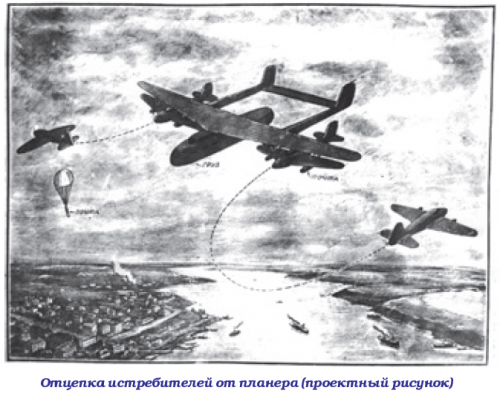
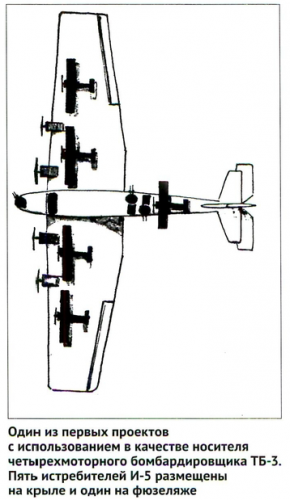
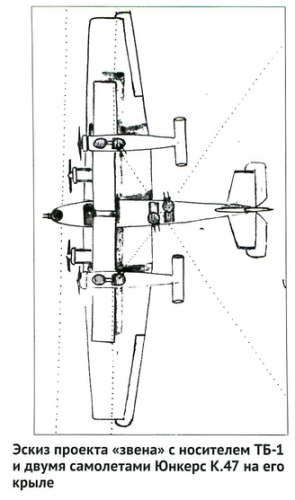
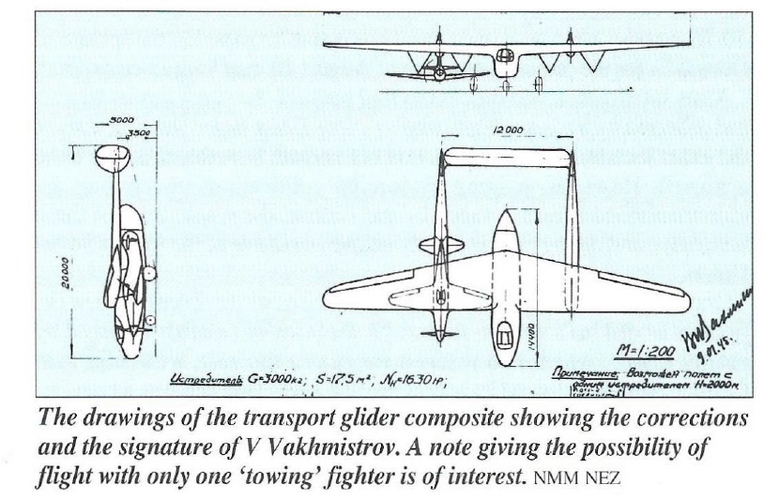
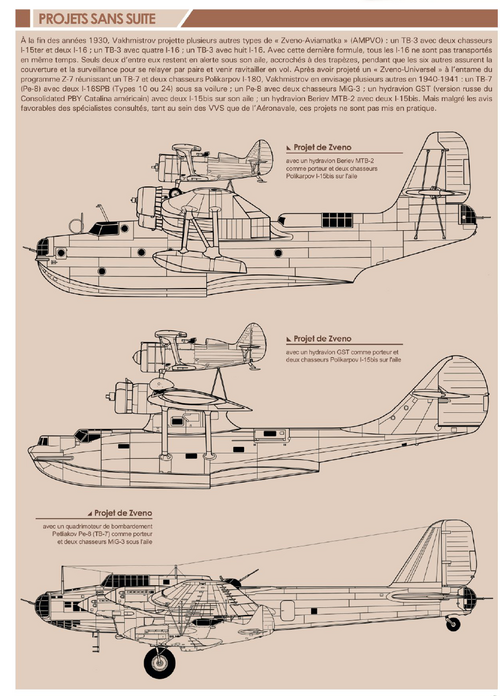
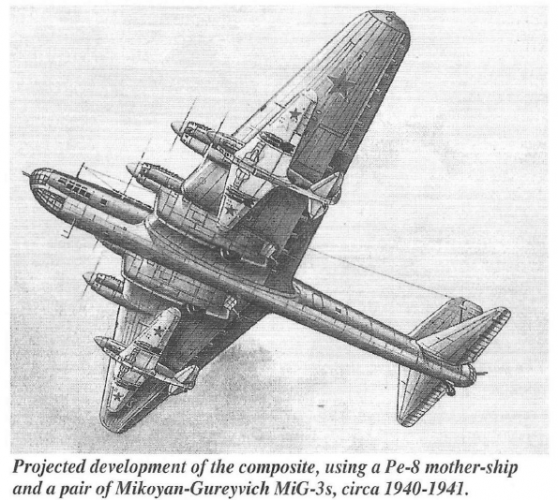
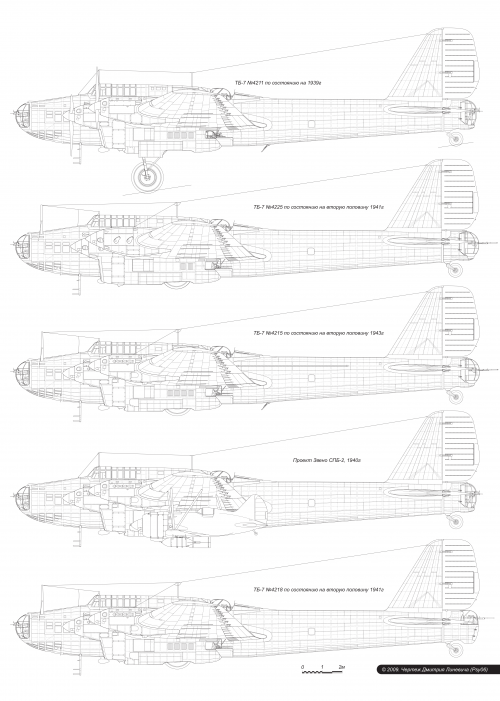
here is an unknown composite aircraft projects,for the Russian designer V.S. Vakhmistrov,first three was TB-7 with MiG-3,GST with I-15bis and MTB with I-15bis,also he created a twin boom aircraft,used a composite aircraft,two of them was a gliders.


Kryl'ya Rodine 7/2014
 

Attachments

  • 1.png
    1.png
    147.3 KB · Views: 776
  • 2.png
    2.png
    136.7 KB · Views: 683
  • 3.png
    3.png
    133.3 KB · Views: 644
  • 4.png
    4.png
    224.9 KB · Views: 621
  • 5.png
    5.png
    143.3 KB · Views: 579
  • 6.png
    6.png
    192.7 KB · Views: 240
  • 7.png
    7.png
    209.3 KB · Views: 254
  • 8.png
    8.png
    322.9 KB · Views: 271
Last edited:
I don't know what was it ?.

Авиация и космонавтика 2017-04
 

Attachments

  • 1.png
    1.png
    290.7 KB · Views: 237
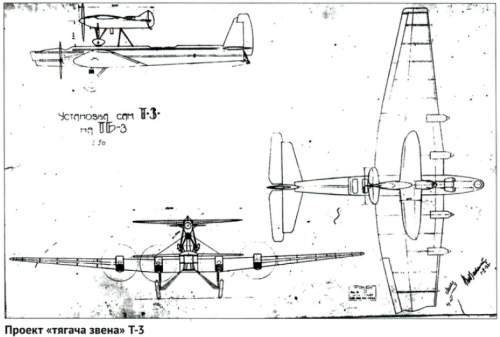
The project of Vakhmistrov (02.1933) "T-Z" / "Tyagach-Zvena"
The aircraft is equipped with a powerful forcible engine (probably the prototype of the future AM-34FRN) intended solely for power amplification / lifting of an overloaded bomber or transport aircraft.
Hence the high disproportionate landing gear required that would use a propeller of large diameter need to increase removing all power from the engine, the fuel supply to the plane was minimal, necessary only for takeoff and landing after uncoupling from the aircraft carrier.
 
Many thanks to you my dear Borovik,

and I think the fighter which carried by it was a hypothetical design,right ?.
 
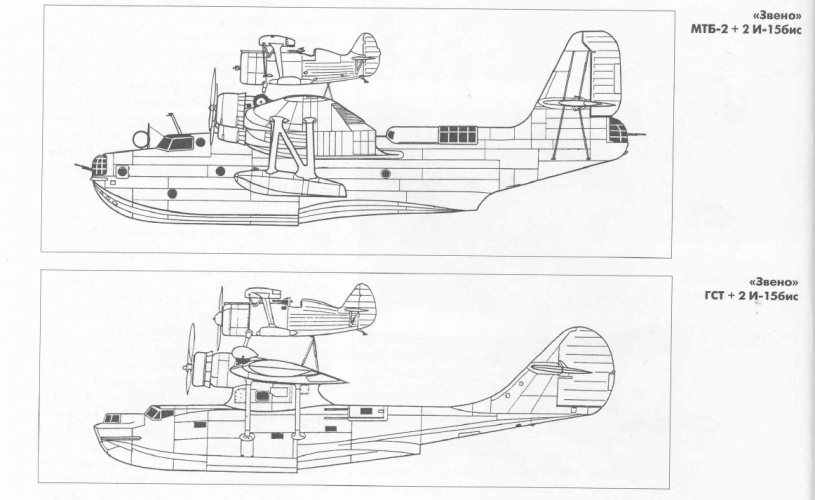
The images 2 and 3 seem to be mislabeled. "ГСТ" (GST) was the Soviet designation of license-built PBY-1, which appear on the other image labeled as "МТБ-2" (MTB-2 a.k.a Tupolev ANT-44).
Basically, the caption should be switched between the two images.
 
WhyMe said:
The images 2 and 3 seem to be mislabeled. "ГСТ" (GST) was the Soviet designation of license-built PBY-1, which appear on the other image labeled as "МТБ-2" (MTB-2 a.k.a Tupolev ANT-44).
Basically, the caption should be switched between the two images.

I think that's right.
 
borovik said:
The project of Vakhmistrov (02.1933) "T-Z" / "Tyagach-Zvena"
The aircraft is equipped with a powerful forcible engine (probably the prototype of the future AM-34FRN) intended solely for power amplification / lifting of an overloaded bomber or transport aircraft.
Hence the high disproportionate landing gear required that would use a propeller of large diameter need to increase removing all power from the engine, the fuel supply to the plane was minimal, necessary only for takeoff and landing after uncoupling from the aircraft carrier.

The recent book on Vakhmistrov's projects says that the engine was the Isotta-Fraschini Asso-1000, a W-18.
 
hesham said:
I don't know what was it ?.

Авиация и космонавтика 2017-04

From the same source.
 

Attachments

  • 1.png
    1.png
    150.1 KB · Views: 168
  • 2.png
    2.png
    113.6 KB · Views: 195
From AE 84,with some explanation.
 

Attachments

  • 1.png
    1.png
    547.3 KB · Views: 220
From AE 84,with some explanation.
This reminds us of a Nazi German project to power/tow DFS 230 assault gliders with Bf 109 fighters piggybacked on top. They test flew the DFS/Me. Mistel combination often enough to take a few photos, but by mid-war had abandoned assault gliders for suffering too many casualties (see Fallschirmjager casualties during the bloody invasion of Crete).
Amusing how Soviets contemplated "towing" with only a single fighter.
P.S. a great role for last-week's-fashion in fighters.
 
Hi,


here is an unknown composite aircraft projects,for the Russian designer V.S. Vakhmistrov,first three was TB-7 with MiG-3,GST with I-15bis and MTB with
I-15bis,also he created a twin boom aircraft,used a composite aircraft,two of them was a gliders.


Kryl'ya Rodine 7/2014
Hesham, do you have any more info on these three aircraft? Mainly the TB-7 and twin boom aircraft. I would like to know about them if you do. Thanks!
 
On August 27, 1940, Marshal Timoshenko wrote a letter to Voroshilov.
Since 1931, engineer Vakhmistrov had been working on designing devices for attaching fighters to heavy aircraft. The primary goal of this work was initially to enable fighters to escort heavy bombers on long-range flights, feeding the fighters' engines with fuel from the heavy bomber's tanks. Testing of prototypes and small military production series yielded positive results. Vakhmistrov subsequently proposed using I-16 aircraft as high-speed dive bombers and, in 1938, submitted a SPB FAB-250 flight for state trials. This flight consisted of one TB-3 with an M-34RN and two I-16s with an M-25; two 250 kg high-explosive bombs were suspended under each I-16. The "Zveno" passed state tests. Tests have demonstrated hit accuracy far superior to bombing from level flight. Currently, the TB-3 aircraft are obsolete as combat aircraft, and therefore the combat use of the "Zveno", at least in daylight conditions, is losing its significance.
Since the "Zveno" mission has been fully technically accomplished and remains tactically valuable, it would be appropriate to transfer this experience to a more modern heavy aircraft, such as the TB-7, while also replacing the I-16s with I-180s and increasing the bomb caliber to 500 kg. A fighter carrying 250-500 kg bombs gains significant advantages over a twin-engine dive bomber, with a small target area and ample maneuverability. Furthermore, as the bombs are released, it becomes a fully-fledged fighter. In any case, abandoning further work in this direction would be unwise. This "Zveno" could be most widely used in our naval theaters, destroying enemy ships on the high seas and near our shores. I request that Vakhmistrov be tasked with developing a design for a TB-7 launcher with two I-180 bombs carrying 250 kg high-explosive bombs and 500 kg armor-piercing bombs, with the goal of producing a prototype and submitting it for testing in the first quarter of 1941.

 
Back
Top Bottom