Drones are just...future.
Like, near future drone level, realistically, is Kizilelma (still a few years away) or S-70(with occasional blue screen of death). Neither is fully operational even in simple high altitude strike form.
I don't know when it'll transform into ability to perform fluent, independent work in a complex low altitude environment; i am not optimistic. Airborne lasers were seen as a solution, but something went wrong.
Note that problem is that there is no solution, but the problem is burning as hot as sun.
Drones determine ground warfare(and are at least relevant for naval one; Ukrainian fpv carriers should be a wake up call, if you somehow missed Iranian natural intelligence-powered swarm drones); i'd say, if your CAS can't deal with drones, it is as good as no CAS. Drones allow for alternative dimension of subscale aviation(growing into full-scale as needed), from battlefield interdiction to strategic bombing. They do so even now, in a makeshift form, produced by rather primitive "shadow factories".
Yet they deliver where traditional airpower stumbled. What they can do when produced by a country like China?
Elon Musk may have failed to deliver his point, but the problem is he most clearly has a point.
So, aircraft. There are many problems with 4th gen.
First, they are mostly not that maneuverable down low, and targets are often very low speed even for things like hornets and canard flankers. They're too fast as well.
We often perceive(or, to be exact, their producers try to present it this way) pre-stealth aircraft as birds not hampered by stealth. Realistically they're birds predating proper FBW research.
What is needed is agility and precise control from ~40kn(!) onwards (almost VTOL!), yet on a jet capable of supersonic speeds even on the deck; very high T:W is also needed. Maybe Su-57 can approach what's needed, but this is just the beginning...and frankly i'd rather ask for a much smaller, numerous, and even more agile plane(especially at lowest speeds).
Second, 4th gens aren't really safe down low at night/adverse weather, as their situational awareness there isn't enough. Like, if not for the lack of apkws, I'd rather call a F-35.
DAS is absolute must for this task, for safety reasons if anything else. As is something similar to Harrier II cockpit, with best possible visibility for the pilot(with state of art HMD, of course).
Finally, offensive sensors seem wrong.
No fighter can engage something as mundane as DJI Matrice (not even mentioning mavics), and those are key battlefield enablers nowadays.
The task calls not just for a proper free swinging 360 deg optical ball(F-35 IRST counts as one), but also for a dual-band X + Ku/Ka band radar set. This is more reminiscent of helicopters rather than of fighters.
IMHO, reality calls for a manned fighter, opotimised for low level work(but otherwise fully capable outside of low altitude/low speed), and the need is rather urgent.
It's twice as urgent when you see in which direction manned aviation develops; do you see J-36 clearing agricultural drones-turned-fpv motherships? Me neither.
But if you can't stop such a basic threat, do you really have air superiority?
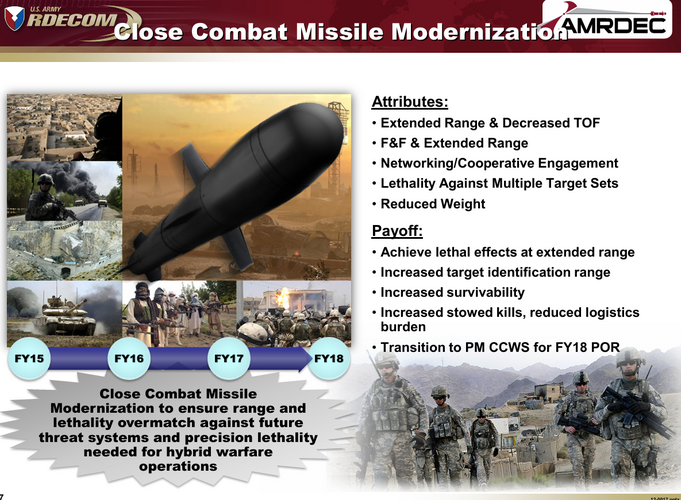
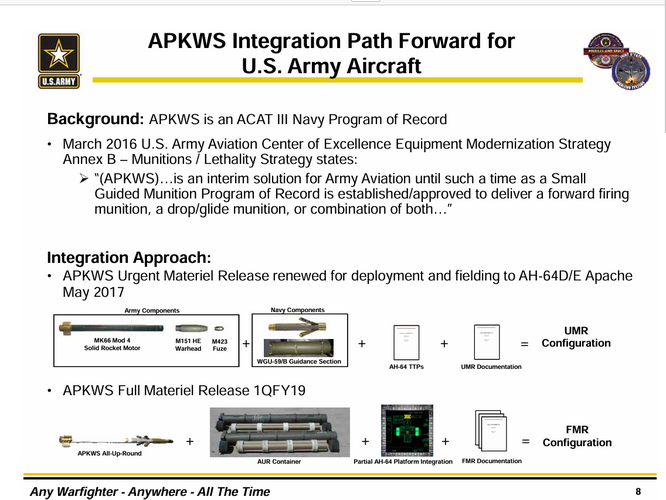
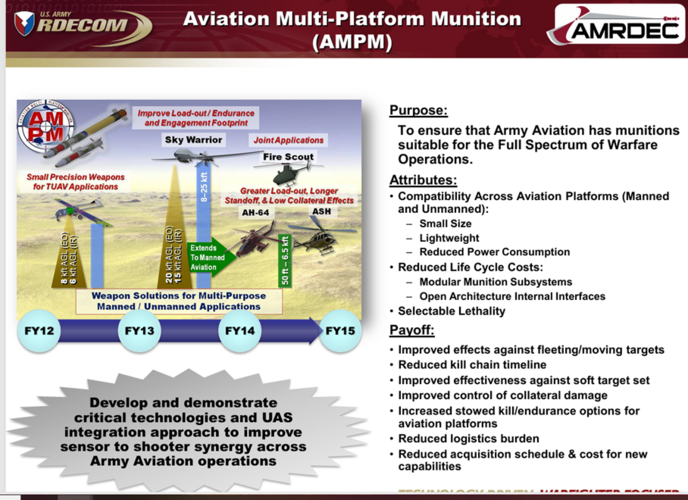
APKWS is a starting point(Vikhr-1 and Martlet may work as viable alternatives); Attack helicopters and available fighters are useful immediate proxies.
I don't think 10-20 years into the future the drones will be there, and i do think that neither helicopters nor 4th gen fighters will cover the threat envelope.