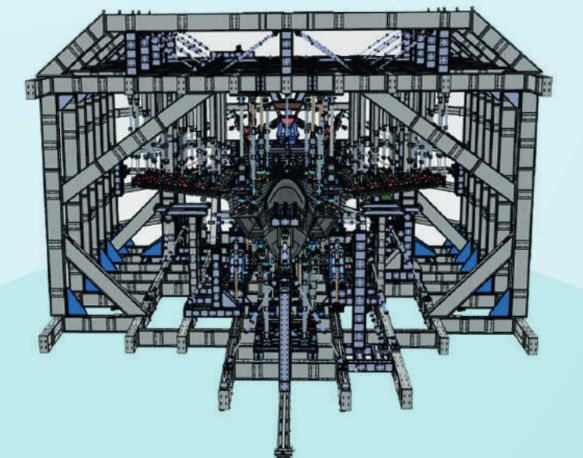
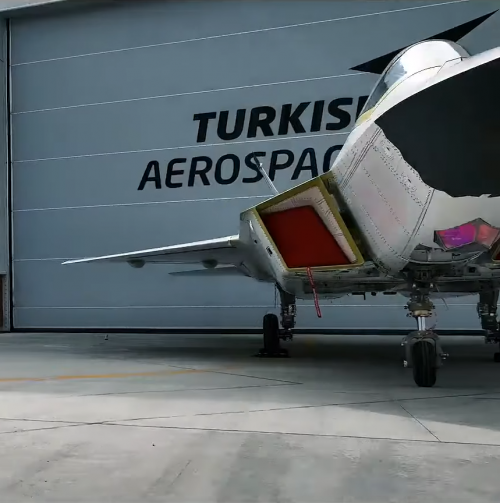
@gugugagayigit 's post from yesterday inspired me to take a look through the latest issue of TAI's Gökvatan magazine, where I stumbled upon this graphic of Kaan's full-scale static test assembly (reportedly instrumented with nearly 5000 strain-gauge channels):
 

Attachments

  • Screenshot 2026-08-04 190731.png
    Screenshot 2026-08-04 190731.png
    437.5 KB · Views: 107
  • Screenshot 2026-07-30 063145.png
    Screenshot 2026-07-30 063145.png
    1.5 MB · Views: 78
Türkiye has revised its industrial strategy for the GE F110 engines intended for the KAAN combat aircraft, shifting focus from licensed production to securing technologies and higher-value work packages.

https://turdef.com/article/exclusive-tuerkiye-revises-kaan-f110-offset-strategy
This isn't quite newsworthy, IMPO...

AFAIK, the -129E is basically the same as our SLEP'd F110s (aside from the FADEC), which we've already worked on and operated. So there's no new technology being secured here; they simply want to expand their share of the higher-value components within the global F110 supply chain to increase their profits...
 
An interesting change in terms of Kaan engine development. TRMotor has been restructured as TEI Technology (TEITech) and will work on the Kaan engine and a 3,000shp helicopter engine, TEI will handle existing engine work.

https://www.tei.com.tr/medya/basin-bultenleri/basin-duyurusu
Forgot to mention the most critical part: the TF35k engineering staff at TEI, which has been doing most of the heavy lifting on the engine's development and has also been working on other engine projects due to TEI's senior specialized talent pool being shared across multiple projects, is also being transferred to TEI Tech to work more closely under the same roof...
 
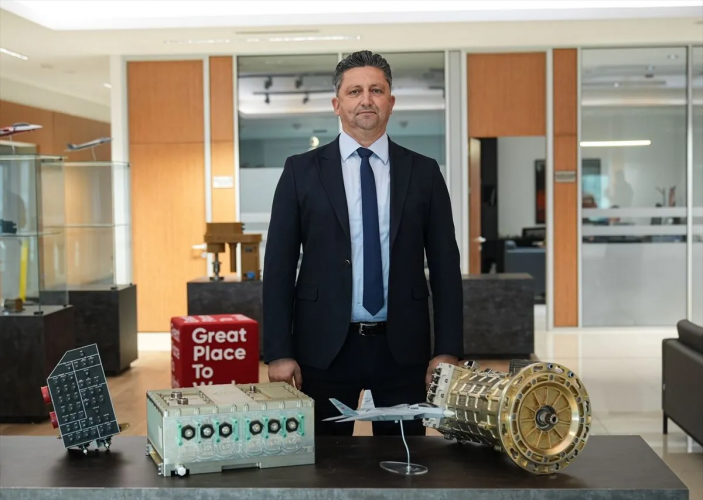
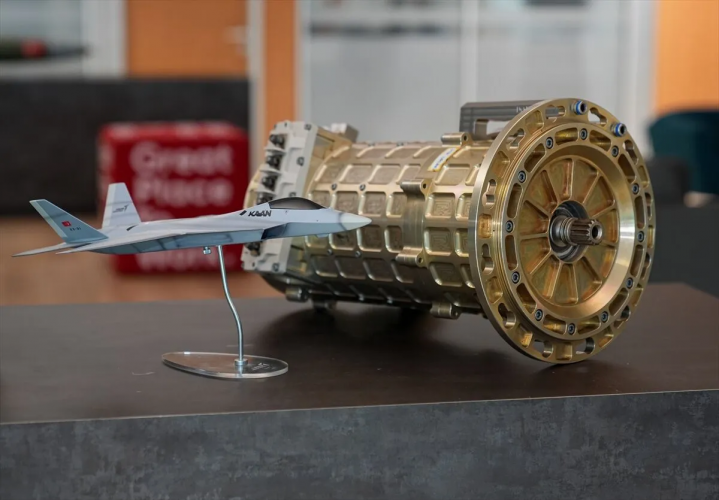
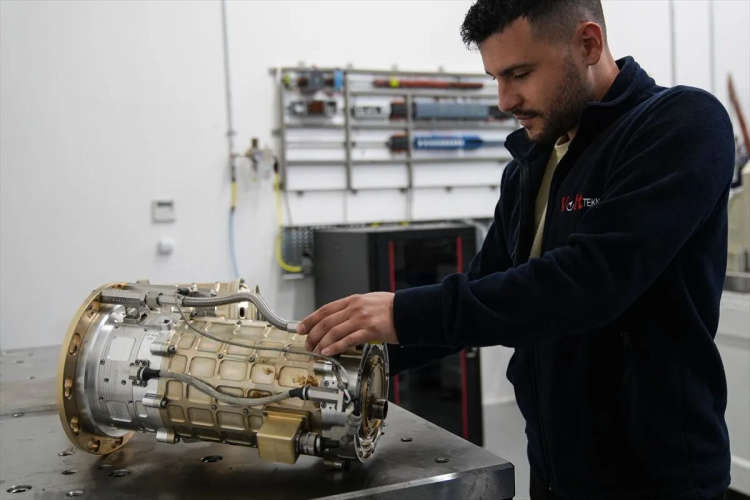
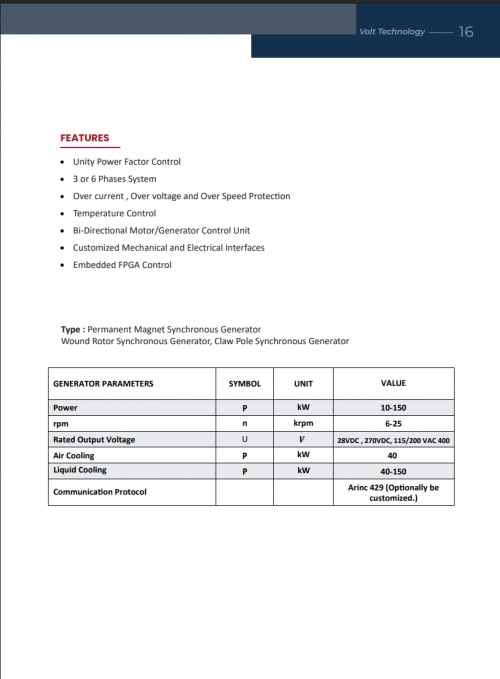
"Izmir-based Volt Technology has successfully developed a fully indigenous main electrical power generation system (including the generator, alternator, and control unit) for Türkiye’s fifth-generation fighter jet KAAN. The system was used during KAAN’s taxi tests, supplying power to all of the aircraft’s electrical systems."

https://www.aa.com.tr/tr/ekonomi/vo...lektrik-guc-sistemlerini-gelistirecek/4023913

Liquid cooled generator with peak output of 150kw per engine, that's around 300kw total electrical power at KAANs disposal
 

Attachments

  • 1786526574907.png
    1786526574907.png
    965.3 KB · Views: 115
  • 1786526662212.png
    1786526662212.png
    929 KB · Views: 52
  • 1786527629054.png
    1786527629054.png
    812.5 KB · Views: 50
  • 1786527711365.png
    1786527711365.png
    88.1 KB · Views: 55
Last edited by a moderator:
It removes the need for more powerful generators for the Block-30 with TF35000 engines.
GCAP will dramatically increase electrical generation by integrating a high-capacity generator directly onto the engine spools, and is supposed to enter service two years after Block 30. I'm sure TA(I), TEI Tech. & Volt also plan to increase electrical generation on the Block 30; especially since the TF35k is going to be a substantially more powerful engine than the F110.


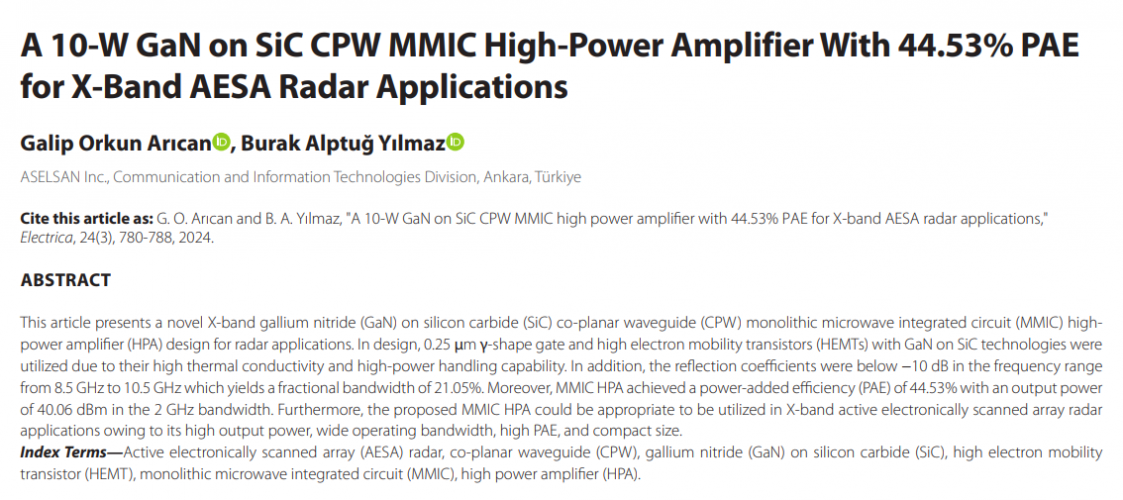
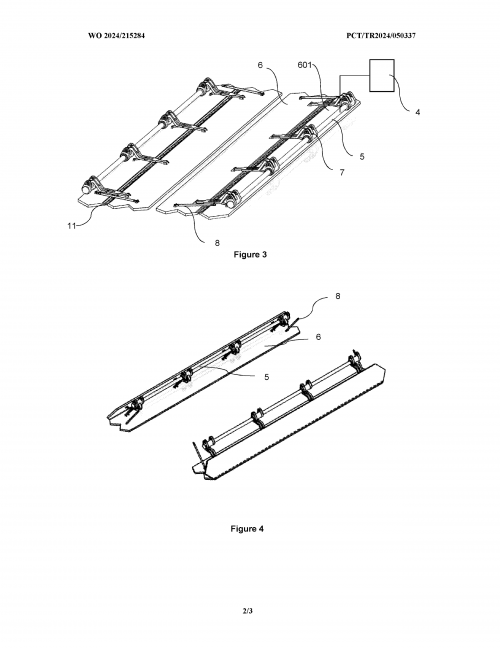
I also expect Aselsan to develop a new GaN-on-SiC FCR for the Block 30. They even published a patent earlier this year on GaN-on-SiC X-band Monolithic Microwave Integrated Circuits using Coplanar Waveguide for AESA radar applications...
 

Attachments

  • 1000104674.png
    1000104674.png
    184.9 KB · Views: 222
Last edited by a moderator:
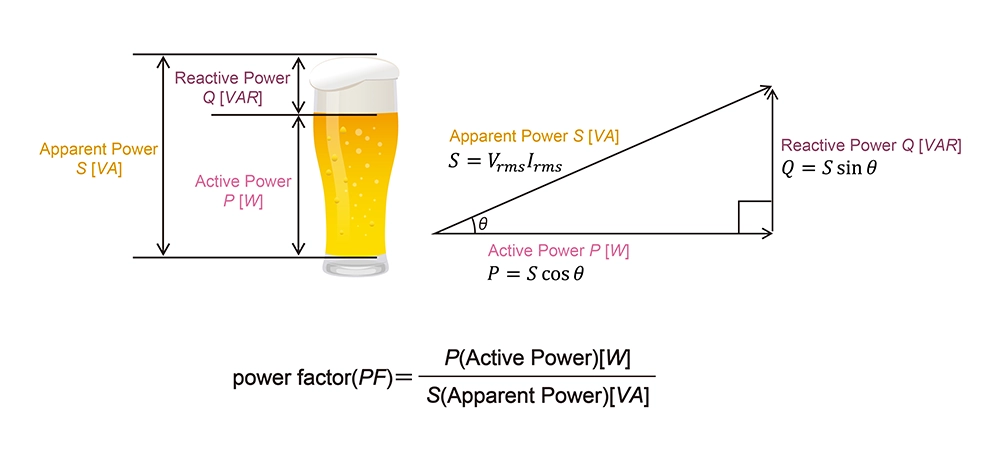
KVA is used for AC electrical power and to determine both the resistive and reactive powers you need to know the power-factor, which IIRC in these type of systems is 0.95.
 
However, it should be mentioned that this isn't a perfect "CGI", as there are some details seasoned followers of this topic can nitpick (and the scale - or the angle - isn't quite perfect either).

Still, given the applied textures and relatively accurate designs, it's a relatively good reference material, especially since not many people spend their time and effort modelling the Kaan...

View: https://x.com/buchmaru/status/2088648016064647522?s=20
 
TA(I) CEO:
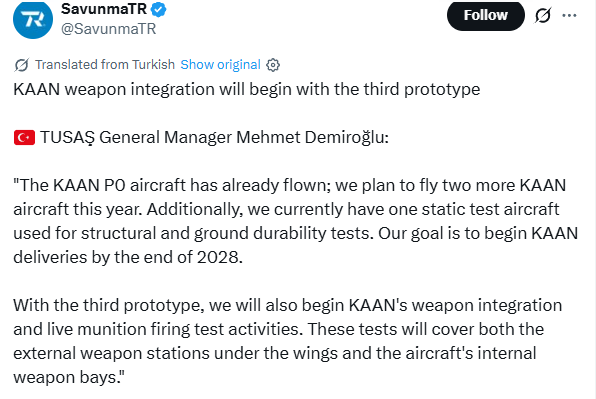
With the third prototype, we will also begin Kaan's weapon integration and live munition firing test activities. These tests will cover both the external weapon stations under the wings and the aircraft's internal weapon bays.

P1 and P2 are dedicated flight-test prototypes, while P3 and P4 (and P5 & P6) will focus on sensor and mission-systems testing...


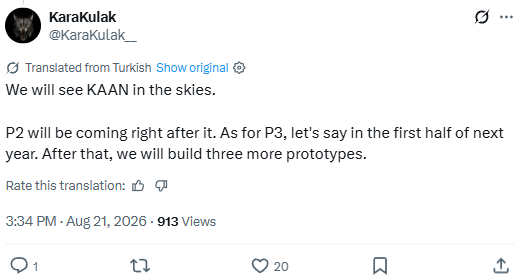
Aside from our existing Kaan prototype (means the P0/GTU-0 here), three more of our prototypes are preparing to fly (P1/P2/P3). One of them is very close (P1). Since it's the first one, we're being very careful; everything needs to work perfectly. Hopefully, by fixing the minor issues step by step, very soon see Kaan in the skies. P2 will be coming right after it. As for P3, let's say in the first half of next year. After that, we will build three more prototypes.


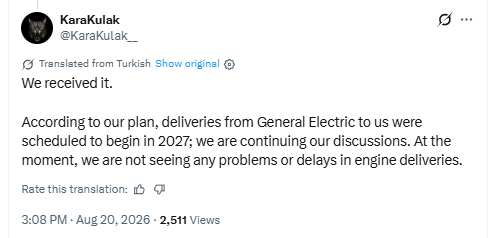
According to our plan, deliveries from General Electric to us were scheduled to begin in 2027; we are continuing our discussions. At the moment, we are not seeing any problems or delays in engine deliveries.
 

Attachments

  • 355634-59f85bc166e87e4a66e02671304755c9.png
    355634-59f85bc166e87e4a66e02671304755c9.png
    272.5 KB · Views: 41
  • 355632-729c5147b1b910c645a0f27a3a42aaf7.png
    355632-729c5147b1b910c645a0f27a3a42aaf7.png
    93.8 KB · Views: 35
  • Screenshot 2026-08-21 174935.png
    Screenshot 2026-08-21 174935.png
    44.2 KB · Views: 26
  • Screenshot 2026-08-21 182402.png
    Screenshot 2026-08-21 182402.png
    22.5 KB · Views: 18
  • Screenshot 2026-08-21 185446.png
    Screenshot 2026-08-21 185446.png
    20.6 KB · Views: 44
Last edited:
Latest update :confused: (C'mon TAI, let the damn thing fly already!)

HSV8NY9XkAAdmH9


Obviously, you can't just fly prototypes on a whim, and a project of this magnitude deserves every bit of attention, caution and risk aversion as humanly possible; but TA(I) seems to be moving at a snail's pace again before the first flight, which is starting to eat into their already ambitious timeline for deliveries in Q4 2028/Q1-2 2029 (even if they've built some schedule-risk-mitigation into it, such as pushing IWB certification completion to 2030).

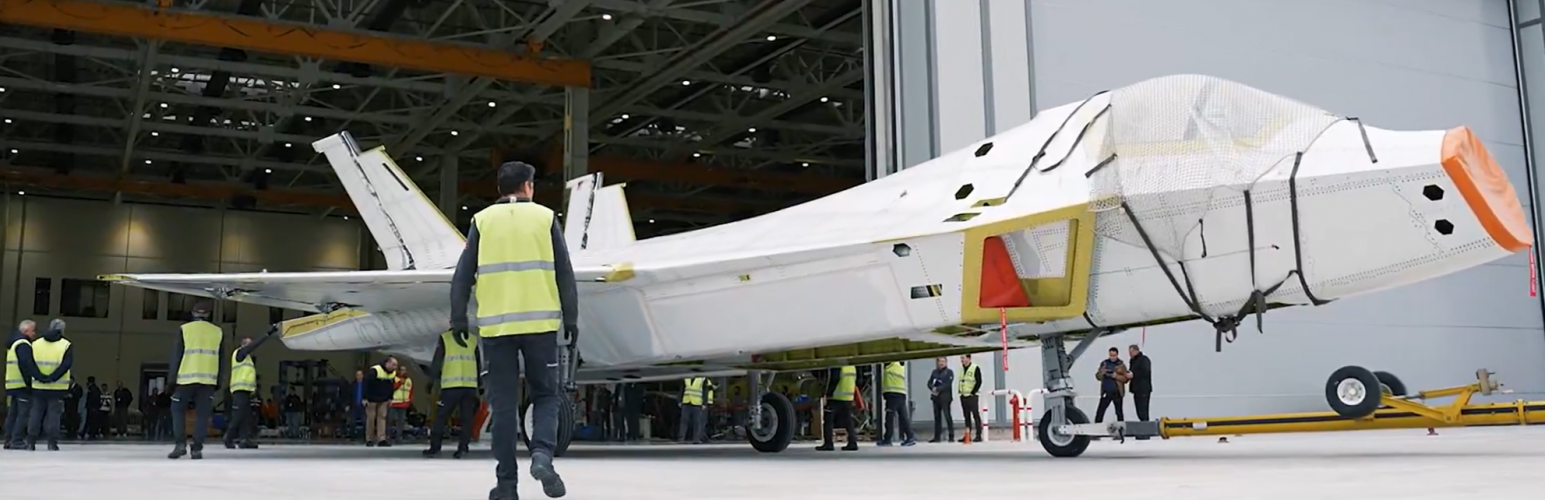
FF of this post-CDR design is more of a ceremonial milestone at this point, and the programme is progressing in accordance with the plans in the sense that subsequent prototypes are already being assembled/built; the static test airframe has also begun aerodynamic load and fatigue testing, while P0/GTU-0's two flights have already provided a substantial amount of take-off and in-flight data.

But they need to move beyond this preparatory phase ASAP and get the actual flight-test programme going with P1, P2 and P3/4/5/6 (the production-representative configuration). The schedule is already squeezed enough as it is, because TuAF needs these planes like yesterday yesterday...
 

Similar threads

Back
Top Bottom