Swiss "Wild X" Aircraft in Colombia

Kuno

ACCESS: Confidential
Joined
14 December 2008
Messages
107
Reaction score
153
I was looking for information about the Wild X aircraft, eight of them were manufactured in Switzerland and send to Colombia where they served with the air force from 1928 (or 1929 on).
Information is very little here in Switzerland, I am afraid (but I am still searching...)
Some questions you (or somebody you know) may be able to answer:
  • From when until which year were these aircraft in service with your air force?
  • b) Were these aircraft also employed in the conflict with Peru at that time?
  • Is there a book dealing with this aircraft-type, or giving details about its service in Colombia?
  • Are there photos (others than those I find by typing “Wild X” into Google?
Many thanks for your support in advance
 

Attachments

  • Wild X_Comte.jpg
    Wild X_Comte.jpg
    35.8 KB · Views: 21
I was looking for information about the Wild X aircraft, eight of them were manufactured in Switzerland and send to Colombia where they served with the air force from 1928 (or 1929 on).
Information is very little here in Switzerland, I am afraid (but I am still searching...)
Some questions you (or somebody you know) may be able to answer:
  • From when until which year were these aircraft in service with your air force?
  • b) Were these aircraft also employed in the conflict with Peru at that time?
  • Is there a book dealing with this aircraft-type, or giving details about its service in Colombia?
  • Are there photos (others than those I find by typing “Wild X” into Google?
Many thanks for your support in advance
I found an old web page in my files, but I have not been able to find the original online. So I am attaching an English machine translation of the Spanish original:

WILD X

Colombian Air Force

(second part)

by

Marco Dini Bruno


WILD X Force Aèrea Colombiana

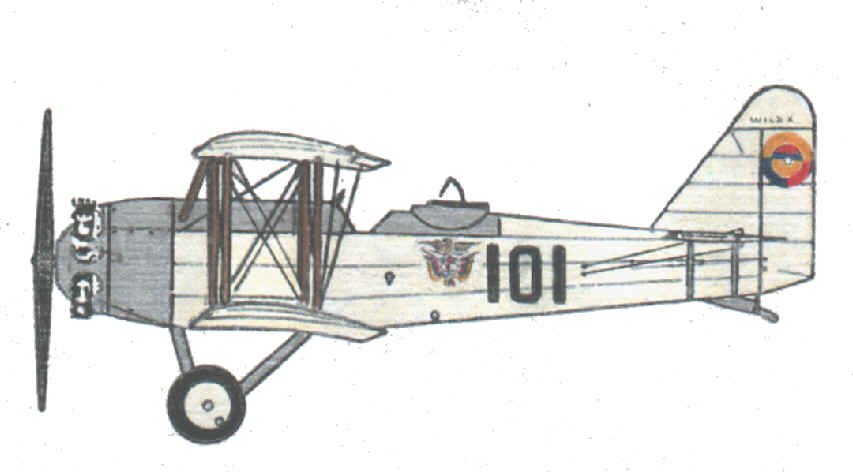
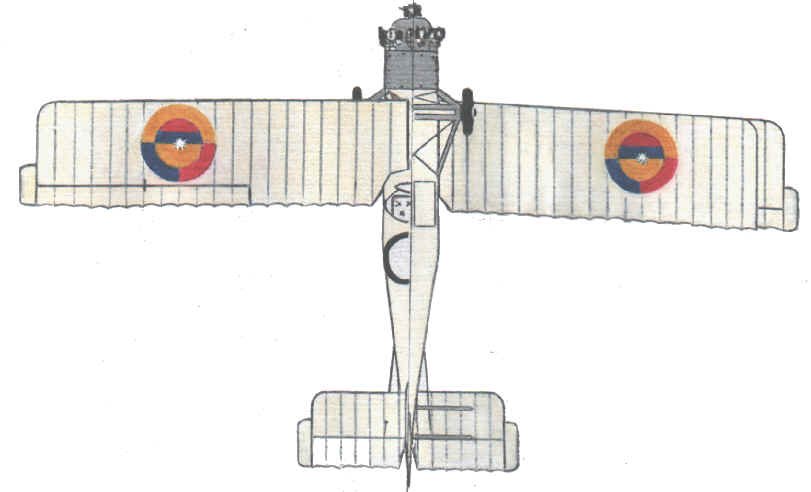
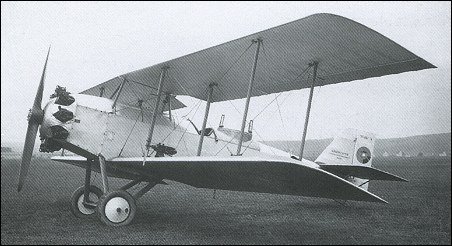
WILD X:Thanks to the excellent features and wonderful performance of the WILD WT the Colombian government I order 8 WILD X bomber and reconnaissance version. Working with the company in Alfred Comte the engineer Wild developed the WILD X especially for airports or runways located in high altitude geographical areas. The engineer Wild designs the fuselage and landing gear while that Alfred Comte was responsible for the wings, tail rudder and the motor assembly. The eight WILDs were two-spot biplanes, the engine 420 hp. and nine cylinder radial was installed on a tube frame of steel soldiers. The wings had a slope of 2nd degrees and 43 minutes. The fuel tank had capacity for 400 liters, the structure of this Machine was the same as the WILD DT. He was the possessor of excellent performance and maneuverability. The armament consisted of a Fixed machine gun for pilot and two machine guns mounted on one rotating ring at the observer's post. The observer had a radio. In the space between the fuel tank and the cockpit They were carrying two 25kg bombs. On November 25, 1927, WILD X made its Test flight in Dubendorf near Zurich. After a thorough evaluation, rudder and spoilers were lengthened. The last planes were completed and shipped by train and boat to Colombia.


MANUFACTURER Factory WilD Heerbrugg THE COUNTRY

Switzerland
DIMENSIONS (mt) Scale 13.50 Length 9.07 Height 3.25
MOTOR PLANT Type Motor Brand Bristol Jupiter
Model Radial Power (hp,shp,lb) 550 Quantity

1
HELICES

1
No of shovels 2 Type Wood Model --------
WEIGHT MAXIMUM OF OPERATION (lb) 4350 LOAD UTIL (lb) 1935
SPEED (kt) Maxima 105 Cruise 96
AUTONOMY (hs) 4:00 SCOPE (mn) 430 CEILING MAXIMUM OPERATIONAL

16000

DATES OF


Design


1919
Test Flight

1920
Arrival at the FAC 1926


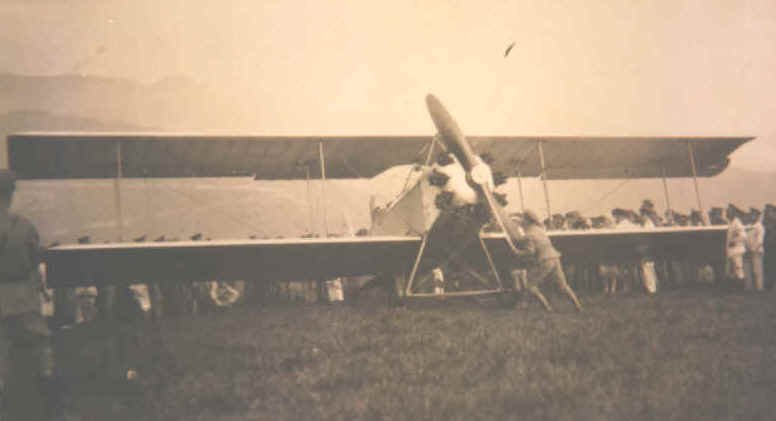
In the absence of the electric motor ignition system (not known in the time) had a unique mechanism called "Demarre" species of ratchet driven by a reinforced and twisted rubber that was connected to the propeller and so on as a starter.


Between 1926 and 1927 Alfred Comte supplied the eight biplane aircraft of combat WILD X . The first three arrived in Colombia on January 12, 1926 with the auspices of the Swiss mission the value of the three was 46800 pesos, They were modified with "Jupiter" engine by those in charge of the buy, despite the recommendation of the builder who advised the "Lorraine Dietrich" engines

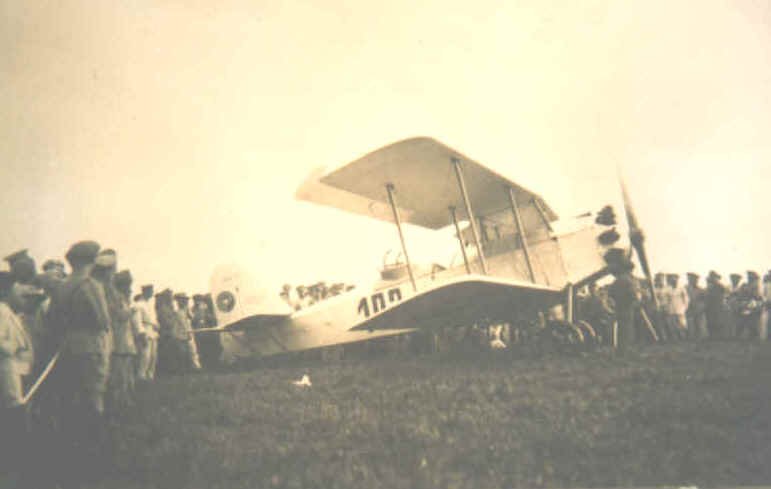
Shortly thereafter the other 5 WILD X were brought which were numbered with the registrations from 101 to 108.

When Charles Lindberg visited Colombia in his Spirit of St. Louis on 27 from January 1928 his plane was escorted in flight over the savanna of Bogota by the WIDL X before landing at the Madrid air base.

In the following March, a WILD X piloted by Camilo Daza was the first Colombian plane to cross the eastern mountain range to the plains covering the Madrid- Villavicencio route and returning without any help.

On October 20, 1929, four of these devices participated in the first cruise flight that the air force made on the route Madrid- Neiva- Madrid. This became a major event for the population So much so that the time to land people without any control It turned into a real wave that made such an operation difficult. The plane 105 For example, in view of the circumstances, it must have taken land in the sense opposite and crashes with the 102 that was on the ground. Fortunately it didn't happen no personal misfortune. Fifteen months after this event a WILD X with number 107 piloted by May Delfin Torres Duran and Lieutenant Enrique Santamaría Macini, made the first night flight in Colombia, at 9 PM Taking off from the base of Madrid to fly over the savannah of Bogota for space an hour and fifteen minutes. For landing because the runway is not technically illuminated, the headlights of the automobiles were used than poetry the school and improvised spotlights with an extension that came out the main hangar and the casino mirrors. On landing, the soldier Arturo Gonzáles Neira standing on a table holding a reflector, and was struck in one leg by the leading edge of the lower plane of the plane upon landing. This accident caused the suspension of night flights until adequate material was available.

The next March 5th a squadron of WILD X composed of the Lieutenants Camilo Daza, Andrés Díaz and Luis Gómez started a cruise of disclosure, covering the route Madrid, Bogota, Sogamoso, Bucaramanga, Cúcuta, Arauca, Villavicencio, Bogota, Madrid, in which they took 21 days.

A remarkable fact about the safety and reliability of the WILDs is that During the operational life of these planes in the country, no accident occurred tragic in them due to failures or mechanical causes.

On the occasion of the conflict with Peru, the WILD X was conditioned Wasp radial engine 600 horses and metal propellers hipals Hamilton.


CONFLICT WITH PERU

At the beginning of the conflict in September 1932 Colombian aviation He found poorly prepared and only had 16 aircraft of which 8 were WILD X (three or four were under repair). Operational aircraft They were used as a link and transport from the base of Madrid to Potosí. (see map), it was incredible that these aircraft with so many years of use and precarious maintenance conditions will perform this long flight route in a geographical sector difficult to a today for modern aircraft and with good radio help system.

These planes could not continue beyond Potosí because in that Then there were no clues on dry land for that reason they were relegated to transport and link functions leaving combat missions for the planes with floats like the Junkers and Curtis Hawk etc. that could water in the wide rivers of the Amazon region.

These WILDs had few navigational instruments their compasses were Crazy and lost due to overuse, their wooden propellers with shovels Pretty damaged and the wheels lacked brakes. As if this were not enough to turn on the worn "Bristol Jupiter" engines was necessary use an uncomfortable metal tripod-shaped apparatus of about three meters height in whose extremity the rubber cable was wound with the coupling to the propeller. I have to transport them tied under the fuselage or on the wings.

The WILD X were carrying airmail ammunition, materials from construction which produced a necessary excess payload. This excess It was calculated before leaving according to the eye of the pilot which he observed how much the fuselage of the plane was arched. They were heroic times of flight and More admirable is that these planes never stopped arriving at their destination Timely gaining great trust among the pilots

Text, photos and drawings by: Marco Dini Bruno. Modeling Club-Friends of the Museum. IPMS Colombia-Chapter Valley.
 

Attachments

  • wild_x1.jpg
    wild_x1.jpg
    21.2 KB · Views: 12
  • wild_x2.jpg
    wild_x2.jpg
    19 KB · Views: 10
  • wild_x3.jpg
    wild_x3.jpg
    28.5 KB · Views: 12
  • wild_x4.jpg
    wild_x4.jpg
    26.3 KB · Views: 8
I was looking for information about the Wild X aircraft, eight of them were manufactured in Switzerland and send to Colombia where they served with the air force from 1928 (or 1929 on).
Information is very little here in Switzerland, I am afraid (but I am still searching...)
Some questions you (or somebody you know) may be able to answer:
  • From when until which year were these aircraft in service with your air force?
  • b) Were these aircraft also employed in the conflict with Peru at that time?
  • Is there a book dealing with this aircraft-type, or giving details about its service in Colombia?
  • Are there photos (others than those I find by typing “Wild X” into Google?
Many thanks for your support in advance
I also have the first web page on the Wild WT:

WILD WT AND WILD X

Colombian Air Force

(first part)

By

Marco Dini Bruno

WILD X

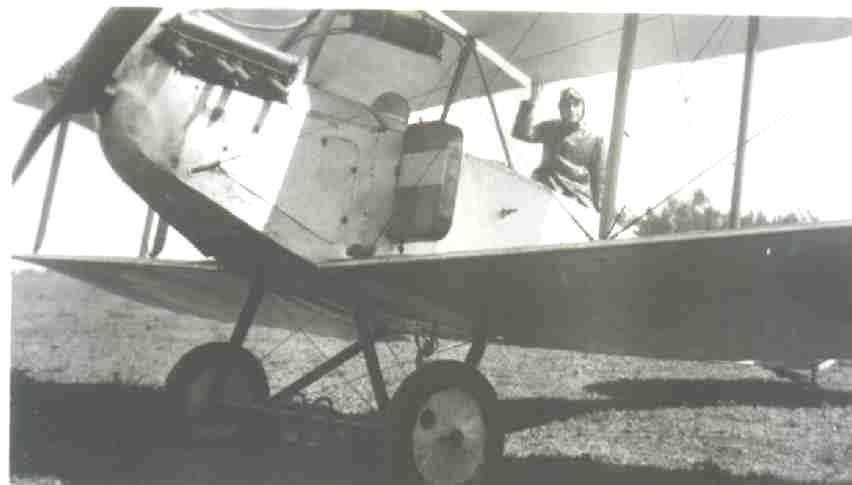
Wild WT: Before the First War World Cup engineer Robert Wild works as a cartoonist at Aviatik A.G in Habsheim-Muhlhaussen. In 1915 the design a training biplane which It was the first Swiss-designed military aircraft to enter a series production. In 1923 Wild contracted with Alfred Comte that immediately He started producing three training wild planes for China. Between 1925 and 1926 Alfred Comte built 3 additional training Wild than in this occasion for Colombian Military Aviation.

These devices, like the French alone They had very rudimentary flight instruments and did not possess communication systems. On both sides of the fuselage in the part Front of the cabin had radiators for water and the engine oil. The structure of this apparatus was metal coated in fabric and some segments in very light sheet, with wooden uprights and Tensions in steel cable. At the bottom of the tail had a skate. Also below the center of the upper plane had a small fuel tank that served to prime the engine by gravity. Once the war was over, this entity had to devote itself to design and development of geodetic elements from 26 April 1921, The demand for airplanes began to decline since 1918. The Comte WILDs They actively participated in all Swiss military air groups dedicated to training, observation, liaison and after the war on the transport of airmail.

This aircraft was named as WILD 43 in Switzerland but Captain Phillichody called it WILD WT after the modifications to adapt it to our altitudes.

WILD WT​

MANUFACTURER​
FACTORY WILD HEERBRUGG​
COUNTRY​
SWITZERLAND​
DIMENSIONS (mt)​
ANGER​
12.50​
LENGTH​
8.05​
Height​
3.10​
PLANT MOTRIZ​
TYPE​
MOTORS​
BRAND​
Hispanic-Switzerland​
MODEL​
41-8A "V"​
POWER (hp,shp,lb)​
120​
Quantity​
1​
HELICES​
1​
No OF PALAS​
2​
TYPE​
WOOD​
MODEL​
-----​
WEIGHT MAXIMUM OPERATION (lb)​
2.239​
PAYLOAD (lb)​
843​
SPEED (kt)​
MAXIM​
92​
CRUISE​
82​
AUTONOMY (hs)​
3:15​
REACH (mn)​
260​
CEILING MAXIMUM OPERATION (pi)​
14800​
DATES DE​
DESIGN​
1914​
FLIGHT OF PROOF​
1915​
ARRIVAL TO THE FAC​
NOV. 1914​

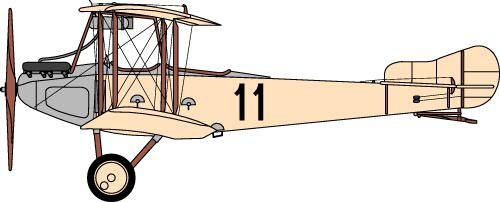
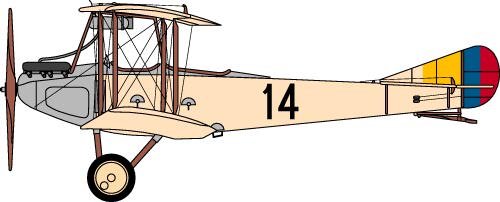
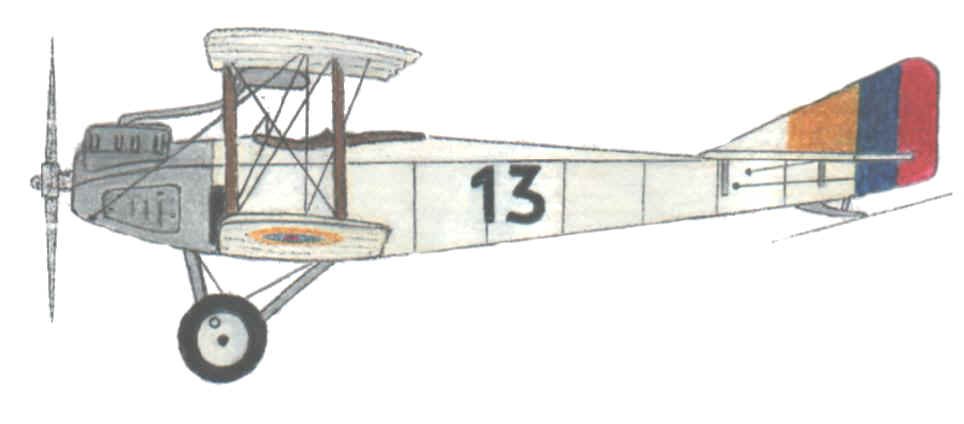
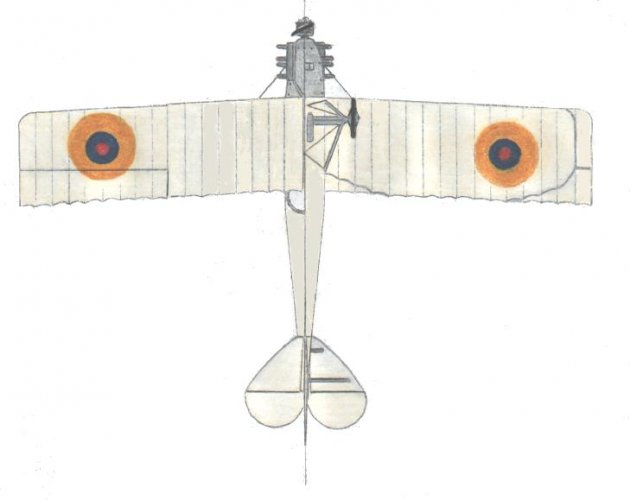
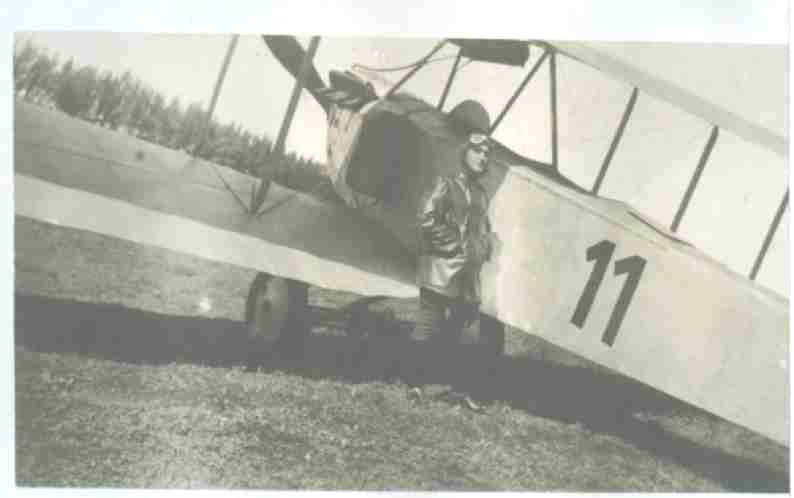
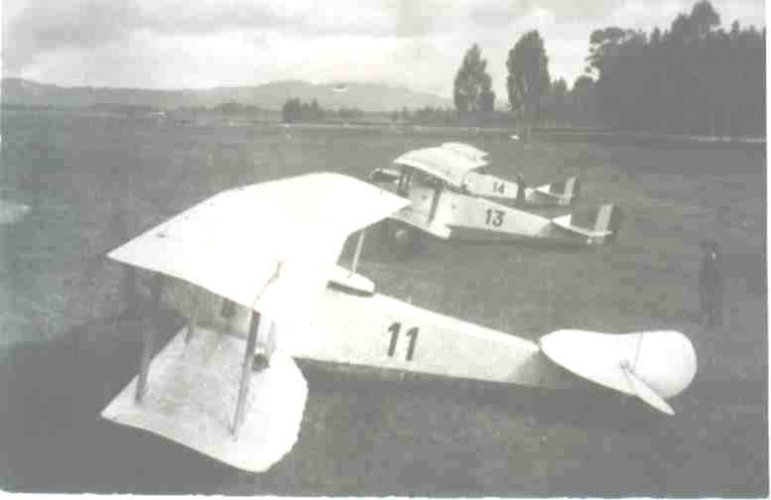
WILD WT-No. 11 Rounded Tail Plane and different from others of triangular shape. No. 11 without badges. The Badges of 13 and 14 seem to have been French as well as "Cuadron", later, retaining the French style They were applied to Colombian colors


OPERATING HISTORY

The WILD WT arrived early in 1924 and his assembly was completed in February 1925. The first of these arrived at Puerto Colombia Barranquilla on the bridge of the bow section of a Danish freighter. From there the WILD was transported in a river vapor by the river Magdalena to Girardot and then by train to Bogota its final destination. In this city the Swiss mission led by Captain Phillichody and the chief mechanic Adolfh Rubin assembled the plane by making some flight attempts. It was immediately stated that the characteristics of the aircraft in these altitudes, were insufficient for a safe flight. So the captain Phillichody wrote to engineer Wild asking them to be sent wings more Long and modifying the other three aircraft they were making for Colombia. When they arrived they were a little different from the original 1915 model. The wing It was prolonged, the tail rudder and fins were triangular in shape and the original engine was replaced by an 185 hp Hispano-Switzerland. From this way the aircraft was enabled to achieve a height of 6000 mts. with full charge. The first aircraft was with a 150 hp engine and was marked with No. 11, the other three were numbered 12, 13 and 14.

On February 8, 1928, Phillichody and Rubin They flew the No. 12 to 5050 mts. altitude for 40 minutes. Unfortunately A few days later it was destroyed in a collision. The remaining planes They were very successful as witnessed by Charles A Lindberg who wrote the Next note to Phillichody after flying the number 13: "I wish Express my appreciation for your great assistance during my visit to Bogota and also on the flight on your plane that I was impressed by its flight characteristics in Those altitudes." This appreciation was a great recognition of the mission Switzerland.

On February 24, 1925, the first was made WILD WT No. 11 test flight at military aviation school in Madrid Cundinamarca, during the first four days, was such the excitement of Students and instructors, who took 40 training outings. With this pace for August accumulated 439 flights of which 339 were double commando, as the only airplane in the school.

This team was in operation in ours institution until 1931 after 1600 flight departures and training seven pilots. The No. 11 crashed in 1927 under the command of the deputy director of the school, Major Delfin Torres Durán, 15 day later destroyed No. 12 landing abruptly, suffering wounds of such consideration that prevented him receiving his degree as a pilot. On October 17, 1931, the suspension of the School flights in the WILD to wait for the arrival of the new three Coaches Curtiss Fledged numbered 15, 16 and 17.

Text, photos and drawings by: Marco Dini Bruno. Modeling Club-Friends of the Museum. IPMS Colombia-Chapter Valley.
 

Attachments

  • wild1.jpg
    wild1.jpg
    25.3 KB · Views: 8
  • colum15a.jpg
    colum15a.jpg
    17.5 KB · Views: 11
  • colum15b.jpg
    colum15b.jpg
    17.6 KB · Views: 11
  • wild3.jpg
    wild3.jpg
    24.7 KB · Views: 10
  • wild4.JPG
    wild4.JPG
    24.8 KB · Views: 12
  • wild5.jpg
    wild5.jpg
    23.8 KB · Views: 7
  • wild6.jpg
    wild6.jpg
    19.5 KB · Views: 10
Thanks Marco - It appears that your "translator" took some "libertieys":

> "Robert Wild works as a cartoonist at Aviatik A.G in Habsheim-Muhlhaussen" - Robert Wild did not work as a "cartoonist" but as a designer and constructor of aircraft ;-)

> "FACTORY WILD HEERBRUGG" - this is not correct, "Wild Heerbrug" was a manufacturer of surveying equipment (now part of "Leica"). Robert Wild never had a company of his own. First he worked for Aviatik, then at the beginning of WWI his Wild W and Wild W-S were constructed in contract with the "Fliegerabteilung" (first name of the Swiss Air Force) in the area of Dübendorf near Zürich in several small workshops. Later he went to work for an Italian aircraft manufacturer.

> Wild WT were these aircraft which were manufactured by K+W in Thun (The Swiss governmental workshops). Their own Haveli-design did not fulfil the requirements and therefore they had to build the Wild-design under license. The "T" stands for Thun, the citiy where the workshops were located.
 

Similar threads

Back
Top Bottom