
You are using an out of date browser. It may not display this or other websites correctly.
You should upgrade or use an alternative browser.
You should upgrade or use an alternative browser.
Some Future Titles of Interest for SPF Members
- Thread starter bobbymike
- Start date
-
- Tags
- naval aviation submarine

Owens Z
quaerimus scientiam
- Joined
- 6 October 2023
- Messages
- 547
- Reaction score
- 817
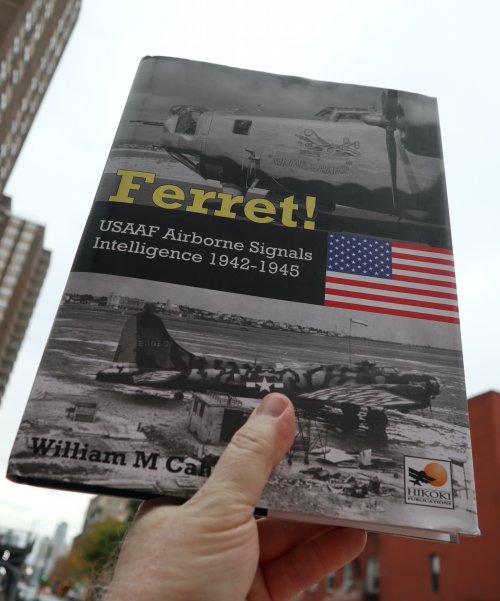
Nobody responded to my post #877 above asking whether anyone here has read William M. Cahill's recent book Ferret! USAAF Airborne Signals Intelligence 1942-1945, and I considered this to be inauspicious. Pre-publication notice had been given by GTX and a few others from post #593 onward. I have unlimited interest in the subject matter, but a limited budget, and I've learned the hard way that (unfortunately) some persons who know their subject well cannot write well to save their lives. Recently I asked a respected expert about Ferret!, and he replied that he knows and endorses Mr Cahill, has read his book, and very much recommends it as worthwhile. After the expert's blessing, I bought a copy of Ferret!. As aficionados will know, a 'ferret' is an aircraft that flies provocatively to goad adversary radars, communications, and electronic warfare transmitters, with equipment aboard to intercept, pinpoint, and classify the resulting RF emissions for intelligence purposes. Dangerous work, especially in the midst of World War 2. I had thought ferret was a Cold War nickname ("to ferret out") retroactively applied, but Mr Cahill informs us (pp9,33) that in fact Ferret was the 1942 United States Army Air Force code name for the new program. This book proves to be a pleasingly detailed technical history of how after Pearl Harbor the USAAF (following the lead of the RAF and, a surprise to me, the RAAF) built from scratch the needed planes (mostly converted B-17s and B-24s) and trained flight crews for SIGINT duty against the Axis in all theaters. In addition to listening, airborne active jamming is engaged with, and the book describes how in the final months of WW2 some ferrets began to bomb and strafe the very Japanese radars they were tracking, the beginnings of Wild Weasel-type missions. An engagingly well-written book, deeply researched from primary sources, on a fascinating yet heretofore little known subject.
Had I been this book's editor, I would have worked with the author to compose a suitable name for each chapter, for reader-friendliness. If the type size the publisher chose had been any smaller this book would have become difficult for me to read, but the choice helped pack much info into 188 pages. The book is illustrated with period black & white photos and helpful maps by Chris Gibson.
Readers with an interest in WW2 aviation history or SIGINT/electronic warfare will find Mr Cahill's Ferret! edifying and enjoyable. Recommended.
Had I been this book's editor, I would have worked with the author to compose a suitable name for each chapter, for reader-friendliness. If the type size the publisher chose had been any smaller this book would have become difficult for me to read, but the choice helped pack much info into 188 pages. The book is illustrated with period black & white photos and helpful maps by Chris Gibson.
Readers with an interest in WW2 aviation history or SIGINT/electronic warfare will find Mr Cahill's Ferret! edifying and enjoyable. Recommended.
Attachments

Dagger
ACCESS: Secret
- Joined
- 24 December 2019
- Messages
- 412
- Reaction score
- 835
Not a future title but very recent:
For more details see his website: https://militaryaircraftperformance.com/ww2-aircraft/

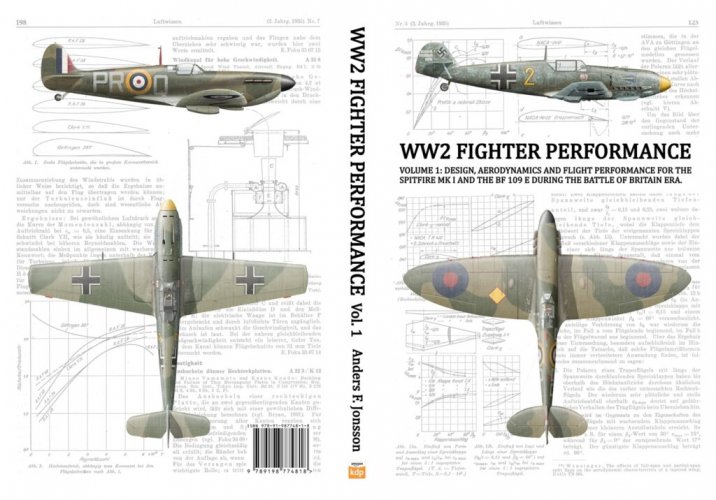
WW2 Fighter Aircraft Performance Volume 1: Design, aerodynamics and flight performance for the Spitfire Mk I & the Bf 109 E, Battle of Britain era.
Self-published by Anders Jonsson who earlier this year already published a book on WW1 Aircraft Performance.For more details see his website: https://militaryaircraftperformance.com/ww2-aircraft/
British Secret Projects 5
Britain's Space ShuttleDaniel Sharp
already sold out.
Why did they print such a ridiculously small number of books?



- Joined
- 21 January 2015
- Messages
- 14,992
- Reaction score
- 24,205
American MiG Pilot
Inside the Top Secret USAF “Red Eagles” MiG Squadron
https://www.ospreypublishing.com/uk/american-mig-pilot-9781472808554/Description
Get inside the head of one of America's most experienced MiG pilots as he tells the thrilling tale of the top-secret US operation that wouldn't feel out of place in 'Top Gun'.
After finding themselves outflown over Vietnam, the American military launched top-secret Operation Constant Peg, using illicitly obtained Russian Fighters pitted against star US fighter pilots in simulated combat exercises. With controls labelled in Russian and the only spare parts being the ones they could salvage, the pilots who climbed into the MiGs – the Red Eagles – accepted all of the risks associated with operating these aircraft.
This book describes what it was like to be there day in and day out at one of the most access-restricted airfields in the entire USAF, flying MiGs alongside some of the very best fighter pilots hand-picked from the ranks of the USAF, US Navy and US Marine Corps. Rob “Z-Man” Zettel tells the Red Eagles story for the first time through the experiences of a pilot who flew these aircraft to their maximum performance in simulated combat engagements, often several times a day, against frontline fighter pilots of the three US sister services.
Vivid accounts of training engagements put the reader right in the cockpit, while historical photographs help paint the picture of an operation that took the US Air Force from its disappointing performance in the Vietnam War to unprecedented success in Operation Desert Storm.

von hitchofen
This space has been intentionally left blank.
- Joined
- 26 November 2014
- Messages
- 42
- Reaction score
- 55
More specifically, hereWhere can I read about this?
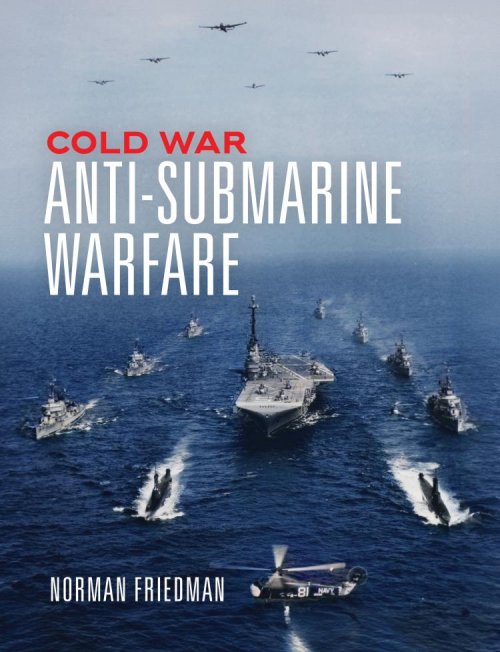
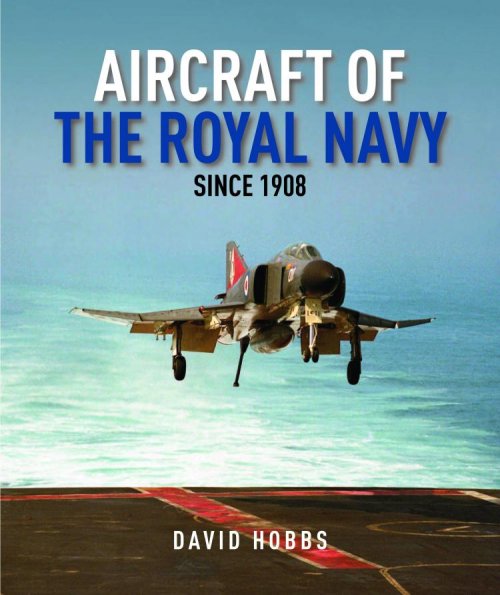
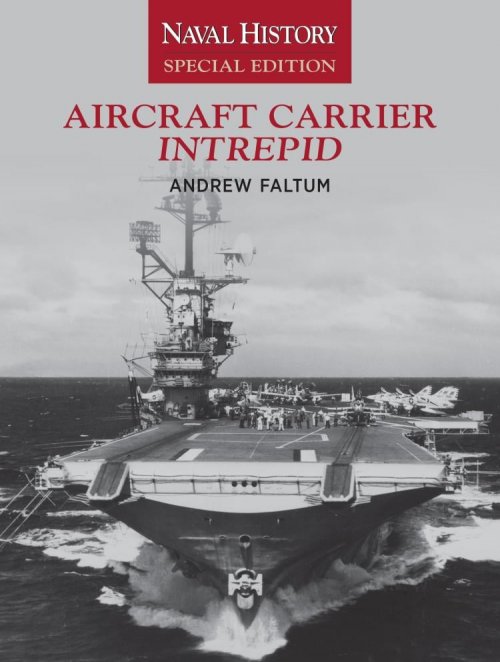
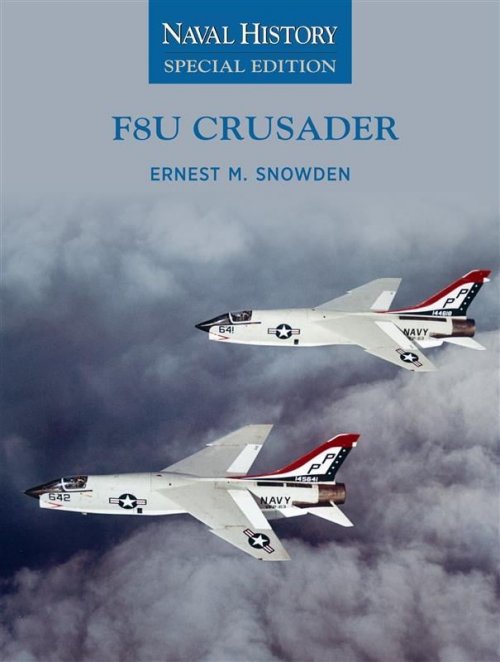
You need to be a USNI member to get the 50% off sale!!!The US Naval Institute press currently has a 50% off sale until Christmas. You can get their expensive books, like the Friedman ASW book, for half-price.
View attachment 791461View attachment 791464View attachment 791463View attachment 791462View attachment 791465
- Joined
- 26 September 2008
- Messages
- 2,216
- Reaction score
- 1,541
You need to be a USNI member to get the 50% off sale!!!
No you don't. I'm not a member. I got 50% off.
If you are ordering a lot of books, then becoming a member will save you even more.
Thanks for letting me know. I was always told you have to be a member. It figures!No you don't. I'm not a member. I got 50% off.
If you are ordering a lot of books, then becoming a member will save you even more.
- Joined
- 26 September 2008
- Messages
- 2,216
- Reaction score
- 1,541
Thanks for letting me know. I was always told you have to be a member. It figures!
Go to the website and look for yourself. At the top of the page it provides the discount code. Also, they just extended the sale to the end of the year.
Thanks!Go to the website and look for yourself. At the top of the page it provides the discount code. Also, they just extended the sale to the end of the year.
- Joined
- 26 September 2008
- Messages
- 2,216
- Reaction score
- 1,541
Thanks!
Half my order arrived in the mail yesterday. I ordered a lot of expensive books. They shipped half of them, and I think that the others are either not printed yet or not in the US yet. That includes the Japanese, French, and British aircraft carrier books, and the Yorktown and F-8 Crusader books. No explanation as to why they did not ship yet. The other ones arrived in a box. Not the best shipping conditions for books, but they all arrived intact.
USNI Press is not the smoothest running operation. I have not had terrible experiences with them, but I've had minor problems. A few years ago they had the big, expensive USS Enterprise book on sale half price. I ordered it, and then waited and waited, for about six weeks. It kept listing as "order pending" on their website. Finally I contacted customer service and was told that it sold out and was no longer available. Clearly their system for taking orders was not linked to their inventory.

- Joined
- 21 April 2009
- Messages
- 14,350
- Reaction score
- 9,433
The Warhead: The Quest to Build the Perfect Weapon in the Age of Modern Warfare
From award-winning journalist and coauthor of The 15:17 to Paris, an affecting human history of the first self-steering bomb
Paveway, the first "smart" bomb, was created to be a more precise and ostensibly humane weapon, reducing civilian casualties. The true impact of the bomb, however, is ever more complex and unpredictable.

Kiltonge
Greetings Earthling
- Joined
- 24 January 2013
- Messages
- 885
- Reaction score
- 2,052
The Warhead: The Quest to Build the Perfect Weapon in the Age of Modern Warfare
From award-winning journalist and coauthor of The 15:17 to Paris, an affecting human history of the first self-steering bomb
Paveway, the first "smart" bomb, was created to be a more precise and ostensibly humane weapon, reducing civilian casualties. The true impact of the bomb, however, is ever more complex and unpredictable.
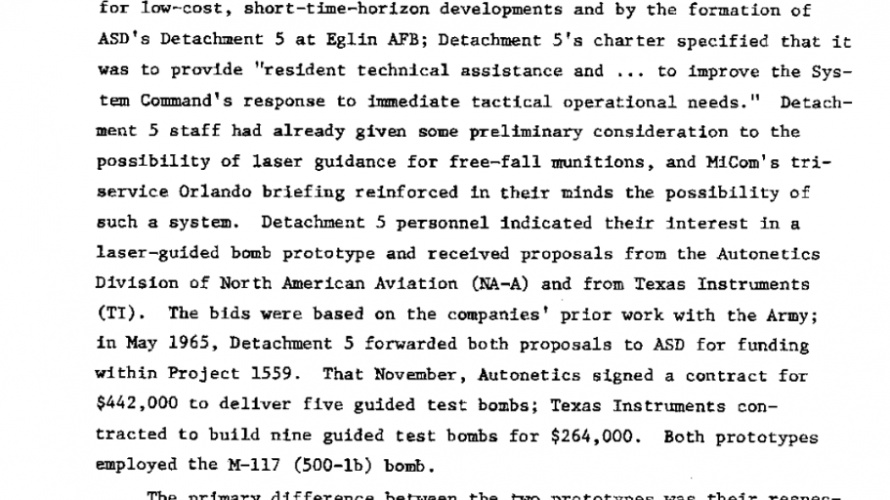
Hmmm I thought it was designed to take down the Thanh Hoa Bridge...
There we go - "immediate operational tactical needs"
First use was actually SEAD and interdiction using "less vulnerable attack profile". Haven't seen any evidence that it was to reduce collateral damage.
Attachments
Last edited:
Owens Z
quaerimus scientiam
- Joined
- 6 October 2023
- Messages
- 547
- Reaction score
- 817
The US Naval Institute press currently has a 50% off sale until Christmas. You can get their expensive books, like the Friedman ASW book, for half-price.
Thanks for letting me know. I was always told you have to be a member. It figures!
Half my order arrived in the mail yesterday. I ordered a lot of expensive books. They shipped half of them, and I think that the others are either not printed yet or not in the US yet. That includes the Japanese, French, and British aircraft carrier books, and the Yorktown and F-8 Crusader books. No explanation as to why they did not ship yet. The other ones arrived in a box. Not the best shipping conditions for books, but they all arrived intact...
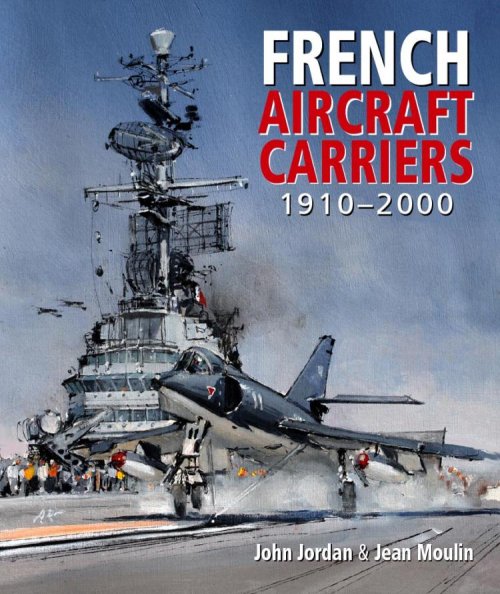
Jordan & Moulin french carrier book is highly recommended. Jean Moulin is the top historian related to french carriers history.
Thanks, Blackstar and Archibald. John Jordan is fluent in French, and I'm a longtime fan of his French Navy volumes and other books (back to the Arco/Salamander days), so my purchase of his and Jean Moulin's new French Aircraft Carriers 1910-2000 is assured. For American customers like me, it does seem that ordering this book direct from Naval Institute Press (with its half-off Christmas sale) will be cheaper than a bookstore.
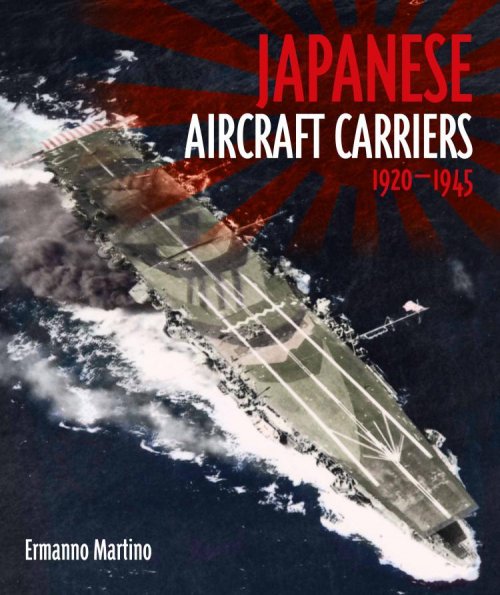
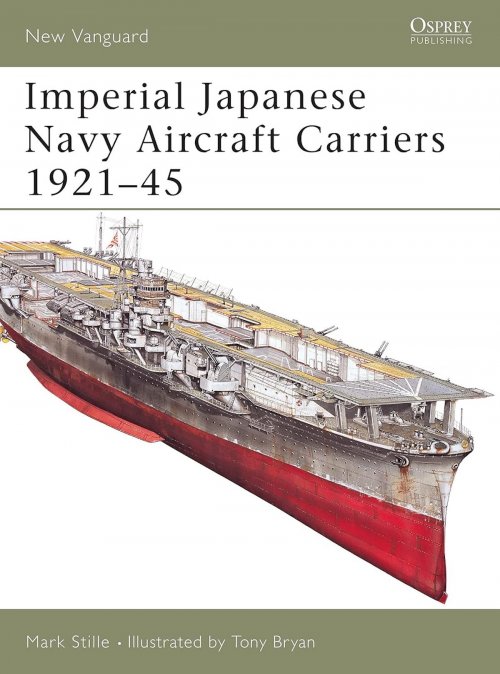
I am leery of Ermanno Martino's Japanese Aircraft Carriers 1920-1945, which is now available in the UK and will publish in the USA within a few weeks. I had hoped the preliminary page count mentioned in post #876 was perhaps a typo, but it appears this new book is indeed only 128 pages. So it perforce cannot be the in-depth, researched-from-Japanese-records, labor-of-love tome (like the famous 880-page Japanese Cruisers of the Pacific War by Eric LaCroix and Linton Wells) that is needed, which would have been very welcome, matching the gravitas of recent John Jordan and Norman Friedman carrier books. The problem is, we already have a color-illustrated brief overview of IJN carriers based on secondary sources because the author can't read Japanese, Mark Stille's worthy 2005 paperback for Osprey (New Vanguard 109). And before that, the 'Japan' section of the late Roger Chesneau's masterful Aircraft Carriers of the World.
I will wait to see whether anyone here on Secret Projects Forum has thoughts about Martino's Japanese Aircraft Carriers 1920-1945 before making a decision.
Attachments
Owens Z
quaerimus scientiam
- Joined
- 6 October 2023
- Messages
- 547
- Reaction score
- 817
Paveway, the first "smart" bomb...
Hmmm I thought it was designed to take down the Thanh Hoa Bridge... There we go - "immediate operational tactical needs" First use was actually SEAD and interdiction using "less vulnerable attack profile". Haven't seen any evidence that it was to reduce collateral damage.
[1944-45's Fritz-X, Azon, and ASM-N-2 Bat guided bombs to the 1960's Paveway]: "Am I a joke to you?"
- Joined
- 26 September 2008
- Messages
- 2,216
- Reaction score
- 1,541
Jordan & Moulin french carrier book is highly recommended. Jean Moulin is the top historian related to french carriers history.
I saw that mentioned online a few months ago and it was one of the first ones I looked for on the USNI site. I'd love it if somebody covered some of the more obscure non-US carriers, like Brazil, Argentina, Canada and the Netherlands. It's rather fascinating to me that a lot of navies post-WWII had carriers from the British, but as they wore out, they were not replaced.
Agree!I saw that mentioned online a few months ago and it was one of the first ones I looked for on the USNI site. I'd love it if somebody covered some of the more obscure non-US carriers, like Brazil, Argentina, Canada and the Netherlands. It's rather fascinating to me that a lot of navies post-WWII had carriers from the British, but as they wore out, they were not replaced.
I saw that mentioned online a few months ago and it was one of the first ones I looked for on the USNI site. I'd love it if somebody covered some of the more obscure non-US carriers, like Brazil, Argentina, Canada and the Netherlands. It's rather fascinating to me that a lot of navies post-WWII had carriers from the British, but as they wore out, they were not replaced.
Same interest. Wikipedia has an exhautive list of these carriers and the countries that used them, second-hand and sometimes third-hand. https://en.wikipedia.org/wiki/1942_Design_Light_Fleet_Carrier#Ships
The US did the same with a carrier class of their : the Independence.
https://en.wikipedia.org/wiki/Independence-class_aircraft_carrier#Ships_in_classTwo went to France in the 1950s and later (1967), one to Spain: where it stayed in service until 1989 with Harriers on the flight deck.
France circa 1950 had a... baroque carrier fleet, a hodgepodge of british and american ships plus the antiquated Bearn used as a transport.
https://en.wikipedia.org/wiki/List_of_aircraft_carriers_of_France#Escort_carriers
The only reasonable way to replace these old WWII ships was to create a "Harrier carrier", which was called the Sea Control Ship. However few navies made the move to replace their WWII carriers.
https://en.wikipedia.org/wiki/Harrier_jump_jet#Operators
Last edited:
Tommy Thomason's U.S. Naval Air Superiority is receiving a new edition in April, now 384 pages long and covering developments through 2023: U.S. Naval Air Superiority Development of Shipborne Jet Fighters 1943-2023
https://crecy.co.uk/product/u-s-naval-air-superiority-2

https://crecy.co.uk/product/u-s-naval-air-superiority-2
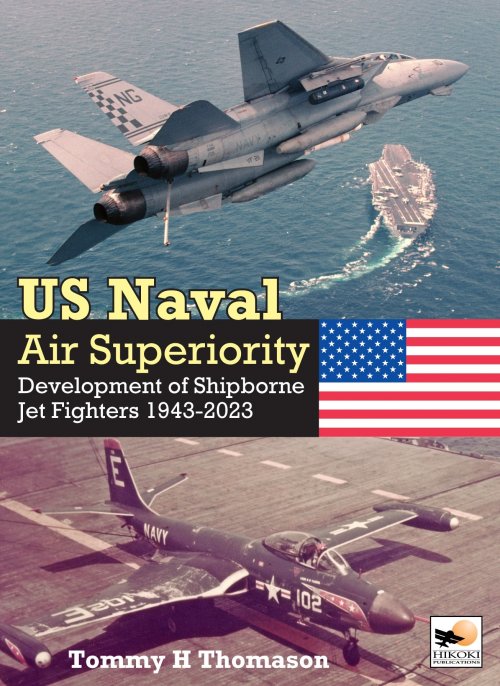
The combat superiority of the jet fighter as demonstrated towards the end of World War II presented the U.S. Navy with a significant problem. Carrier-based aircraft have additional and burdensome design requirements compared to those that do not have to fly on and off carriers. Through experience and innovative design by their aircraft suppliers, the Navy were flying propeller driven fighters that were in no way operationally inferior to their land-based adversaries. Now they had to do it again with a higher degree of difficulty – the innate limitations of jet propulsion could not have been more incompatible with safe and routine carrier-based operation.
This is a new and expanded edition of a book which examines the US Navy’s internal struggle to adapt the jet engine to its style of warfare, as well as the development and evolution of carrier-borne fighters, their airframes and engines, from the closing days of World War II through to the 1990s. The book profiles the turbulent design and development stage of the Navy’s carrier-based jet fighter programme. From the successful designs – such as the Fury, Banshee, Crusader, and Phantom II, to the also-rans, like the Fireball, Demon, Pirate, and Cutlass – the Navy’s needs are measured against contractor and political demands and the limits of the evolving engine and aerodynamic technologies of the day. The successful transition to high-performance, carrier-based jet fighters wasn’t just accomplished by the airplane and engine manufacturers. Timely and thoughtful innovations in aircraft carrier design, operational procedures, training and equipment were also necessary.
The previous edition had taken the story up to 1962. Substantial additions to this edition include new chapters on the F6D/F-111B, F-14A/B/C/D and F-18A/B/C/D. Significant events post 1993 are also covered including the retirement of the F-14 and “legacy” F-18, the introduction of the F-18E/F, F-35C and unmanned aerial refuelling programmes.
This book includes many photos and illustrations including engine cut-aways, aircraft comparison diagrams and details of the safety improvements made to aircraft carriers to enable higher speed and high-gross-weight jet operations.

- Joined
- 3 June 2006
- Messages
- 3,538
- Reaction score
- 6,212

Pasoleati
I really should change my personal text
- Joined
- 29 June 2012
- Messages
- 594
- Reaction score
- 251
Based on the following:Even the Hikoki books?
Chris
-Douglas DC-3/C-47 in Latin American Service (Crecy)
-Douglas B-18/B-23 (Crecy)
-Ken Delve's 2-volume set on British test pilots (Crecy)
vs.
-Propeller Twilight (Hikoki)
-American Experimental Fighters.../Buttler (Hikoki)
The winner in this particular case is by a large margin Crecy, whose layout in the above 4 books gets 5/5 while Hikoki gets 3/5 (due to wasted space + very poor sans serif font).
Some older Hikokis were excellent (5/5): Ivo de Jong's "Mission 376" and Ivie's "Spitfires and Yellow Tail Mustangs".

- Joined
- 6 November 2010
- Messages
- 6,351
- Reaction score
- 8,226
@Pasoleati I put it to you your judgement of page layout is purely personal.
To my taste, I find the sans-serif font used in newer Hikoki titles easier on my eyes than most serif fonts - I find those sometimes make for a crowded, 'inky' feel to pages. Reserving page margins for image captions, occasionally spreading images and their captions over the full page width works for me. It feels restful to my eyes.
I have several older serif font Hikoki titles, while the old layout doesn't put me off reading them - they are pleasant enough - I prefer the new layout.
I do need glasses to comfortably read books, ideally a well lit table for the larger books.
YMMV.
To my taste, I find the sans-serif font used in newer Hikoki titles easier on my eyes than most serif fonts - I find those sometimes make for a crowded, 'inky' feel to pages. Reserving page margins for image captions, occasionally spreading images and their captions over the full page width works for me. It feels restful to my eyes.
I have several older serif font Hikoki titles, while the old layout doesn't put me off reading them - they are pleasant enough - I prefer the new layout.
I do need glasses to comfortably read books, ideally a well lit table for the larger books.
YMMV.
Pasoleati
I really should change my personal text
- Joined
- 29 June 2012
- Messages
- 594
- Reaction score
- 251
Yes, very much a personal issue. But: waste of space is waste of space that costs money (requires more paper, requires more storage space in warehouse, increases weight increasing shipping costs) while giving no real benefits. True, serifed fonts vary greatly, some are crap (Erhard for example) . But I strongly recommend to take a look at Adobe Jenson Pro. It's specifically designed to be very readable and economic in space for large amounts of text.@Pasoleati I put it to you your judgement of page layout is purely personal.
To my taste, I find the sans-serif font used in newer Hikoki titles easier on my eyes than most serif fonts - I find those sometimes make for a crowded, 'inky' feel to pages. Reserving page margins for image captions, occasionally spreading images and their captions over the full page width works for me. It feels restful to my eyes.
I have several older serif font Hikoki titles, while the old layout doesn't put me off reading them - they are pleasant enough - I prefer the new layout.
I do need glasses to comfortably read books, ideally a well lit table for the larger books.
YMMV.
Yes, very much a personal issue. But: waste of space is waste of space that costs money (requires more paper, requires more storage space in warehouse, increases weight increasing shipping costs) while giving no real benefits. True, serifed fonts vary greatly, some are crap (Erhard for example) . But I strongly recommend to take a look at Adobe Jenson Pro. It's specifically designed to be very readable and economic in space for large amounts of text.
Contact the publisher. They have no other way to know what people think.
- Joined
- 26 September 2008
- Messages
- 2,216
- Reaction score
- 1,541
Same interest. Wikipedia has an exhautive list of these carriers and the countries that used them, second-hand and sometimes third-hand. https://en.wikipedia.org/wiki/1942_Design_Light_Fleet_Carrier#Ships
The US did the same with a carrier class of their : the Independence.
https://en.wikipedia.org/wiki/Independence-class_aircraft_carrier#Ships_in_classTwo went to France in the 1950s and later (1967), one to Spain: where it stayed in service until 1989 with Harriers on the flight deck.
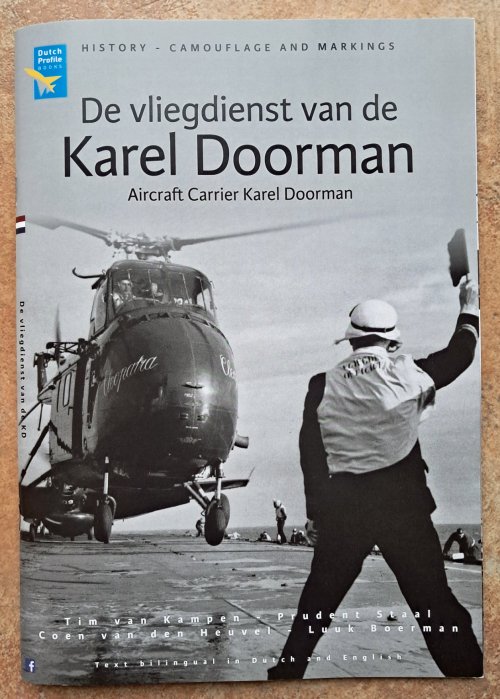
The Karel Doorman interests me for reasons I cannot explain:
https://en.wikipedia.org/wiki/HNLMS_Karel_Doorman_(R81)
I believe that there is a book about her in Dutch, with English. But I would have to go looking for it.
Also, I remember that the Spanish light carrier Dedalo was returned to the US in the 1990s. Maybe that was a condition of the transfer? She sat at a pier rusting for many years, while there was some effort to turn her into a museum. But most museum ship projects fail because of lack of funding. I remember reading an article about her at that time where the writer went aboard with the one guy in charge of maintaining the ship in mothballs. It was a losing effort, as the ship slowly leaked and rusted away.
It would be great to have nice reference books about these different carriers with information on their service lives and lots of photos of operations.
It's been 22 years since the original publication of Cold War Submarines, so I'm crossing my fingers that this book brings something new to the table.

Submarines of the Russian and Soviet Navies : 1946–2026
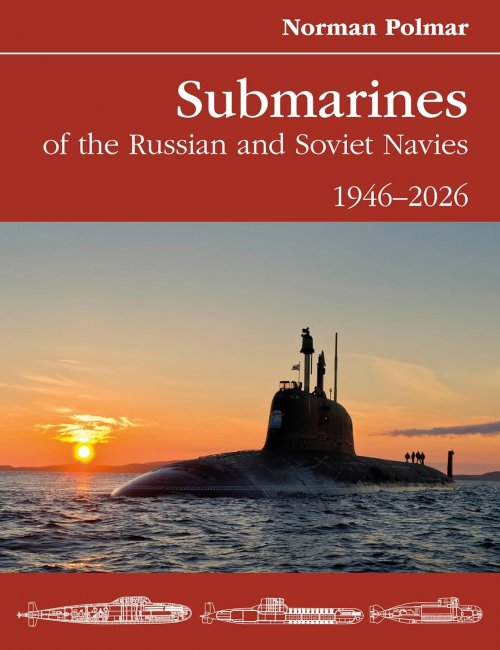
Submarines emerged as a particularly terrifying weapon after WWII, in no small part through the application of nuclear propulsion and the development of shipborne nuclear missiles. The Soviet Union invested huge funding into a world-class submarine program, producing innovative designs in imposing numbers.
Norman Polmar is a best-selling author and recognized authority on the topic. His earlier works on Russian and Soviet subs earned plaudits from high-ranking officers in both the US and Russian navies. This new volume, based on those earlier works, provides readers with the authoritative English-language history of the postwar submarine force of the USSR and Russian Federation. It includes more than 100 photographs and line drawings.
Size: 8.5in x 11.0in | Pages: 240 | 100 b/w photos and line drawings
Binding: Hardback

aam641
One needs a personality to have a personal text!
- Joined
- 26 December 2011
- Messages
- 110
- Reaction score
- 18
Be Afraid of the Dark. The F-15E Strike Eagle Story, Part 1: 1978-2002
https://www.10percenttrue.com/product-page/be-afraid-of-the-dark-part-2-pre-orderThis popped up on my feed on Facebook. Has anybody read it? Is it any good?
- Joined
- 26 September 2008
- Messages
- 2,216
- Reaction score
- 1,541
It's been 22 years since the original publication of Cold War Submarines, so I'm crossing my fingers that this book brings something new to the table.
I do as well. I think Polmar has produced some great stuff over the years. However, I think that any collaboration he had with Russian sources ended a long time ago.
- Joined
- 26 September 2008
- Messages
- 2,216
- Reaction score
- 1,541
The US Naval Institute press currently has a 50% off sale until Christmas. You can get their expensive books, like the Friedman ASW book, for half-price.
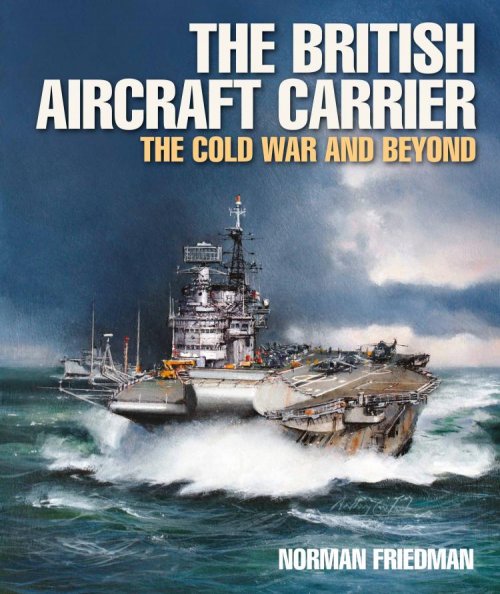
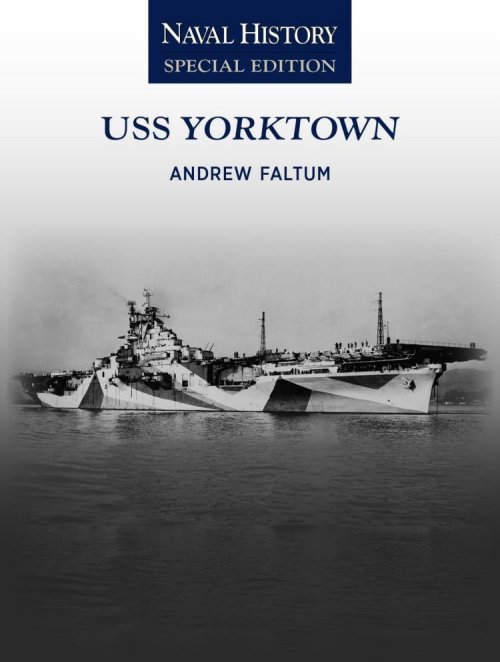
Just an update FYI: as I noted up-thread, USNI Press has extended their 50% off sale until the end of the year. But they are not a smooth-running operation. You'll note that some of the things listed on their website have publication dates that don't make sense, like books that are supposedly available now that have a 2026 publication date. They don't communicate well when they're about to fulfill your order (but they will send you an update). I received half of my order relatively quickly, but no information on about 6 other books that I ordered, including the French, British, and Japanese carriers books I posted above, as well as the Yorktown and F-8 books. I assume that they don't have these in their local warehouse and maybe they're shipping from overseas. The website had wording about ordering by noon Dec 3 (too late now) to ensure a December 25 delivery. But it would be nice if they had sent me an update on when the rest of my books will be sent. So my suggestion is you have to be patient.
Still, they have some interesting publications.
https://www.usni.org/press/books
- Joined
- 29 August 2010
- Messages
- 632
- Reaction score
- 379
@Pasoleati I put it to you your judgement of page layout is purely personal.
To my taste, I find the sans-serif font used in newer Hikoki titles easier on my eyes than most serif fonts - I find those sometimes make for a crowded, 'inky' feel to pages. Reserving page margins for image captions, occasionally spreading images and their captions over the full page width works for me. It feels restful to my eyes.
I have several older serif font Hikoki titles, while the old layout doesn't put me off reading them - they are pleasant enough - I prefer the new layout.
I do need glasses to comfortably read books, ideally a well lit table for the larger books.
YMMV.
I wish they would redo Tim Mason's "The Cold War Years" in the new Hikoki style, to make it consistent with the other Mason books.
So my copy of the French Aircraft Carriers 1910-2000 arrived in the mail today and I had a little bit of time to spend with it. At first glance, it's an extremely solid book on a visual level. Like previous Jordan/Moulin books, the diagrams and maps are very sharp and easy to follow, the layouts aren't excessively crowded, and most of the photographs look to be of excellent quality. There's also quite a few beautiful full-page color photos, and excellent shots of ships under construction, which I wasn't expecting. I noticed quite a few traverse views, plans of lower hull and island decks, profile views of appearance changes and electronic fits over time, and so forth. It seems like Jordan didn't skip on describing unbuilt designs and proposals, some of which receive full page schematics. Rather than the segregated approach used by earlier books in the series, the operational histories of individual ships are including in the chapter describing the class.
Over the next week, I'll actually start to dig into this book and see if it was worth the six year wait since French Armoured Cruisers. If anyone has any questions about the contents of the book, feel free to ask.
Over the next week, I'll actually start to dig into this book and see if it was worth the six year wait since French Armoured Cruisers. If anyone has any questions about the contents of the book, feel free to ask.
- Joined
- 26 September 2008
- Messages
- 2,216
- Reaction score
- 1,541
The Karel Doorman interests me for reasons I cannot explain:
https://en.wikipedia.org/wiki/HNLMS_Karel_Doorman_(R81)
I believe that there is a book about her in Dutch, with English. But I would have to go looking for it.
Also, I remember that the Spanish light carrier Dedalo was returned to the US in the 1990s. Maybe that was a condition of the transfer? She sat at a pier rusting for many years, while there was some effort to turn her into a museum. But most museum ship projects fail because of lack of funding. I remember reading an article about her at that time where the writer went aboard with the one guy in charge of maintaining the ship in mothballs. It was a losing effort, as the ship slowly leaked and rusted away.
It would be great to have nice reference books about these different carriers with information on their service lives and lots of photos of operations.
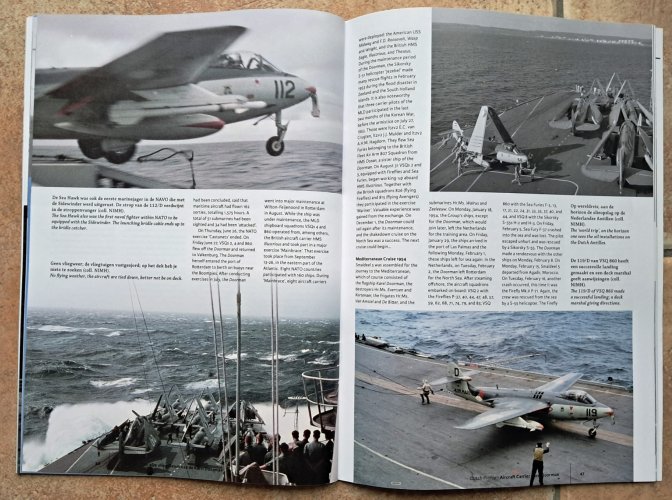
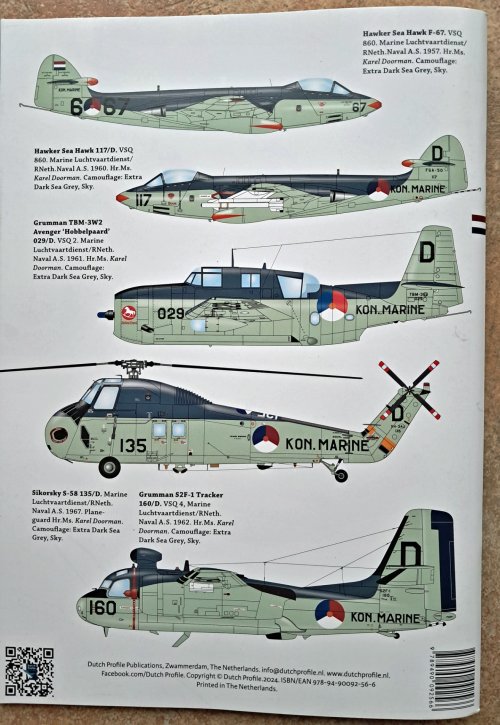
Quoting myself--I found the Karel Doorman book. Don't have a copy. Need to figure out how to get one.
- Joined
- 6 November 2010
- Messages
- 6,351
- Reaction score
- 8,226
Publisher's site lists two US sellers:
https://www.dutchprofile.nl/where-to-get
https://www.dutchprofile.nl/where-to-get
Alternatively:Scott Zuieback 13115 Margate Str. van Nuys CA 91401-6025 USA email: [email protected]
Tunney Flight Line Hobbies 1310 Laurel Hill Drive W. Homestead PA151 20 USA
Order directly is possible. When ordering, just send us an e-mail quoting the items you are interested in and we will get back to you with details concerning availability, p&p etc. Payments can be made through prefer Paypal for persons living outside the Netherlands. Prices are in Euro's and subject to changes, postage & package are not included.
Aviation Megastore also has it in stock.
Similar threads
-
 Martin Model 262 Convoy Fighter: The Naval VTOL Turboprop Project of 1950
- Started by jzichek
- Replies: 20