Alfa_Particle
In Your Atmosphere
- Joined
- 15 April 2024
- Messages
- 68
- Reaction score
- 371
No.https://www.japantimes.co.jp/news/2025/12/07/japan/china-japan-radar-lock-on/
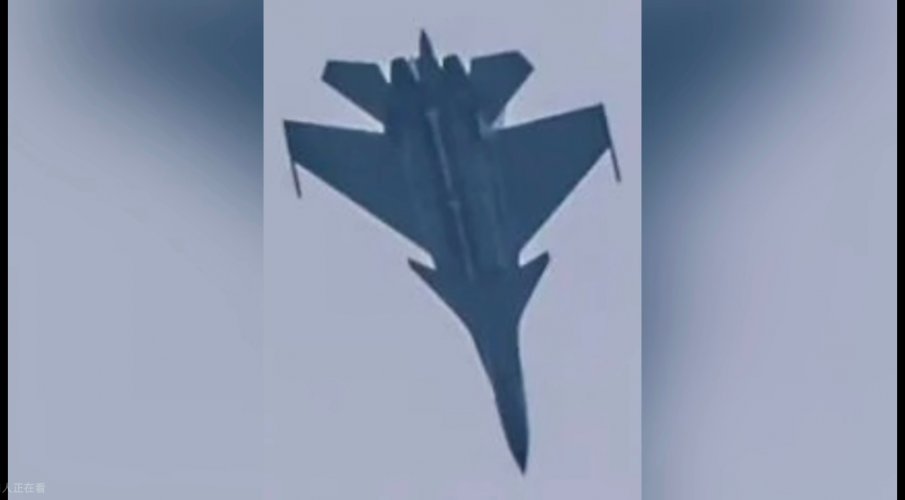
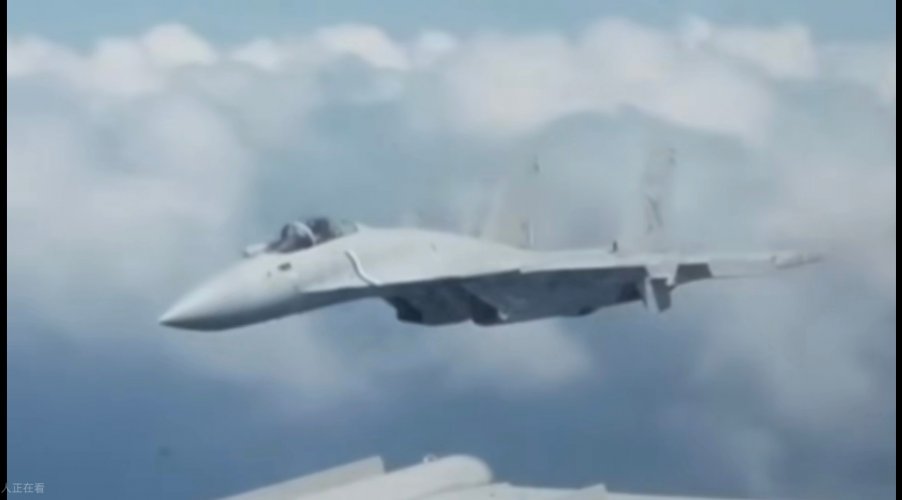
Do the older J-15 have AESA?

No.https://www.japantimes.co.jp/news/2025/12/07/japan/china-japan-radar-lock-on/
Do the older J-15 have AESA?


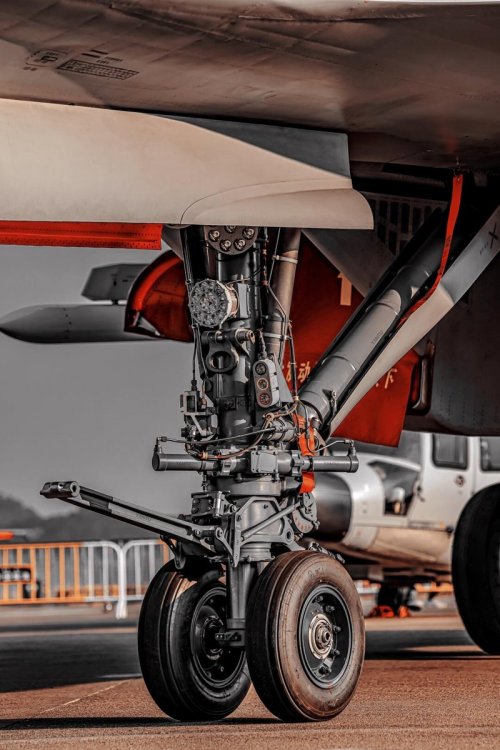
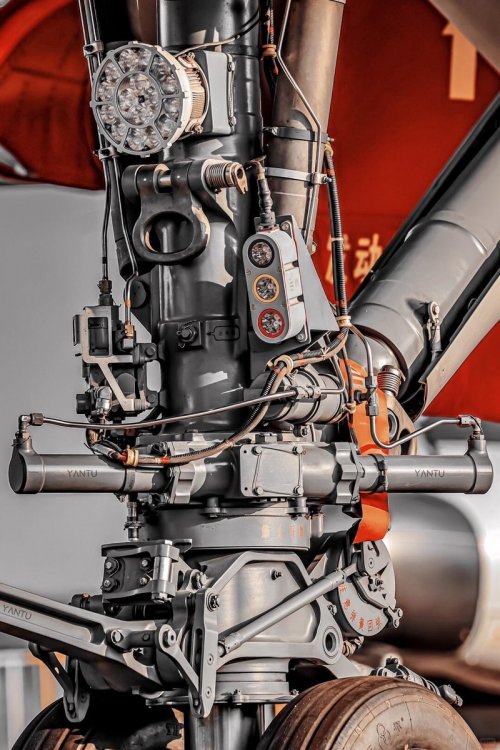
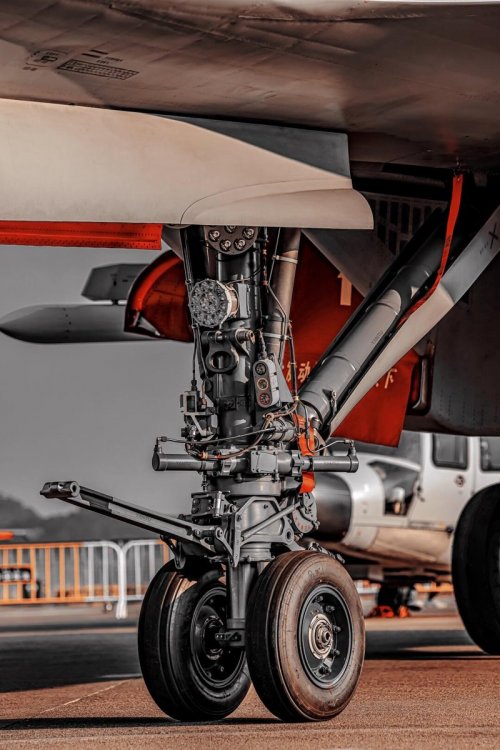
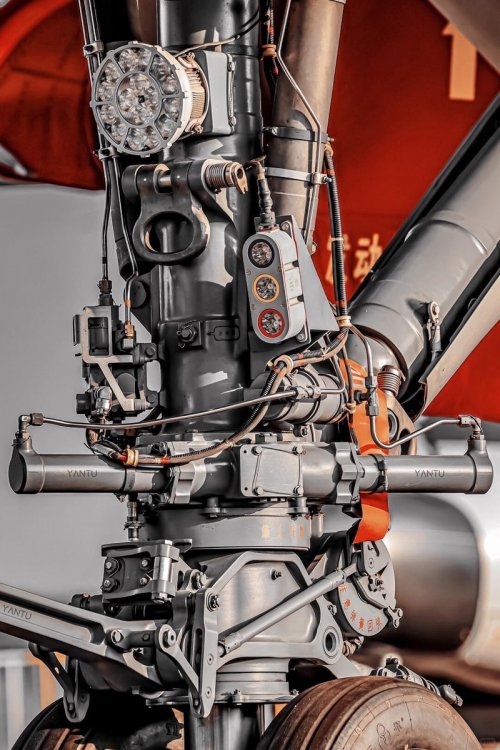
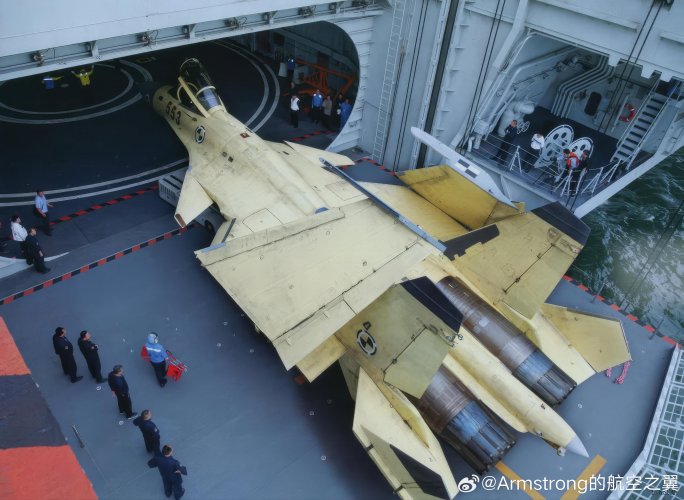
Would be interesting to know the lumen output of this led cluster. What are the three additional lights with color rings?Closeup of the reinforced landing gear for the J-15T carrier based fighter.Having a catapult capable fighter is not just about adding a launch bar on the front landing gear. Many people simplify airplanes while not realizing how complex it actually is.

View: https://x.com/zhao_dashuai/status/1996852040140554488

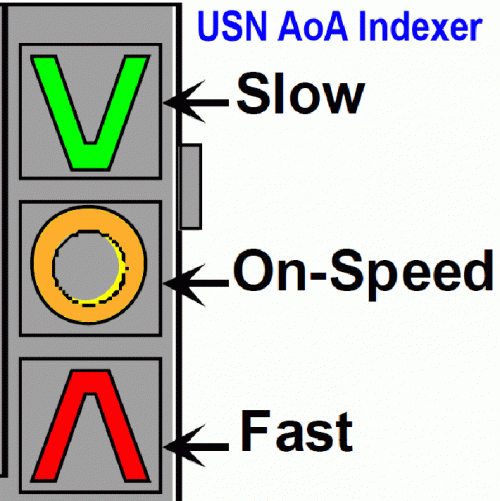
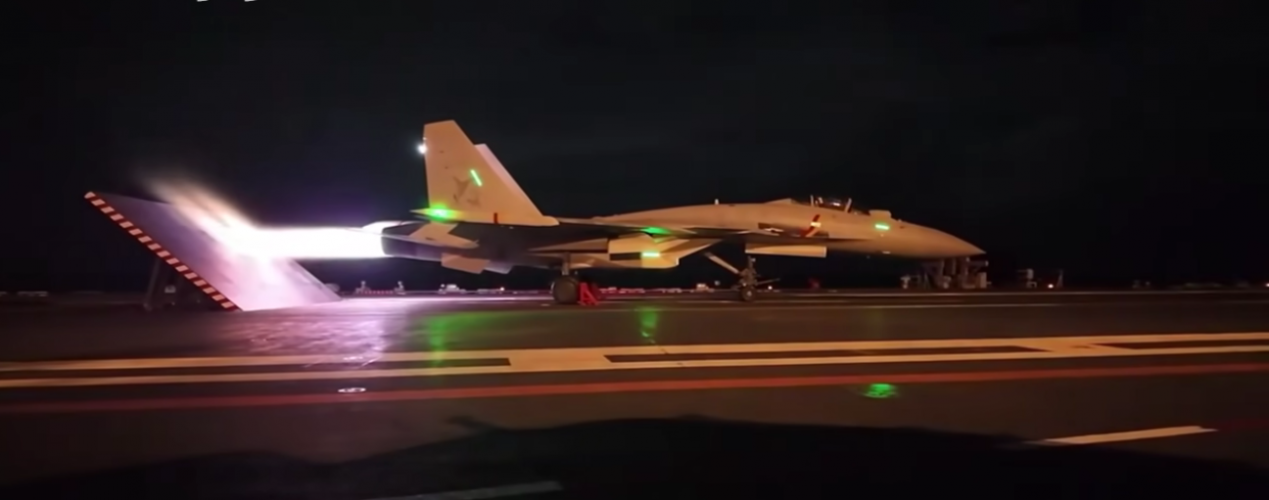
Convey the angle of attack information of the aircraft to the Landing Signal Officer (LSO). You can check the details here:Would be interesting to know the lumen output of this led cluster. What are the three additional lights with color rings?
As far as I know, the Chinese Flankers employ much more composite materials in their construction than their Russia counterparts. Additionally, Chinese electronics, being generally more advanced, are likely to be lighter than their Russian analogues.I heard that J-15T empty weight is 17.5 tons, whereas Su-33 empty weight is 18.4 tons and Su-35S empty weight is 19.3 tons. Can someone tell me why J-15T is so light comparatively?
Probably shaved off at least 500 kilos by not having a twist cassegrain antenna in the nose.I heard that J-15T empty weight is 17.5 tons, whereas Su-33 empty weight is 18.4 tons and Su-35S empty weight is 19.3 tons. Can someone tell me why J-15T is so light comparatively?
The AESA probably very heavy though. The weight of the whole radar set on su-33 nose were 450 kg as far as I can rememberProbably shaved off at least 500 kilos by not having a twist cassegrain antenna in the nose.
There is no precedent for a Chinese aircraft being lighter than its Russian counterpart.As far as I know, the Chinese Flankers employ much more composite materials in their construction than their Russia counterparts. Additionally, Chinese electronics, being generally more advanced, are likely to be lighter than their Russian analogues.
It does not. That was the whole point, to stick to well understood materials and do other things.Furthermore, the Su-35 not only utilizes composite materials extensively

There is no precedent for a Chinese aircraft being lighter than its Russian counterpart.

I'm betting on a self-hating Chinese using a VPN. Not exactly keen to find out though, good riddance.we will never know the answer as mwefc is banned. Sad. Yet another Japan located pro-Russia, anti-China poster or a returning previously banned idiot, you decide.

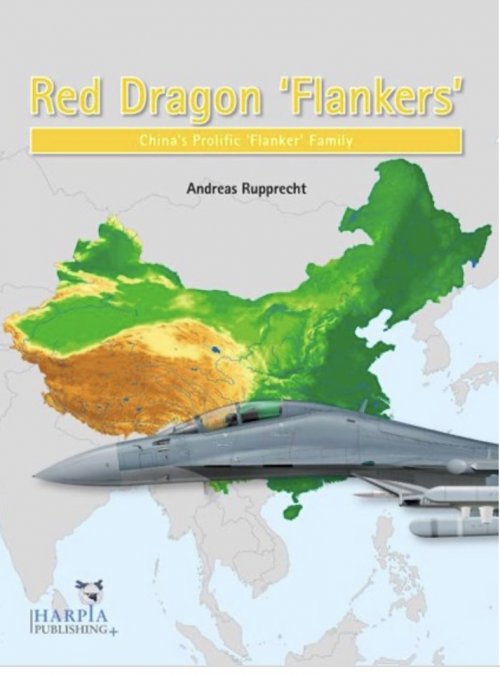
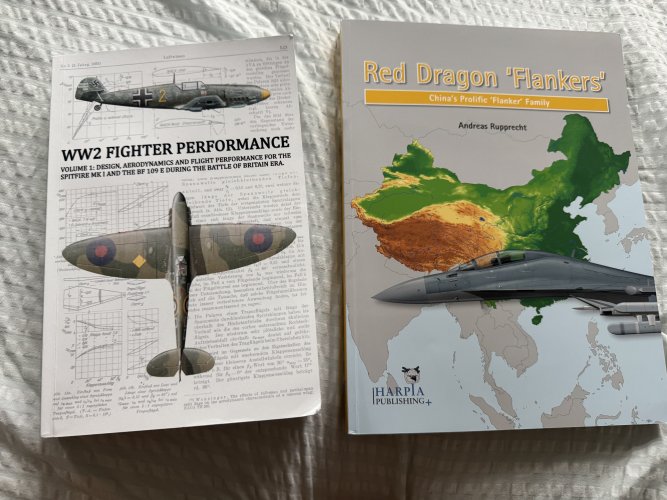
The author of this book has probably been observing the PLA for decades, and I believe you can find a lot of interesting stuff in his book.I'm sure this book is worth it.Hey have anyone bought this book? Is it any good?. I’m intended to buy it but not sure if it worth the price
(Other suggestion also welcomed)
Hey have anyone bought this book? Is it any good?. I’m intended to buy it but not sure if it worth the price
(Other suggestion also welcomed)
View attachment 815768
The e book is soly for the J-15T right?,therefore I plan to release an updated one exclusively as an e-book.
For the reviews please take a look at:
https://www.harpia-publishing.com/hapbook/review/371
The e book is soly for the J-15T right?,
Just got the book hahaThat's not yet decided. It could either be a complete "Red Dragon Flankers 2.0" or separate volumes on the Su-27SK/UBK - J-11-series, the J-15 and the J-16. But at the moment I have other priorities.
Just got the book haha
I unfortunately haven’t got time to read it yet, but first impression is that it seem to be quite details.How about a short review or at least your impression, always with criticism?

Amusingly, they noted:Chinese J-15 Fighter Seen Launching From A Carrier With Four Anti-Ship Missiles For First Time
https://www.twz.com/sea/chinese-j-1...r-with-four-anti-ship-missiles-for-first-time
Also significant is the fact that the J-15T has started to introduce domestically produced WS-10H turbofans in place of the Russian-made AL-31F engines previously found on production J-15s.

Not a base J-15 either, as this one has the canted radome, so a J-15TThey said this is a J15 equipped with PL-15 and an improved version of PL-10.
PL-16?, obviously not PL-17 since PL-17 is much longerView attachment 819236
Guess what model of missile is hanging below.No matter how you look at it, it doesn't really look like pl15.
View attachment 819236
Guess what model of missile is hanging below.No matter how you look at it, it doesn't really look like pl15.

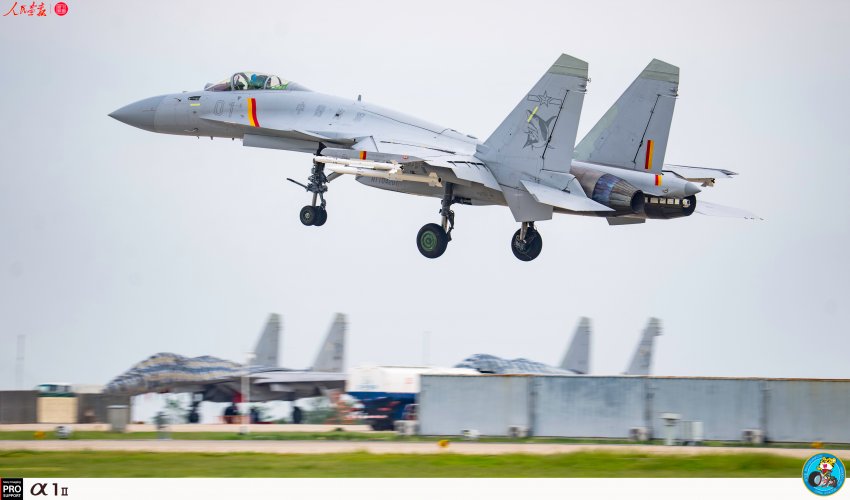
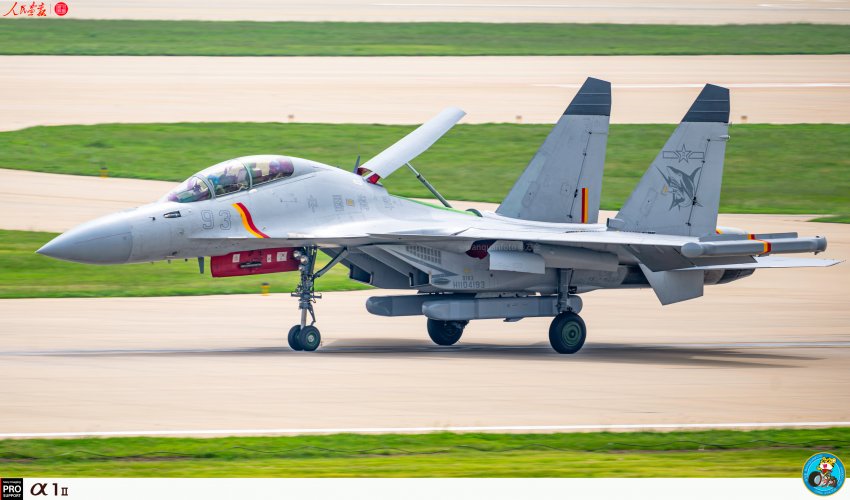
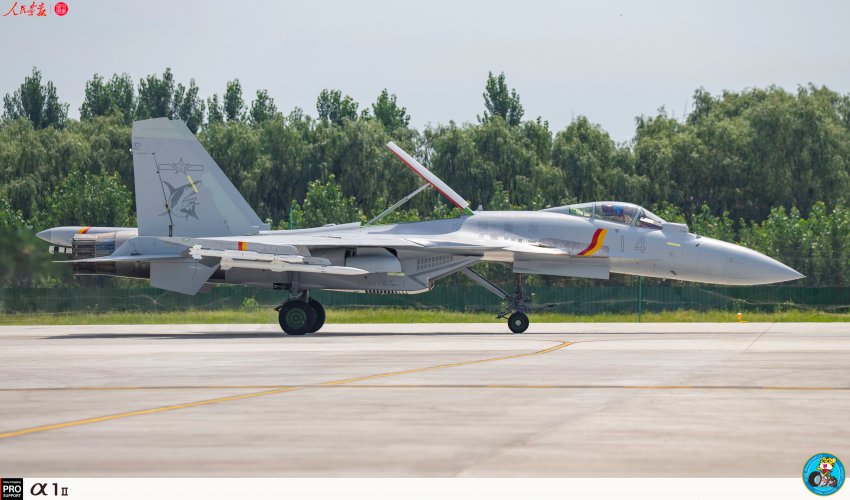
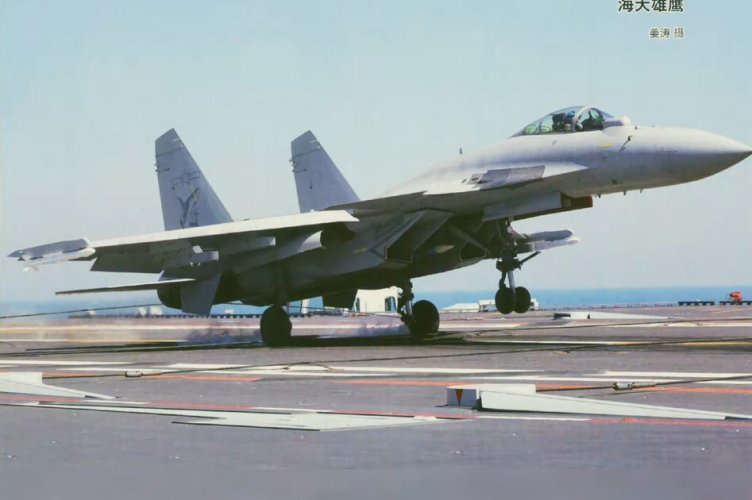
ACuriousPLAFan/SDF: A J-15T with #50 at a PLANAF base located in the NTC. Posted by @齐天的孙猴子 on Weibo.