- Joined
- 27 December 2005
- Messages
- 19,230
- Reaction score
- 35,695
SAT (infrared activity)
We indicated above that, during the first period, the bases of infrared detection, in particular the laws of atmospheric transmission, had been explained. Infrared technology (detector cells, filters, grid for determining the deviation) relating to the first spectral band had been developed and had enabled Turck to produce initial equipment: prototype goniometer for the SS 11 and homing device for the R 511 (not mass-produced).
During the second period, the study areas and equipment developed were infrared components and measurement of aircraft radiation, homing devices for Matra air-to-air missiles in band 2 [3-5 microns], goniometers for the firing stations of Nord-Aviation guided missiles, in band 1 [1.8-3 microns], and the single-line infrared analyzer for aircraft or reconnaissance missiles. We will discuss them successively.
In 1958, the STAé/ES directed studies towards the development of spectral band 2 technology. The objective was to produce an IR seeker detecting in this band for the equipment of the Matra R 530, which was to be launched in development in September 1958. The operational interest was considerable, since this band allowed for “all-sector” detection of aircraft, unlike band 1, which limited detection to the rear area of aircraft. It was a gamble, because the American Sidewinder 9 B missile, revealed in 1957, used band 1; it was only from 1978 that the 9 L version was operational in band 2.
The SAT succeeded in this difficult gamble in a record time of two years. The technology was complex: InSb detector cell (binary compound of indium antimonide with photovoltaic effect); cooler at the operating temperature of the cell, i.e. 77° K (by liquid nitrogen tank), produced in cooperation with the Air Liquide company; hemispherical-shaped irdome made of resistant and transparent material (lead germanate), designed in cooperation with Paramontois (later Sovirel). On the other hand, from 1957 to 1962, the STAé had the CEV carry out a major program of ground and in-flight measurements of the radiation from the jet of the reactors. For the measurement of the spectra, suitable spectroscopes were necessary; they were produced by the SAT according to the indications provided by Professor Barchewitz.
All these studies of infrared components and these measurements of the radiation were financed by the STAé/ES, until 1970, by annual contracts under general studies. The support of the STAé was constant.
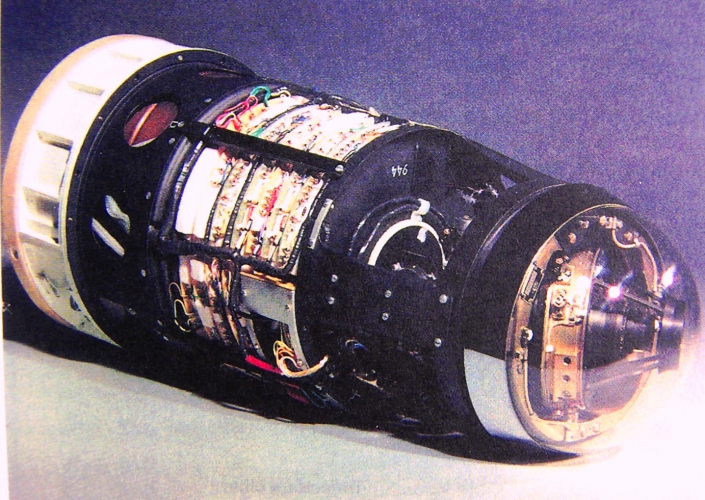
The homing devices (AD) for the Matra air-to-air missiles in band 2 concerned the R 530 and the Magic 1 and 2.
The one for the R 530 was a modern homing device adapted to proportional navigation (see Appendix No. 3). With its spectral band, it allowed firing "all sectors" day and night, except in a cone of ± 5° relative to the direction of the sun; the gyroscopic head was made by SAGEM. The electronics initially included miniaturized tubes; it was transistorized in 1961.
The schedule was as follows:
- first firing of the missile (without charge) in September 1961, with a CT 20 target, destroyed by a very spectacular impact;
- during development and evaluation, numerous firings with impact took place;
- in mid-1964, start of series delivery: approximately 800 units were produced.
The progress since 1957 was considerable.
Liquid nitrogen production facilities were installed by Air Liquide on air bases; they used existing facilities for oxygen. The only defect that appeared for the AD was the filling of its nitrogen canister: it was a simple operation, but not always appreciated by the track mechanics.
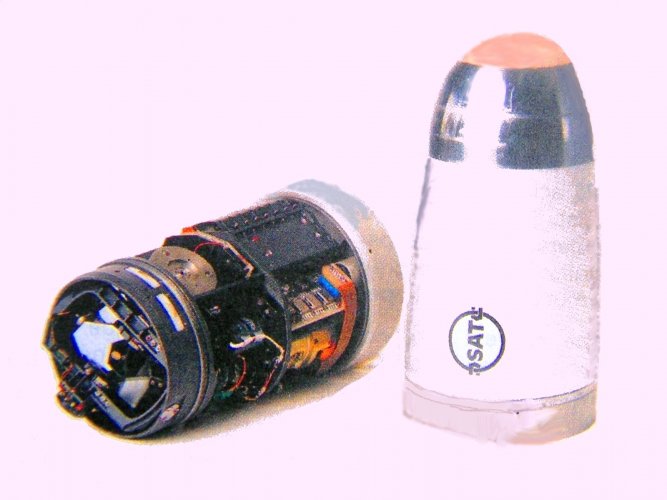
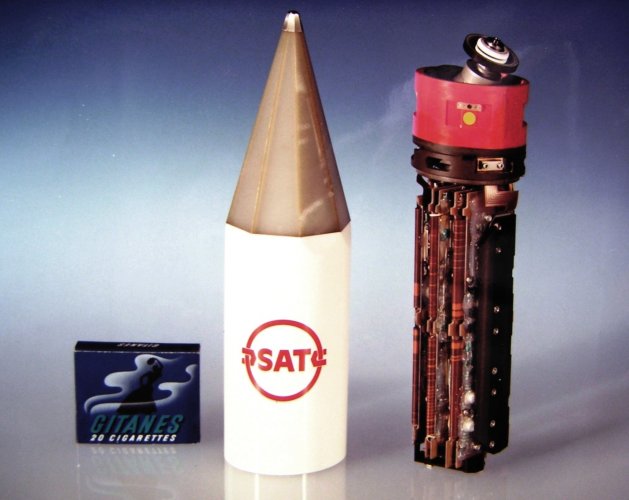
The Magic 1 is the first combat missile with only an infrared AD; the Magic 2 is the more efficient version, especially for the AD. Compared to the R 530, the Magic 1's homing system was more modern and lighter (10 kg with the gyroscope for stabilization, instead of 20 kg). In particular, the liquid nitrogen tank was replaced by a Joule-Thomson cooler using the expansion of dry nitrogen under pressure (400 bars), stored in a bottle installed in the missile launcher (British design for the cooler); this solution was deemed operationally satisfactory.
The Magic 2's AD differed from the Magic 1 primarily in the use of a multi-element detector, which allowed the range to be increased. The “single cell and modulator” solution was dead: it was a first step towards the solution of the 1980s strip. The electronics were modernized: 1980 technology and improved anti-decoy control. For the irdome, a new material (sintered magnesium fluoride), more resistant to erosion when passing through clouds, was adopted; it was produced by the ceramicist, the Desmarquet company. The developments took place, respectively, for Magic1 and 2, from 1969 to 1975 and from 1978 to 1986. 12,000 seekers were produced.
Translated from https://eurosae.com/wp-content/uploads/2025/05/R_Carpentier_Missiles_tactiques.pdf
We indicated above that, during the first period, the bases of infrared detection, in particular the laws of atmospheric transmission, had been explained. Infrared technology (detector cells, filters, grid for determining the deviation) relating to the first spectral band had been developed and had enabled Turck to produce initial equipment: prototype goniometer for the SS 11 and homing device for the R 511 (not mass-produced).
During the second period, the study areas and equipment developed were infrared components and measurement of aircraft radiation, homing devices for Matra air-to-air missiles in band 2 [3-5 microns], goniometers for the firing stations of Nord-Aviation guided missiles, in band 1 [1.8-3 microns], and the single-line infrared analyzer for aircraft or reconnaissance missiles. We will discuss them successively.
In 1958, the STAé/ES directed studies towards the development of spectral band 2 technology. The objective was to produce an IR seeker detecting in this band for the equipment of the Matra R 530, which was to be launched in development in September 1958. The operational interest was considerable, since this band allowed for “all-sector” detection of aircraft, unlike band 1, which limited detection to the rear area of aircraft. It was a gamble, because the American Sidewinder 9 B missile, revealed in 1957, used band 1; it was only from 1978 that the 9 L version was operational in band 2.
The SAT succeeded in this difficult gamble in a record time of two years. The technology was complex: InSb detector cell (binary compound of indium antimonide with photovoltaic effect); cooler at the operating temperature of the cell, i.e. 77° K (by liquid nitrogen tank), produced in cooperation with the Air Liquide company; hemispherical-shaped irdome made of resistant and transparent material (lead germanate), designed in cooperation with Paramontois (later Sovirel). On the other hand, from 1957 to 1962, the STAé had the CEV carry out a major program of ground and in-flight measurements of the radiation from the jet of the reactors. For the measurement of the spectra, suitable spectroscopes were necessary; they were produced by the SAT according to the indications provided by Professor Barchewitz.
All these studies of infrared components and these measurements of the radiation were financed by the STAé/ES, until 1970, by annual contracts under general studies. The support of the STAé was constant.
The homing devices (AD) for the Matra air-to-air missiles in band 2 concerned the R 530 and the Magic 1 and 2.
The one for the R 530 was a modern homing device adapted to proportional navigation (see Appendix No. 3). With its spectral band, it allowed firing "all sectors" day and night, except in a cone of ± 5° relative to the direction of the sun; the gyroscopic head was made by SAGEM. The electronics initially included miniaturized tubes; it was transistorized in 1961.
The schedule was as follows:
- first firing of the missile (without charge) in September 1961, with a CT 20 target, destroyed by a very spectacular impact;
- during development and evaluation, numerous firings with impact took place;
- in mid-1964, start of series delivery: approximately 800 units were produced.
The progress since 1957 was considerable.
Liquid nitrogen production facilities were installed by Air Liquide on air bases; they used existing facilities for oxygen. The only defect that appeared for the AD was the filling of its nitrogen canister: it was a simple operation, but not always appreciated by the track mechanics.
The Magic 1 is the first combat missile with only an infrared AD; the Magic 2 is the more efficient version, especially for the AD. Compared to the R 530, the Magic 1's homing system was more modern and lighter (10 kg with the gyroscope for stabilization, instead of 20 kg). In particular, the liquid nitrogen tank was replaced by a Joule-Thomson cooler using the expansion of dry nitrogen under pressure (400 bars), stored in a bottle installed in the missile launcher (British design for the cooler); this solution was deemed operationally satisfactory.
The Magic 2's AD differed from the Magic 1 primarily in the use of a multi-element detector, which allowed the range to be increased. The “single cell and modulator” solution was dead: it was a first step towards the solution of the 1980s strip. The electronics were modernized: 1980 technology and improved anti-decoy control. For the irdome, a new material (sintered magnesium fluoride), more resistant to erosion when passing through clouds, was adopted; it was produced by the ceramicist, the Desmarquet company. The developments took place, respectively, for Magic1 and 2, from 1969 to 1975 and from 1978 to 1986. 12,000 seekers were produced.
Translated from https://eurosae.com/wp-content/uploads/2025/05/R_Carpentier_Missiles_tactiques.pdf
Last edited: