
You are using an out of date browser. It may not display this or other websites correctly.
You should upgrade or use an alternative browser.
You should upgrade or use an alternative browser.
Richard-Penhoët Aircraft and Projects
- Thread starter c460
- Start date

- Joined
- 26 May 2006
- Messages
- 38,285
- Reaction score
- 20,424
Hi,
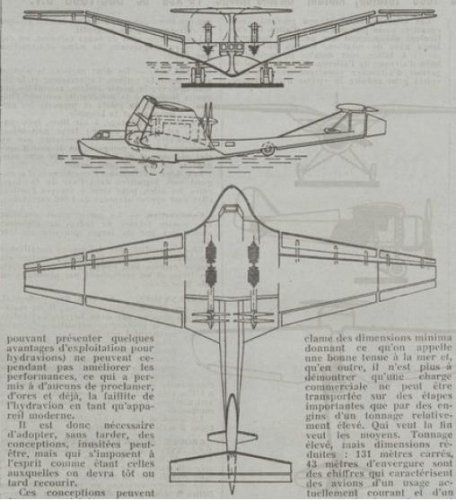
Mr. Paul Aime Richard was a French designer,which created Richard-Penhoët 2
flying boat in France,he went to Russian and designed the TOM-1,a torpedo
carrier seaplane,he also invented a four-engined transatlantic amphibian
aircraft project when he came back to France in the year 1931,and this aircraft
was in 1934,a very weird concept with a V-wing shape;
http://gallica.bnf.fr/ark:/12148/bpt6k65760377/f4.image
Mr. Paul Aime Richard was a French designer,which created Richard-Penhoët 2
flying boat in France,he went to Russian and designed the TOM-1,a torpedo
carrier seaplane,he also invented a four-engined transatlantic amphibian
aircraft project when he came back to France in the year 1931,and this aircraft
was in 1934,a very weird concept with a V-wing shape;
http://gallica.bnf.fr/ark:/12148/bpt6k65760377/f4.image
Attachments
- Joined
- 26 May 2006
- Messages
- 38,285
- Reaction score
- 20,424
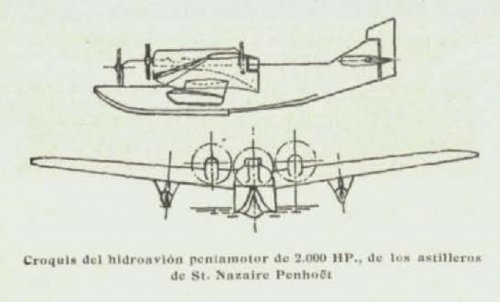
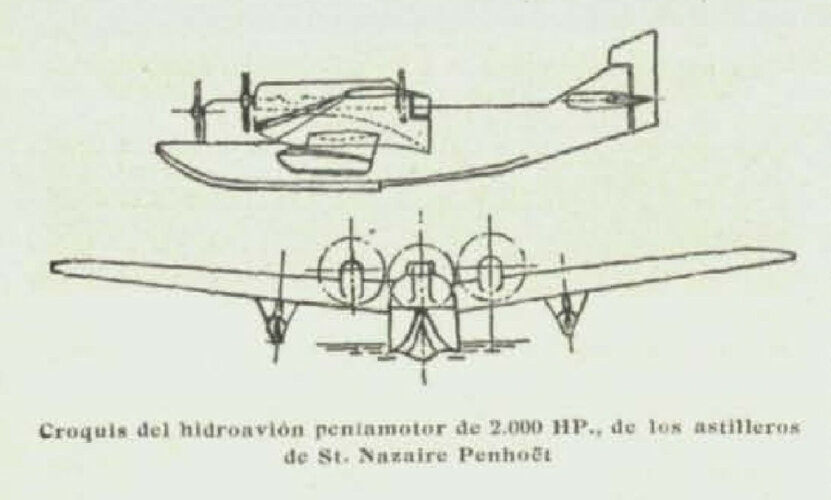
c460 said:Drawing of the Richard-Penhoët 2, from the Spanish magazine Aérea, April 1924.
Great find my dear C460,and that drawing differed from the aircraft actually built.

- Joined
- 26 May 2006
- Messages
- 38,285
- Reaction score
- 20,424
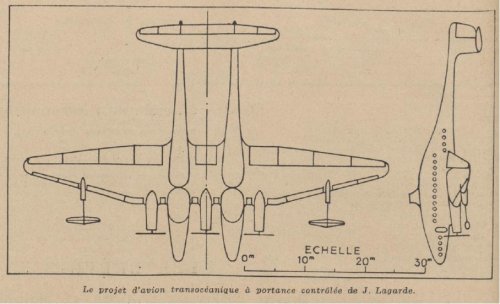
Alcides said:Fantastic plane!! I'd like to hear why that "surfaces" in front of the wing. Really looks interesting.
Thanks hesham
.............................................................
Those "surfaces" look like Handley-Page" slats. Moveable slats help maintain smooth airflow over the top of he wing at big angles of attack. Slats can greatly improve STOL performance but create lots of drag at higher cruise speeds, so probably not practical for a long-range airliner.
For extreme examples of leading edge slats look at competitors in the Valdez, Alaska short-landing contests.

- Joined
- 19 October 2012
- Messages
- 2,071
- Reaction score
- 2,206
Always interesting to see concepts and projects like this one. Aviation and popular science magazines, especially from the 1930s, seemed to be full of visions for giant trans-Atlantic flying boats, some by reputable aircraft designers but most by dreamers. For some reason this class of aircraft acted as a magnet to them. In the real world, however, there was little interest and the (very) few that were actually built either failed to sell or proved to be commercial failures. So it goes.
- Joined
- 26 May 2006
- Messages
- 38,285
- Reaction score
- 20,424
Schneiderman said:Always interesting to see concepts and projects like this one. Aviation and popular science magazines, especially from the 1930s, seemed to be full of visions for giant trans-Atlantic flying boats, some by reputable aircraft designers but most by dreamers. For some reason this class of aircraft acted as a magnet to them. In the real world, however, there was little interest and the (very) few that were actually built either failed to sell or proved to be commercial failures. So it goes.
But that was a real Project,mentioned in TU magazine.
- Joined
- 19 October 2012
- Messages
- 2,071
- Reaction score
- 2,206
No Hesham neither of these are real, they are just rough design concepts. Richard had no capability to build such an aircraft. Just because it was in a magazine does no make it a project; a detailed design that was seriously considered to be built.
- Joined
- 19 October 2012
- Messages
- 2,071
- Reaction score
- 2,206
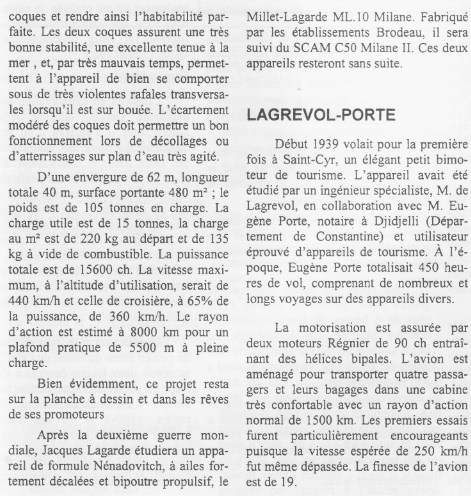
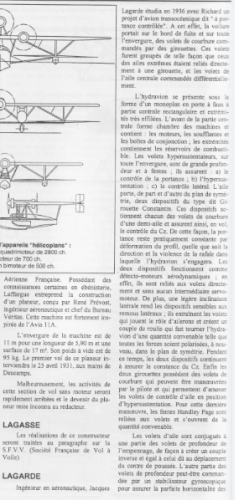
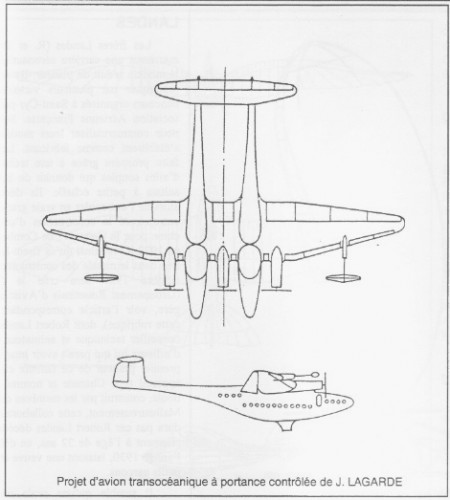
hesham said:By the way,
there is also a design to Paul Aime Richard with Mr. Lagarde,a 30 to twin hull transatlantic
flying boat of 1936.
Unfortunately the images you posted are too low resolution to read. However the original (Aerophile, Feb 1944) can be found here http://gallica.bnf.fr/ark:/12148/bpt6k65537783/f8.image.r=
A rough translation of the text indicates that the vanes ahead of the wing are connected to the ailerons and are a form of automatic gust alleviation.
- Joined
- 19 October 2012
- Messages
- 2,071
- Reaction score
- 2,206
Actually you did not provide the link.
I disagree, there is a huge gulf between reality and fiction. The majority of concept designs include features that went way beyond the technology of the era and many were clearly flawed
I disagree, there is a huge gulf between reality and fiction. The majority of concept designs include features that went way beyond the technology of the era and many were clearly flawed
- Joined
- 26 May 2006
- Messages
- 38,285
- Reaction score
- 20,424
hesham said:But that was a real Project,mentioned in TU magazine.
Fron TU 217.
Attachments
- Joined
- 19 October 2012
- Messages
- 2,071
- Reaction score
- 2,206
Yes, just a concept, a design study to showcase their idea for the auxiliary control surfaces.
- Joined
- 26 May 2006
- Messages
- 38,285
- Reaction score
- 20,424
Hi,
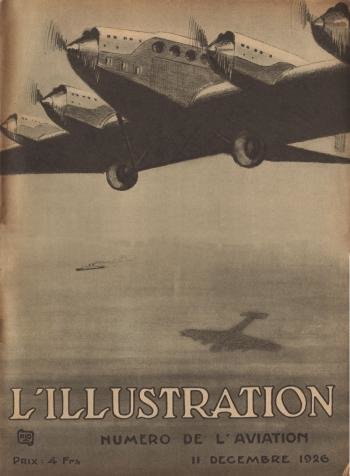
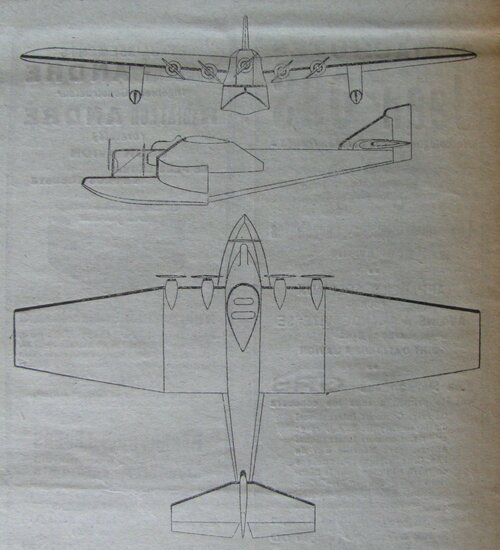
I can't remember or recognize this five engined transport aircraft of 1926,who can help ?.
http://aviatechno.net/bib/images.php?image=11
I can't remember or recognize this five engined transport aircraft of 1926,who can help ?.
http://aviatechno.net/bib/images.php?image=11
Attachments

- Joined
- 26 May 2006
- Messages
- 38,285
- Reaction score
- 20,424
It's a drawing, not a photo. So it can be any artist's impression of whatever.
Of course I know that my dear Dan,I asked about the airplane itself;
maybe I can solve this mystery,as I think it was a Richard-Penhoët,as we know Mr. Paul Aime Richard,which worked in USSR and France,I spoke about him before,and he was French,began work for Les Chantiers de Penhoët in 1923,he began to design Richard-1,it was a three engined seaplane of 1920,
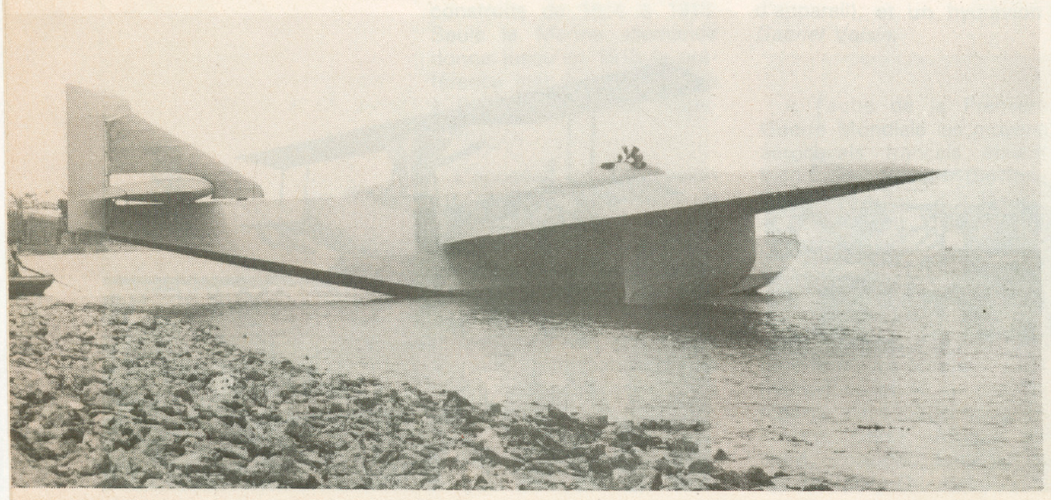
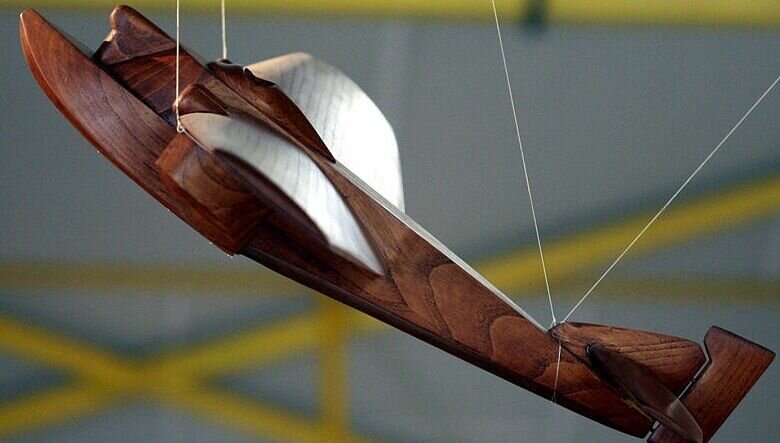
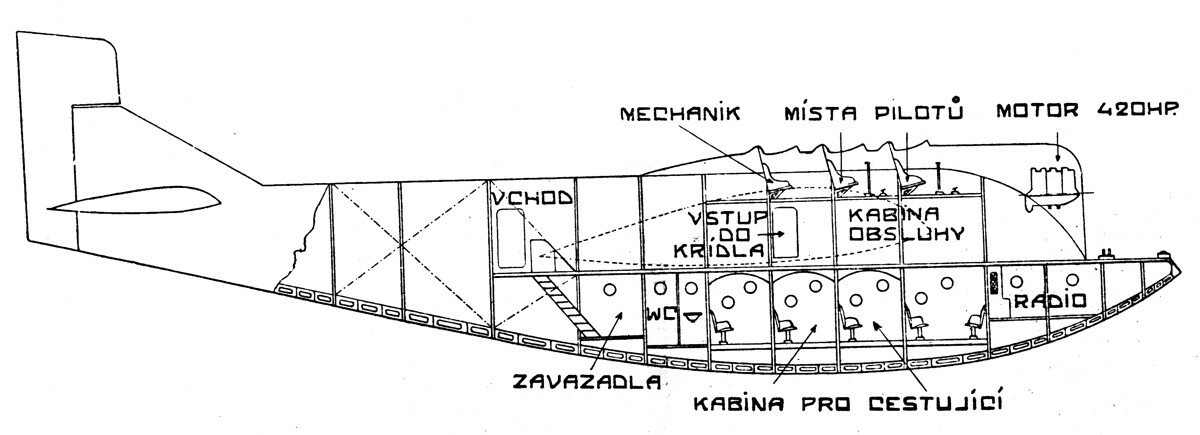
maybe remained a Project only,he followed by a Richard-Penhoët-2 (for the manufacturer it was called Penhoët Type-I),it was a five engined shoulder wing seaplane flying boat monoplane of 1926,and it's a well known aircraft.
The Penhoët Type-II was a large transport airplane,for South Atlantic,had to have mass take-off of 45 tonnes,an area 600 m2 ,a total power of 5600 hp, a speed of 220 km/h, 20 tonnes payload and 3,500 km of range,the Penhoët Type-III was a giant transport airplane,for North Atlantic would have reached 100 tonnes, 8,000 km of range and a capacity of 100 passengers,they never went behind a studied Projects of 1926
https://www.secretprojects.co.uk/th...ypes-projects-his-activities-in-russia.25518/
https://ntrs.nasa.gov/archive/nasa/casi.ntrs.nasa.gov/19930090572.pdf
Last edited:

avion ancien
The accidental peasant!
- Joined
- 6 March 2013
- Messages
- 393
- Reaction score
- 305
Wouldn't the simplest solution be to consult the relevant issue of L'Illustration and see what the contents page says (if anything) regarding the cover picture?
- Joined
- 26 May 2006
- Messages
- 38,285
- Reaction score
- 20,424
From, Cols Bleus 1975/8.
https://www.ebay.com/itm/181900430123
https://www.bejvavalo.cz/clanky.php?detail=99
https://www.ebay.com/itm/181900430123
https://www.bejvavalo.cz/clanky.php?detail=99
Attachments

- Joined
- 25 June 2009
- Messages
- 15,515
- Reaction score
- 9,447
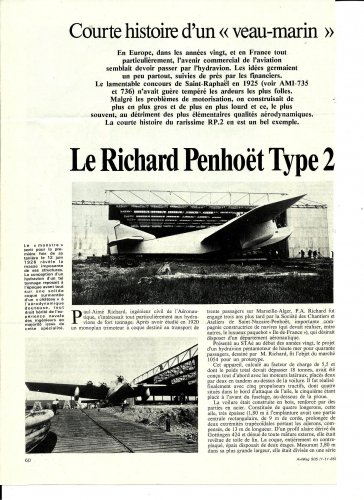
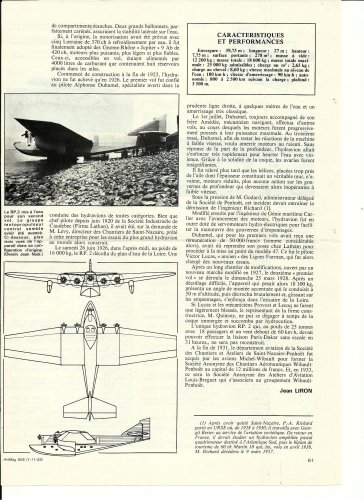
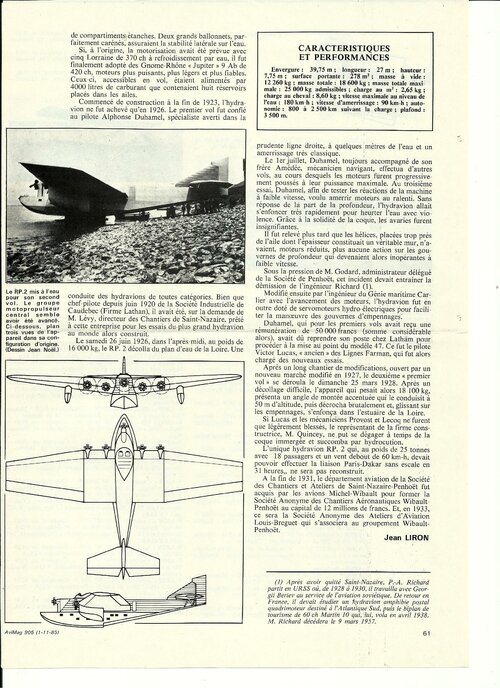
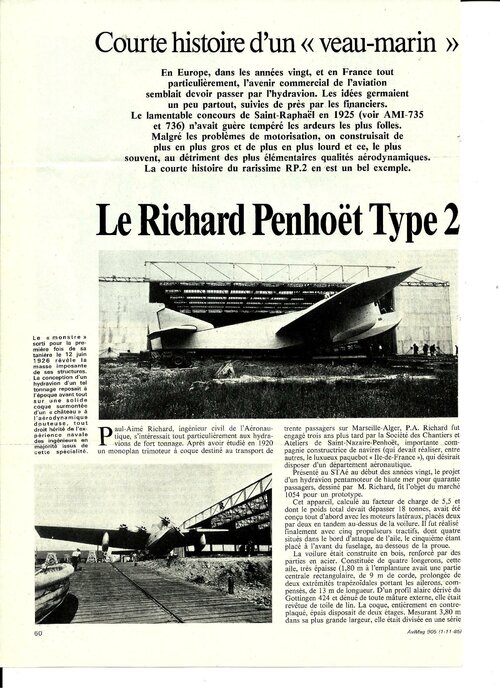
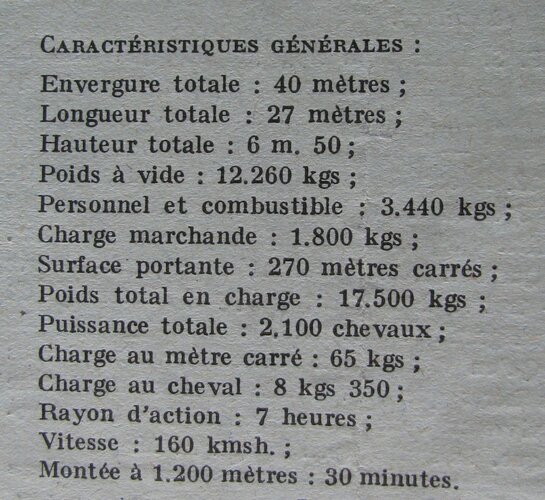
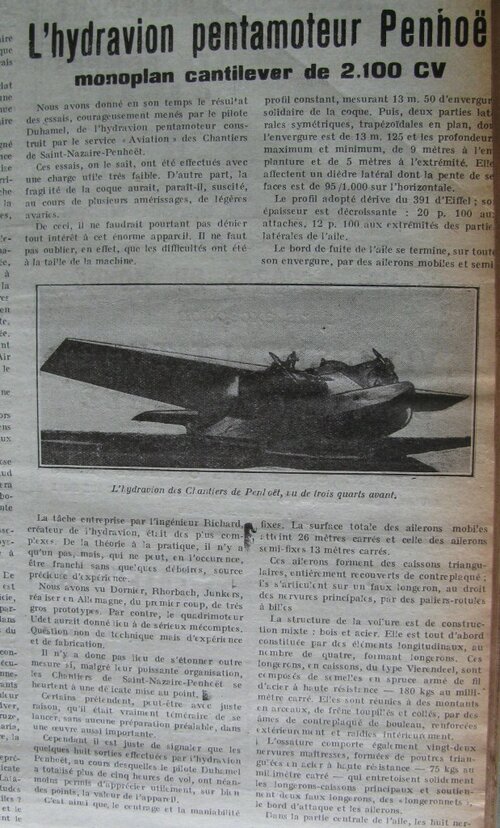
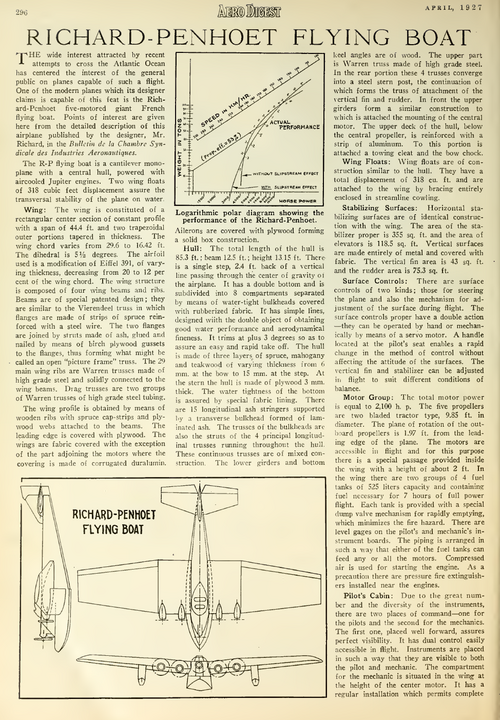
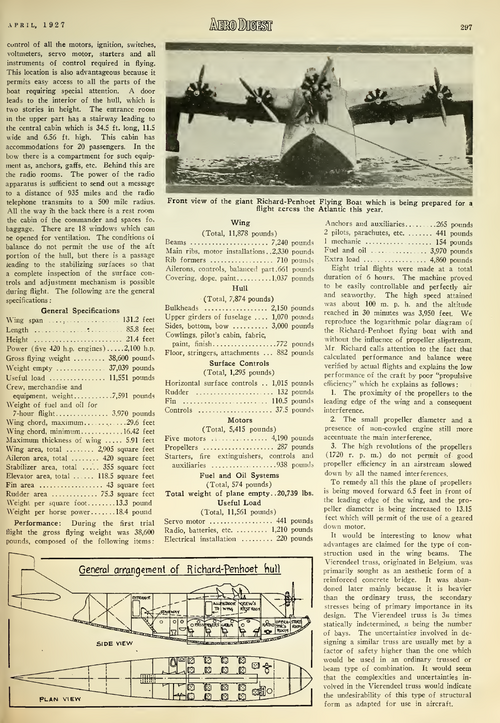
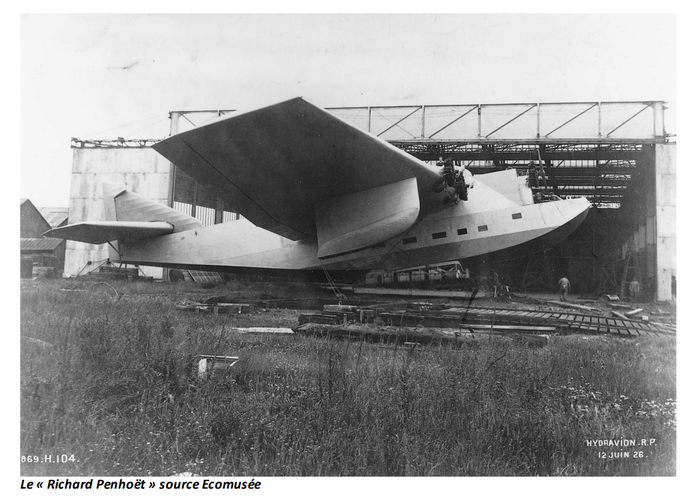
Richard-Penhoët Type 2. This five-engine type was built by the Aviation branch of the Saint-Nazaire-Penhoët Naval Works.
Attachments
- Joined
- 26 May 2006
- Messages
- 38,285
- Reaction score
- 20,424
Attachments
- Joined
- 15 February 2024
- Messages
- 691
- Reaction score
- 1,875
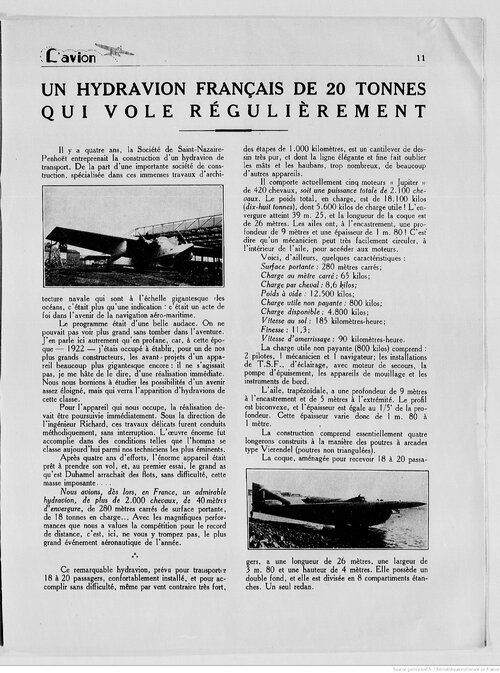
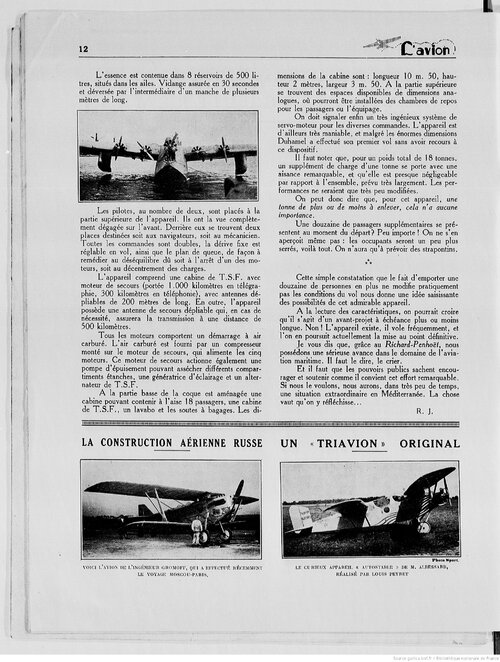
A NACA synthesis document about Richard Penhoët RP-2 and a French article.
A more detailed history was recently published by Gérard Bousquet in Le Fana de l'Aviation Magazine.
A more detailed history was recently published by Gérard Bousquet in Le Fana de l'Aviation Magazine.
Attachments
Last edited:
- Joined
- 26 May 2006
- Messages
- 38,285
- Reaction score
- 20,424
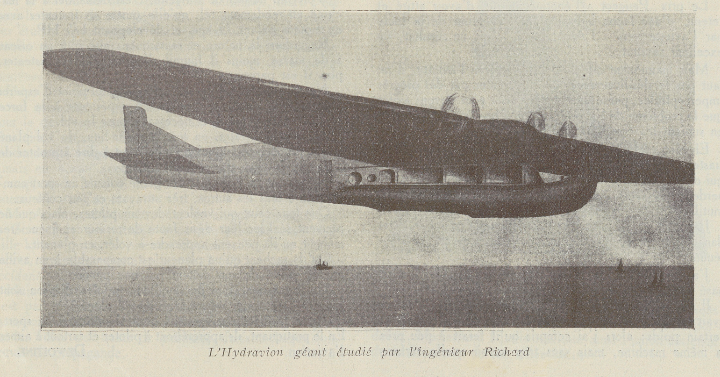
he began to design Richard-1,it was a three engined seaplane of 1920,
maybe remained a Project only
I think that,it was it.
L'Air 1921.
Attachments
Similar threads
-
-

-
-
 Richard Keller Tailless & Conventional Aircraft Projects
- Started by hesham
- Replies: 9
-
P.A. Richard Prototypes & Projects,His Activities in Russia
- Started by hesham
- Replies: 5