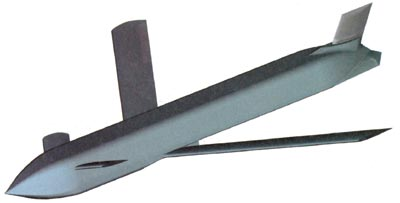
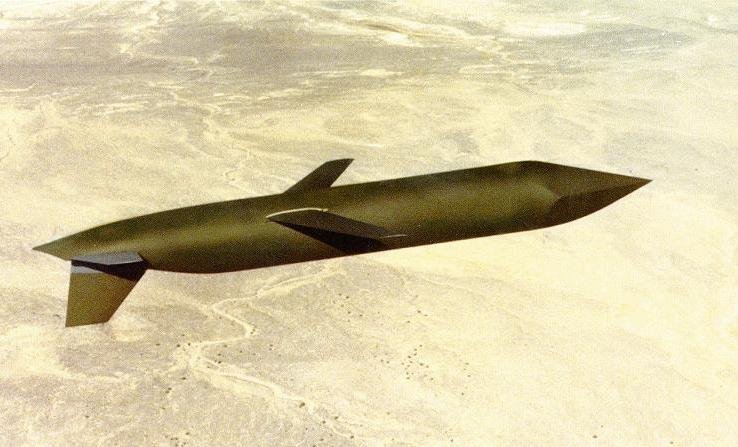
Raytheon AGM-181 Long Range Stand Off Weapon (LRSO)

Makes me wonder why they didn't just go with a stretched JASSM.
 
Makes me wonder why they didn't just go with a stretched JASSM.

Worth noting that LM basically withdrew from the LRSO competition choosing that route instead of competing through to the end / down selection. Could be that they ran into technical challenges / costs that would have taken too much to overcome or simply that it was not worth the squeeze for them financially though the latter would be highly unlikely as award to Raytheon stood up a second modern cruise missile production line in the country that could compete with LM's future offerings in the conventional munition space..
 
Defense Updates and Sandboxx have put out videos concerning this bit of news:


The U.S. Air Force has revealed the first glimpse of the AGM-181A Long-Range Standoff (LRSO) missile. The missile is in development for several years.The LRSO is being designed to replace the aging AGM-86B Air Launched Cruise Missile (ALCM) which is currently the only nuclear-armed cruise missile in the U.S. arsenal. The program is a critical priority for both the US Air Force and Global Strike Command.​
In this video, Defense Updates analyzes how AGM-181A Long-Range Standoff missile (LRSO) is set to enhance American nuclear deterrence?
#defenseupdates #LRSO #usmilitary
Chapters:
0:00 TITLE
00:11 INTRODUCTION
00:54 SPONSORSHIP - NordVPN
01:28 BACKGROUND
02:58 LRSO DESIGN
04:05 LRSO FEATURES
05:47 LAUNCH PLATFORMS
06:39 COST
07:23 ANALYSIS


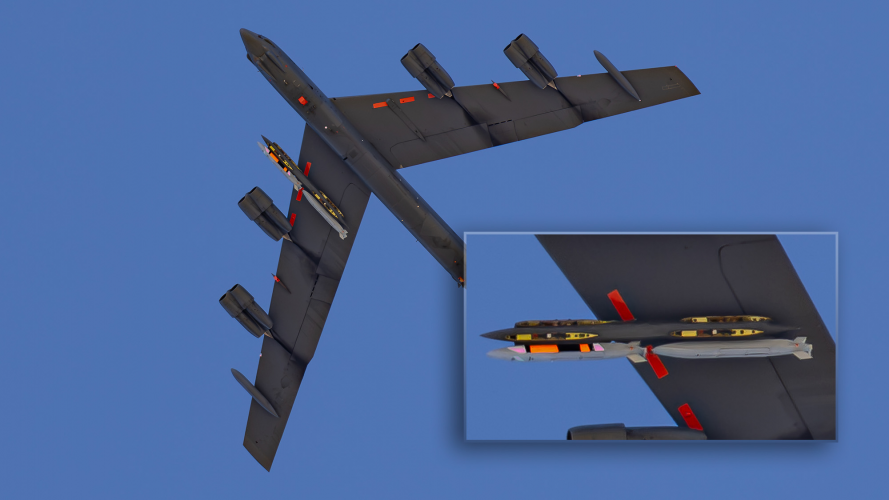
We just got our first glimpse of America’s new stealthy air-launched nuclear missile, the AGM-181 Long Range Stand-Off Weapon, or LRSO. So let’s run down what we can glean from this new render, what we know about this new weapon, and what it all means for America’s deterrent nuclear posture.
 
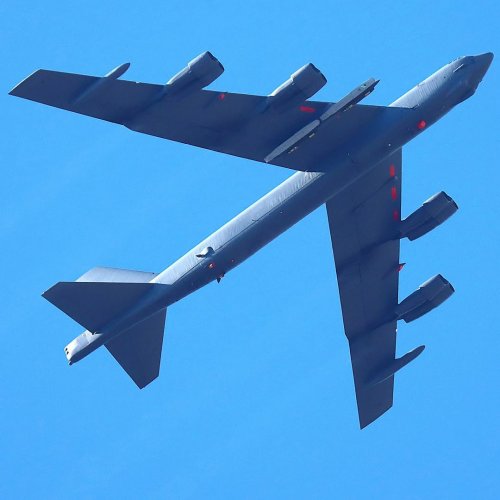
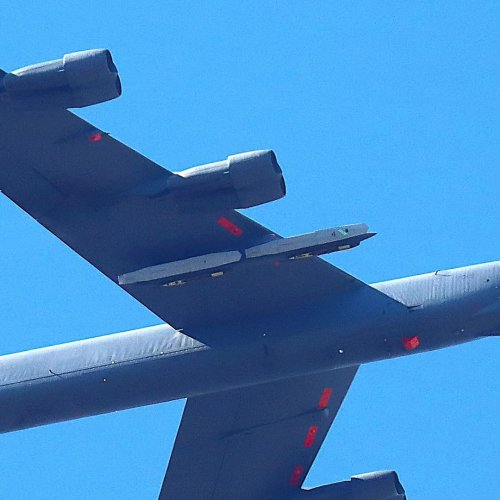
Looks like LRSO may have finally gotten a public showing.

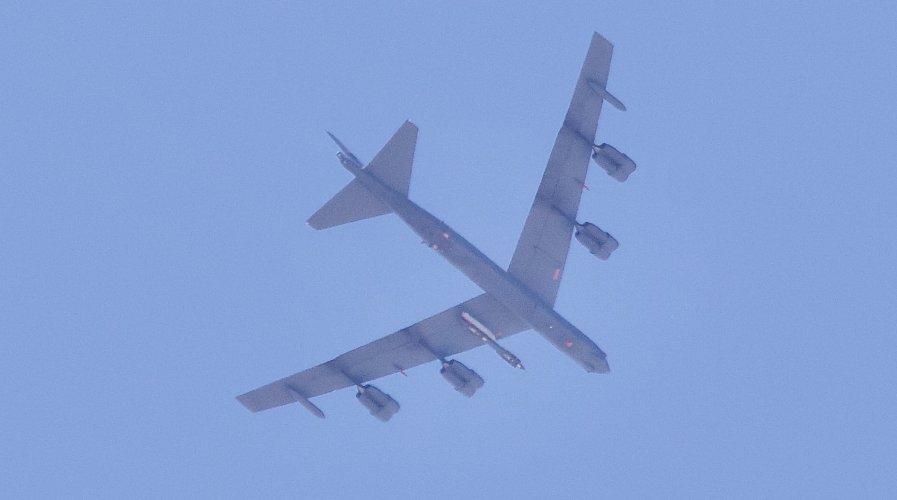
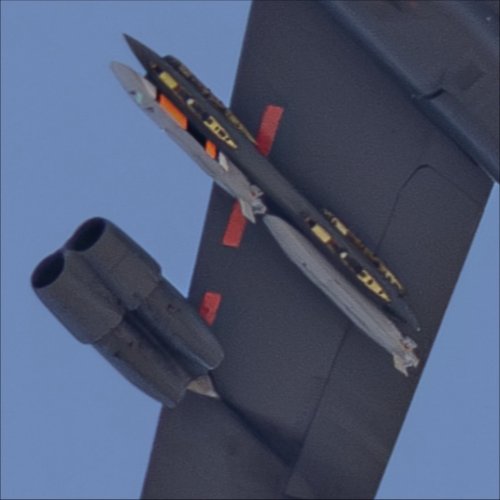
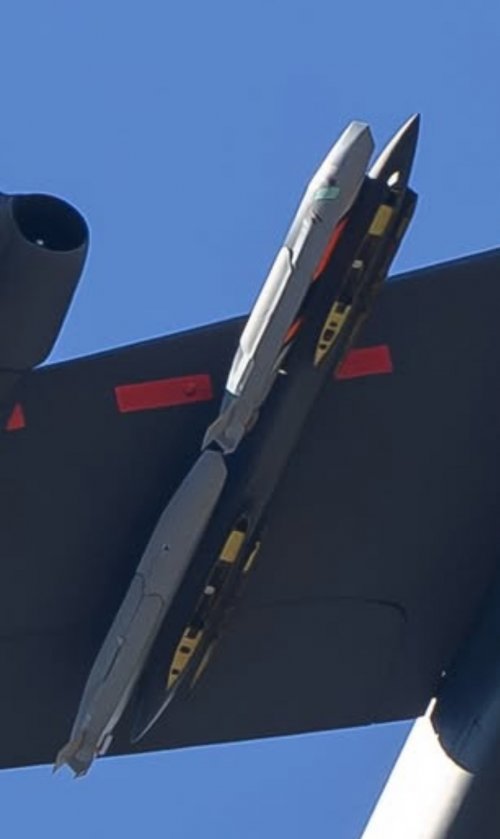
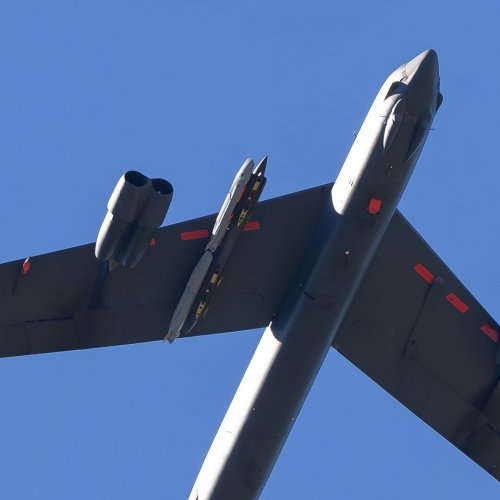
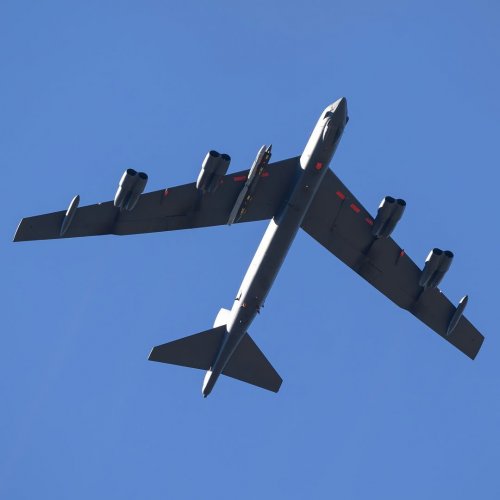
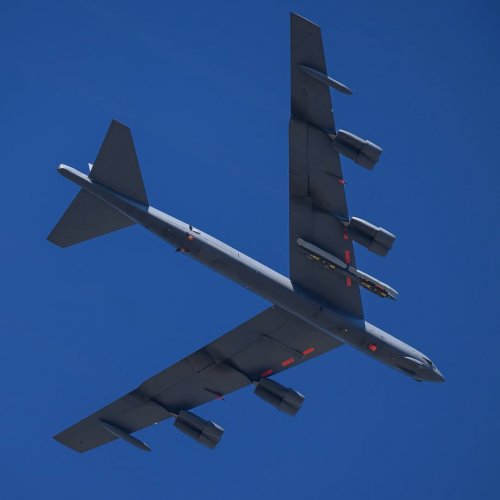
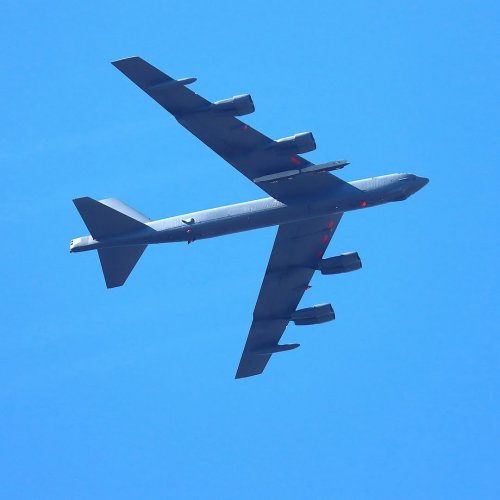
Upon close inspection, the ordinance appears indeed interesting. Some noticeable details which can be spotted on both units of the weapon are the inverted T tail with three surfaces, the fold-out wings below the weapon’s body and a wedge-like profile both at the nose and tail.
https://theaviationist.com/2025/11/04/b-52-weapon-testing/
 

Attachments

  • IMG_7420.jpeg
    IMG_7420.jpeg
    51.4 KB · Views: 74
  • IMG_7421.jpeg
    IMG_7421.jpeg
    42.6 KB · Views: 66
  • IMG_7422.jpeg
    IMG_7422.jpeg
    46.1 KB · Views: 59
  • IMG_7431.jpeg
    IMG_7431.jpeg
    52.8 KB · Views: 55
  • IMG_7429.jpeg
    IMG_7429.jpeg
    77.7 KB · Views: 65
  • IMG_7430.jpeg
    IMG_7430.jpeg
    123.1 KB · Views: 107
Last edited:
The shape looks less revolutionary as compared to the AGM-129 .... looks more like an elongated MALD .....

The vertical rudder fin at the bottom, wouldn't it compromise RCS?
 
The shape looks less revolutionary as compared to the AGM-129 .... looks more like an elongated MALD .....

The vertical rudder fin at the bottom, wouldn't it compromise RCS?
Not for its flight profile. The angle or even type of radar, its scanning and track technique vs a cruise missile is very different than a high altitude fighter like f-22.
 
If this is for separation tests, the rear one might be an inert shape while the front is a life round (or at least more functional test article).
They're both mass simulators for safe separation. Same weight, CG and moments of inertia. The aft one is there to verify that the front one will eject with no store to store contact, which has happened on a BUFF weapons integration in the past. Couldn't see which tail that was, but chances are that I've done safe separation tests on it both from the control room and cockpit. Those test sorties were always the most fun ones to work.
 
They're both mass simulators for safe separation. Same weight, CG and moments of inertia. The aft one is there to verify that the front one will eject with no store to store contact, which has happened on a BUFF weapons integration in the past. Couldn't see which tail that was, but chances are that I've done safe separation tests on it both from the control room and cockpit. Those test sorties were always the most fun ones to work.
And the most potentially exciting if those stores do bump into each other.
 
And the most potentially exciting if those stores do bump into each other.
It runs a spectrum, but that's what makes safe separation so much fun. Sometimes it's just a little wobble, other times it's a full-on tumble. There were two incidents with the BUFF that ended our exemption from going through Seek Eagle. The first was a GBU-12 out of the bay that flew up, hit the fuse and the horizonal stab. The second was either JSOW or JAASM, memory dims with age, which was the store to store off of the HSAB. Seek Eagle did the Monte Carlo after the incident and 998 of the 1,000 cases there was a store to store in that configuration. I believe the solution was to change the order of fire, but again that was 20 years ago.

 
There are some videos on YT showing what happens when stores separation tests or just regular test launches go wrong.
Yes, that F-18 video of the pylon jettison taking out the A-4 chase is one that I've used in briefings to reinforce proper chase formation position for safe separation.
 
It runs a spectrum, but that's what makes safe separation so much fun. Sometimes it's just a little wobble, other times it's a full-on tumble. There were two incidents with the BUFF that ended our exemption from going through Seek Eagle. The first was a GBU-12 out of the bay that flew up, hit the fuse and the horizonal stab. The second was either JSOW or JAASM, memory dims with age, which was the store to store off of the HSAB. Seek Eagle did the Monte Carlo after the incident and 998 of the 1,000 cases there was a store to store in that configuration. I believe the solution was to change the order of fire, but again that was 20 years ago.
I think you might have posted several years ago that the aerodynamics of the B-1 between the engine nacelles made the last bomb bay area a total mess for releasing weapons?
 
I think you might have posted several years ago that the aerodynamics of the B-1 between the engine nacelles made the last bomb bay area a total mess for releasing weapons?
Thanks for the shout out @Josh_TN, indeed I did. The smaller lighter stores don't like the disturbed air back there. Funny the old dumb Mk82's will come out nicely, while the GBU-38 won't. High subsonic makes for really tricky aero. FWIW the GBU-31 will come out just fine. The last test flight to get Sniper pod deployed was a -31 from the aft bay at 1,500 ft and .94M, remember it well since I was the Test Conductor.
 
The vertical rudder fin at the bottom, wouldn't it compromise RCS?

The rules for a missile sized object are different than those for something the size of a bomber.

The physical or electrical size of the missile in relation to the wavelength of the threat radar makes shaping work… differently.
 
The rules for a missile sized object are different than those for something the size of a bomber.

The physical or electrical size of the missile in relation to the wavelength of the threat radar makes shaping work… differently.
Apparently the more you tell people this, the more difficult it is to understand
 

Similar threads

Back
Top Bottom