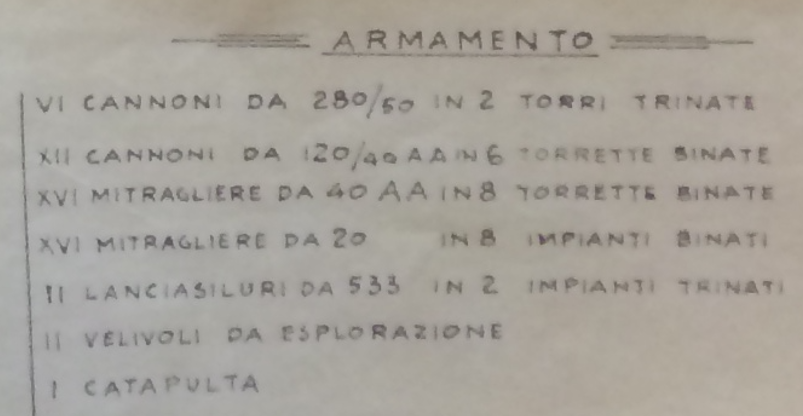
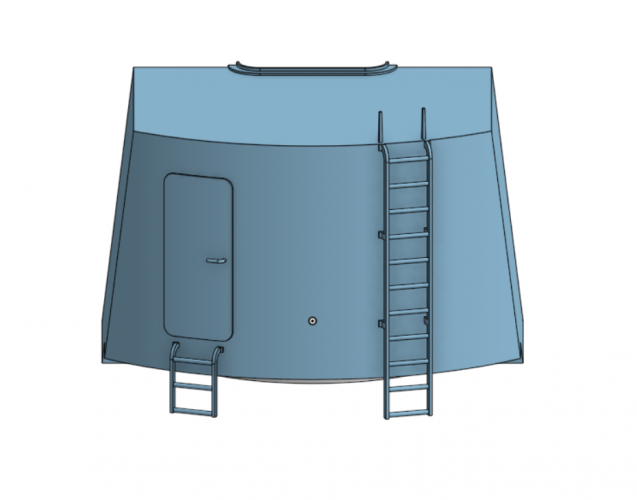
Also, those torpedo tubes are a bare minimum capability, but might be useful as a surprise for anyone coming around an island. IIRC the usual engagement plan for non-homing torpedoes is to put one forward of the target and one aft of the target, so 3 tubes is only 1 tube on target.
Torpedoes have other uses besides close-range self defense. For example, finishing off disabled enemy ships, or scuttling your own ships. Or, like the torpedo banks on Scharnhorst and Gneisenau, they can be used to sink merchant ships and conserve ammunition.
And you can even argue that training the crew in torpedo launching could be an asset.
I apologize if I'm coming off as somewhat confused here, but exactly which cruiser classes are we referencing for the USN as contemporary to UP.102? Bearing in mind the earliest versions of the design date back to 1928-1932, with Ansaldo's export configurations dating roughly to 1937?
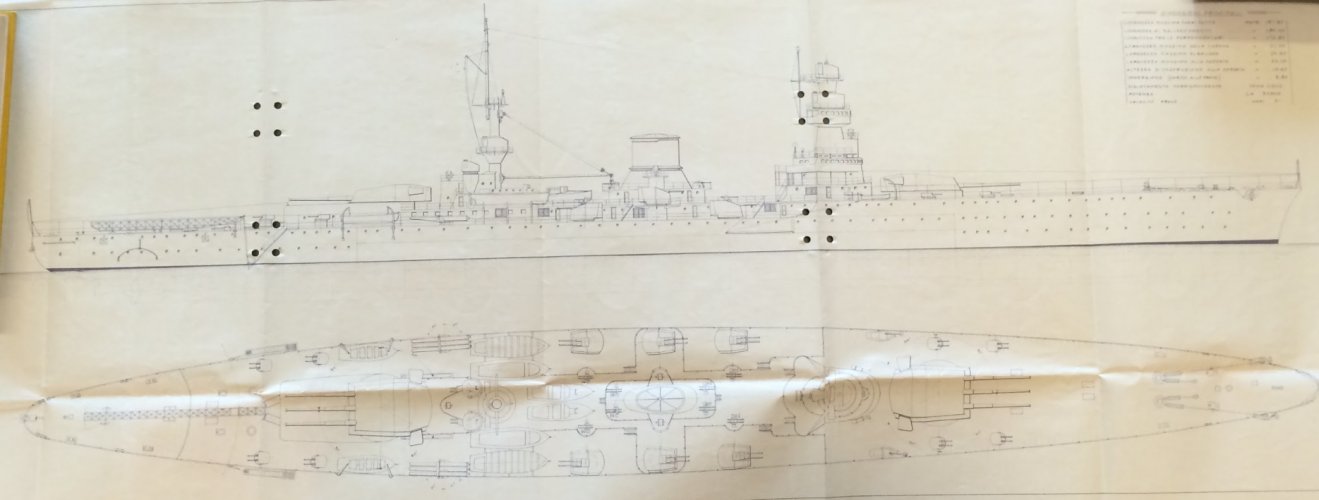
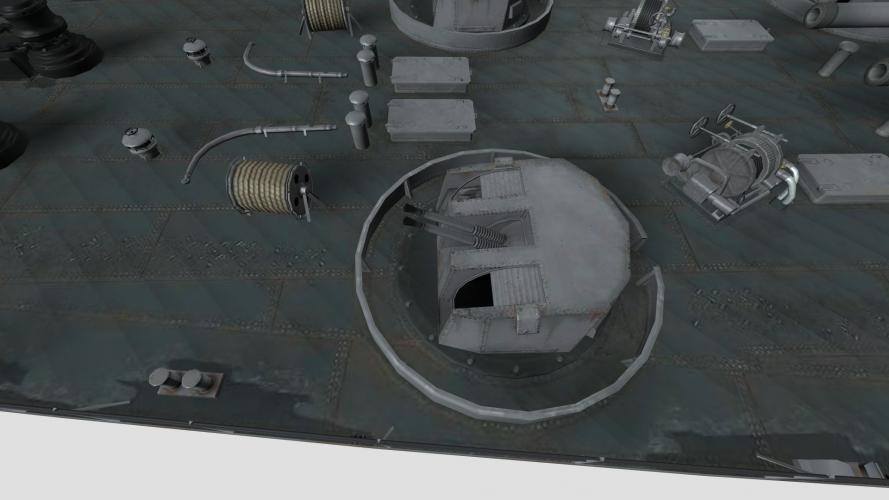
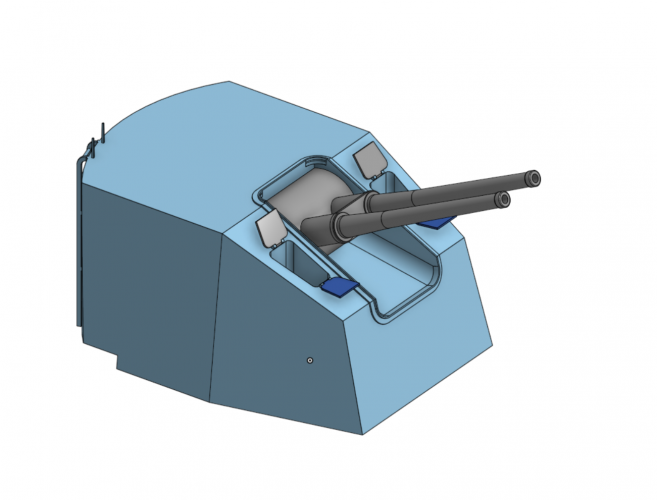
We're looking at three twin 120/40 AA turrets per side (6 guns per side).
For the 1930s, I don't think we can really clearly argue that the specific layout of the USN cruiser heavy AA batteries was superior in terms of number of guns that could be brought to bear?
As for the secondary gun issue, Phoenix makes a good point.
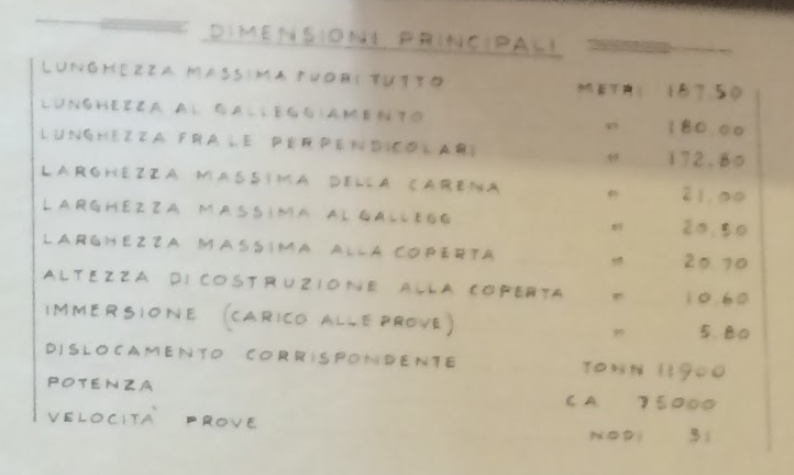
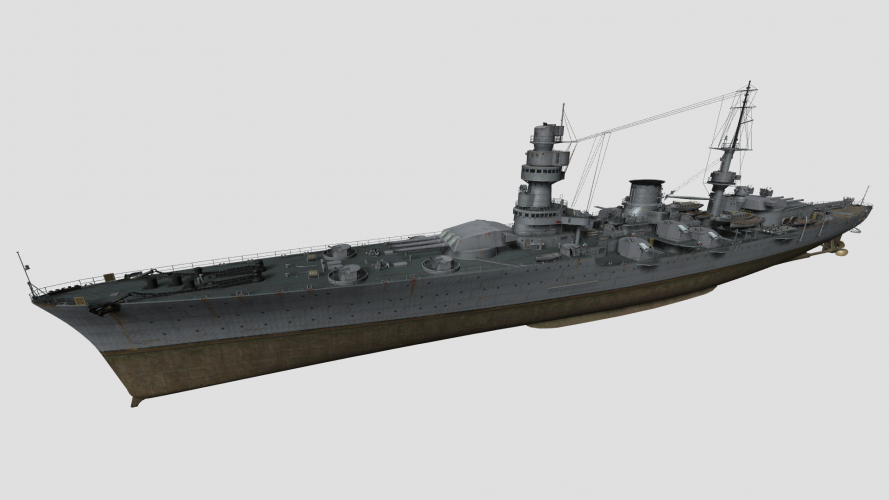
UP.102's detailed sketch is dated December 1937, and perhaps a ship could have been laid down in 1938 if a buyer had been found. On just below 11,000 tons, 3x2 120/40 guns are carried per side as heavy AA.
Compare that to contemporary cruisers:
- Wichita (laid Oct 1935): 5x1 127/38 in a broadside, on virtually the same tonnage. And note that 2 of these guns are in non-enclosed pedestal mounts
- Edinburgh (laid Dec 1936): 3x2 102/45 in a broadside on 10k tons
- Mogami (rebuilt in 1935): 2x2 127/40 per side, on 11k tons
- Hipper (laid 1935): 3x2 105/60.5 per side on 14k tons
- C5 A3 (designed 1939): 3x2 100/45 on a broadside on similar tonnage
- Chapayev (laid 1939): 2x2 100mm B-54 in a broadside, on around 10,000 tons
Of course this leaves out very important considerations (fire control, stabilization, reliability, ammunition supply arrangements, arcs of fire, etc), which also helps explain why the Hippers compare so badly.
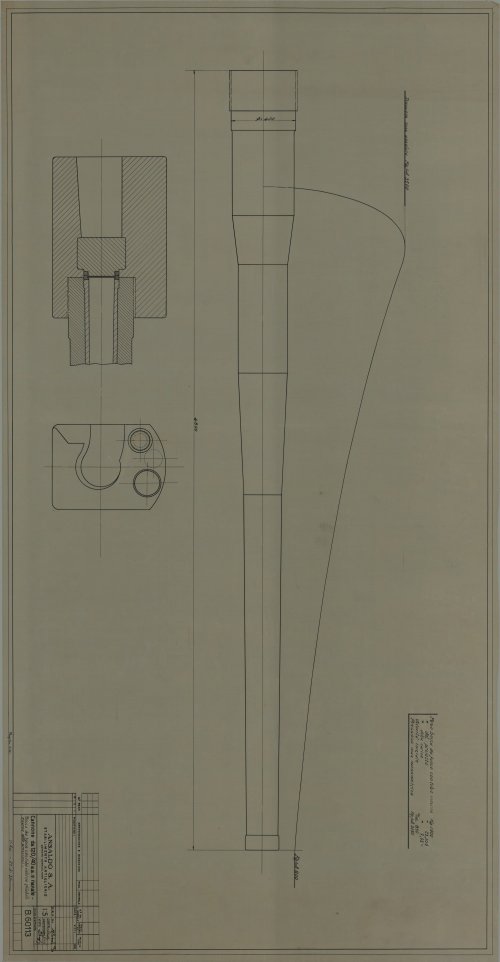
Also, there's the fact that the weapons in the Ansaldo project had not been built yet (I'm not sure if the 280mm gun was even planned actually), and that there was still the possibility of delays and weight growth too. So a comparison with the Clevelands is not unwarranted
But the Ansaldo design still looks very good in terms of DP-AA weaponry. Only the Clevelands/Baltimores and the much heavier Hippers are comparable/superior to it, and those were revolutionary in terms of heavy secondary battery (with the British and French basically copying the Cleveland layout, and the Soviets copying the Hipper layout).
Same for the main armament, armoring, and especially the light AA, which is (at least in barrel count) superlative for the design date