- Joined
- 29 January 2008
- Messages
- 975
- Reaction score
- 2,508
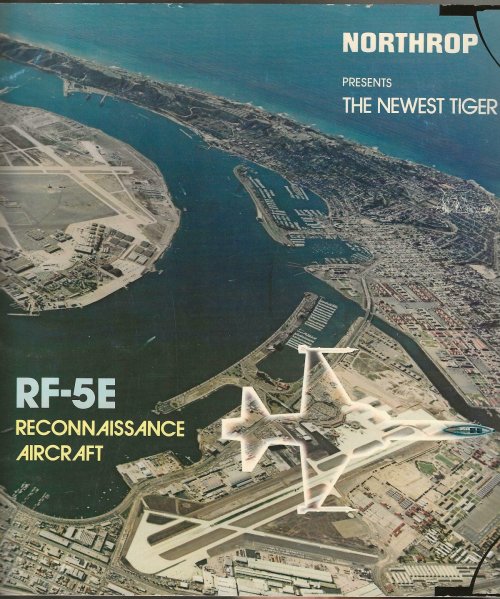
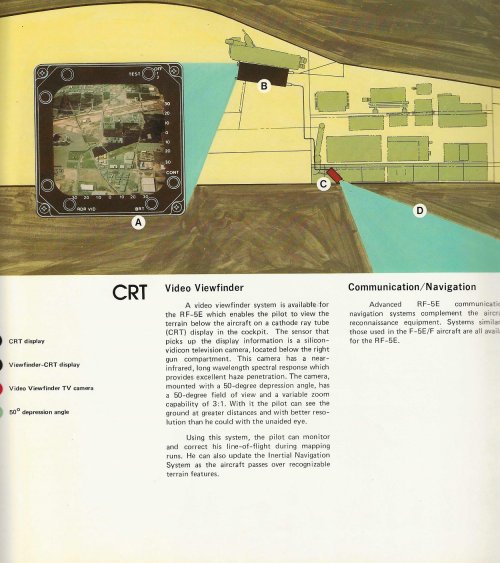
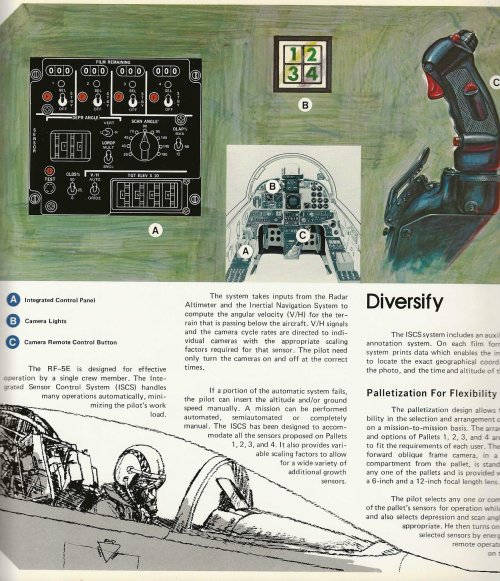
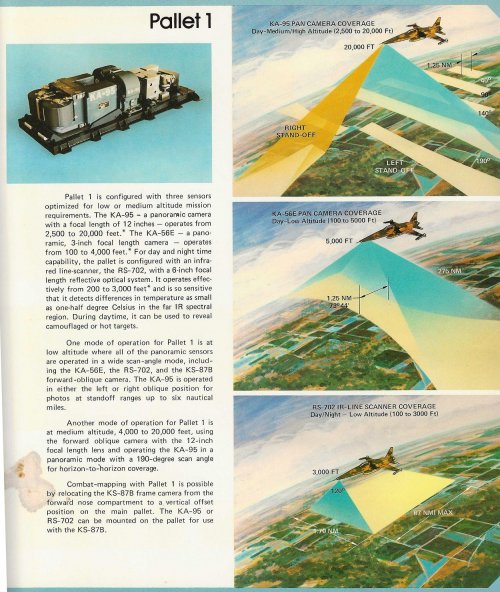
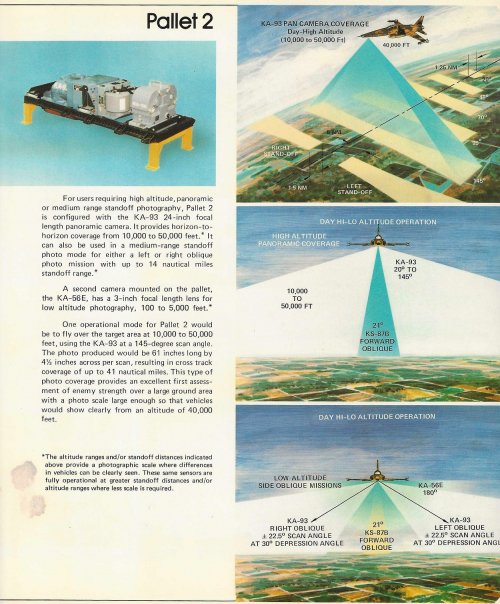
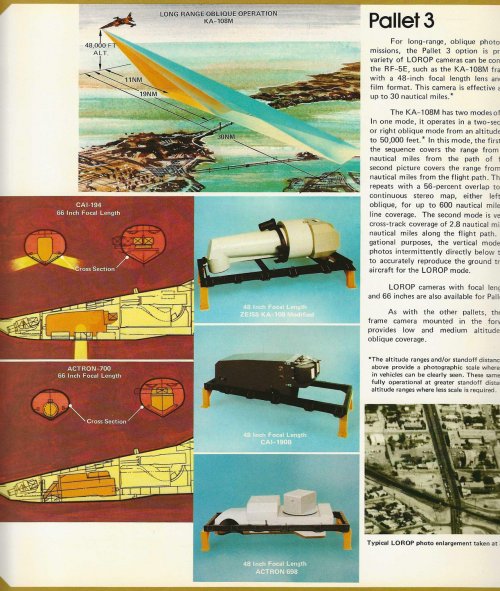
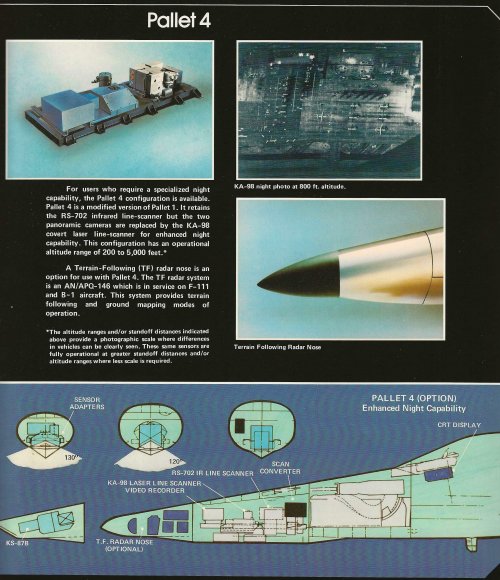
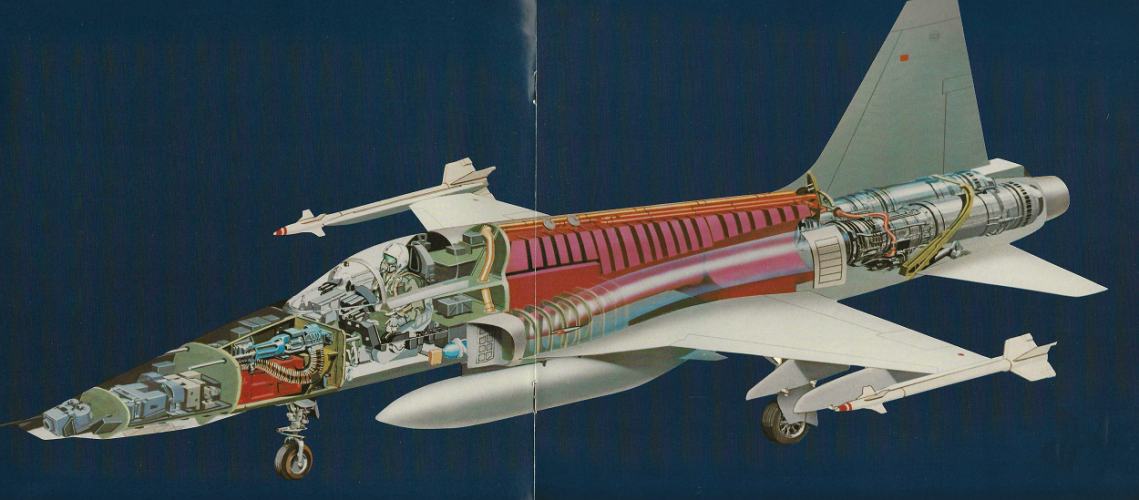
Info from a 1977 Northrop document. Sorry that some of pages are cut off, the document didn't fit on my scanner.


No, RF-5E forward fuselage Structural Test Article.@Halcyon66 : What did happen to this Tiger ? Bent?

I wonder if Northrop ever considered developing a two-seat version of the F-5 that was an all-weather/nighter-fighter version with the back seater being the navigator/RSO/WSO with a suitable radar?

I feel like with a second seat and ordnance hung on it, you could just about bomb the far end of the airfield before running out of fuel.
I find it surprising and disturbing that those three F-5s weren't intercepted and shot down.