North American P-198
Following the success of the British Bristol F.2B two-seat fighter powered by a V-12 engine during the 1920s, USAAC Materiel Command decided to acquire the Lockheed-Detroit XP-900 prototype redesignated YP-24 for evaluation.
The new heavy fighter was based on the Lockheed Orion airframe, with Wood/plywood-built wings, light alloy-built fuselage, partially retractable landing gear, and a Curtiss Conqueror V-12 engine, but it was destroyed in an accident, on October 19, 1931, during flight tests.
When the manufacturer went bankrupt, the firm Consolidated continued to develop the original design as the Consolidated P-30.
On March 1, 1933, USAAC ordered four pre-production machines, a production series of fifty units P-30A were also ordered on December 6, 1934.
The Consolidated fighter entered service in April 1936, being used as a high-altitude fighter, long-range "Convoy Fighter" and low-level attack plane, but did not excel in any of these missions due to the poor reliability of the Conqueror engine.
This engine, designed in 1924, had already reached the limit of its development in 1933 and all attempts to increase its performance by using various types of superchargers failed due to overheating and coolant leaks.
USAAC ordered additional tests with a P-30 powered by the new V-12 Allison V-1710, which used a new ethylenglicol-based cooling system.
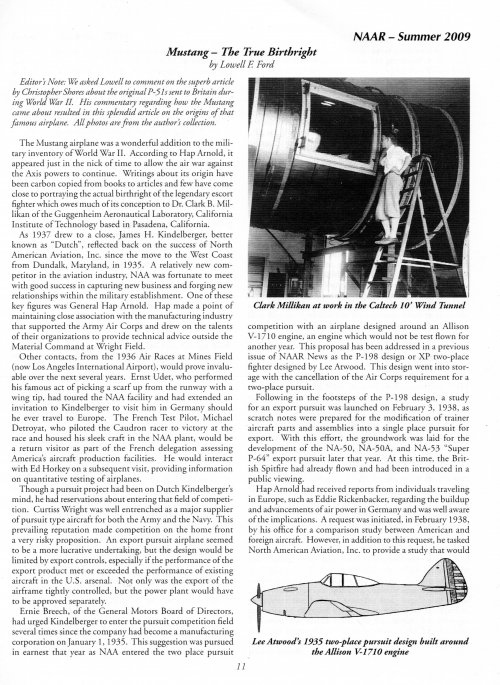
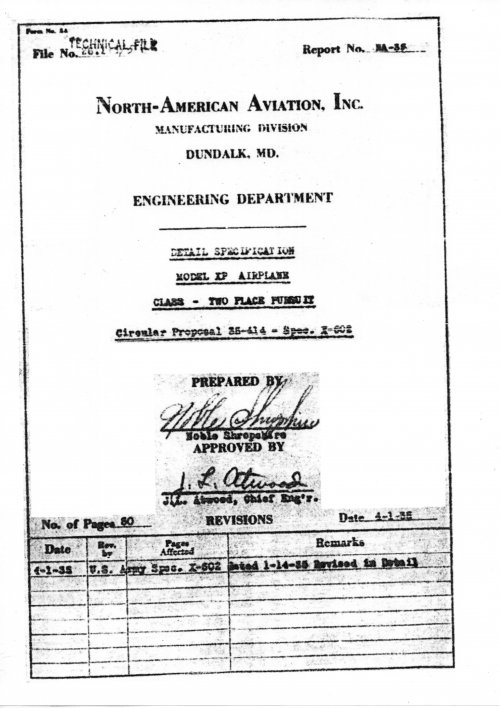
By 1935 many air forces considered the concept of a two-seat heavy fighter obsolete, but the good results obtained by the Seversky 2XP prototype induced the USAAC to publish, on January 15, 1935, the Circular proposal CP 35-414 (Specification X-602) calling for a two-seat, single-engine pursuit airplane with bomb-carrying capacity.
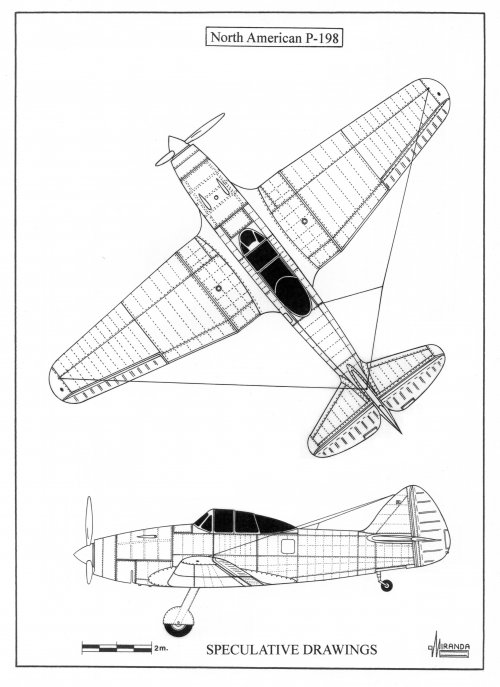
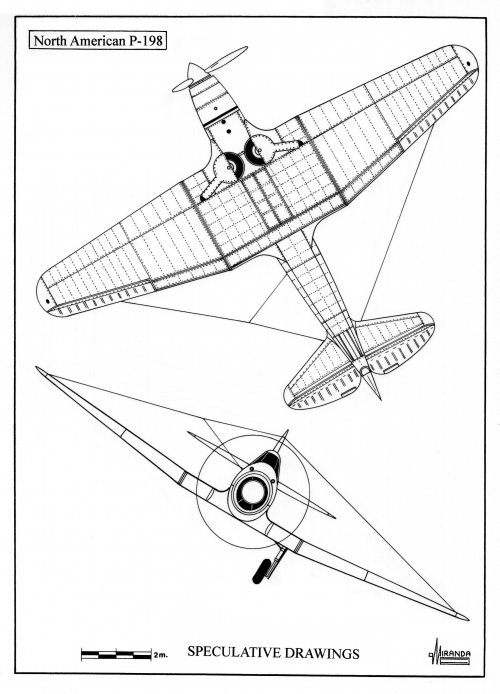
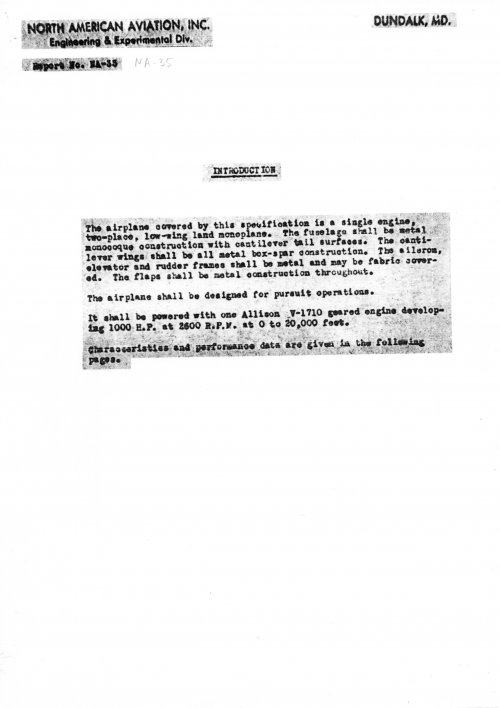
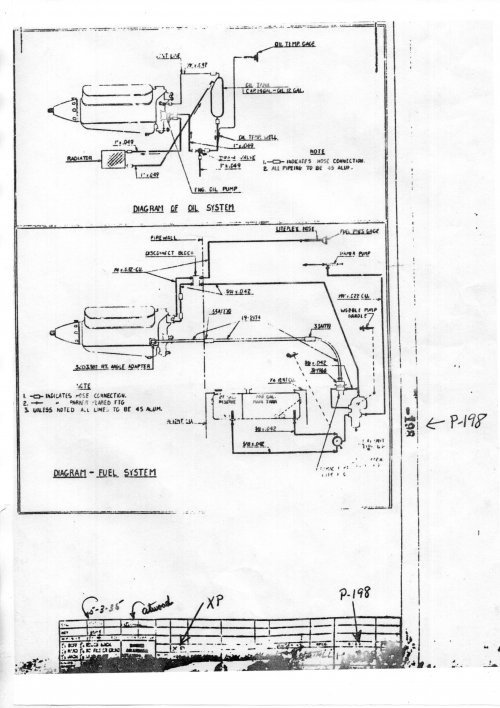
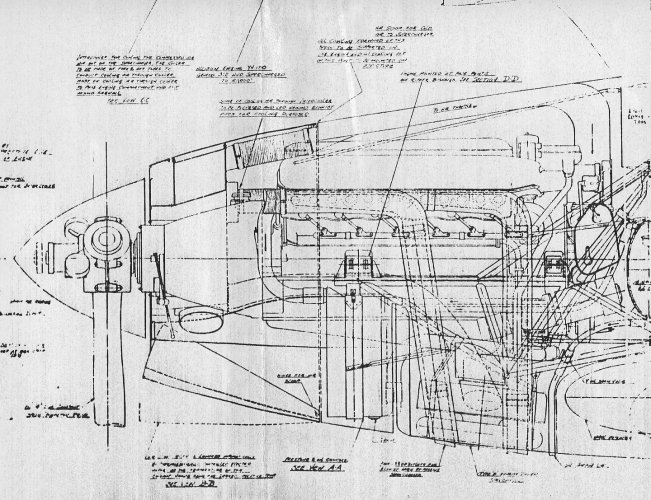
The second line Company North American Aviation Inc proposed the project P-198 XP, powered by one experimental engine Allison V-1710C rated at 1,000 hp.
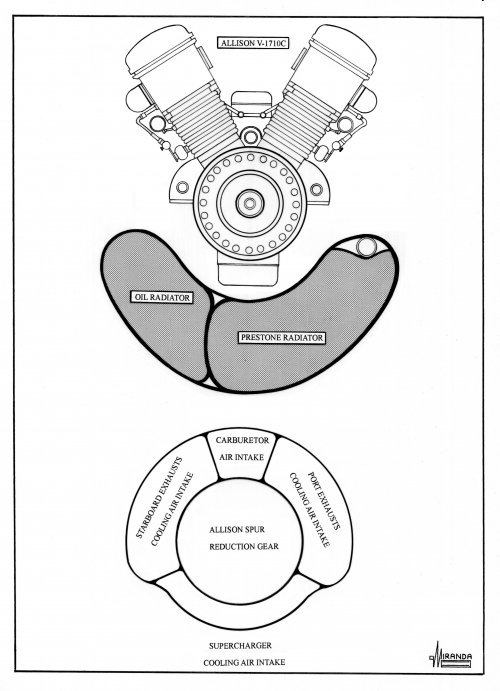
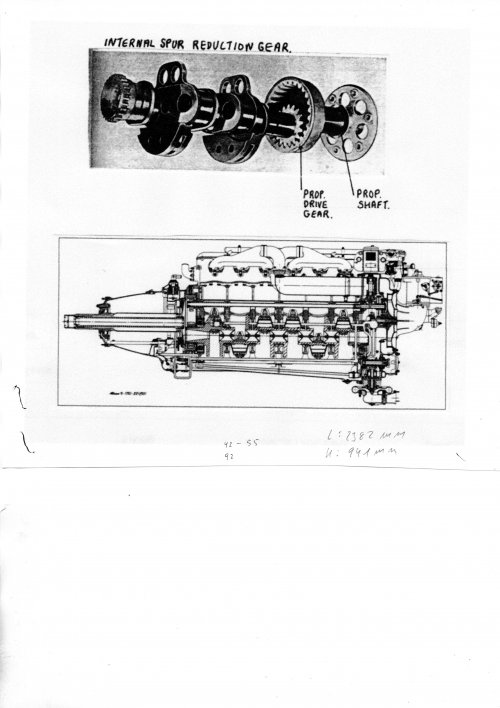
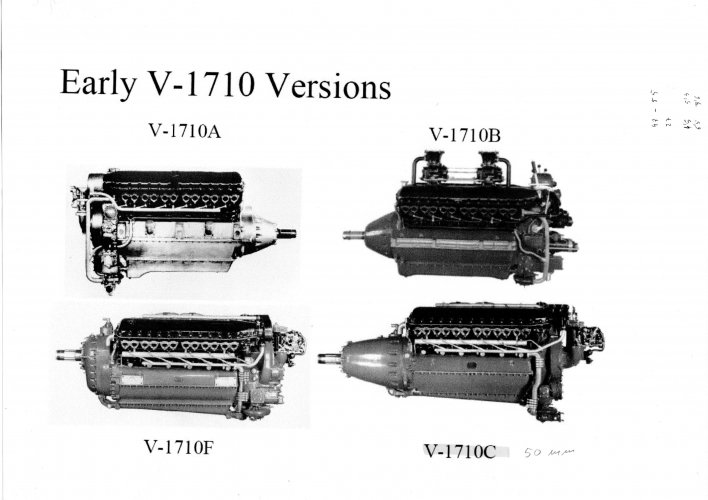
This engine, designed in 1930 with single-stage, single-speed mechanical supercharger and internal, nor epicyclic, spur gear reduction device, had been acquired by USAAC in 1932 but was not considered sufficiently perfected for operational use when the X-602 specification was published.
The P-198 had originally been designed with a radial engine, but the specification called for a large, heavy aircraft that would have been underpowered with one Wright Cyclone radial rated at 750/850 hp.
The Materiel Department, considering that the new start-up lacked experience in fighter design, cancelled the X-602 specification in favor of the X-603 specification for single-seat fighters that gave rise to the Seversky P-35.
On February 3, 1939, North American canceled development of the project, which never received the internal designation NA-35.
North American P-198 technical data
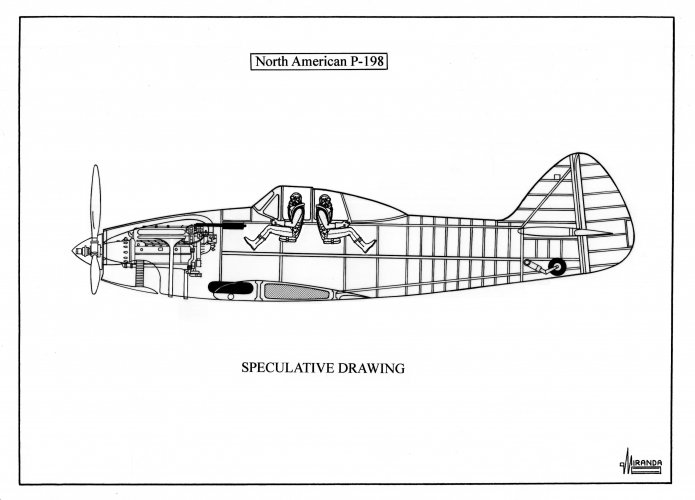
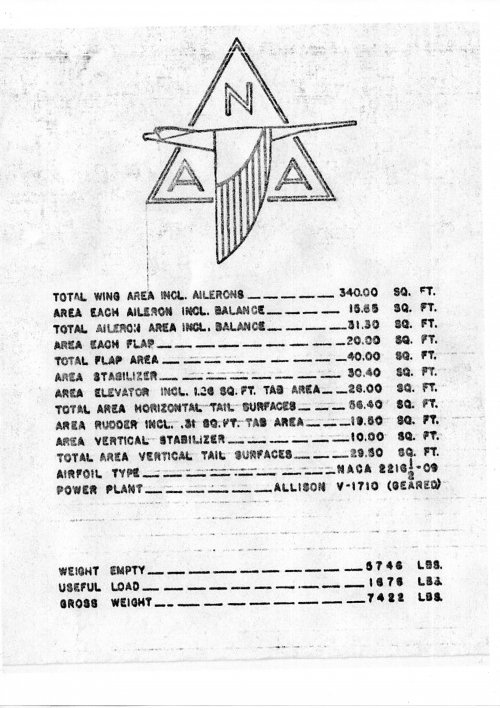
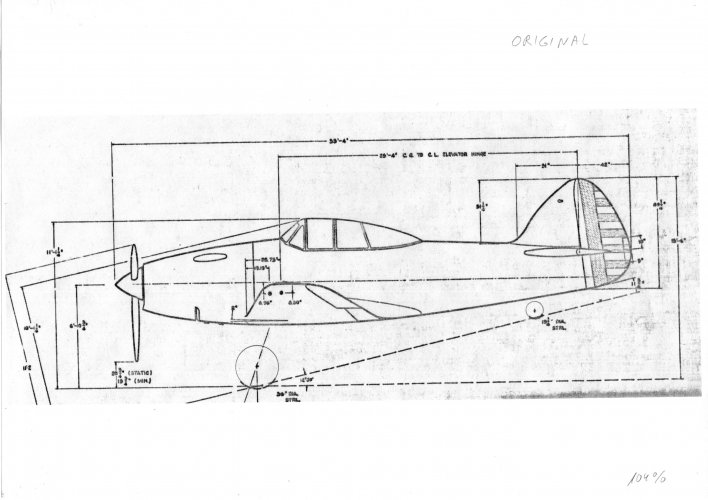
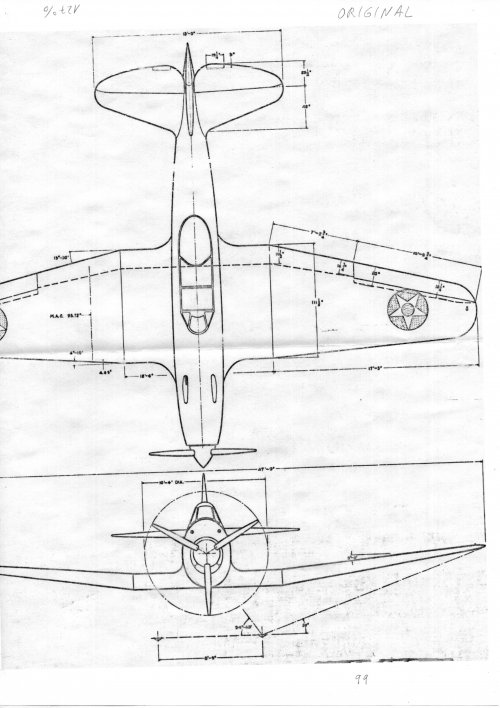
Wingspan: 14.33 m, length: 10.77 m, height: 4.12 m, wing area: 30.6 sq. m, empty weight: 2,603 kg, max weight: 3,362 kg, powerplant: one Allison V-1710C V-12 engine rated at 1,000 hp flying at 20,000 ft driving a three-bladed variable-pitch propeller with 3.15 meters of diameter, proposed armament: two nose mounted 0.3-in M2 light machine guns and one internal bay under the cockpit floor with capacity for bombs and additional fuel tanks.
Following the success of the British Bristol F.2B two-seat fighter powered by a V-12 engine during the 1920s, USAAC Materiel Command decided to acquire the Lockheed-Detroit XP-900 prototype redesignated YP-24 for evaluation.
The new heavy fighter was based on the Lockheed Orion airframe, with Wood/plywood-built wings, light alloy-built fuselage, partially retractable landing gear, and a Curtiss Conqueror V-12 engine, but it was destroyed in an accident, on October 19, 1931, during flight tests.
When the manufacturer went bankrupt, the firm Consolidated continued to develop the original design as the Consolidated P-30.
On March 1, 1933, USAAC ordered four pre-production machines, a production series of fifty units P-30A were also ordered on December 6, 1934.
The Consolidated fighter entered service in April 1936, being used as a high-altitude fighter, long-range "Convoy Fighter" and low-level attack plane, but did not excel in any of these missions due to the poor reliability of the Conqueror engine.
This engine, designed in 1924, had already reached the limit of its development in 1933 and all attempts to increase its performance by using various types of superchargers failed due to overheating and coolant leaks.
USAAC ordered additional tests with a P-30 powered by the new V-12 Allison V-1710, which used a new ethylenglicol-based cooling system.
By 1935 many air forces considered the concept of a two-seat heavy fighter obsolete, but the good results obtained by the Seversky 2XP prototype induced the USAAC to publish, on January 15, 1935, the Circular proposal CP 35-414 (Specification X-602) calling for a two-seat, single-engine pursuit airplane with bomb-carrying capacity.
The second line Company North American Aviation Inc proposed the project P-198 XP, powered by one experimental engine Allison V-1710C rated at 1,000 hp.
This engine, designed in 1930 with single-stage, single-speed mechanical supercharger and internal, nor epicyclic, spur gear reduction device, had been acquired by USAAC in 1932 but was not considered sufficiently perfected for operational use when the X-602 specification was published.
The P-198 had originally been designed with a radial engine, but the specification called for a large, heavy aircraft that would have been underpowered with one Wright Cyclone radial rated at 750/850 hp.
The Materiel Department, considering that the new start-up lacked experience in fighter design, cancelled the X-602 specification in favor of the X-603 specification for single-seat fighters that gave rise to the Seversky P-35.
On February 3, 1939, North American canceled development of the project, which never received the internal designation NA-35.
North American P-198 technical data
Wingspan: 14.33 m, length: 10.77 m, height: 4.12 m, wing area: 30.6 sq. m, empty weight: 2,603 kg, max weight: 3,362 kg, powerplant: one Allison V-1710C V-12 engine rated at 1,000 hp flying at 20,000 ft driving a three-bladed variable-pitch propeller with 3.15 meters of diameter, proposed armament: two nose mounted 0.3-in M2 light machine guns and one internal bay under the cockpit floor with capacity for bombs and additional fuel tanks.