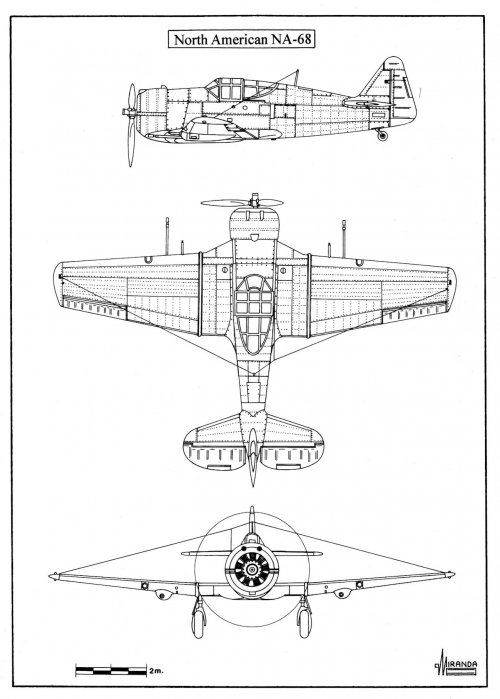
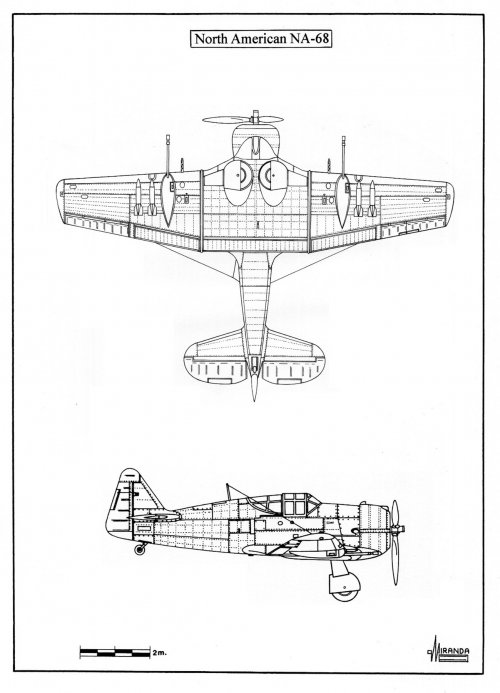
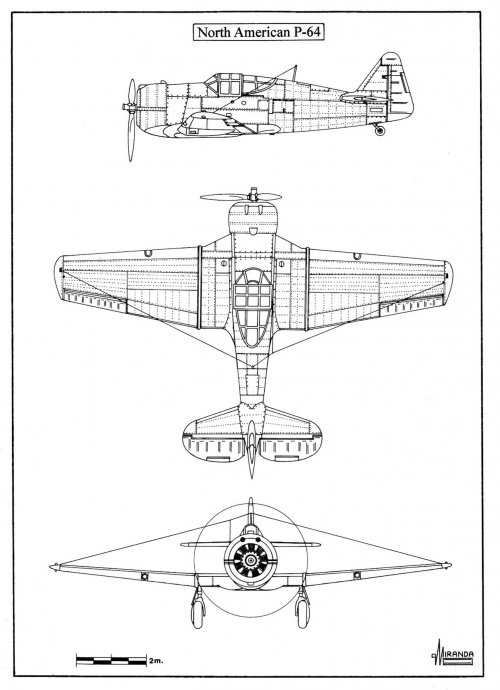
North American NA-68 (P-64)
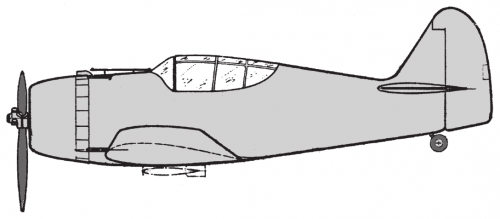
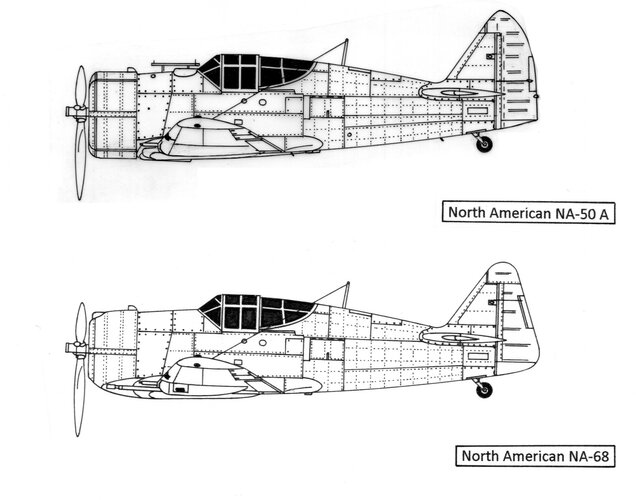
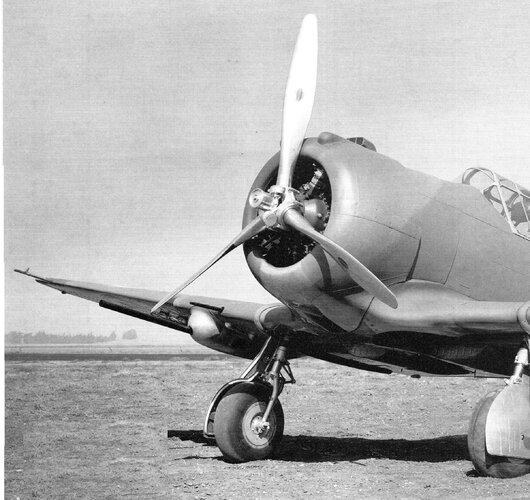
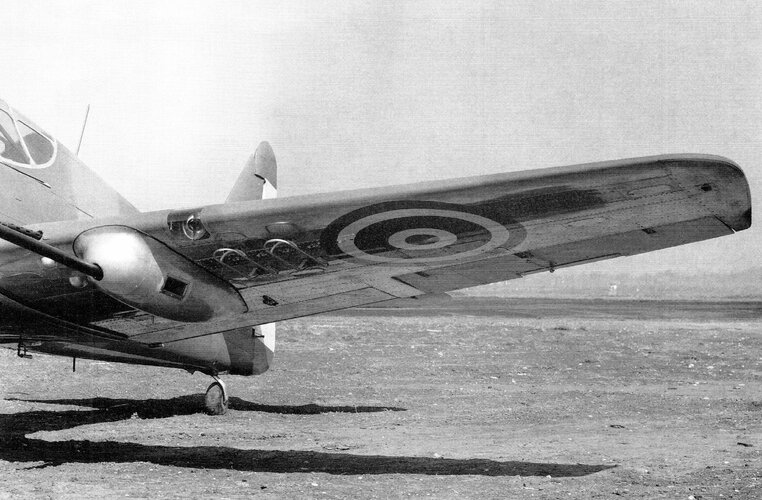
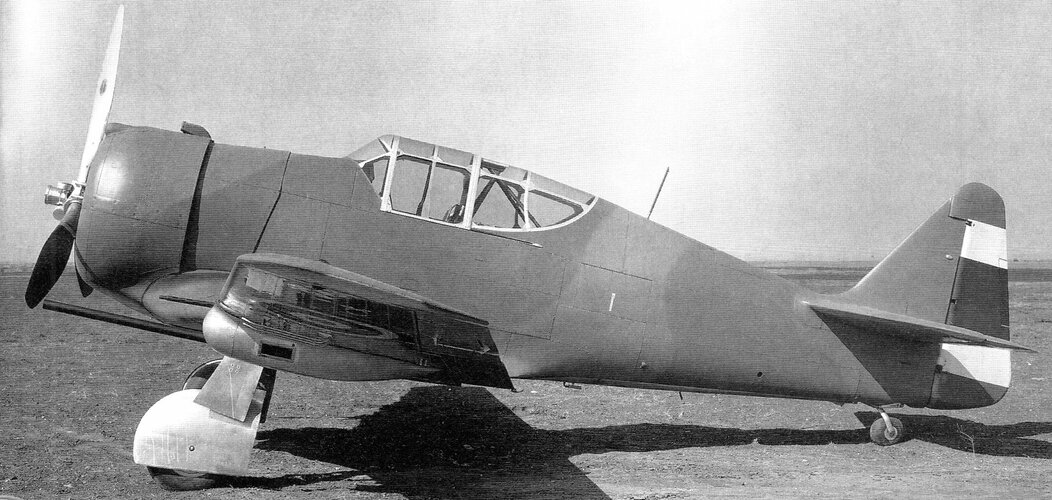
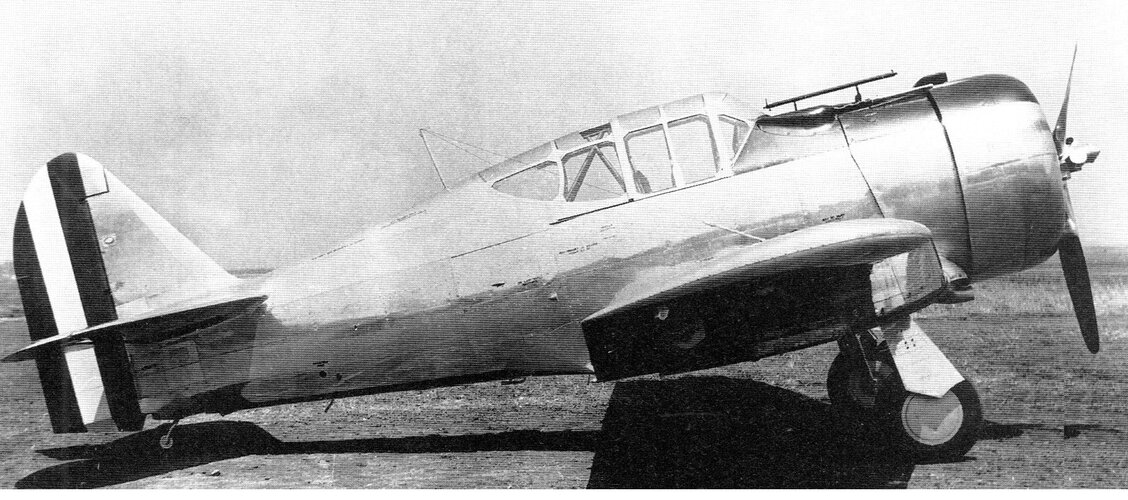
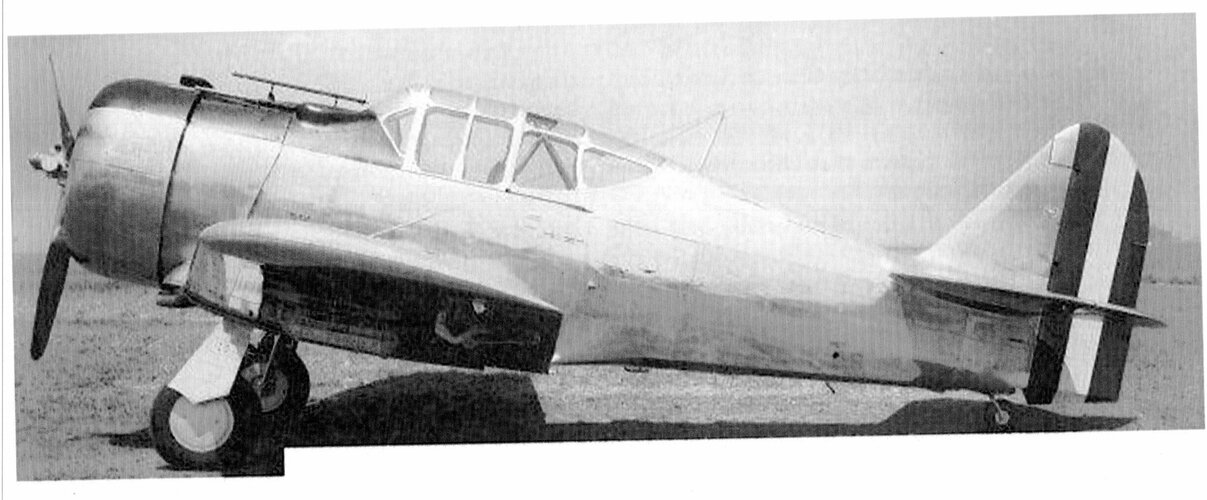
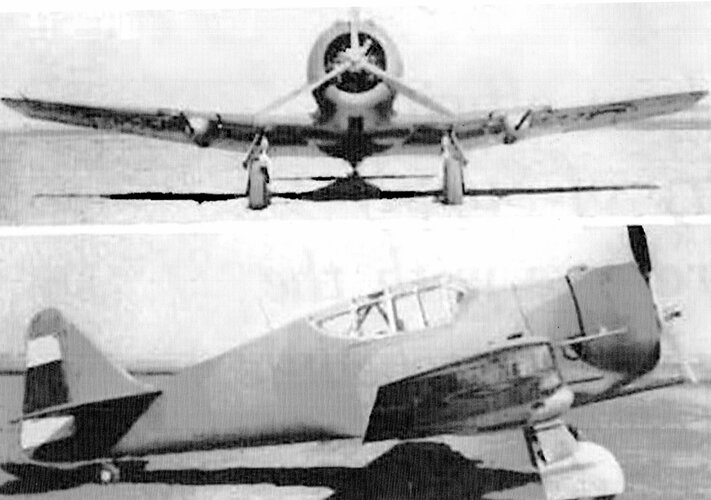
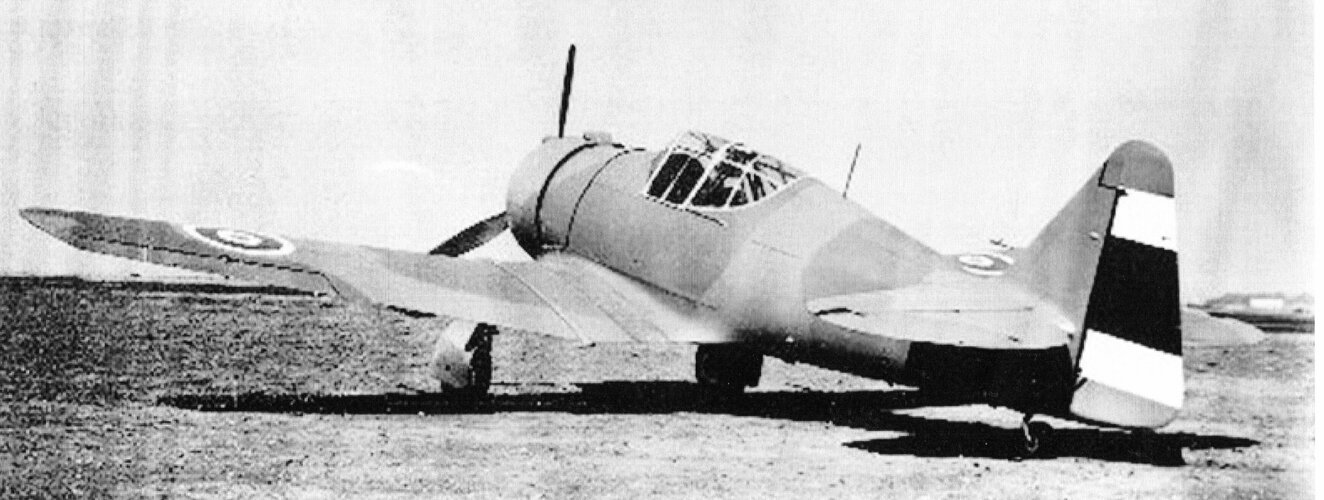
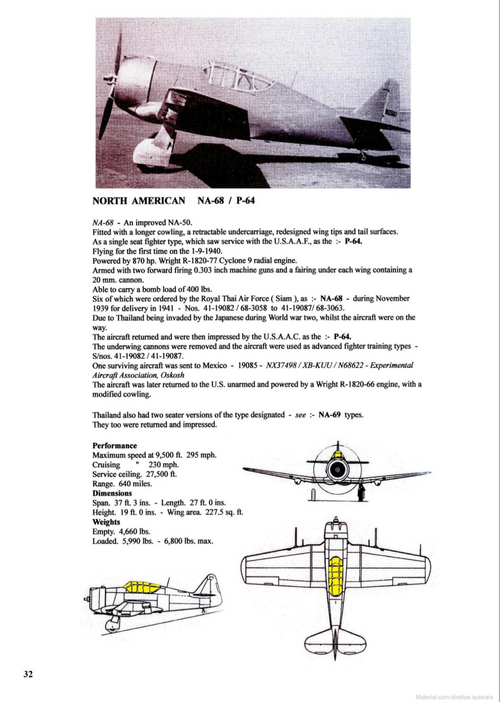
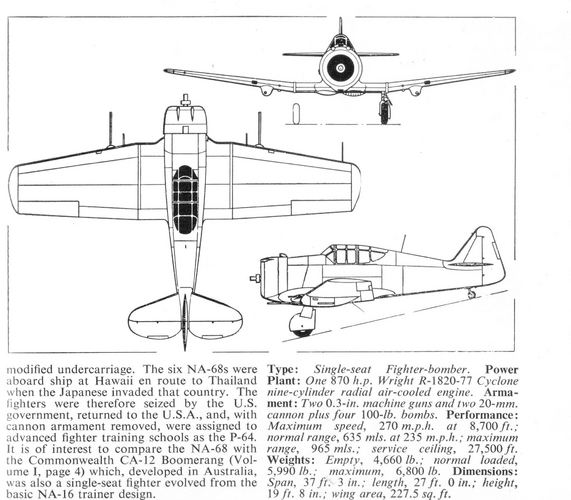
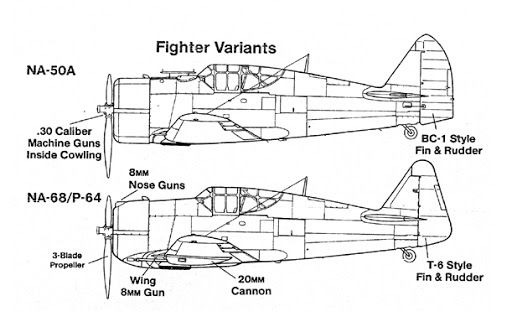
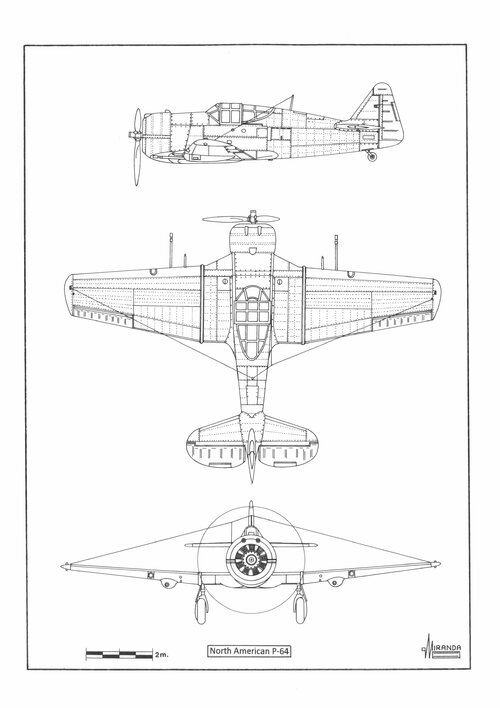
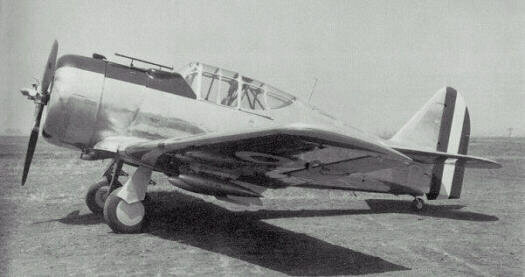
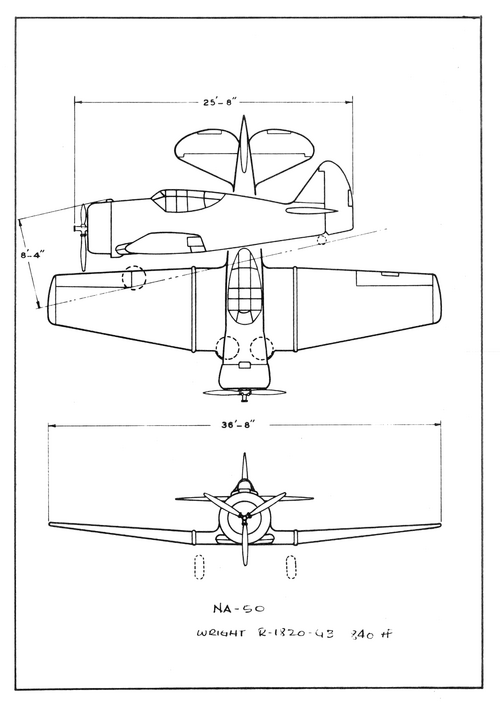
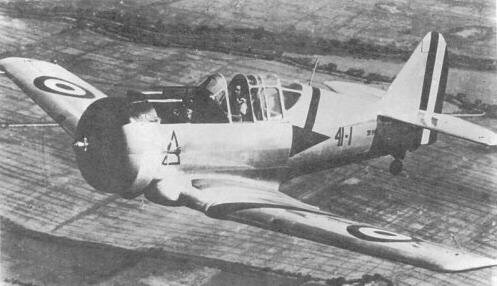
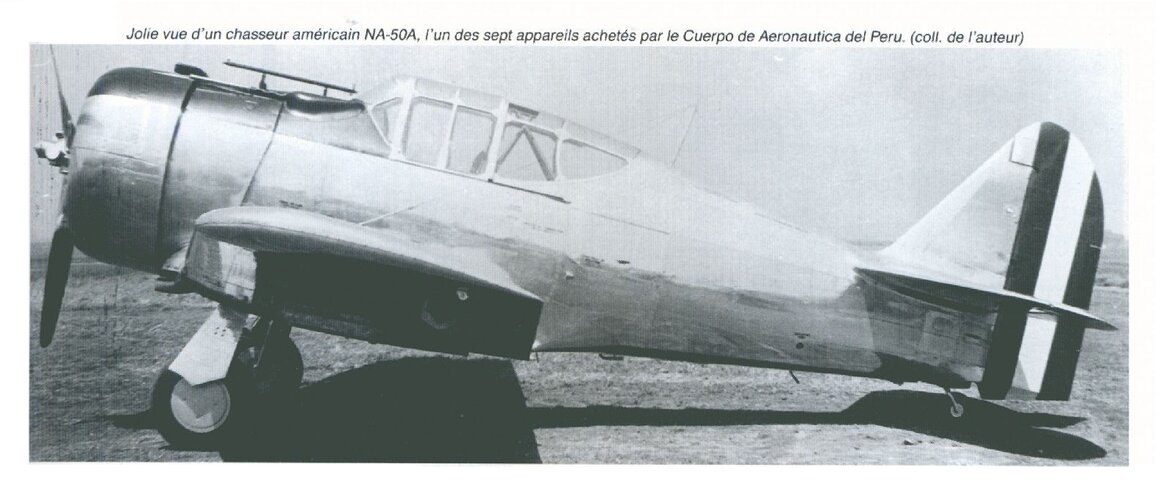
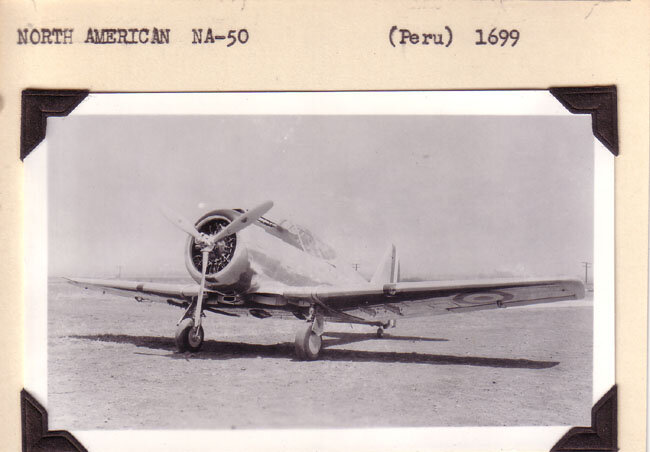
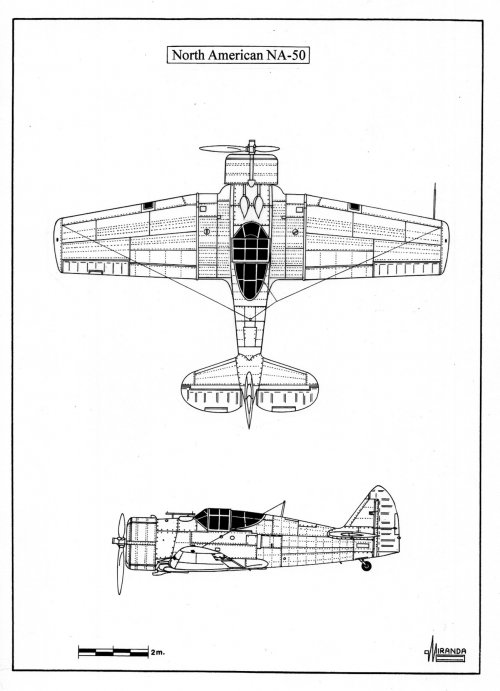
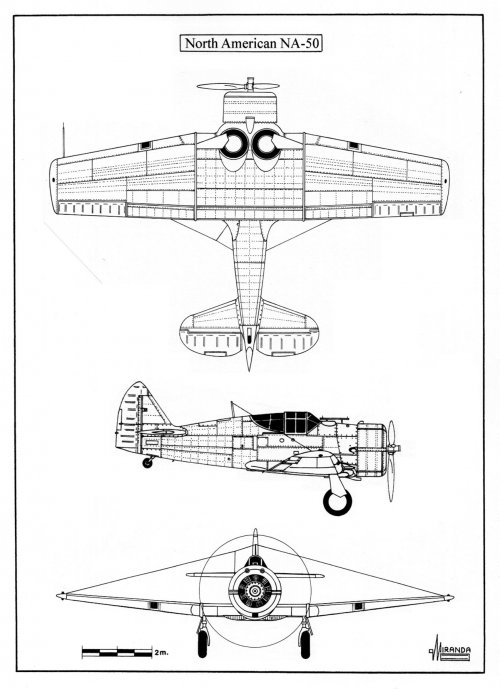
In 1939, North American built thirteen units of the NA-68, a more sophisticated version of the NA-50, for the Royal Thai Air Force. The new model differed in having revised outer wing panels, a triangular tailfin, strengthened landing gear and increased armament.
In October 1940, six NA-68 fighters were in route to Thailand when their export clearance was cancelled and seized by the U.S. authorities in Hawaii. The cancellation was caused by the news that Thailand had acquired twenty-four Mitsubishi Ki.30 attack bombers and nine Mitsubishi Ki.21 medium bombers to Japan, to attack the French forces in Indochina.
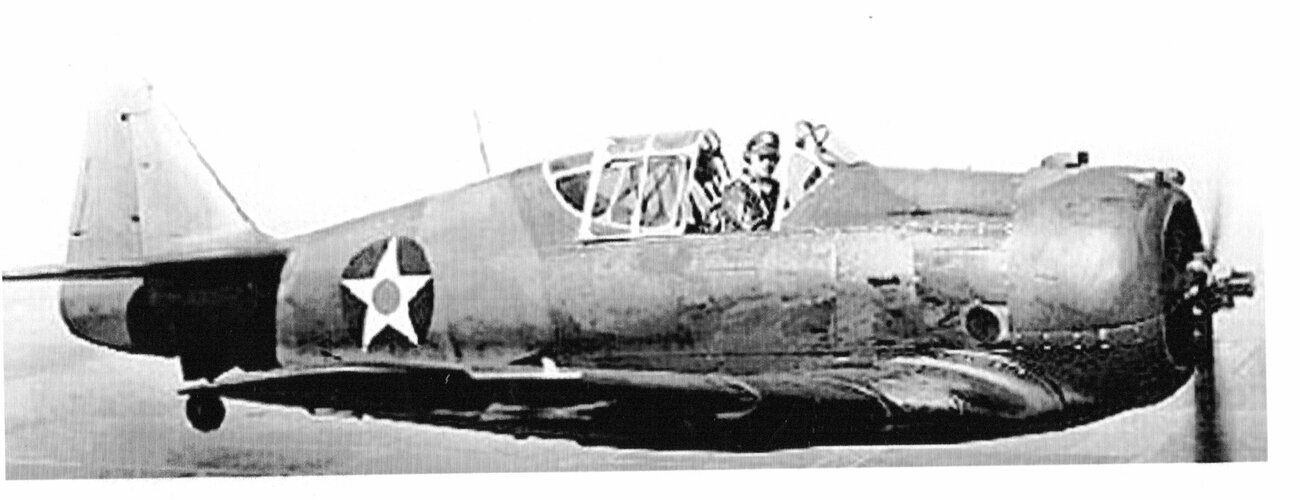
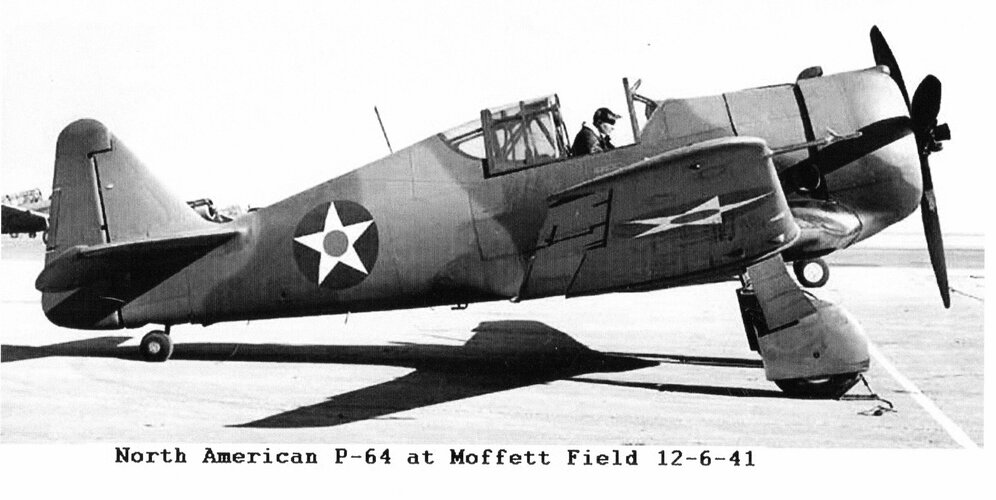
On 1941, the six NA-68’s (41-19082 to 41-19087) were re-designated P-64 and delivered to the USAAC, for use as an advanced trainer at Santa Ana and Luke Field airbases.
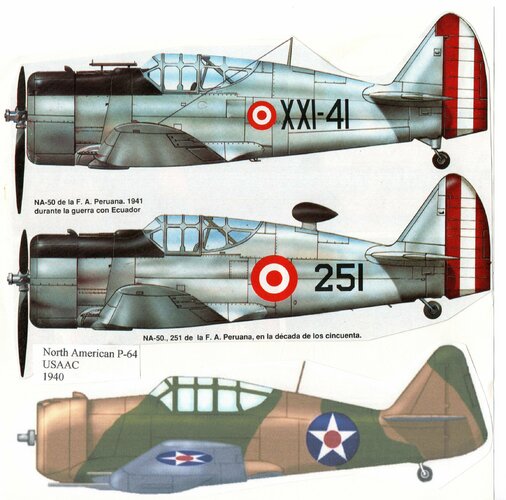
Painting scheme (Royal Thai Air Force): Dark Brown Du Pont 71-035/Dark green Du Pont 71-013 upper surfaces, natural metal under surfaces, Thai roundels red-white-blue-white-red in four positions, red-white-blue-white-red stripes in the rudder.
Painting scheme (U.S.A.A.C): Dark Brown Du Pont 71-035/Dark Green Du Pont 71-013 upper surfaces, Neutral Grey 43 (FS 36173) under surfaces, meat ball insignias in six positions.
Nort American NA-68 technical data
Wingspan: 11.38 m, length: 8.51 m, height: 3.63 m, wing area: 21.13 sq. m, maximum weight: 3,188 kg, maximum speed: 452 km/h, range: 1,140 km, service ceiling: 9,750 m, power plant: one 875 hp Wright Cyclone R-1820-77 air-cooled radial engine, armament: two 8-mm Colt machine guns mounted in the cowl and two 23-mm Madsen cannons in underwing nacelles and four underwing 50 kg bombs.