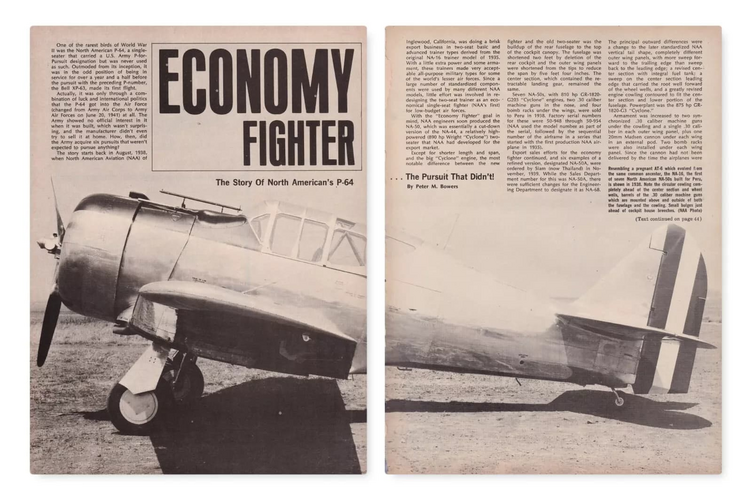
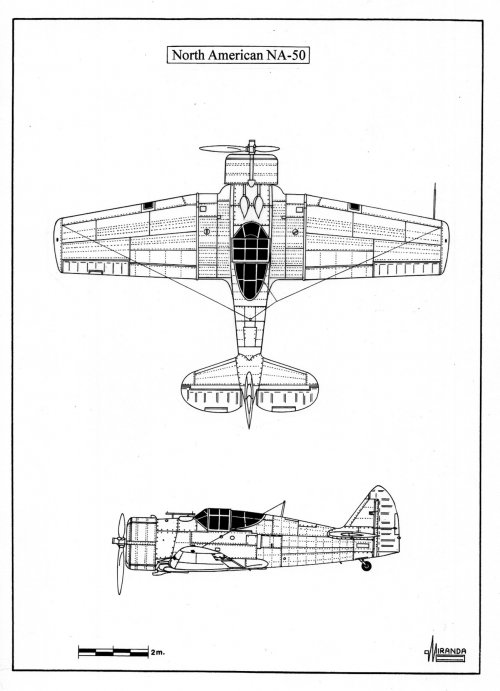
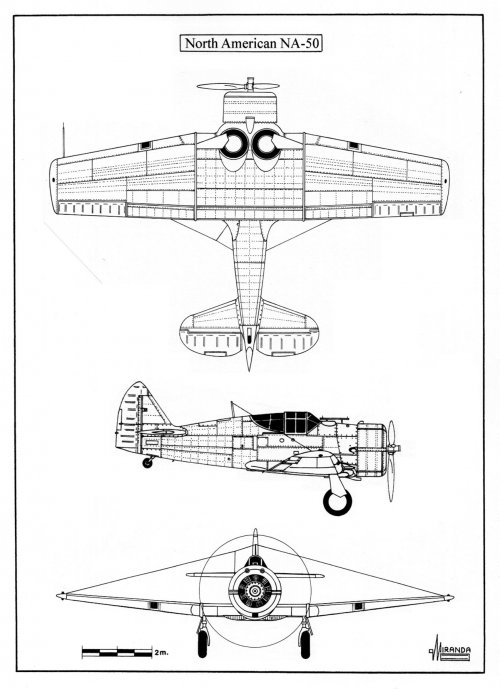
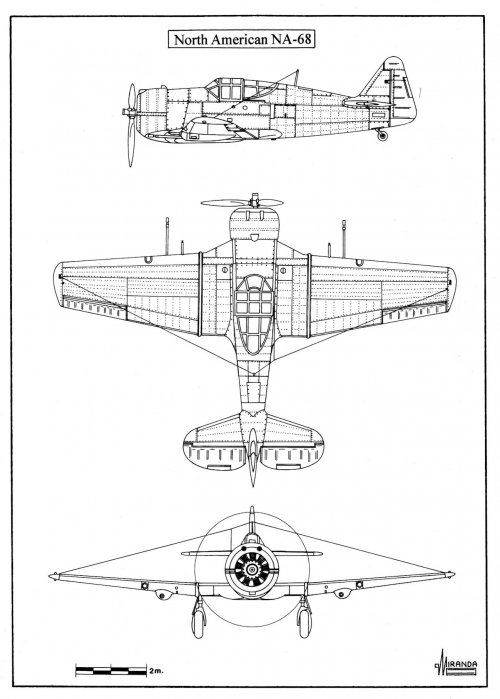
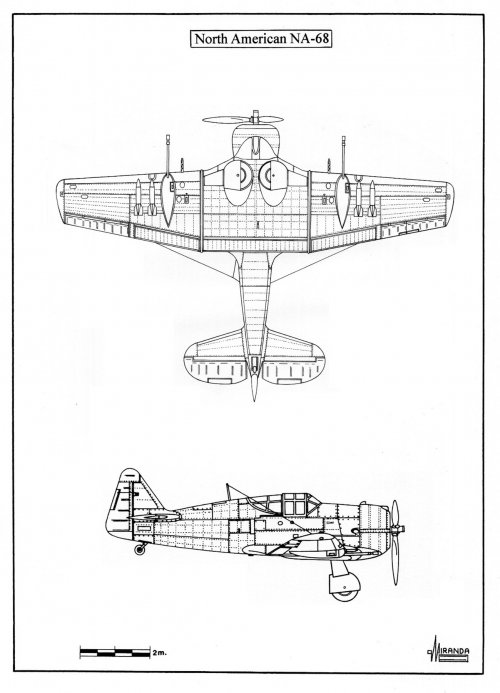
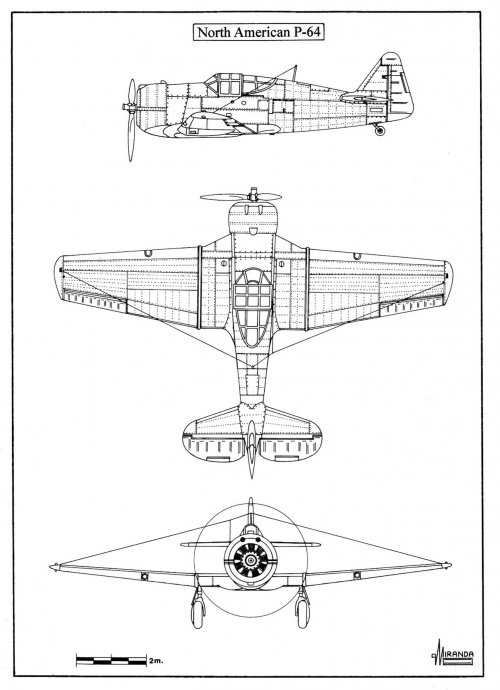
North American NA-50, NA-53 and NA-68 (P-64)

Thanks for sharing this interesting information.

Good work !


Attachments

  • 873.jpg
    873.jpg
    369.5 KB · Views: 107
  • 874.jpg
    874.jpg
    3.1 MB · Views: 82
  • 875.jpg
    875.jpg
    1.6 MB · Views: 72
  • 876.jpg
    876.jpg
    900.6 KB · Views: 67
  • 877.jpg
    877.jpg
    783.4 KB · Views: 64
  • 879.jpg
    879.jpg
    429.3 KB · Views: 58
  • 880.jpg
    880.jpg
    738.9 KB · Views: 61
  • 881.jpg
    881.jpg
    1.4 MB · Views: 66
  • 882.jpg
    882.jpg
    287.9 KB · Views: 65
  • 883.jpg
    883.jpg
    591 KB · Views: 83
  • 884.jpg
    884.jpg
    1.2 MB · Views: 90
Because there seems to be confusion at times over those designations:
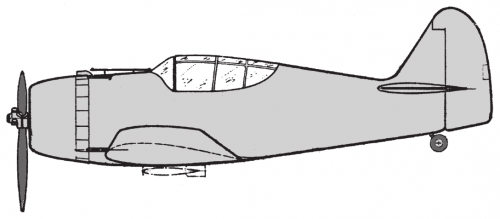
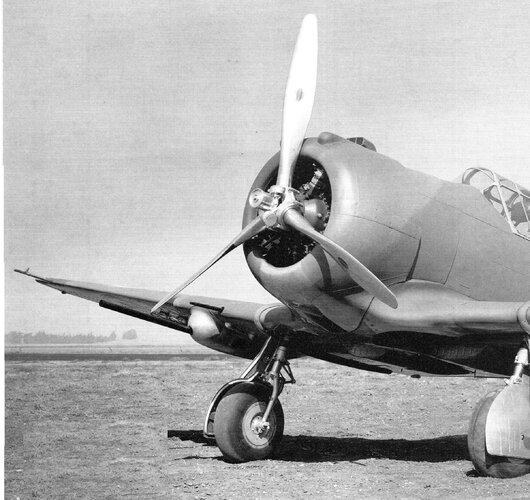
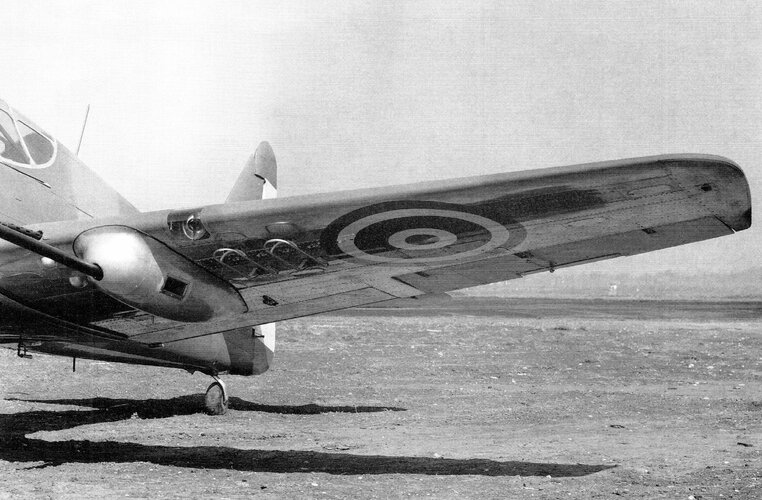
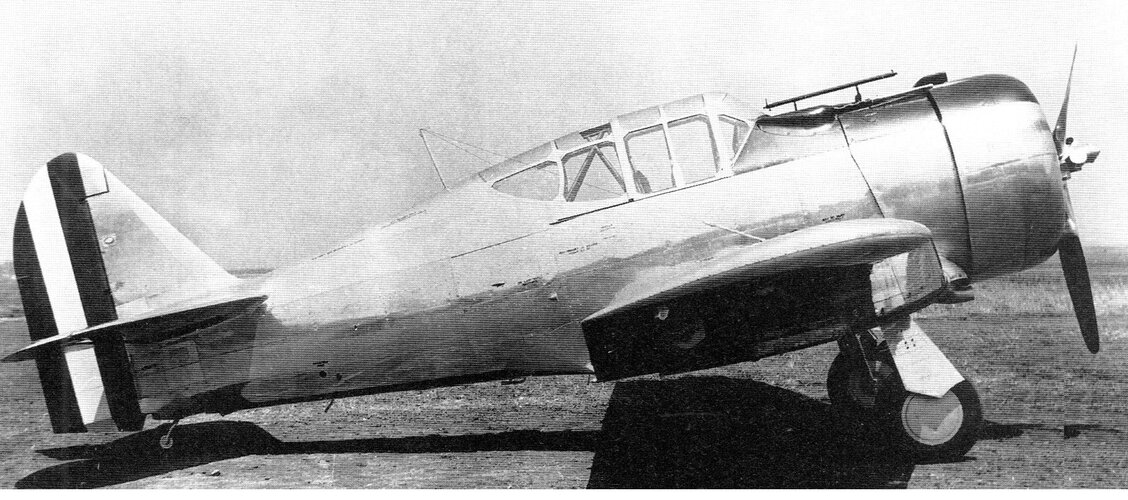
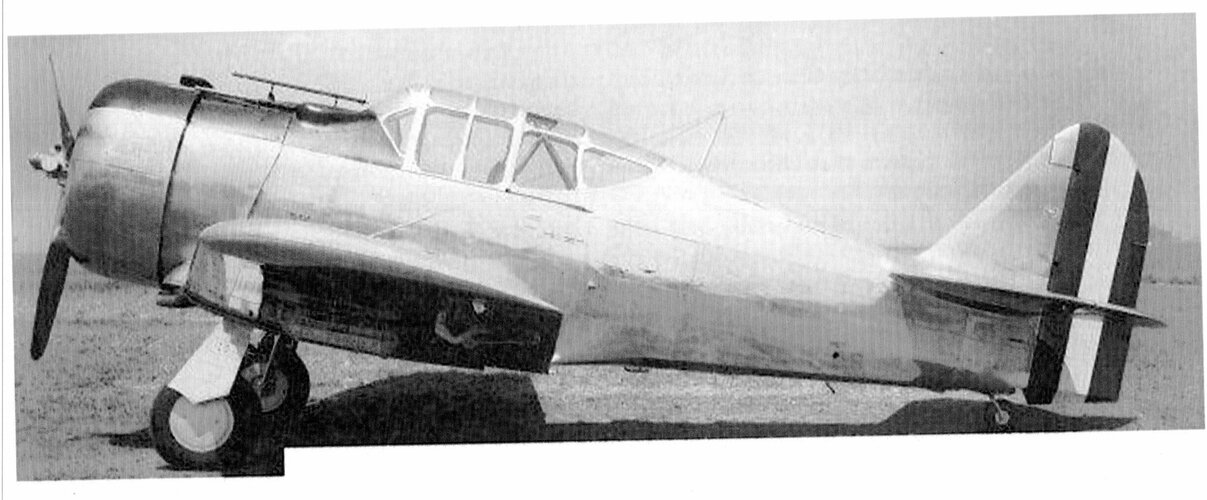
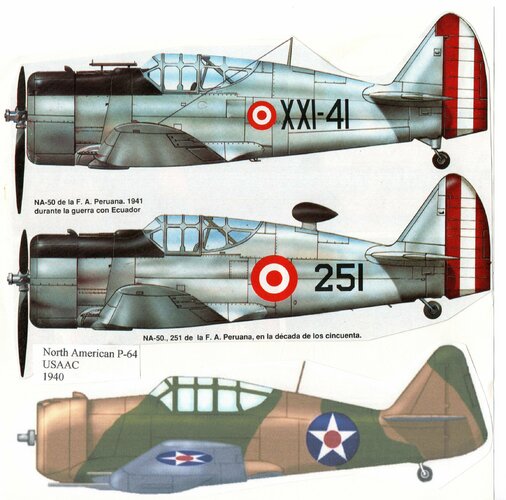
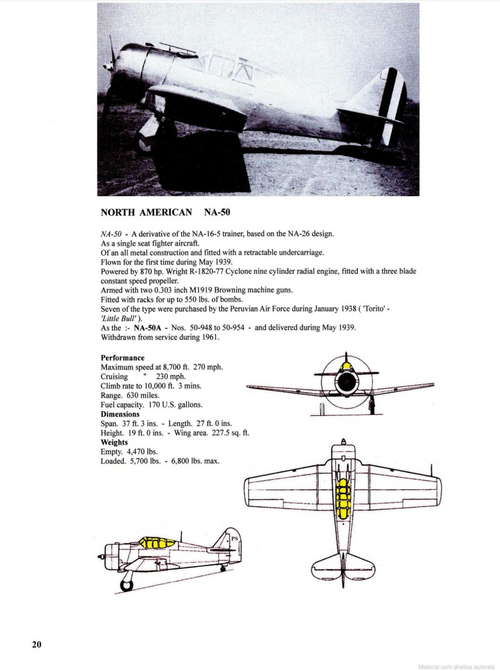
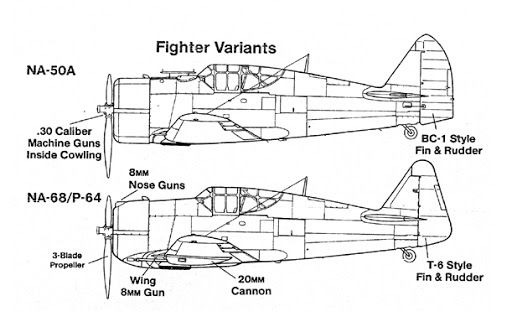
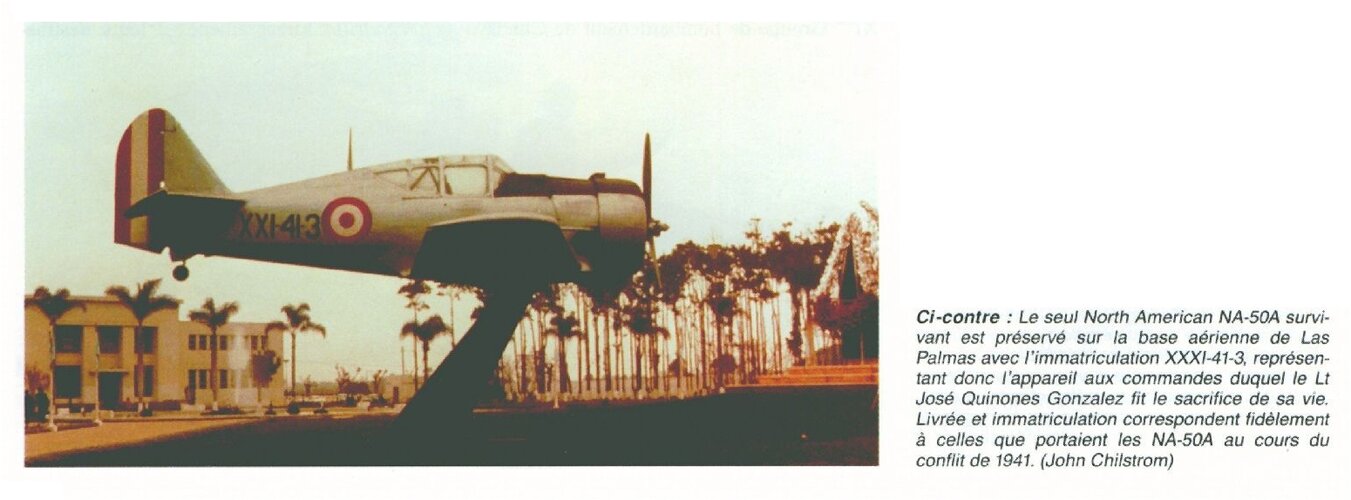
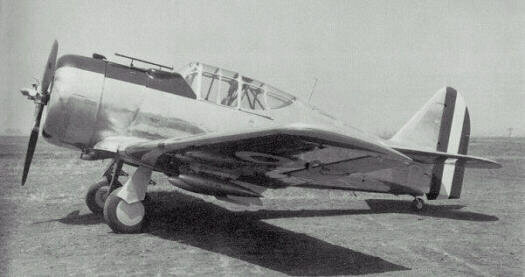
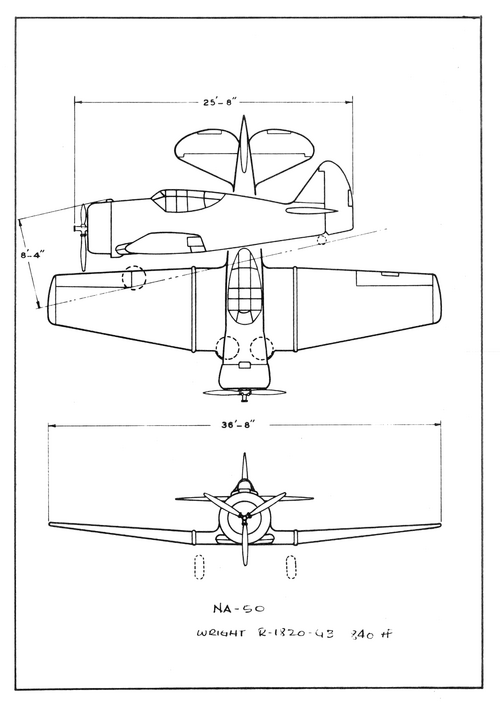
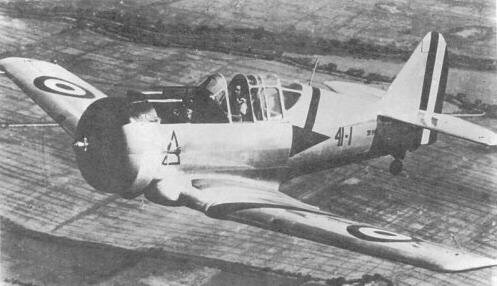
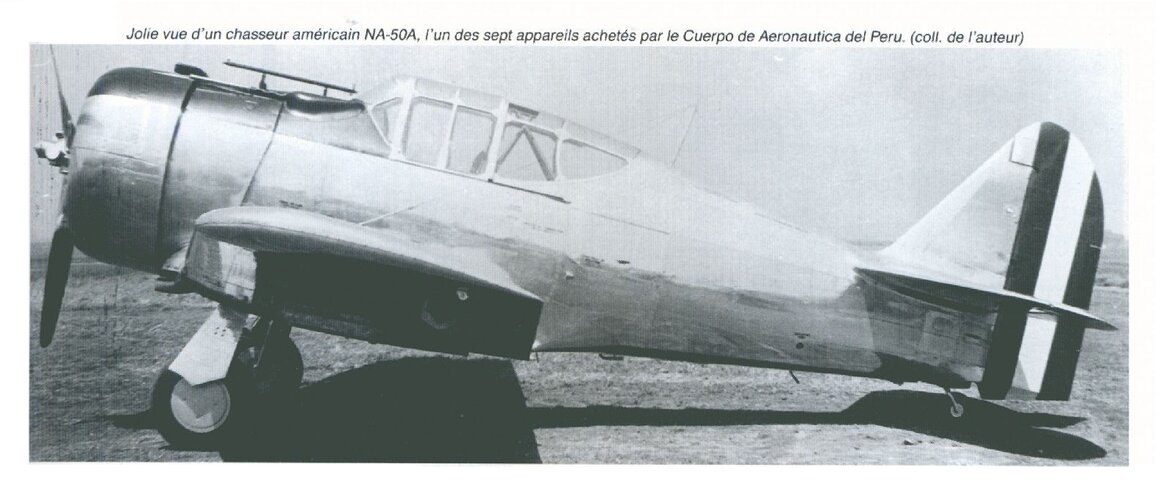
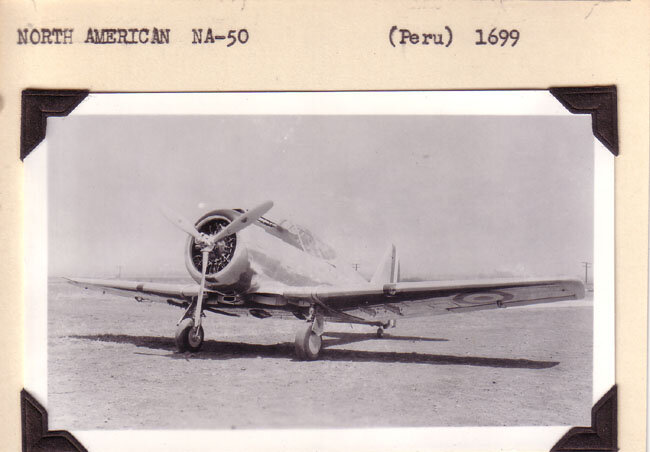
  • NA-50 : this was a single-seat pursuit, with the tail unit of the early NA-16 series and fixed gear. It was started in Aug. 1938 under contract FO53169 with the Peruvian Air Force, and powered with the 840hp Wright R-1820-43 Cyclone engine. Seven aircraft (c/n 50-948/954) were delivered and impressed under the designation NA-50 Torito ("Little Bull"), receiving serial numbers XXI-41-1/7. SEE PHOTOS BELOW.
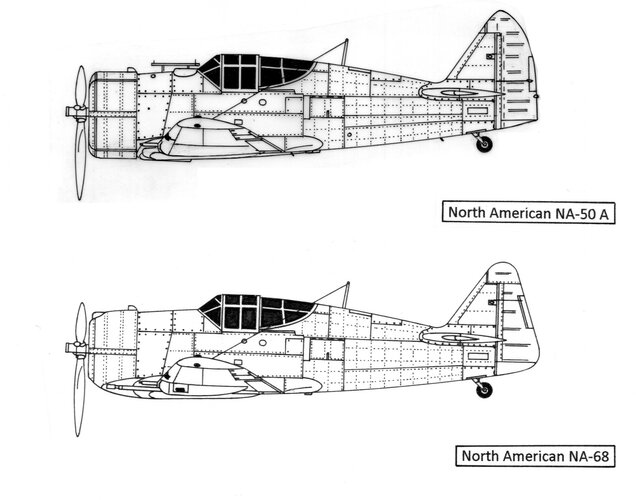
  • NA-50A : contrary to what is found in many sources (including respected magazines), this designation did NOT apply to the Peruvian aircraft. It initially designated the first iteration of the NA-53, and later the NA-68.
  • NA-50B (or P-509) : this designation was initially used in 1940 for what became the X-73/NA-73X (c/n 73-3097), the prototype demonstrator of the Mustang family [NX19998].
  • NA-53 (or NA-16-5) was a canceled single-seat fighter demonstrator with a Pratt & Whitney R-1830-S3C-G engine; meant as a demonstrator for export, it was studied in Sept.-Oct. 1938, then canceled. Since engineering was started on the project, it is possible that constructor's number 53-955 (unaccounted for) may have been allocated to it, but this would require confirmation. NOTE: Calling this the "Super P-64" (as the makes absolutely no sense, since it was canceled way before the P-64 was ever a thing.
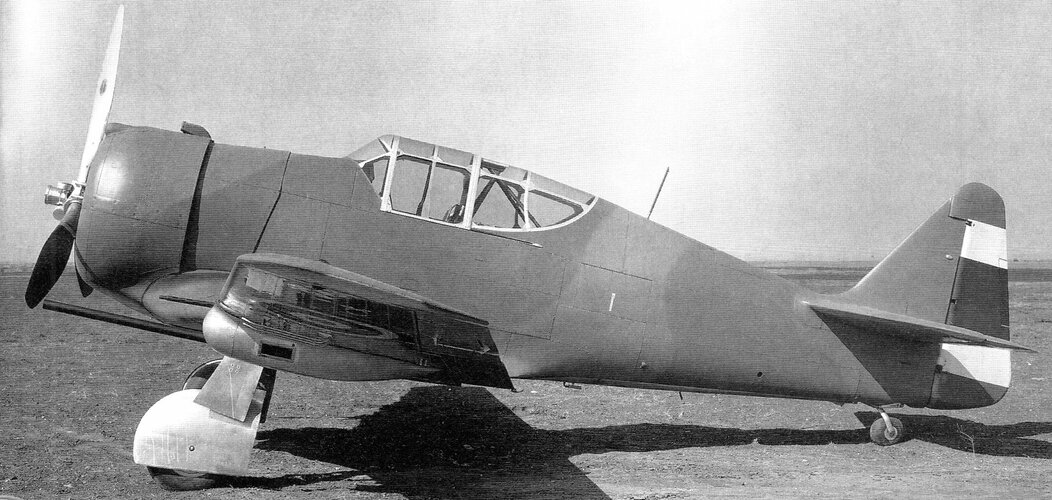
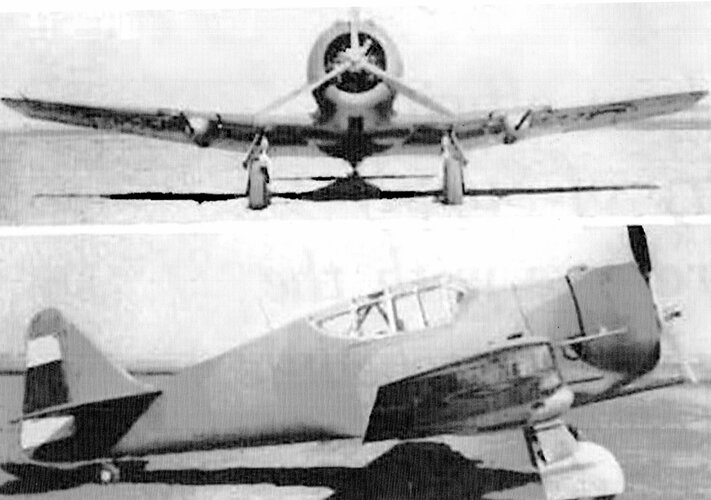
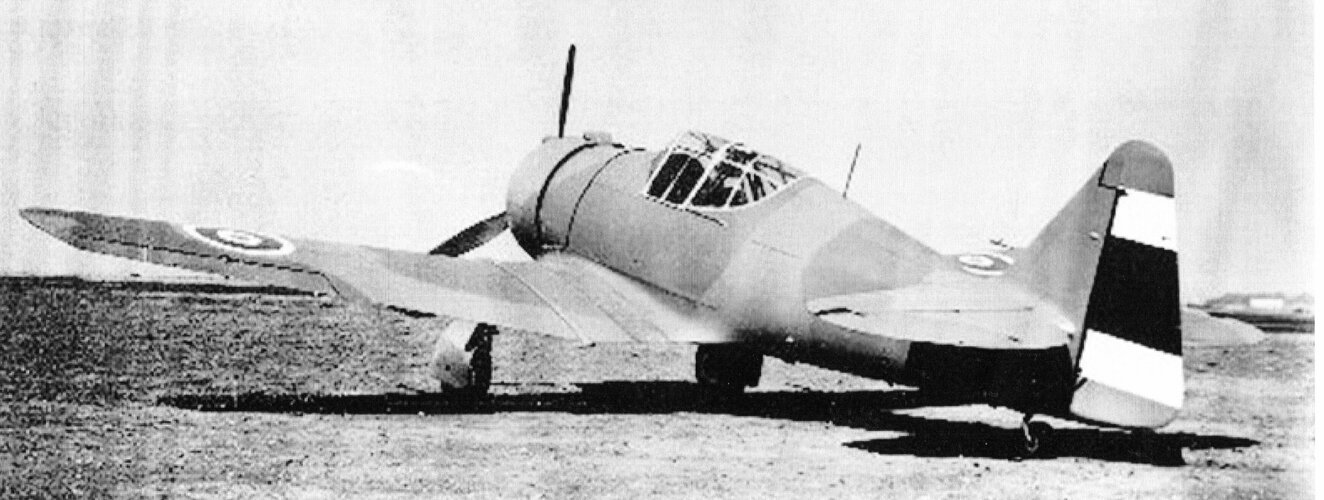
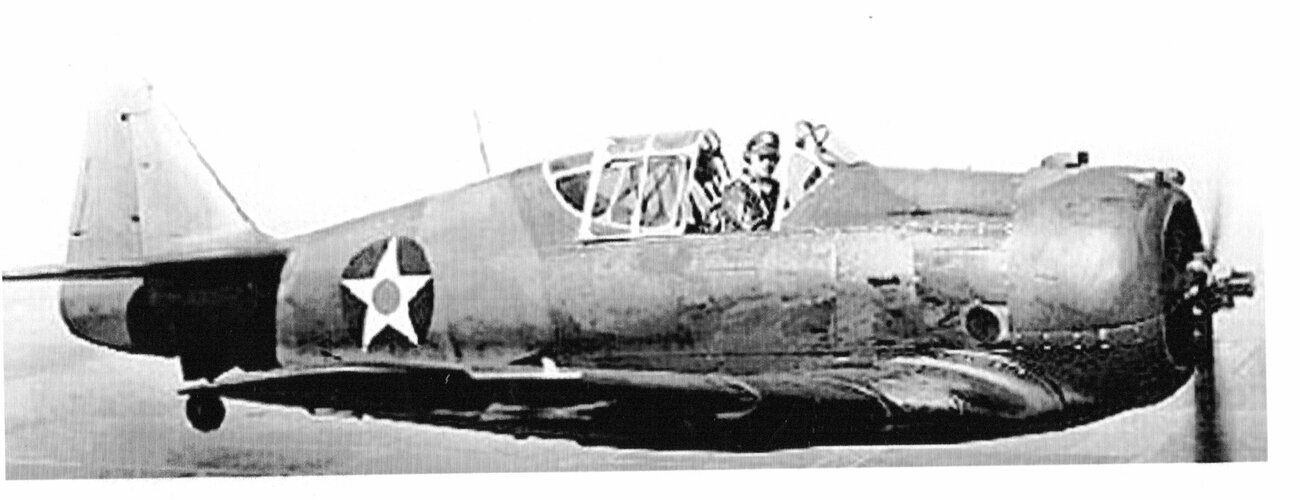
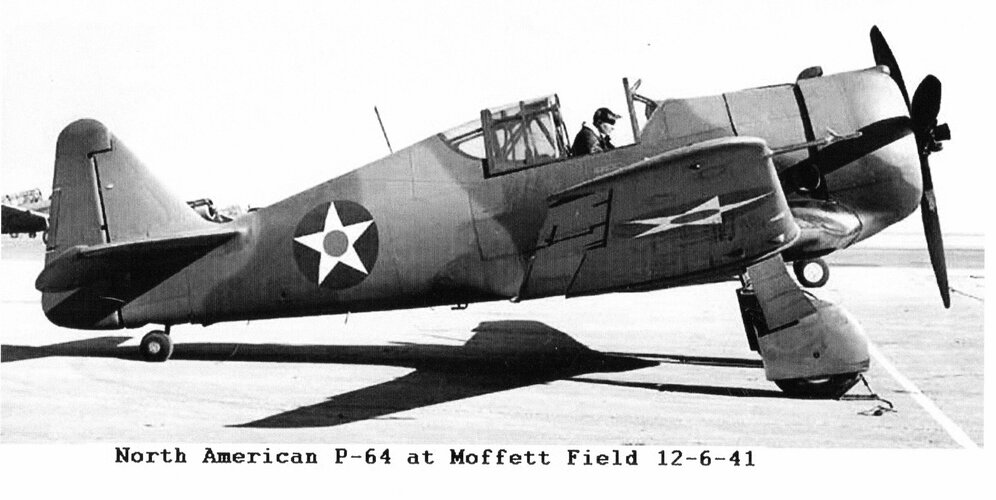
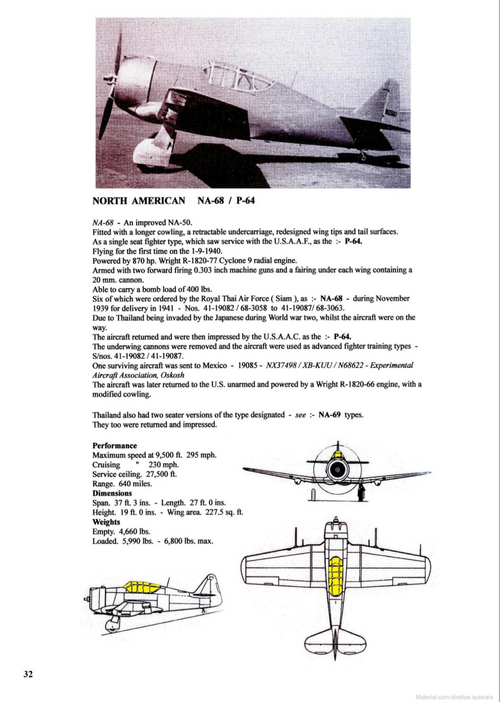
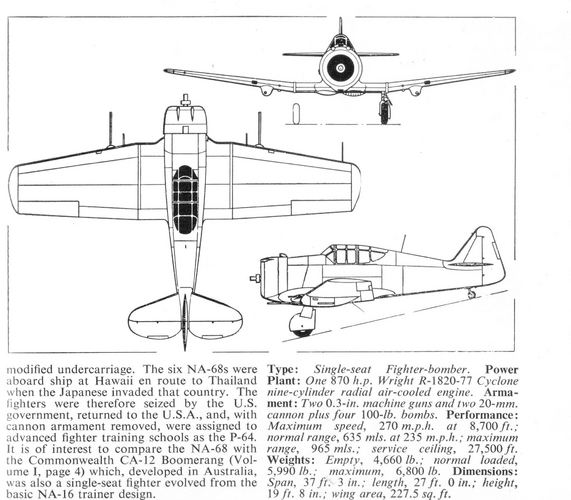
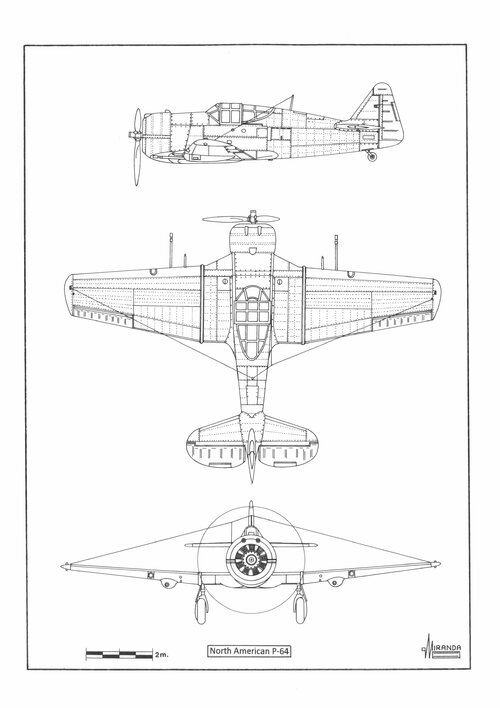
  • NA-68 (or NA-50A) was a single-seat fighter type like the NA-50, but with the tail unit of the AT-6 series. Developed in Nov.-Dec. 1939, six aircraft (c/n 68-3058/3063) were initially built for the Royal Thai Air Force, but were eventually diverted to the U.S. Army Air Corps, which impressed them under the designation P-64 (serials 41-19082/19087).
 

Attachments

  • surviving NA-50 Peru (NOT NA-50A).jpg
    surviving NA-50 Peru (NOT NA-50A).jpg
    358.9 KB · Views: 70
  • NA-50 (2).jpg
    NA-50 (2).jpg
    23.4 KB · Views: 68
  • NA-50.png
    NA-50.png
    274.7 KB · Views: 68
  • NA-50.jpg
    NA-50.jpg
    25.9 KB · Views: 64
  • NA-50 Peru.jpg
    NA-50 Peru.jpg
    477.3 KB · Views: 67
  • card2.jpg
    card2.jpg
    46.9 KB · Views: 74
North American NA-50​


The entering service of new models of fighter monoplanes, during the second half of the thirties, required the re-training of many pilots who were not familiar with the use of the retractable undercarriage. This huge demand was answered by the North American firm in 1937 with the creation of the NA-26 model, a version of the NA-16, 1935 trainer equipped with retractable landing gear.

The plane was a worldwide success, and thousands of units were manufactured. The availability of many airframes and spares encouraged the manufacturer to design the NA-50, a low-cost light fighter based on the NA-26. The NA-50 could be sold for export to the air forces of smaller nations in need of faster fighters to combat against the new bombers Bristol Blenheim, Heinkel He 111 and Mitsubishi Ki.21 that were entering service.

These countries could not acquire such sophisticated bombers, but they needed fast and cheap attack airplanes. To meet both requirements, in 1938 North American built seven units of the NA-50, a small single seat fighter for the Cuerpo de Aeronáutica del Peru (Peruvian Air Force) delivered in 1939.

In July of several fighters of the 41 Escuadrilla del XXI Escuadron de Caza, saw combat during the border war between Peru and Ecuador in 1941. One aircraft was shot down by ground fire.

Painting scheme: Natural metal overall with black anti-glare panel over the nose, black serials in the fuselage sides, Peruvian AF roundels red-white-red in four positions (July 1941) and six positions (November 1951).

North American NA-50 technical Data

Wingspan: 11.35 m, length: 8.21 m, height: 3.63 m, wing area: 21.93 sq. m, maximum weight: 2,585 kg, maximum speed: 475 km/h, range: 1,100 km, power plant: one 875 hp Wright Cyclone R-1820-77 air-cooled radial engine, armament: two 7.62-mm Colt machine guns mounted in the engine cowling.
 

Attachments

  • alfa.jpg
    alfa.jpg
    277.5 KB · Views: 48
  • alfa-2.jpg
    alfa-2.jpg
    322.6 KB · Views: 52
North American NA-68 (P-64)​


In 1939, North American built thirteen units of the NA-68, a more sophisticated version of the NA-50, for the Royal Thai Air Force. The new model differed in having revised outer wing panels, a triangular tailfin, strengthened landing gear and increased armament.

In October 1940, six NA-68 fighters were in route to Thailand when their export clearance was cancelled and seized by the U.S. authorities in Hawaii. The cancellation was caused by the news that Thailand had acquired twenty-four Mitsubishi Ki.30 attack bombers and nine Mitsubishi Ki.21 medium bombers to Japan, to attack the French forces in Indochina.

On 1941, the six NA-68’s (41-19082 to 41-19087) were re-designated P-64 and delivered to the USAAC, for use as an advanced trainer at Santa Ana and Luke Field airbases.

Painting scheme (Royal Thai Air Force): Dark Brown Du Pont 71-035/Dark green Du Pont 71-013 upper surfaces, natural metal under surfaces, Thai roundels red-white-blue-white-red in four positions, red-white-blue-white-red stripes in the rudder.

Painting scheme (U.S.A.A.C): Dark Brown Du Pont 71-035/Dark Green Du Pont 71-013 upper surfaces, Neutral Grey 43 (FS 36173) under surfaces, meat ball insignias in six positions.

Nort American NA-68 technical data

Wingspan: 11.38 m, length: 8.51 m, height: 3.63 m, wing area: 21.13 sq. m, maximum weight: 3,188 kg, maximum speed: 452 km/h, range: 1,140 km, service ceiling: 9,750 m, power plant: one 875 hp Wright Cyclone R-1820-77 air-cooled radial engine, armament: two 8-mm Colt machine guns mounted in the cowl and two 23-mm Madsen cannons in underwing nacelles and four underwing 50 kg bombs.
 

Attachments

  • beta.jpg
    beta.jpg
    299.2 KB · Views: 50
  • beta-1.jpg
    beta-1.jpg
    286.6 KB · Views: 48
  • beta-2.jpg
    beta-2.jpg
    289.3 KB · Views: 53
North American NA-69

This was the attack version of the NA-26 advanced trainer, designed in 1937 for export purposes.
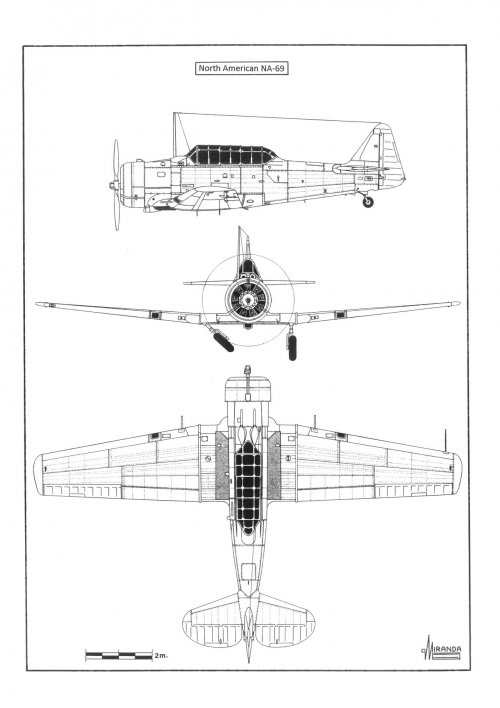
In November 1939, ten units were ordered by Thailand, in October 1940 were seized by American authorities and impressed into USAAC service under the designation

A-27. The aircraft were sent to the Philippines, where they were attached to the 24th Pursuit Group, operating together with the P-35A’s of the 17Sqn, as second line emergency fighters, between December 1941 and March 1942.
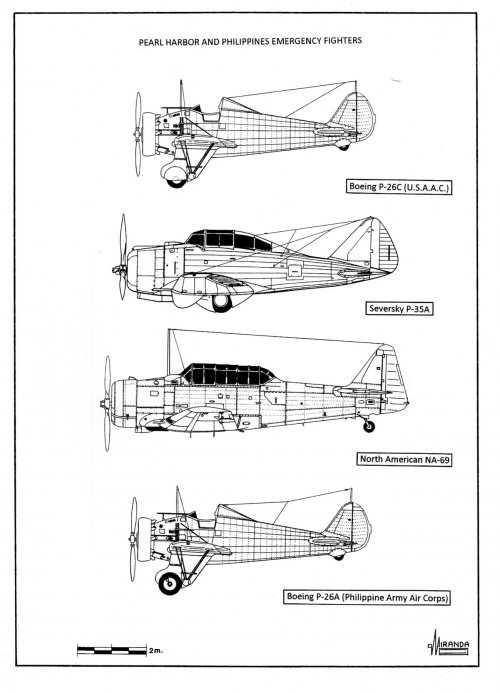
Painting scheme (Royal Thai Air Force): Dark Brown Du Pont 71-035/Dark green Du Pont 71-013 upper surfaces, natural metal under surfaces, Thai roundels red-white-blue-white-red in four positions, red-white-blue-white-red stripes in the rudder.

Painting scheme (U.S.A.A.C): Dark Brown Du Pont 71-035/Dark green Du Pont 71-013 upper surfaces, Neutral Grey 43 (FS 36173) under surfaces, meat ball insignias in six positions.


North American NA-69 technical data

Wingspan: 12.8 m, length: 8.84 m, height: 3.71 m, wing area: 23 sq. m, maximum weight: 3,035 kg, maximum speed: 402 km/h, range: 1,300 km, power plant: one 775 hp Wright R-1820-F52 air-cooled radial engine, armament: two 0.3-in machine guns in the cowl and one flexible 0.3-in machine gun in the rear cockpit.
 

Attachments

  • delta.jpg
    delta.jpg
    252.5 KB · Views: 57
  • delta-1.jpg
    delta-1.jpg
    301.1 KB · Views: 62

Similar threads

Back
Top Bottom