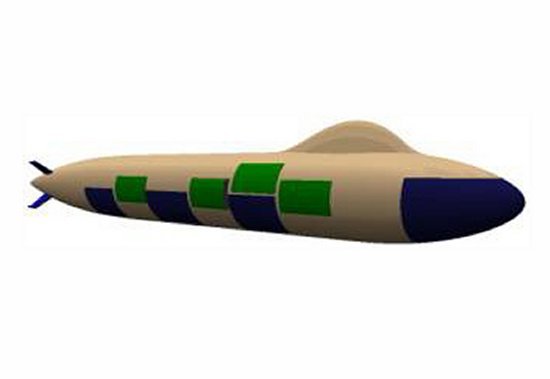
New Generation Russian SSBN by the Rubin Central Marine Engineering Design Bureau

Already? The Project 955As aren't even really old and there's probably still a lot that can be done with the design (IIRC the idea of Borei-K SSGNs floated around at one point).
 
The drone is interesting - one wonders about its role? Status-6 perhaps?
 
Something with TKMS last design inspiration (shape, conning tower)..
Note the fins.... new and interesting design as not in the hydrodynamic drag as a X classical rudder.
Arcturus (how this concept was called), 212CD (what you meant) and the Royal Navy Dreadnought SSBNs all lean into the blended sail, angular body design. Seems like the beginning of a trend? I suppose the Astutes could be counted as early examples too.
 
Just a fancy expo concept model, nothing more.
Yeah, I've been to a great many trade shows where these dumb models come out and I generally just snicker, roll my eyes and move along.

Build it and then get back to me.
 
Something with TKMS last design inspiration (shape, conning tower)..
Note the fins.... new and interesting design as not in the hydrodynamic drag as a X classical rudder.

Reminds me of when I was reading through the NSSN Virginia thread, the conning tower or sail depicted? Or is it a really curved version of the already existing Project 971 submarine.
 

Attachments

  • ssn-conformal-1.jpg
    ssn-conformal-1.jpg
    10.4 KB · Views: 20
Something to consider is that the Russian submarine design sphere is much different than that in the West. In the United States, submarine concept designs are generally produce by small teams of naval architects from NAVSEA and the two shipyards, Electric Boat and Newport News. Together, they number probably less than 100 people.

In Russia, there are two main design bureaus, Malakhit and Rubin, each with hundreds or thousands of employees (don't quote me on the figure, but during the Soviet era they had many thousands of employees each). The design bureaus are constantly churning out a wide variety of potential (concept) designs. Thus any designs shown by the Russians should be considered in this context: as just one of a number of concept designs generated by the design bureaus and not an indication of the Russian Navy's procurement of those specific designs.
 
Something to consider is that the Russian submarine design sphere is much different than that in the West. In the United States, submarine concept designs are generally produce by small teams of naval architects from NAVSEA and the two shipyards, Electric Boat and Newport News. Together, they number probably less than 100 people.

In Russia, there are two main design bureaus, Malakhit and Rubin, each with hundreds or thousands of employees (don't quote me on the figure, but during the Soviet era they had many thousands of employees each). The design bureaus are constantly churning out a wide variety of potential (concept) designs. Thus any designs shown by the Russians should be considered in this context: as just one of a number of concept designs generated by the design bureaus and not an indication of the Russian Navy's procurement of those specific designs.

Is there a potential these designs could be manifested in any form or just pure fodder for later designs?
 
Last edited:
Arcturus (how this concept was called), 212CD (what you meant) and the Royal Navy Dreadnought SSBNs all lean into the blended sail, angular body design. Seems like the beginning of a trend? I suppose the Astutes could be counted as early examples too.
Yes, it's a way to reduce active sonar detection range.
 

Similar threads

Back
Top Bottom