It's certainly not as easy as you portray it, otherwise it would be much more common. And while stealth aircraft have been somewhat democratized, in that more and more countries have been able to develop and field them, the design and construction is only one portion. Operation and maintenance is another, something USAF personelle repeatedly pointed out, similarly to how USAF, PLAAF and VKS sources state that the deployment of low observable aircraft required rethinking their doctrine and how they approach their own operations.
This can only be learned by real world deployment. Something that in Europe only applies to the UK, Germany and Italy. Countries that operate low observable aircraft (all three are F-35 customers), train with US forces on the type and have the industrial and financial capacity to develop their own upcoming stealth aircraft.
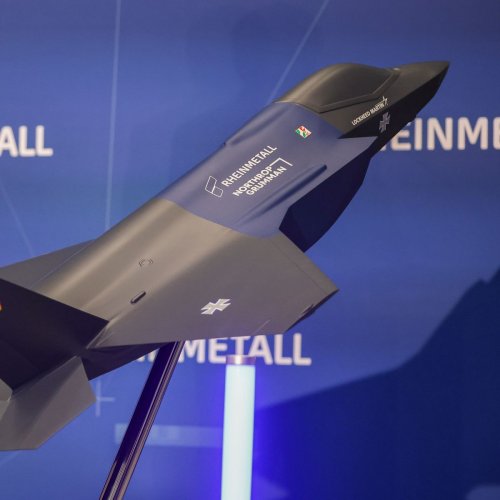
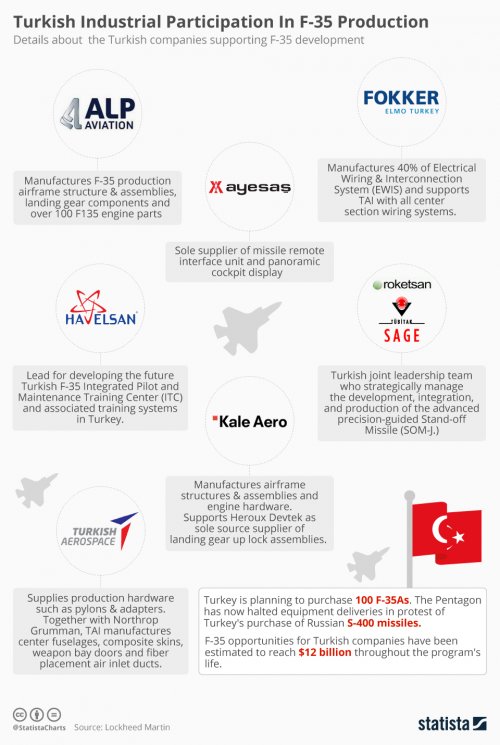
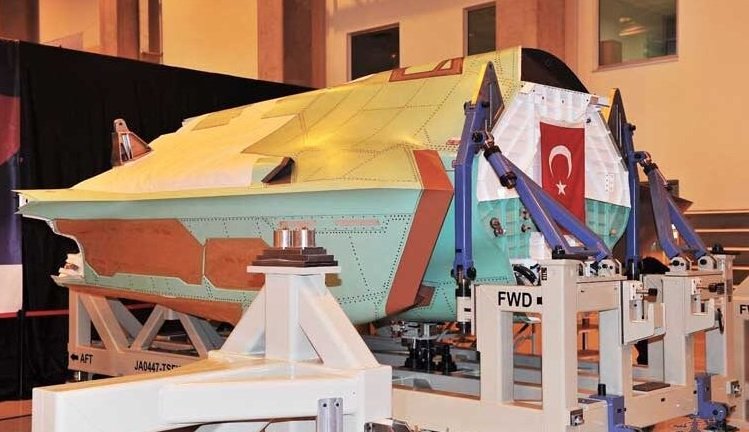
Industrial participation and genuinely operating, using and maintaining the F-35 offers a whole new dimension of familiarity with low observable combat aviation. Meaning that the Luftwaffe can introduce their input based on their experience they're going to gather with the F-35, something the MoD and Airbus/Rheinmetall/MTU/Hensoldt etc. can then consider in their choices to deliver something that benefits from real world validation.
The F-35 is through and through a win for the German military and in many ways a valuable opportunity for German industry. Missing out on the opportunities offered by the JSF means having to build the experience in construction, maintenance, operation and doctrine from scratch with a first time national low observable aircraft. When the F-35 can already offer a low risk head start. And in case of the Luftwaffe it was the perfect replacement for the Tornado anyway, it was a win/win.