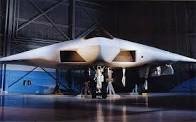
Nope, this makes little sense.The question is, whether it makes sense to rush into that huge investment and take that unnecessary risk for the sake of giving the F-35 an edge it intrinsically lacks due to the airframe design. The obvious temptation for the MIC is, predictably, to throw more money at it and hope that the current US advantage in engine performance allows them to save face, but that would be only more of the usual denial that ends up creating an even bigger trouble for the US air power further down the road. Because it will make current readiness and operational cost problems much worse and because rivals are not so far from having analogous propulsive advances on more dynamically capable platforms that would allow them to practically match a re-engined F-35 even having a less performing engine themselves. US planers should not lose so much sleep over the performance of the F-35 and forget unrealistic global air dominance goals first and foremost, that being done the rest of pieces of the puzzle would fall in place by themselves
The biggest performance challenge the F-35 is facing is thermal management of the onboard systems, especially in anticipation of Block 4 capabilities, hardly an intrinsic quality of the airframe. Even currently, the F135 is struggling to meet the thermal requirements for the onboard systems at high speed at low altitude, hence a time limit on operations at the lower right of the envelope. The AETP is developed specifically for additional range and greater thermal management capability in anticipation of future Block upgrades especially as the strategic focus shifts to the Pacific. Kinematic improvements is hardly the only factor behind adaptive propulsion, and to argue that it’s about “saving face” over kinematics is frankly a bunch of tripe.
Last edited:


 .
.