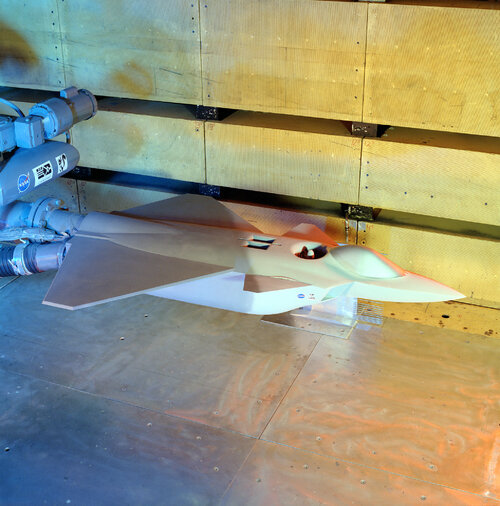
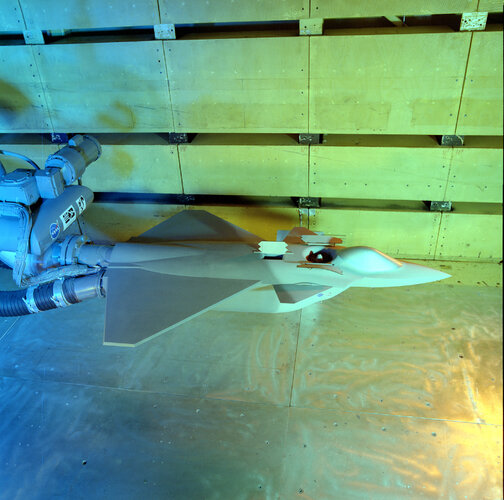
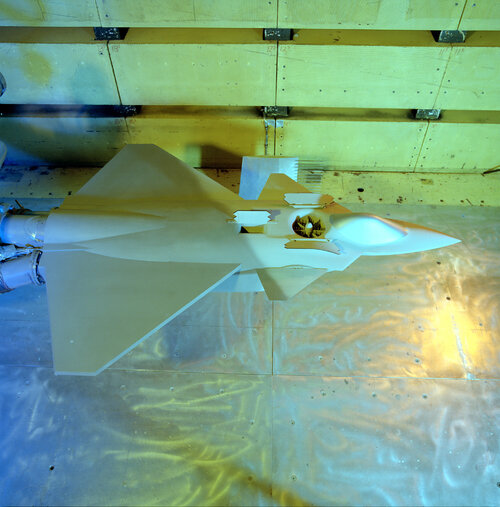
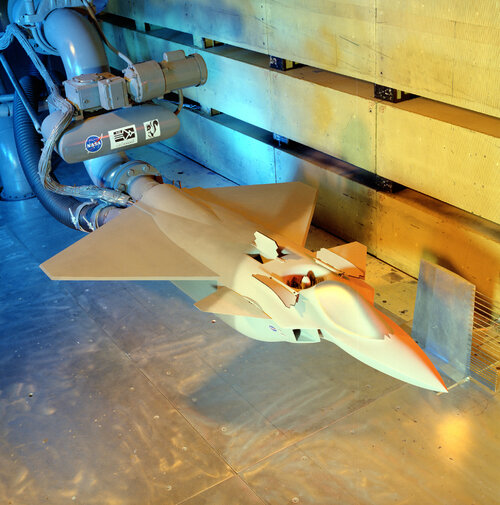
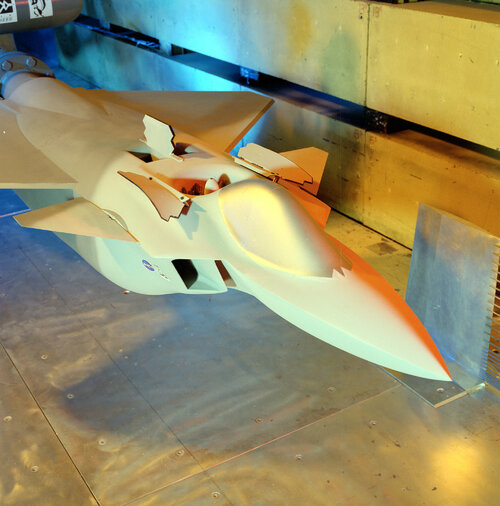
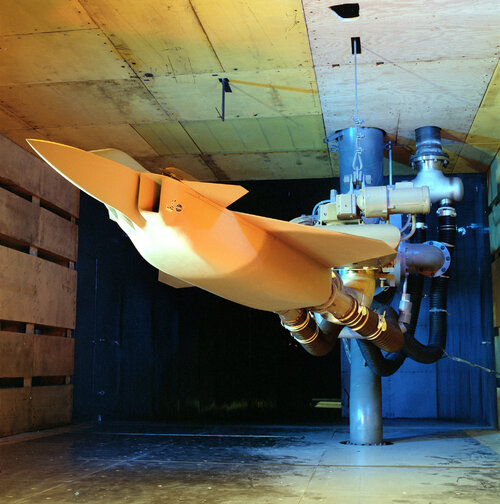
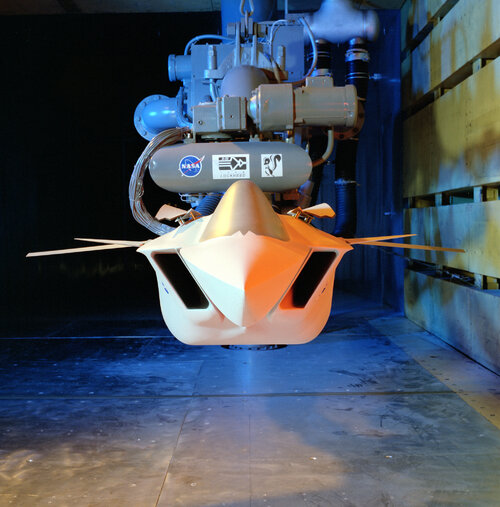
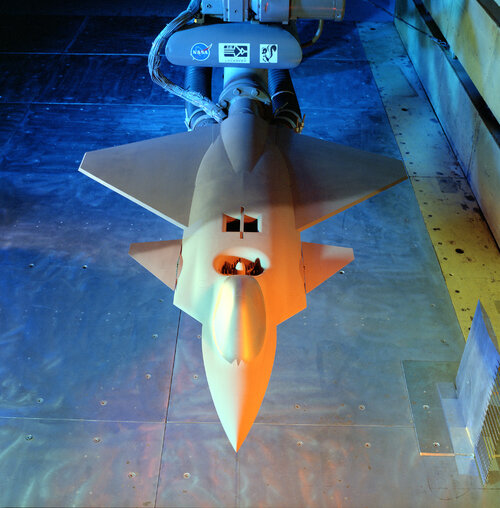
Imho the F-35 as a whole is indeed a game changer in capability... The problem in the US is rather that F-22 production was stopped at 187 and a "stealthy" F-14 successor wasn't introduced either. The result is the capability gap the F-35 cannot fill (and was never intended to).
 
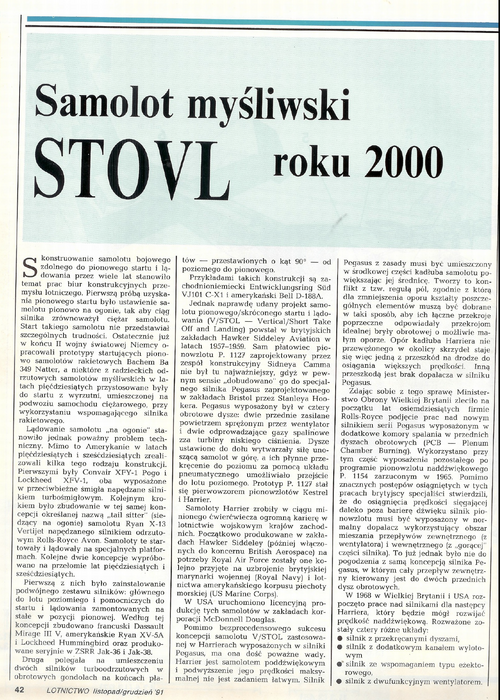
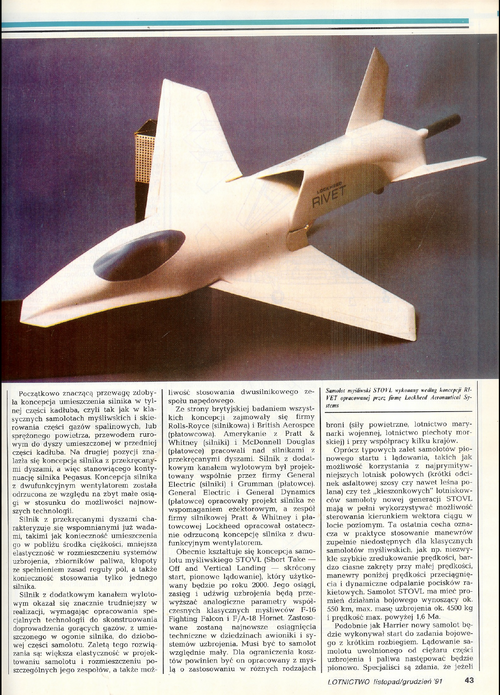
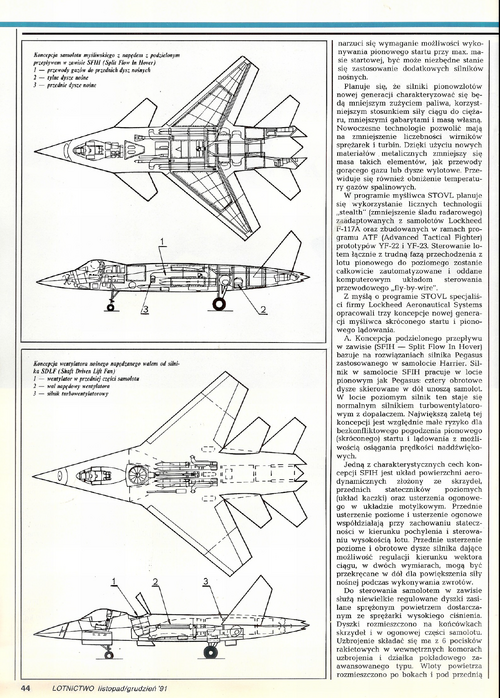
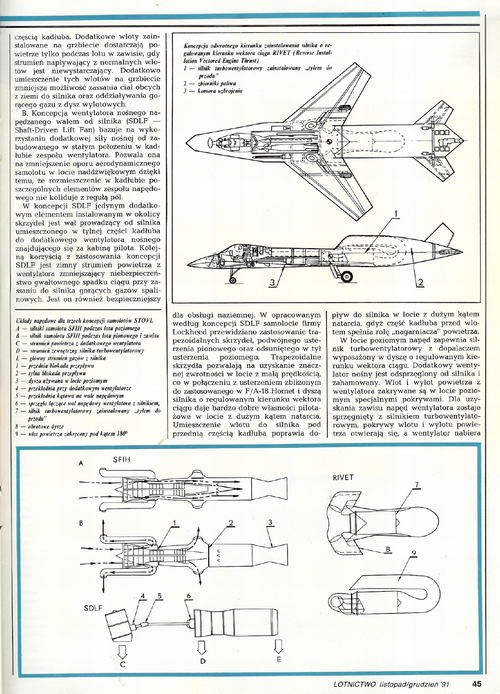
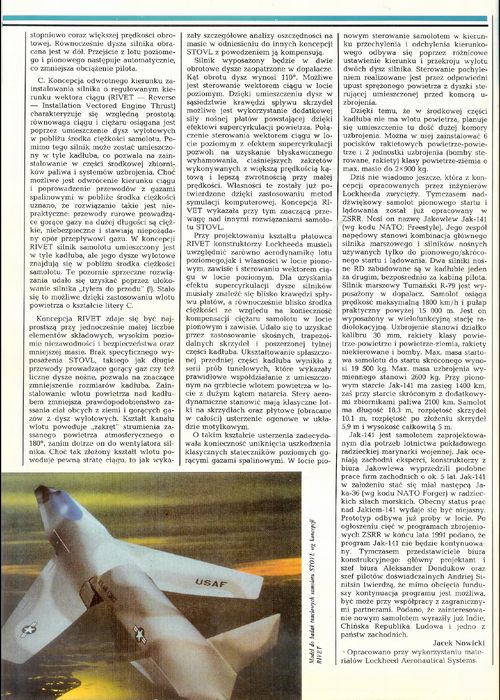
From Lotnictwo 1991-11/12.
I think that's a translated article straight out of Aerospace America. I think the pics are the exact same as was in the AA (AIAA Publication) that I read in school back in the eighties.
 
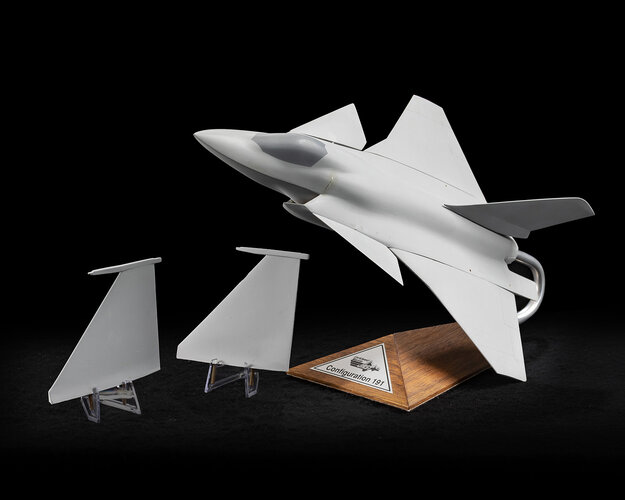
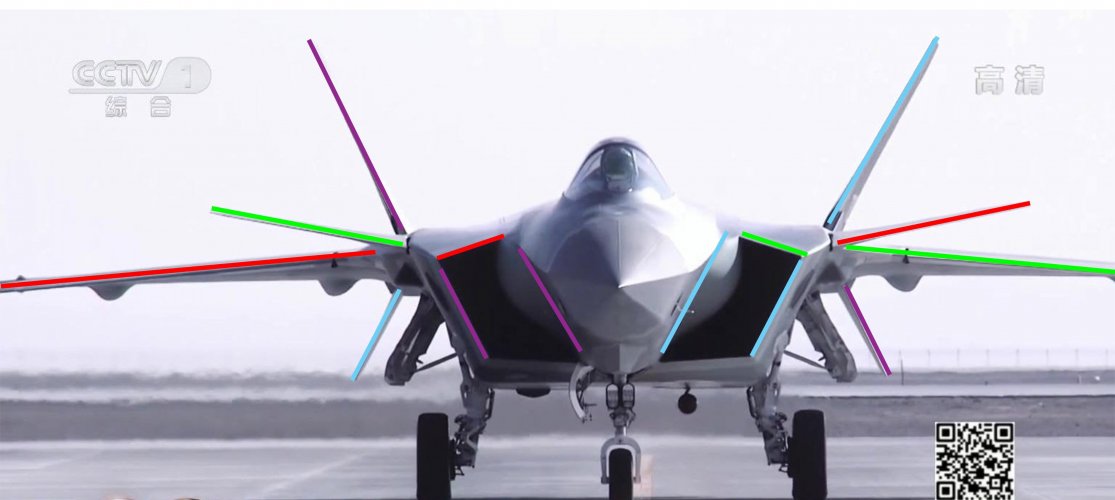
I see the j-20 or natf-23 or this and I wonder why the angle in which the canards sit are not same with the horizontal plane of the wings. Wouldn't this introduce an additional RCS spike?
 

Attachments

  • 1.png
    1.png
    635.4 KB · Views: 132
  • 2.png
    2.png
    115.6 KB · Views: 135
Last edited by a moderator:
Okay, been through this topic updating broken links. One deleted post lost the important information below, so I posted it here.

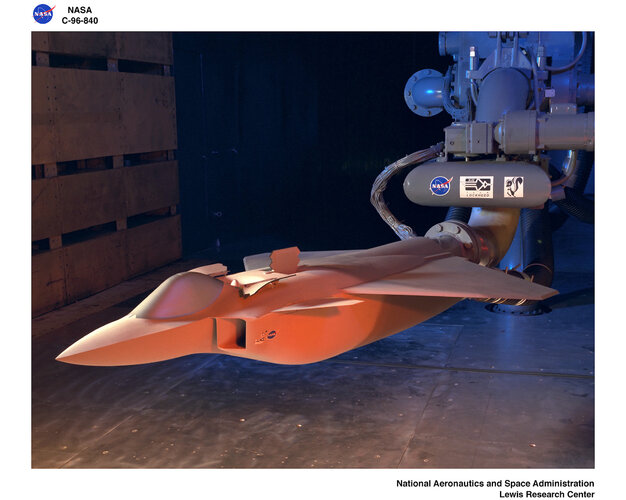
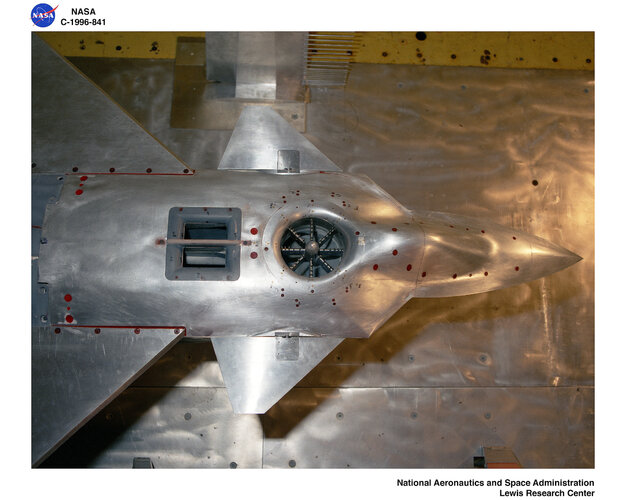
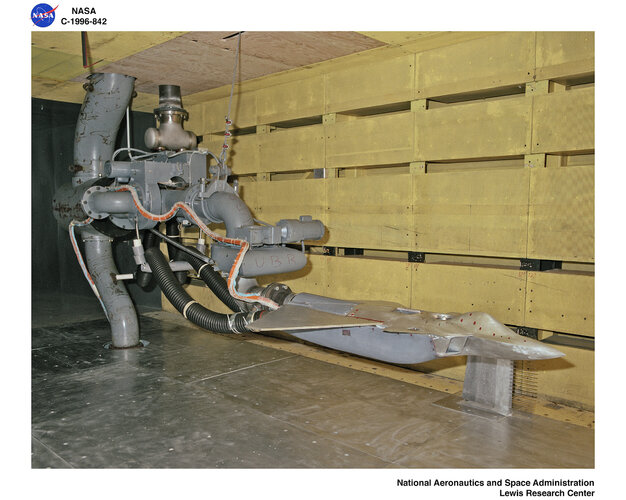
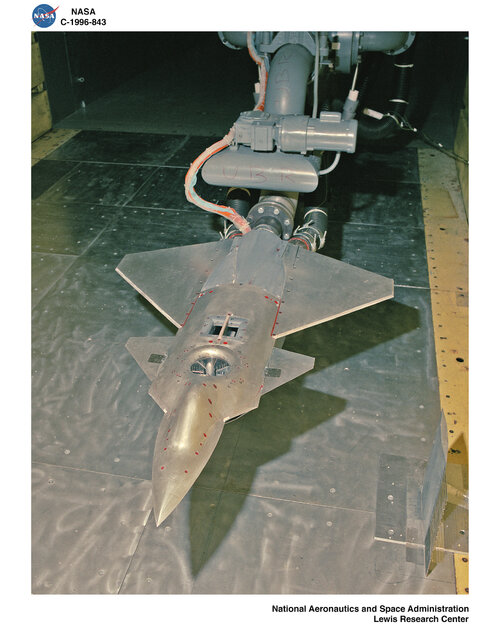
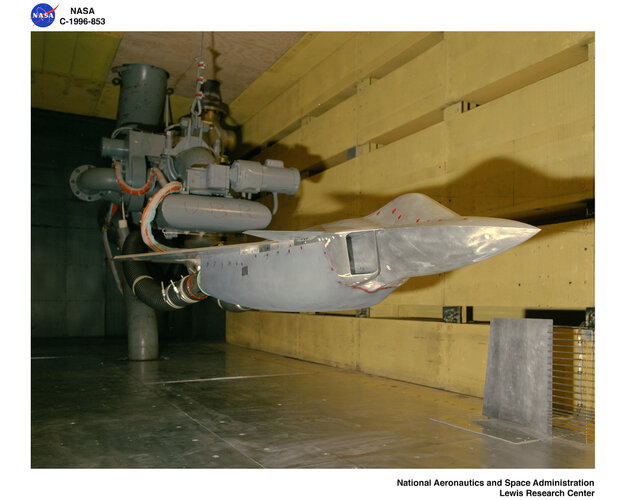
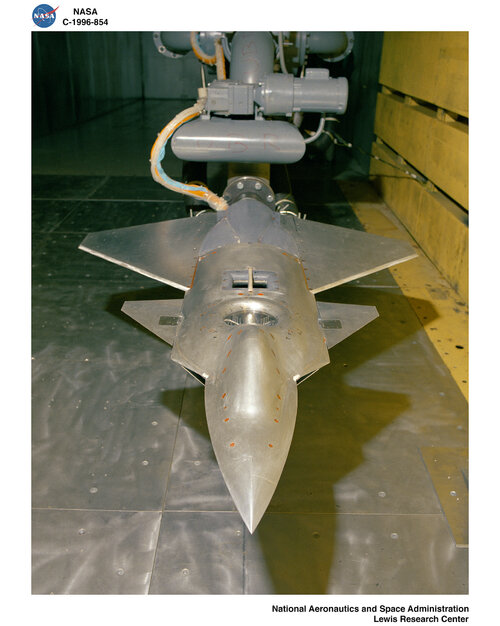
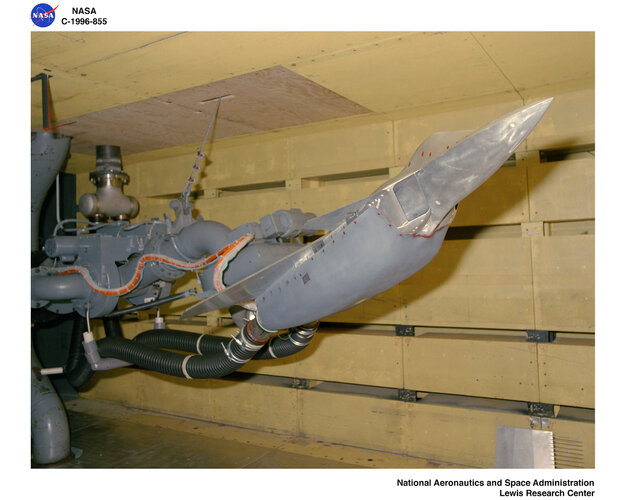
The history of the F-35 omits some important context about how Lockheed's classified SSF work gave them a near-unsurmountable leg up, in the opinion of people who worked on rival designs.

This was all posted on the JSF site there back in the day, and thanks to the Wayback machine, it's still visible:


Advanced Short Take-Off/Vertical Landing (ASTOVL) 1983-1994
The Defense Advanced Research Projects Agency (DARPA) began a program in 1983 to begin looking at the technologies available to design and manufacture a follow-on supersonic replace for the AV-8 Harrier. The program, known as ASTOVL, would eventually lead become a joint U.S.-U.K. collaboration. In 1987 the results of the ASTOVL program made clear that the technologies available were not yet advanced enough to generate a replacement that the U.S. and U.K. would have been satisfied with. At this time, DARPA secretly approached the Lockheed Skunk Works in the hopes that they would be able to develop an aircraft like they had hoped would have appeared from the first phase of ASTOVL. Lockheed told DARPA that they had some ideas that could be matured and that, if they were successful would meet the goals that DARPA was trying to achieve. At the same time, DARPA continued with ASTOVL Phase II as a cover for the covert work being done at the Skunk Works.
i. STOVL Strike Fighter (SSF) 1987-1994
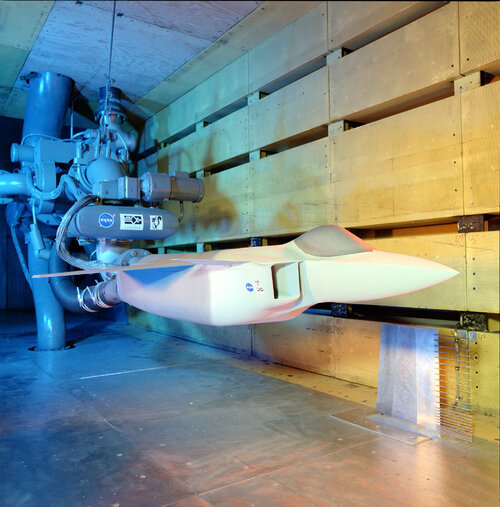
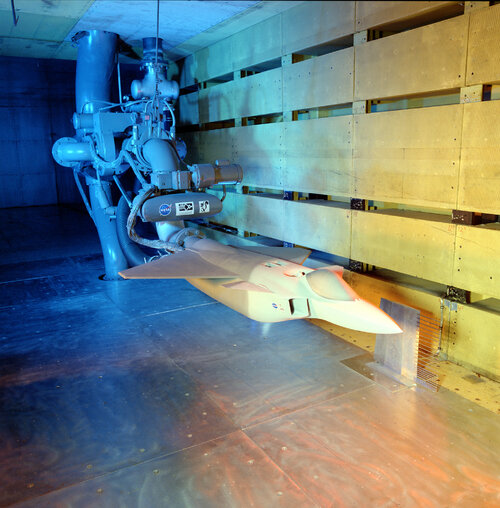
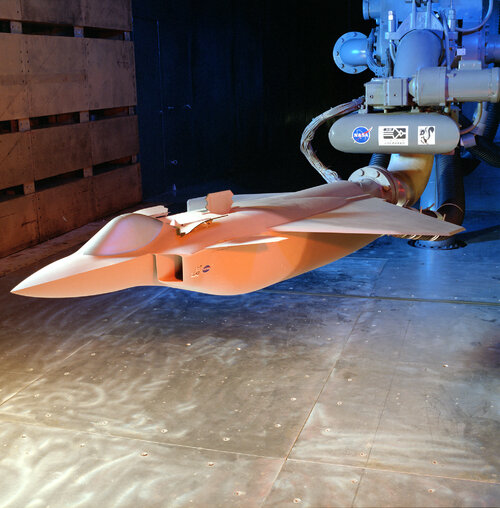
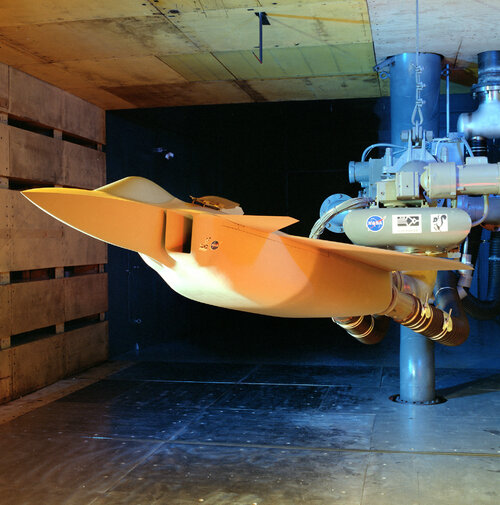
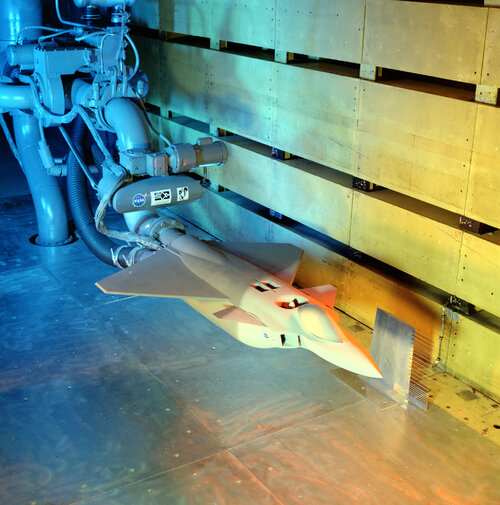
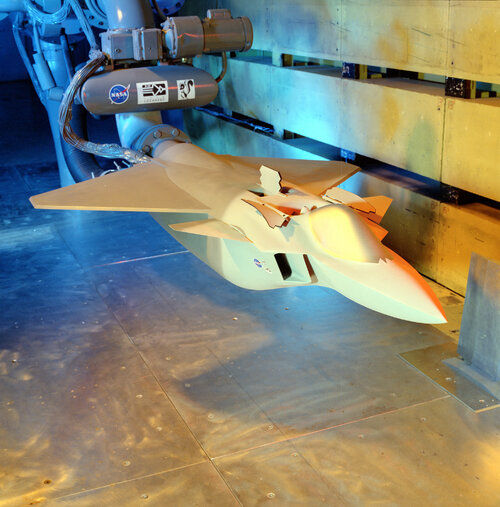
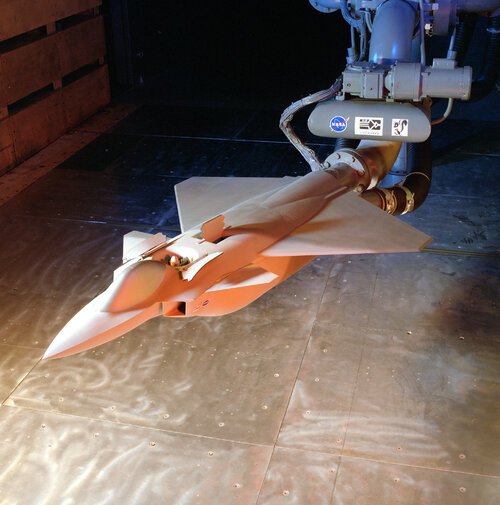
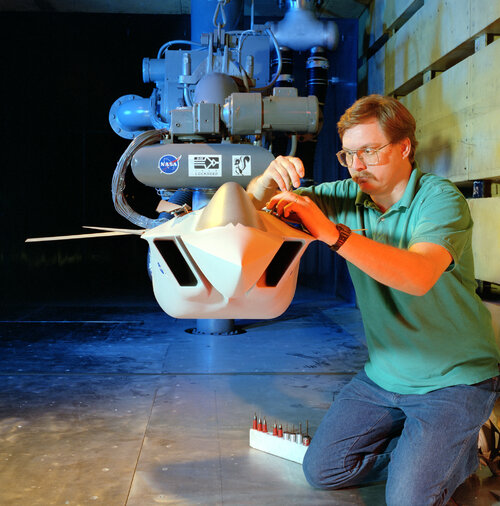
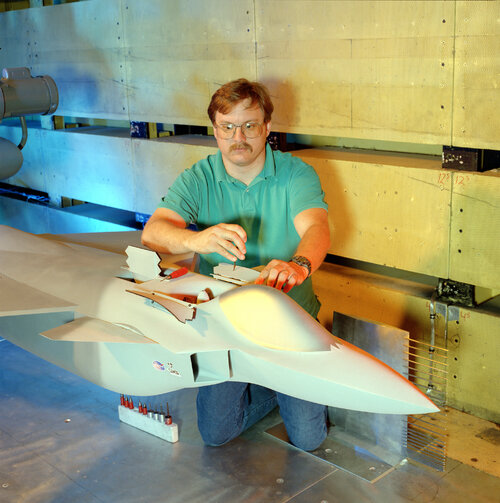
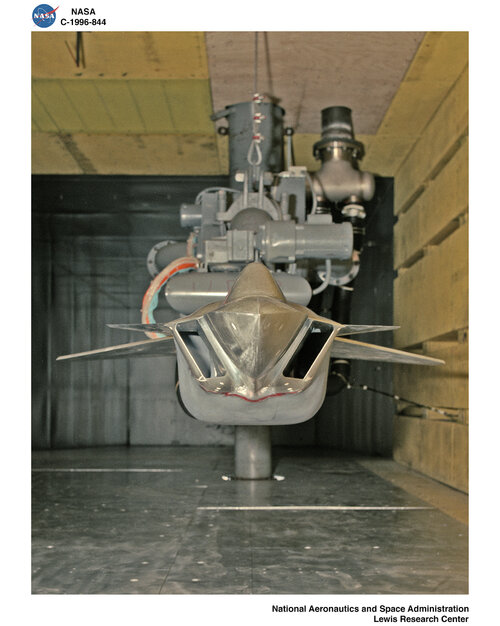
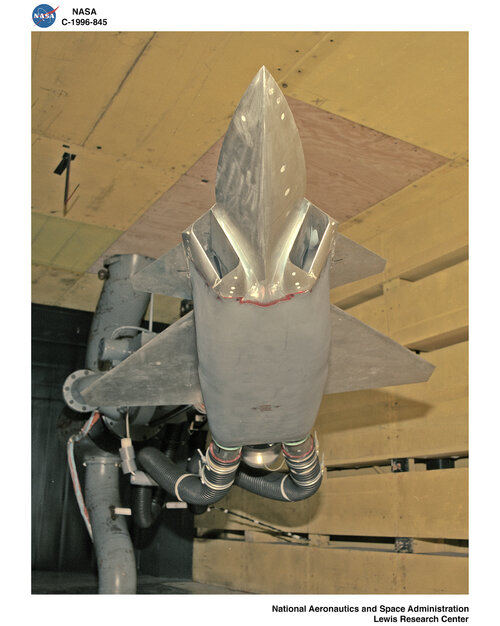
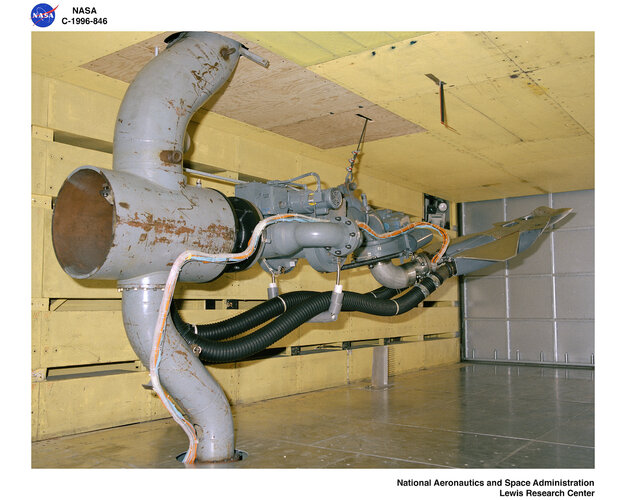
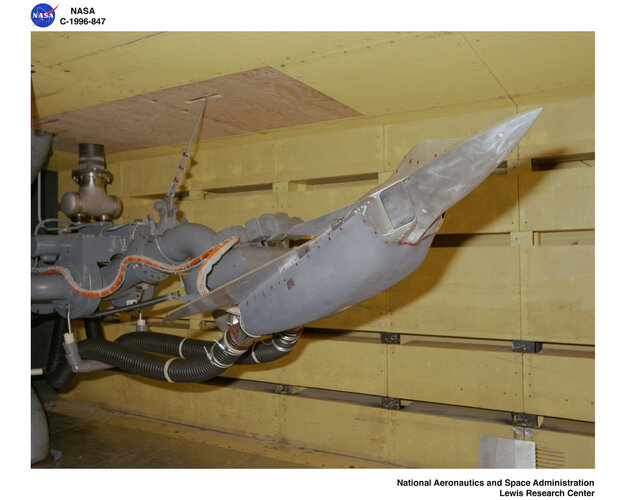
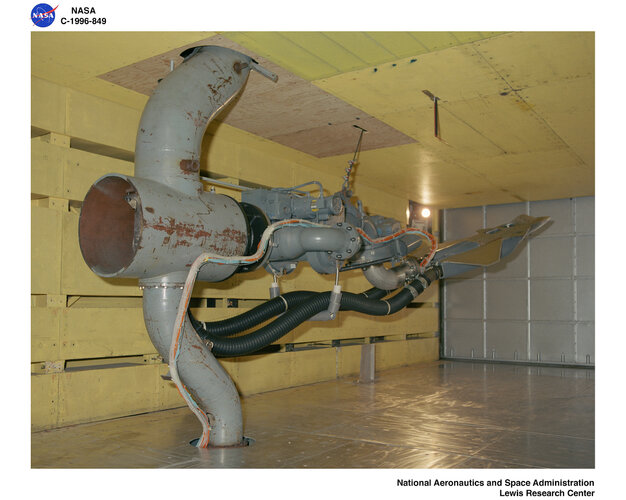
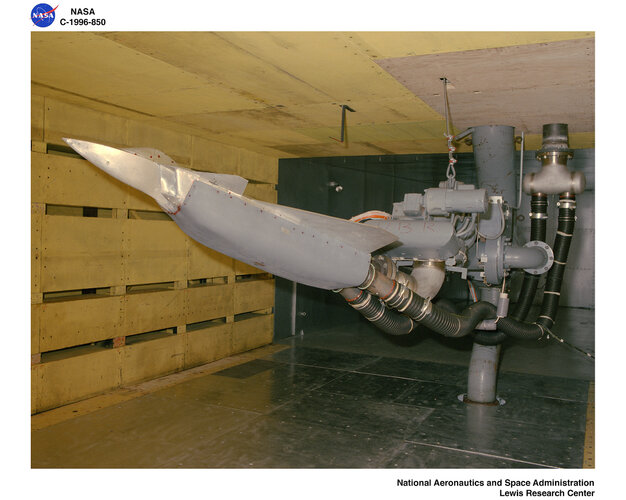
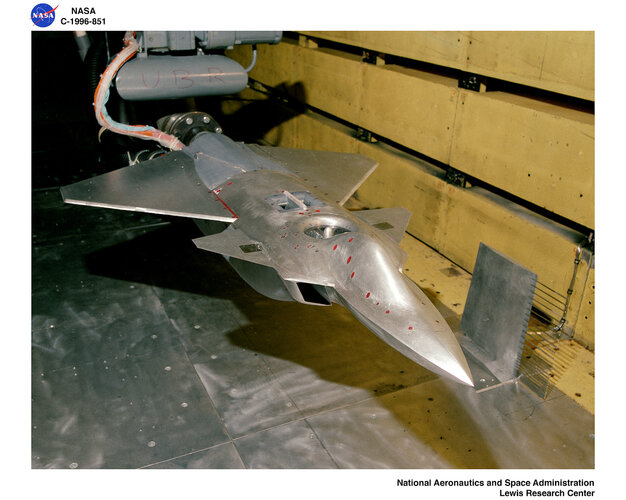
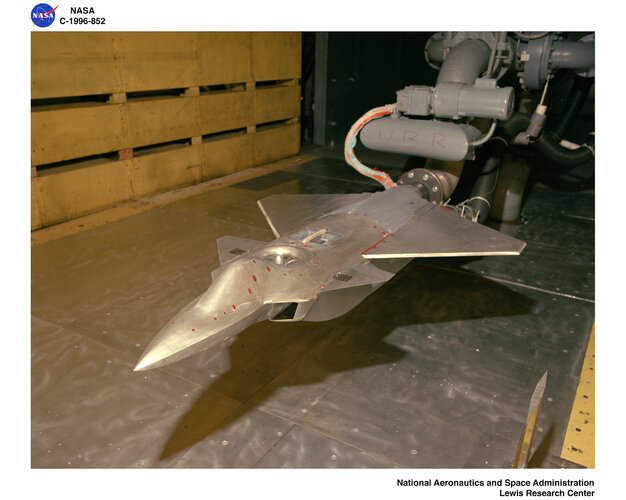
In the late 1980s the Lockheed Skunk Works was involved in a classified, non-acknowledged program with NASA Ames that looked into the feasibility of designing a stealthy supersonic STOVL fighter. This was a cooperative program that utilized the assets of NASA (wind tunnels, personnel, super-computers, etc.) along with the expertise of the Lockheed Skunk Works in designing stealthy air vehicles. The results from this highly classified program proved that a SSF could be successfully flown. Management at the Lockheed Skunk Works was convinced that the SSF design could be sold to both the U.S. Air Force and the U.S. Navy. (The U.S. Navy (NAVAIR) is the procuring office for Marine Corps aircraft.) The Skunk Works proposed a teaming between the USAF and the USN. The services agreed, a Memorandum of Understanding (MOU) was signed between the services and the SSF program began to come out of the black.
ii. Common Affordable Lightweight Fighter (CALF) 1993-1994
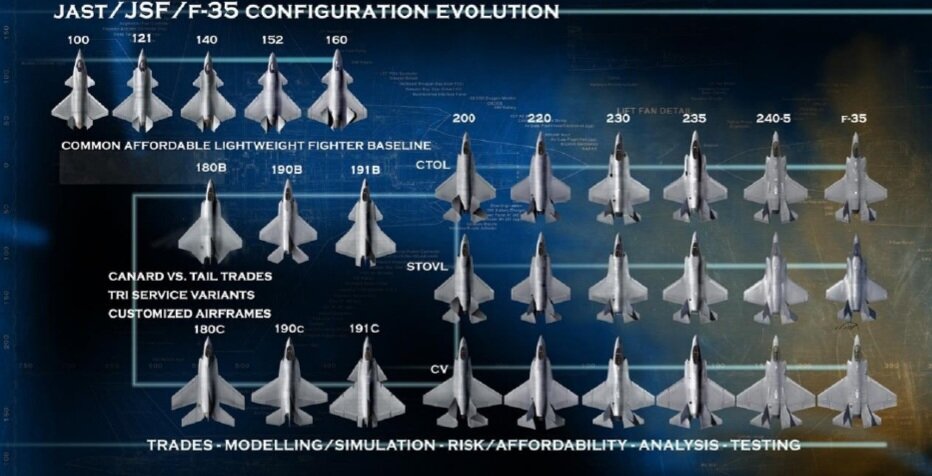
The ASTOVL/SSF concepts were originally seen as developing a replacement for the U.S. and U.K. Harrier jump-jet. As the ASTOVL/SSF concepts became multi-service with the suggestion of multiple variants, the program was re-christened as the Common Affordable Lightweight Fighter (CALF).

The management of the CALF program was handed by DARPA due to the experimental nature of the concept. DARPA was also managing the ASTOVL program, which was used by the SSF program as their unclassified, white-world cover story.

The CALF program's aim was to develop the technologies and concepts to support the ASTOVL aircraft for the USMC and Royal Navy (RN) and a highly-common conventional flight variant for the U.S. Air Force.

Although the CALF program was organized upon a suggestion from Lockheed, the government still wanted multiple contractors involved in the program. Initially, the only two contractors involved were Lockheed and McDonnell Douglas. Boeing later approached DARPA and offered to meet DARPA's financial contribution if they were allowed onto the program.

Under the auspices of the CALF program, the CALF program has also been called the Joint Attack Fighter (JAF).

 
Last edited:
I see the j-20 or natf-23 or this and I wonder why the angle in which the canards sit are not same with the horizontal plane of the wings. Wouldn't this introduce an additional RCS spike?
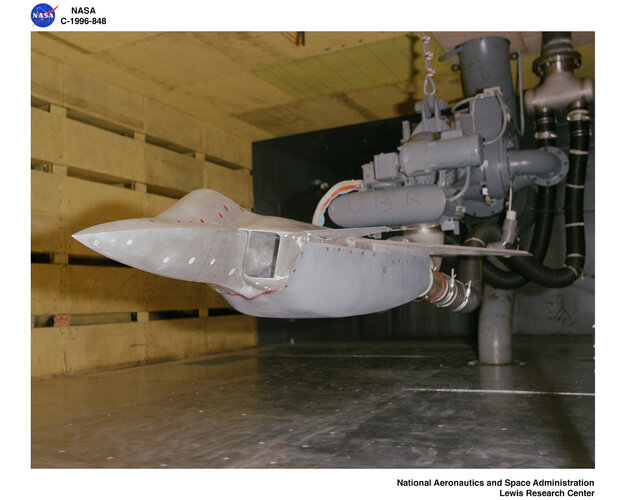
They do, if you look the canard lines up perfectly with the wing on the opposing side F1p8cu8aUAAN7sn.jpeg
 
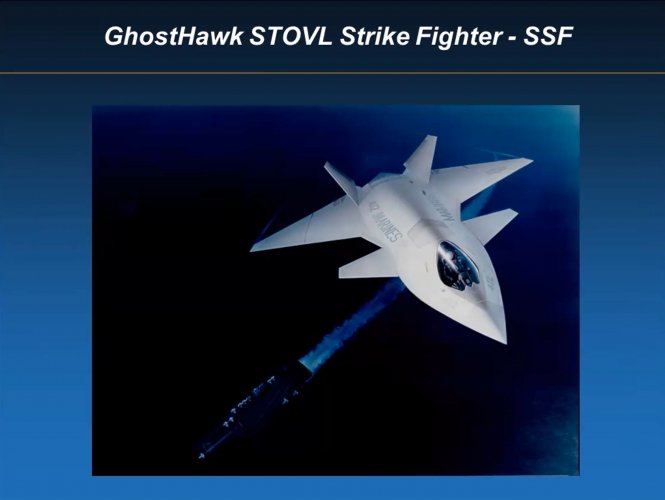
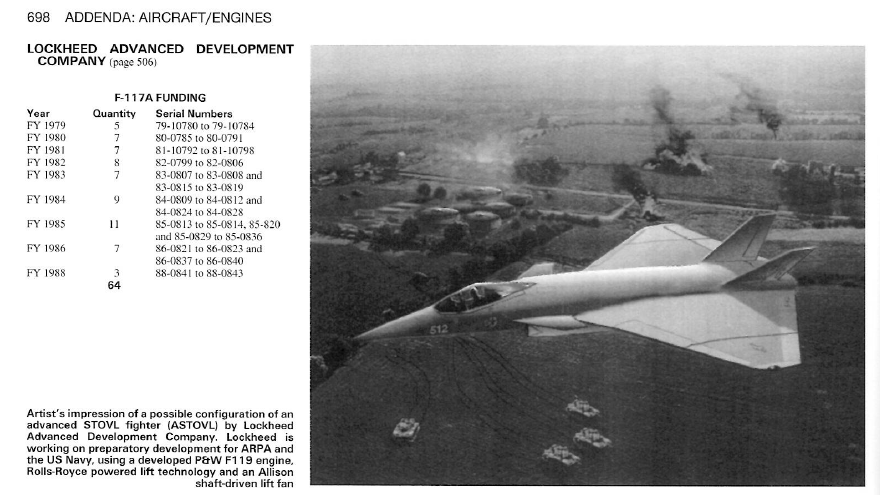
AW&ST. April 23 1990

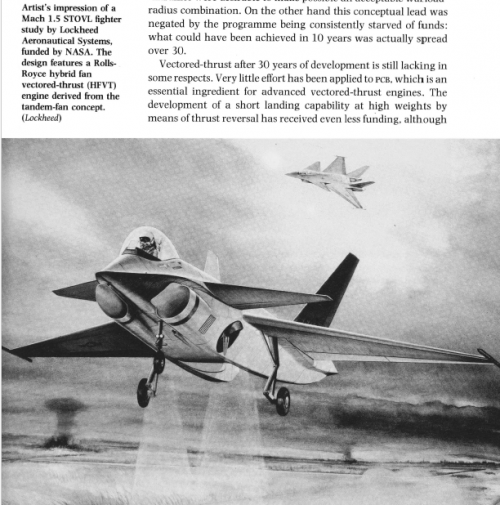
Lockheed concept for an advanced STOVL fighter. "The Navy has a tentative requirement for such an aircraft that could be fielded by 2010"
I understand that I'm 19 years late to the conversation, but just how representative would this illustration be to the state of the design at the time? In assume the answer would be 'not very much.' but I'm trying to figure out just why exactly the Lockheed team did not choose a V-tail/Ruddervators, like on the McDonnel Douglas proposal or the YF-23.

The technology had already been demonstrated, so it would seem like a no brainer. Was it impractical or not worth the cost? Or was it something more benign?

I attended a lecture where Dr. Bevilaqua spoke about the F-35 design process, and although I asked a good question about why the canards were abandoned for a more conventional design, this other question occurred to me just a day later! It has been nagging me badly.

Thanks in advance!
 
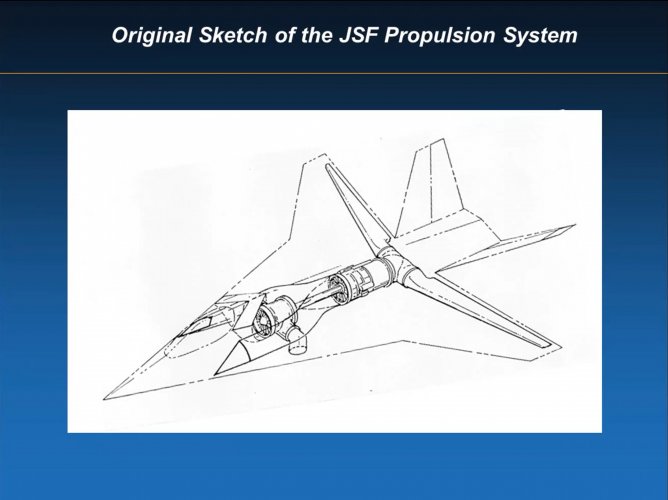
From JAWA 1993-94
 

Attachments

  • 7.png
    7.png
    354.5 KB · Views: 70

Similar threads

Back
Top Bottom