blackkite
Don't laugh, don't cry, don't even curse, but.....
- Joined
- 31 May 2007
- Messages
- 9,432
- Reaction score
- 9,320
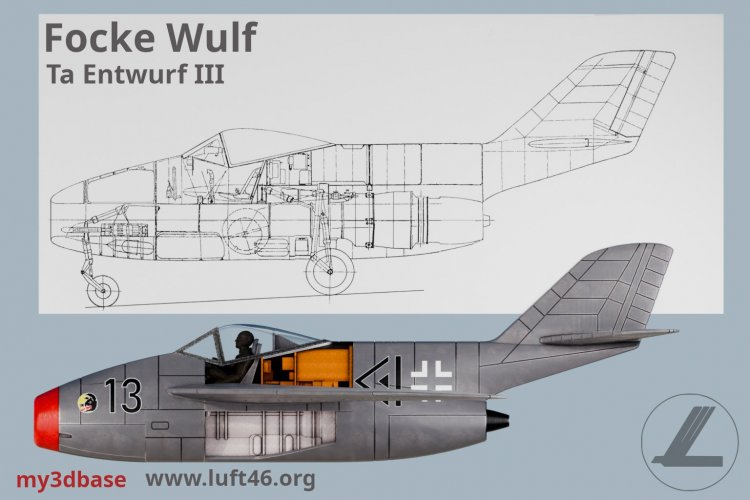
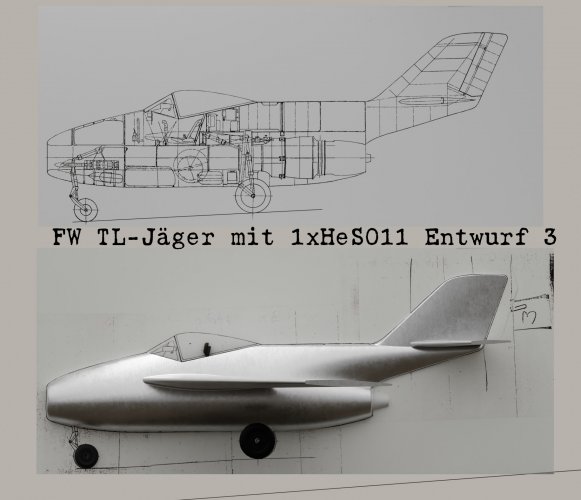
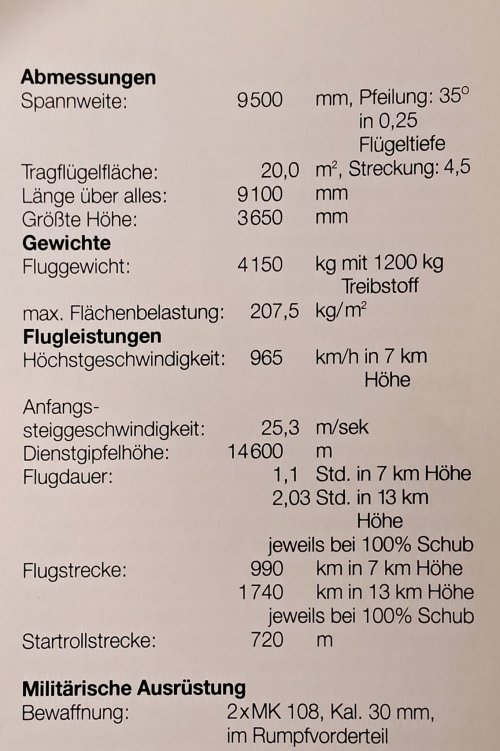
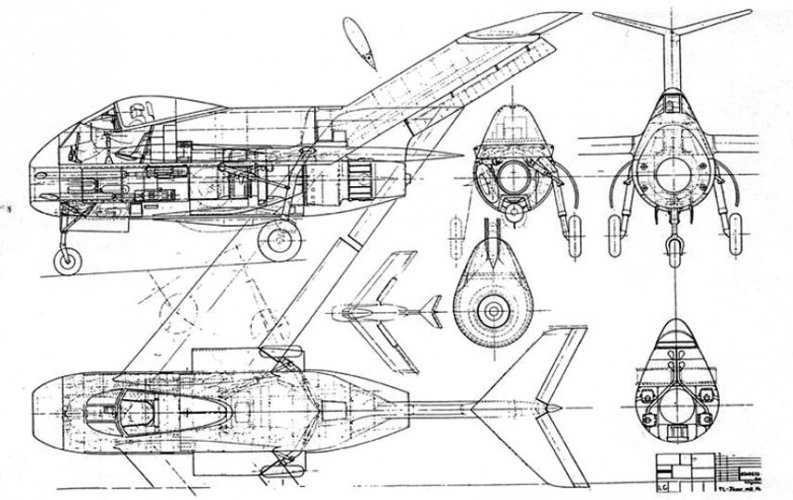
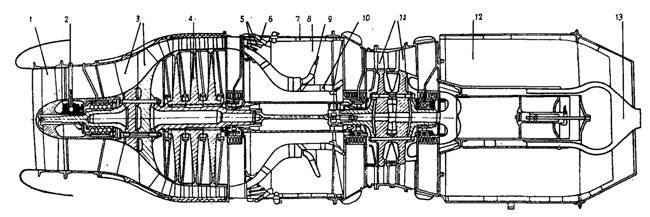
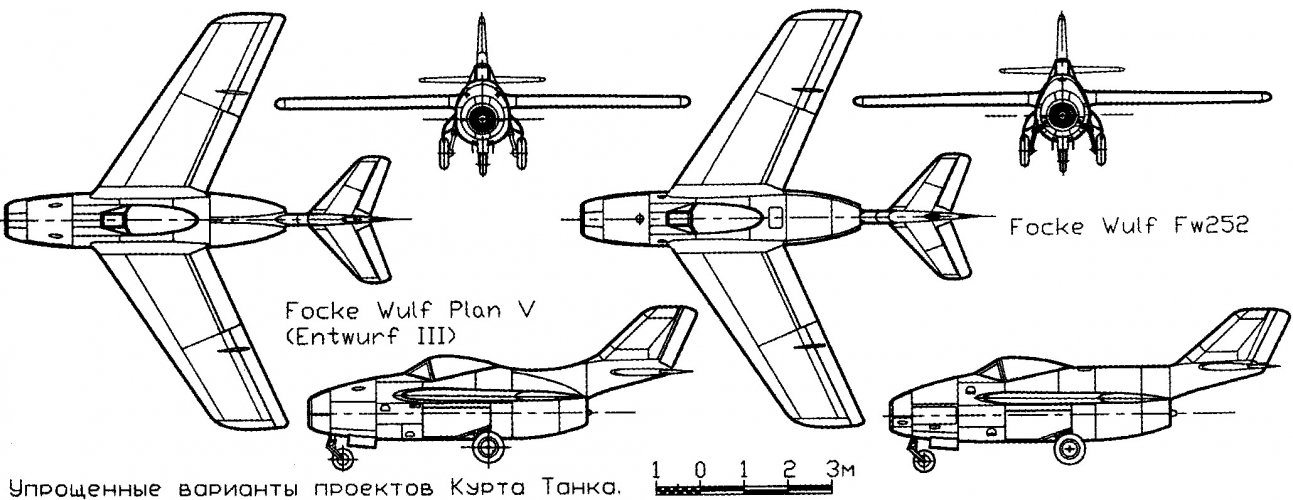
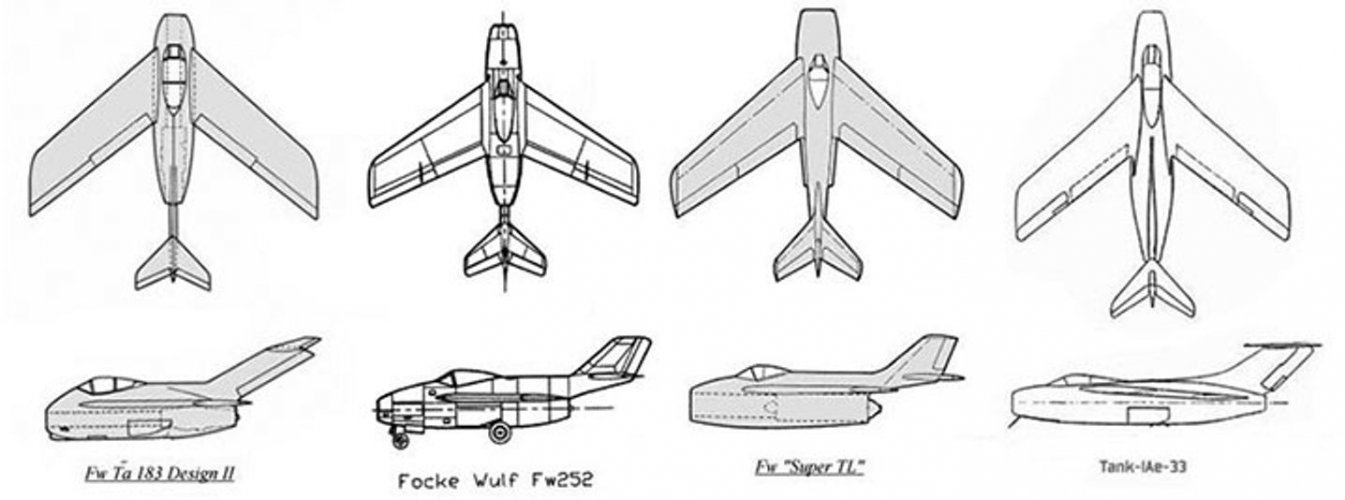
In January 1944, Entwurf 5, contained within design description Nr.279, was advanced by Focke-Wulf designers. This fifth design draft contained plans for two versions of a new fighter. The first PlanⅤ(PⅤ), was to be powered by a HeS 011A and be equipped for high altitude operations at 46,000ft (14,000m ), Plans for this aircraft were approved by the RLM which sanctioned further development under the GL/C designation FW252. At the same time it also became the new official Entwurf 3, replacing the former Draft 3 concept study, which had already been abandoned. The second variant was a short stubby fighter design with swept wings and powered by a turbojet and rocket motor. The Hes 011A was augmented by a bi-fuel rocket motor to be mounted above and slightly aft of the turbojet. Known as PlanⅥ(PⅥ), the new design study appealed to the RLM which sanctioned continued development of this interceptor fighter. This design study then became the official new Entwurf 2 (with the cancelation of the 1943 PlanⅡconcept study) Initially Focke-Wulf applied the RLM GL/C designation Fw232 to the new fighter, but since this number had already been applied to Arado for there Ar 232 transport which, was in active service with the Luftwaffe (although in very modest numbers ), the Air Ministry reassigned the unused GL/C number 183 to the design, concurrently allowing Kurt Tank to add the first two letters as a prefix. Thus, the Ta 183 was the officially recognized identifier however, soon thereafter it became known by the nickname Huckebein, after a cartoon raven who got others into trouble.
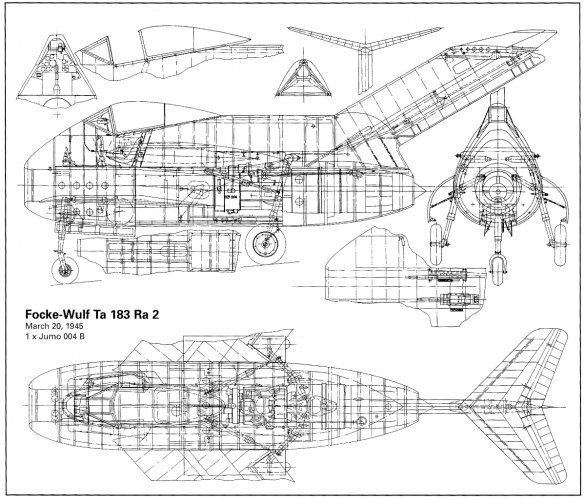
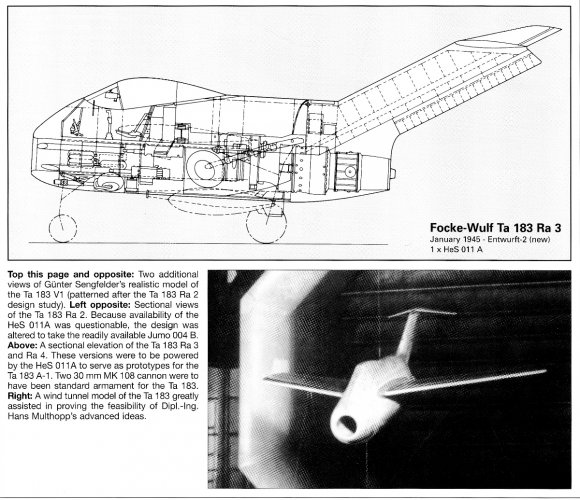
Created under the direction of Dipl.-Ing. Hans Multhopp, the new Focke-Wulf fighter design had been expanded to include four possible variations of the theme. The first of these, the Ta 183 Ra-1, was equipped with the HeS 011R which was a turbojet fitted with an auxiliary bi-fuel rocket motor. The Ta 183 Ra-2 was similar but switched to the Jumo 004B and had an increased wingspan. The Ta 183 Ra-3 was to revert to the HeS 011 but without the roket motor. While generally similar, the Ta 183 Ra-4 was to serve as the definitive interceptor fighter powered by the HeS 011A.
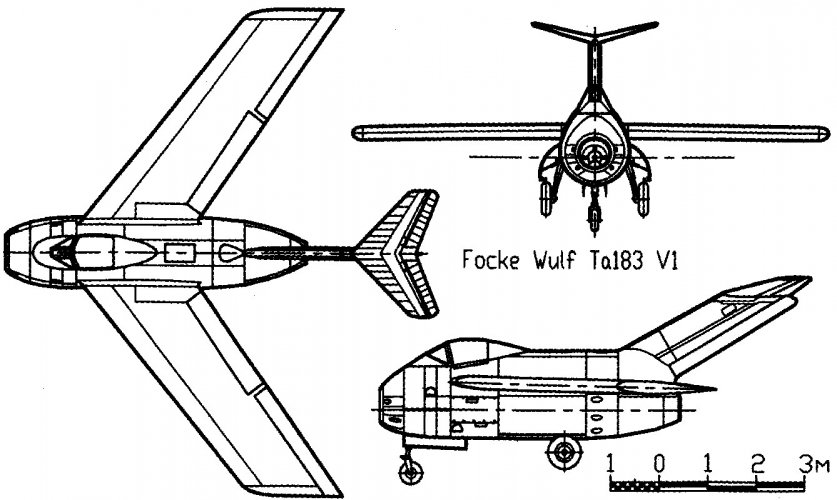
Throughout 1944, Dipl.-Ing. Multhoop and his and his associates, accomplished much with the Ta 183, but continued production difficulties with the complex HeS 011 retarded development. In spite of the fact that the Jumo 004 was already considered for the Ta 183, this new engine was essentially earmarked for the Me 262 that was then entering production. Nevertheless on January 10, 1945, a small number of Jumo 004s were made available to Focke-Wulf for the Ta 183 program as set forth in short description Nr. 30. Although a number of production schedules had to be constantly amended, the final schedule called for the first three flying prototype (Ta 183 V1-V3) to be patterned after the Ta 183 Ra-2 to Ra-4 with the V1 receiving the Jumo 004B and the others fitted with the long-awaited HeS 011A-0. In the event the HeS 001 was not available in time, all three prototypes were to use the Jumo 004B as a stopgap until production of the HeS 011A-1 could begin during the summer of 1945.
Source : JET PLANES of the Third Reich,THR SECRET PROJECTS, VOLUME ONE, MANFRED GRIEHL, MONOGRAM, 1998. Page-32.
Created under the direction of Dipl.-Ing. Hans Multhopp, the new Focke-Wulf fighter design had been expanded to include four possible variations of the theme. The first of these, the Ta 183 Ra-1, was equipped with the HeS 011R which was a turbojet fitted with an auxiliary bi-fuel rocket motor. The Ta 183 Ra-2 was similar but switched to the Jumo 004B and had an increased wingspan. The Ta 183 Ra-3 was to revert to the HeS 011 but without the roket motor. While generally similar, the Ta 183 Ra-4 was to serve as the definitive interceptor fighter powered by the HeS 011A.
Throughout 1944, Dipl.-Ing. Multhoop and his and his associates, accomplished much with the Ta 183, but continued production difficulties with the complex HeS 011 retarded development. In spite of the fact that the Jumo 004 was already considered for the Ta 183, this new engine was essentially earmarked for the Me 262 that was then entering production. Nevertheless on January 10, 1945, a small number of Jumo 004s were made available to Focke-Wulf for the Ta 183 program as set forth in short description Nr. 30. Although a number of production schedules had to be constantly amended, the final schedule called for the first three flying prototype (Ta 183 V1-V3) to be patterned after the Ta 183 Ra-2 to Ra-4 with the V1 receiving the Jumo 004B and the others fitted with the long-awaited HeS 011A-0. In the event the HeS 001 was not available in time, all three prototypes were to use the Jumo 004B as a stopgap until production of the HeS 011A-1 could begin during the summer of 1945.
Source : JET PLANES of the Third Reich,THR SECRET PROJECTS, VOLUME ONE, MANFRED GRIEHL, MONOGRAM, 1998. Page-32.
Attachments
Last edited: