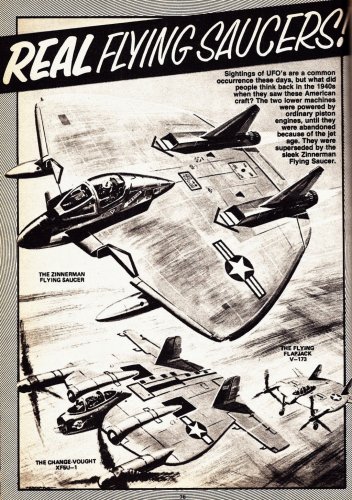
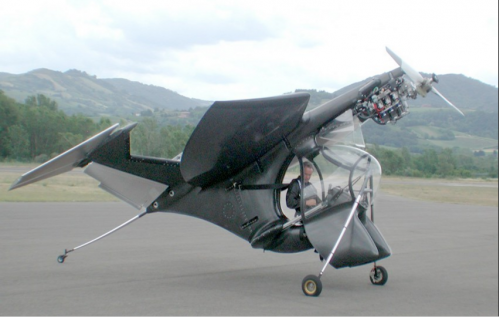
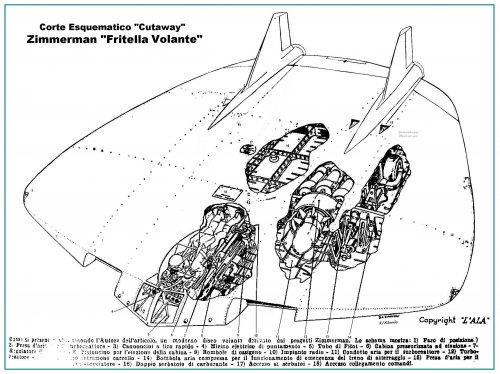
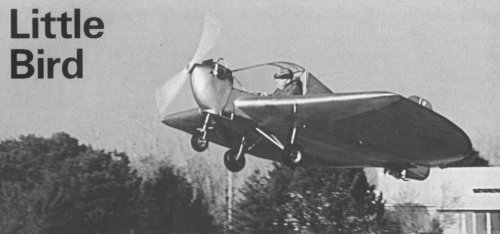
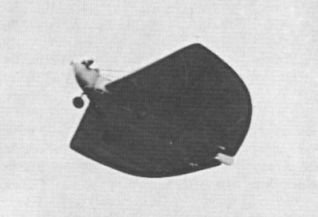
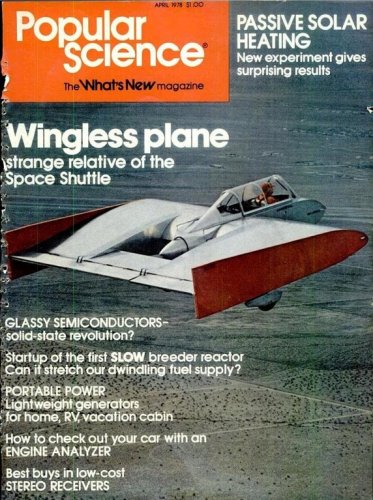
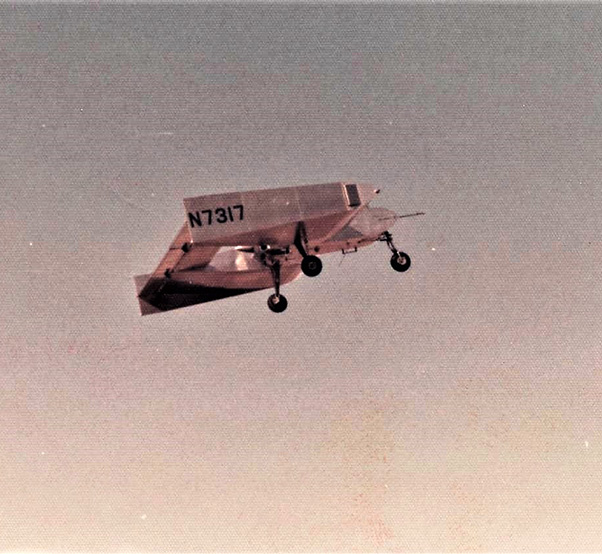
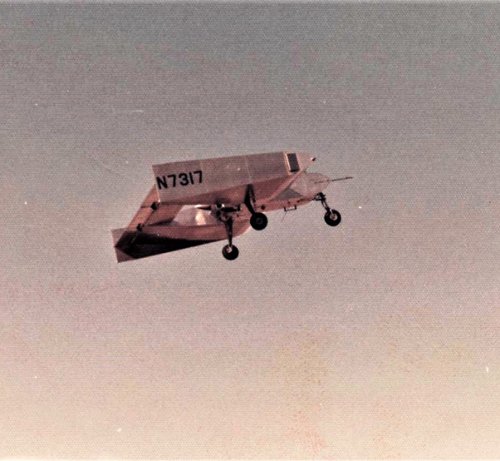
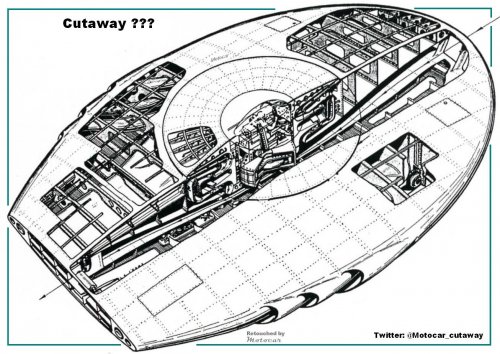
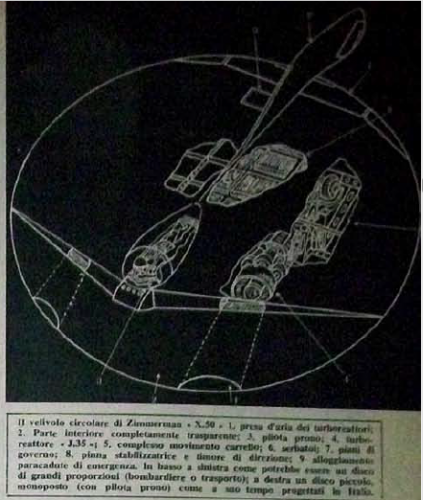
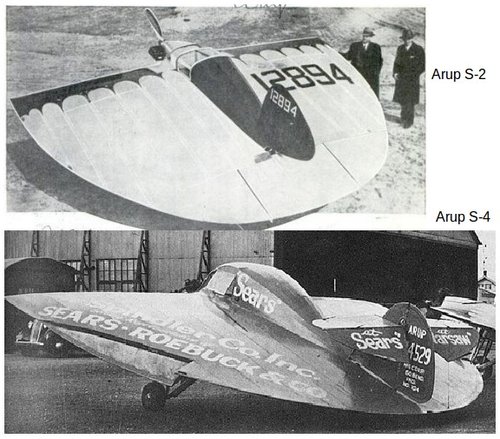
The Vought/Zimmerman/Sikorsky effort might be called "Zimmerman's folly", or how the navy threw away a superior fighter, by not building the Boeing little 390 test plane, as a sincere follow-on to the performance of the Arup.
The Arup S-2 flew for NACA and the Army and CAA. Zimmerman worked for NACA and was on the team that saw the Arup fly. After that, his idea for a VTOL toy with short aspect-ratio and twin screws gelled. (his patents and his participation in that contest followed the successful careers of the Arup plane He plainly was following the interest overseas and here in low-aspect ratio, and the success of Arup gave him what he thought he needed for his VTOL experiments.)
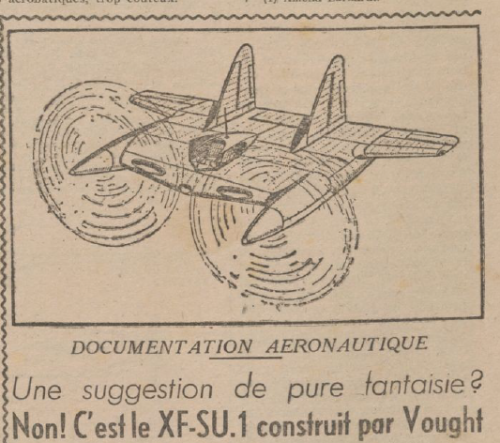
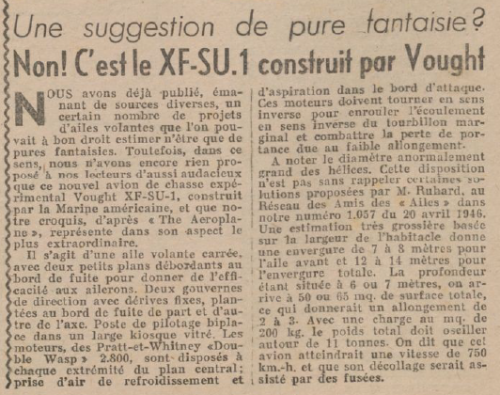
But the Arup nor the V-173 did not need the giggle-factor-inducing silly huge flappy props over the wing-tips.
They were a distraction from the performances the Arup plane put on, they are an un-necessary over-complication, and in the XF5U they killed what could have been a good plane (simple twin-engine & prop plane would have flown, and probably done extraordinarily well if not for the complex power system for those wing-tip things).
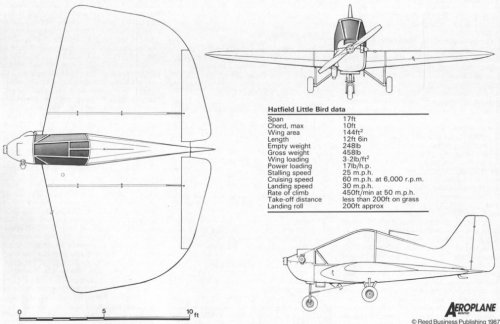
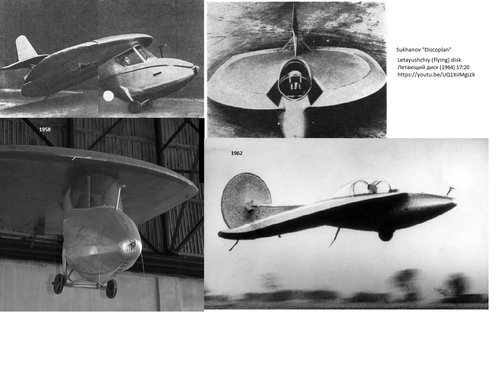
Short aspect ratio planes do not suffer abnormally high drag due to wing-tip wash-around while in cruise. In cruise low-A flight, they are sleek, like a little all-wing. Several planforms of low aspect-ratio all-wing and unitary wing/body test planes have flown well.
In low speed high-A flight, the wing-tip vortices wrap around and join the air over the top of the wing, preventing it from separating and stalling. That gives them low aspect-ratio lanes their phenomenal low-speed, high-A performance, typically staying in flight slower than their landing speed, limited by the height of the nose wheel.
You don't want to counter it. You want the vortex-lift at low speeds, and it disappears in normal flight.
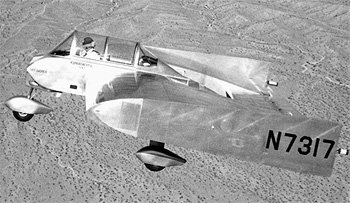
So, we might ask why the Navy chose to explore Zimmerman's toy, and ignored the Boeing plane (which appeared more sinister than silly). If followed-up with a flapjack fighter, it would have been like a Bearcat, with more speed, range, payload, and >40 kt landing speed. The planform would have taken over the fleet and pretty soon all military aviation. When the Arup patents expired, all aviation would have been using it.
The advent of the Jet Age didn't kill it. The Navy built and operated piston-prop planes for logistics & support and as tactical combat planes until the '70s.
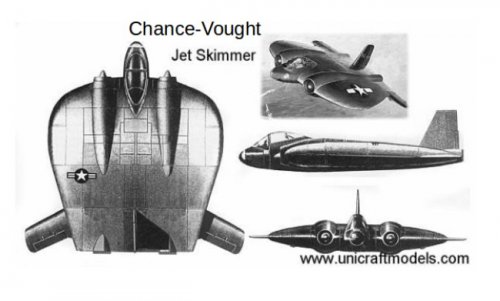
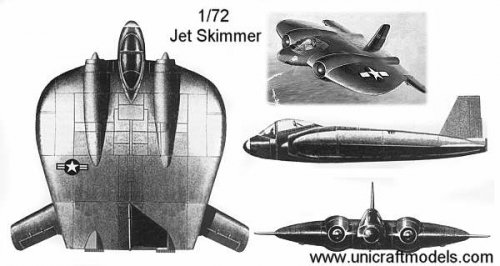
The Vought jet-skimmer or the Sikorsky models would have been built instead of the P-80, and a supersonic version would have followed.
See the Eschelman "Flying Flounder" for a possibility of what such a thing might have looked like.
The Unicraft model kit is the only thing I can find online for this.
The follow on post about William Horton designs was split and merged with the older thread here:
https://www.secretprojects.co.uk/forum/index.php/topic,5996.msg326793.html#msg326793