4th is what economy model. Fishing, mining or exotic agriculture (kelp, algae, seaweed). Not to mention business, data centers, energy extraction (oil, gas), shipyards,/repair. Tourism. A city needs about just shy half it's population gainfully employed in whatever goes on in sea-tropoilis.
That's not a concern assuming these cities are built as coastal extensions to existing ones.
 
Consider this: Japan has a land area of 380,000 square kilometers, ⅔ of which is too mountainous for any real development, but its exclusive economic zone is 4.47 million square kilometers. Developing just 3% of that would double the amount of landmass available to them. And these floating platforms could be made immune to earthquakes and landslides.
 
Consider this: Japan has a land area of 380,000 square kilometers, ⅔ of which is too mountainous for any real development, but its exclusive economic zone is 4.47 million square kilometers. Developing just 3% of that would double the amount of landmass available to them. And these floating platforms could be made immune to earthquakes and landslides.
In the specific case of Japan, the demographic decline is so bad that entire outlying cities and towns are abandoned, with the remaining population consolidating to Tokyo and Osaka. Availability of landmass is no longer the issue for them.
 
In the specific case of Japan, the demographic decline is so bad that entire outlying cities and towns are abandoned, with the remaining population consolidating to Tokyo and Osaka. Availability of landmass is no longer the issue for them.
Isn't it likely that their low fertility rates are being caused by overcrowding?

The extreme cost of building infrastructure on land with all the earthquakes should be considered.
 
Last edited:
Isn't it likely that their low fertility rates are being caused by overcrowding?

Coasts and seafloors are not immune to the effects of earthquakes.

While endocrine disruptors are an issue they're not the primary issue of population dynamics, I think. Most recently falling birth rates coincide very, very clearly with the advent of the "smartphone" and social media. Before that it was and is the incompatibility of family life with economic and academic demands. Concurrently the psychology of (rational) expectations about inequality, democracy, environment, etc. are consistently far stronger drivers of (falling) birth rates than social pressure, governmental (one time) incentives or populist demands (about returning to some mostly fictitious past) are. Density, I don't know; there may be cultural differences. A rule of thumb I've heard is that a person needs a minimum of 50 m² of personal space (can be somewhat overlapped with family members) for wellbeing; the accessibility, availability and nature (also in the literal sense) of the surroundings inevitably bear on this very simplistic metric as well.

In any case designs for floating cities tend to shift with demographics so expect to see the next speculative projects to emerge around Africa (which already has all kinds innovative architecture going, somewhat under the radar; also belied by me here pointing at a huge and diverse continent as a whole). There are specific cases where sea habitation should be rational and even desirable such as sea based vertical farming but for some reason that is yet to emerge and is not quantitatively comparable to more general dynamics or pressures moving large numbers into new environments.
 
Last edited:
Isn't it likely that their low fertility rates are being caused by overcrowding?

The extreme cost of building infrastructure on land with all the earthquakes should be considered.
Urban density
Isn't it likely that their low fertility rates are being caused by overcrowding?

The extreme cost of building infrastructure on land with all the earthquakes should be considered.
Birth rates decline in high IQ groups because social programs are so prolific they strip their resources and gives them to low IQ groups in return for votes or cranking out babies.thats why largest population growth is in 3rd world or immigrants from 3rd world countries.

Smart people don’t breed well in captivity.

Dullards do.

Japan uses land use laws including 150% tax on new out land development but that's lay infrastructure costs down the line because house is depreciation based asset.
 
That's not a concern assuming these cities are built as coastal extensions to existing ones.
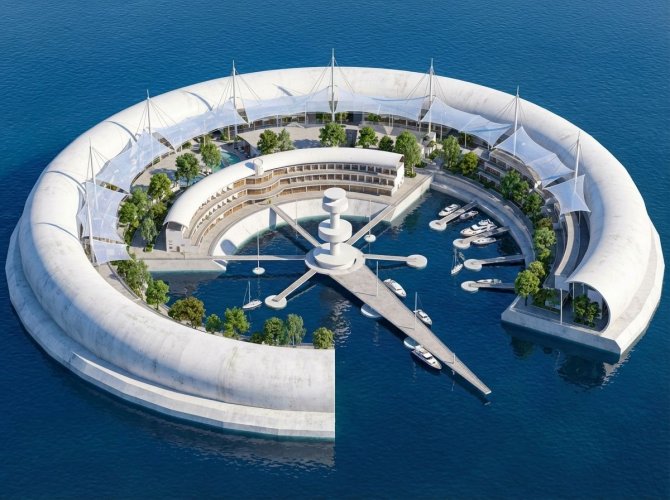
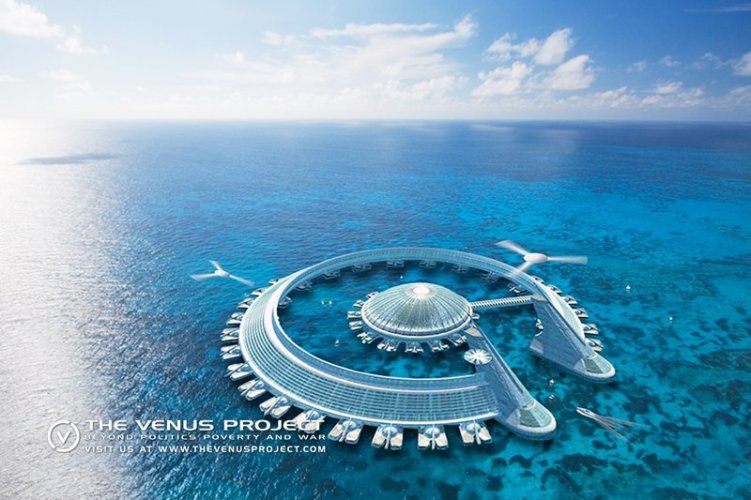
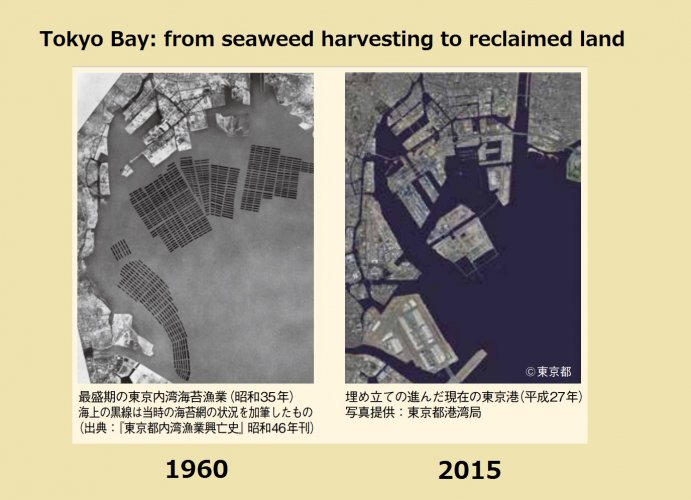
That's not really sea steading as much it is Land reclamation. 1000042003.jpg

1000042004.png


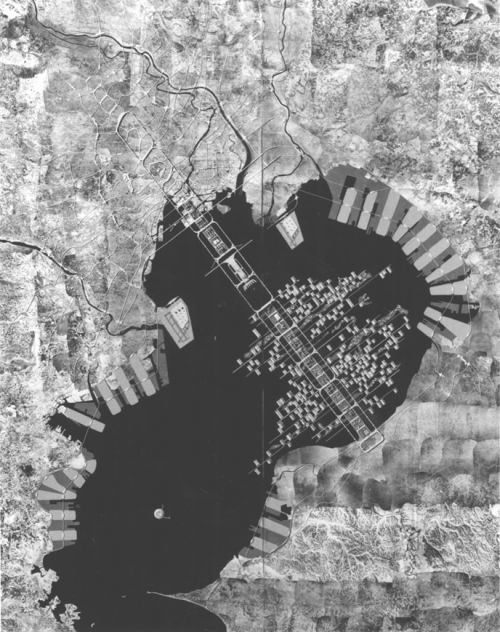
Japan had plans 70 years ago for grand city plans in harbor. Not the same from scratch cities middle of seas
1000042005.jpg 1000042006.jpg

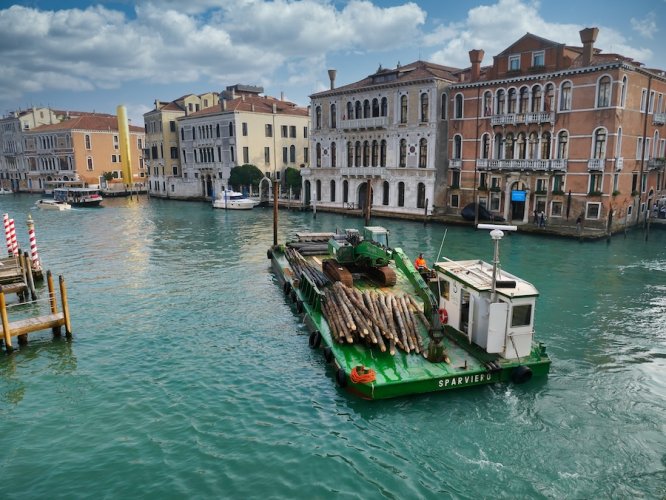
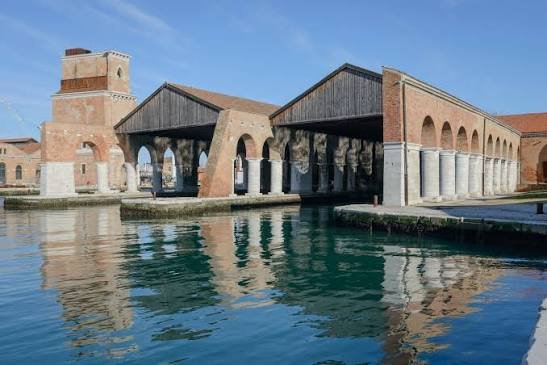
The only incentive principle for this counter to my arguments is why people build out sea. Security or unique isolation. Venice was built escape barbarian hordes and proliferate varuous sea trade. 1000042007.jpg
Was also Shipyard for Venetian Republic for 1,000 years 1000042008.jpg
 
That's not really sea steading as much it is Land reclamation. View attachment 819502

View attachment 819503


Japan had plans 70 years ago for grand city plans in harbor. Not the same from scratch cities middle of seas
View attachment 819504View attachment 819505

The only incentive principle for this counter to my arguments is why people build out sea. Security or unique isolation. Venice was built escape barbarian hordes and proliferate varuous sea trade. View attachment 819506
Was also Shipyard for Venetian Republic for 1,000 yearsView attachment 819507
Except land reclamation has to be done on hard and stable seafloor in shallow waters. Floating platforms can be put in anywhere.
 
The world's largest cruise ship, Icon of the Seas, is 1198 feet long and 213 feet wide, that amounts to about 5.8 acres. If we could mass produce platforms of that size, the idea of a floating city begins to look viable
 
Except land reclamation has to be done on hard and stable seafloor in shallow waters. Floating platforms can be put in anywhere.
That's all well in good.
Below mentioned how drydock a connected underwater infrastructure for city at sea.

Sea cities were promoted 70s, 80s. Libertarian whack off fantasies of floating "tax-free" havens. But the infrastructure demands still need paid staff, fuel/energy, and trash cleanup and waste disposal, which just brings back normal taxes wrapped in high fees. On a ship all resource utilization is artificial and provided artificial energy. On land nature does the work. In shallow water environment areas this more doable like Maldives or Venice.

Lake Pontchartrain in new Orleans is average 12 feet deep. So a Venice like city to expand New Orleans is more practical.
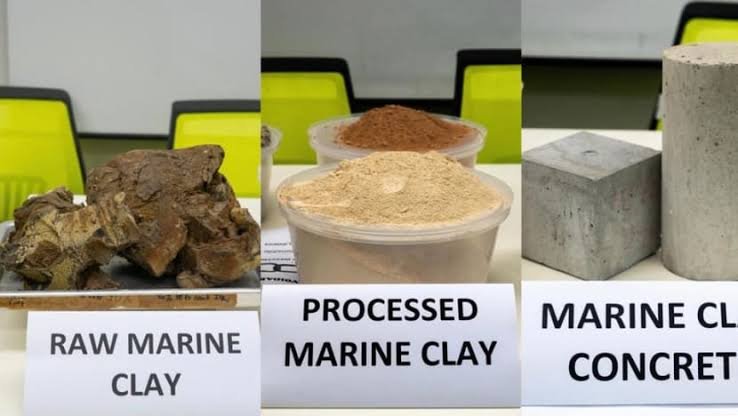
Group scientists managed incorporate Marine Clay and Muds into matrix for Concrete. 1000042029.jpg
 

Similar threads

Back
Top Bottom