Always nice to see video of production facilities ....
May I know what is that machine at 11:30 doing?

Always nice to see video of production facilities ....

Always nice to see video of production facilities ....
View: https://www.youtube.com/watch?v=HRGF0kUso54
May I know what is that machine at 11:30 doing?


After the end of the Falklands War the UK continued to be concerned about the defence of Gibraltar, from both the risk from an unauthorised Spanish ‘adventure’ and that of Soviet attack in general war. For several years after the war ended, the RAF maintained a Jaguar detachment of two aircraft in Gibraltar to provide an immediate close air support capability, while the Royal Navy kept a Lynx with anti-ship missiles and surveillance equipment, to both monitor passing Soviet naval vessels and defend against any Spanish amphibious ships.
The mid-1980s was a politically complex time in bilateral relations, with Spain moving to democracy and joining NATO and the EU. The UK was keen to improve the relationship but remained concerned about the risk from a rogue Spanish commander attacking. The presence of the Jaguar and Lynx detachments were seen as timely and effective, but they imposed a significant operational burden on the Jaguar force, which was committed to operations in central Germany. The RAF was keen to end the detachment, while the CINC of Gibraltar wanted reassurance that in an attack the UK could defend the Rock.
This led to discussions in the MOD around how to balance off a reduction in commitments, ensure that the removal of the Jaguars didn’t send the wrong signals to Spain about UK commitment to Gibraltar, while also enhancing the overall defences locally. Much of this was non contentious, for example stockpiling more NBC suits and opening a NATO operations centre, but there was a real challenge with coastal defence.
An ongoing concern was the lack of credible anti-ship capability on the Rock – until the 1960s there had been a significant coastal artillery capability, including 9.2” guns able to exert significant sea control over the Strait of Gibraltar – any opposing force would struggle to defeat them while also taking considerable damage. By the 1970s these guns were all but obsolete.
This shortfall was a significant risk within NATO, increasingly concerned about the ability to prevent a Soviet naval task group from entering /exiting the Med during wartime. Comprehensive plans existed for NATO to reinforce during crisis, particularly before Spain joined NATO, when its neutral status meant that Gibraltar was particularly important to defensive planning. OPLAN ‘FORTRESS GATE’ was created to surge escort ships, maritime patrol aircraft and other surveillance assets to monitor and attack Soviet warships when war began.
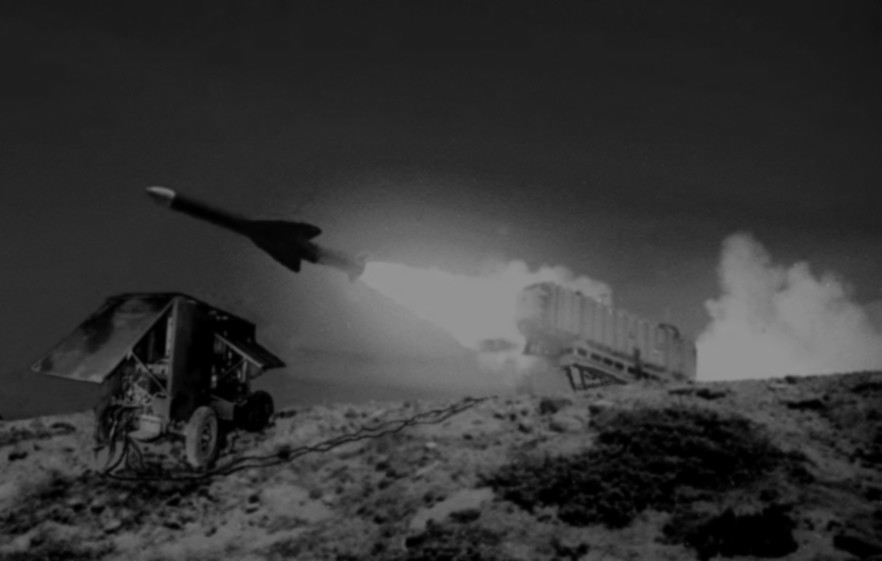
To overcome this shortfall, in 1983 the Royal Navy identified an opportunity to take spare Exocet anti-ship missile launchers, freed up because of Leander class frigates being paid off early, and convert them to a Land Based Exocet Launch System (LABELS). The idea of the system was to create an anti-ship missile battery that could be used to attack hostile shipping in wartime, or in extremis, to attack Spanish warships invading Gibraltar.
In wartime the MOD wanted to deploy LABELS at a site some 90m high, on an escarpment able to have fields of fire across the Straits. The challenge with this though is that firing Exocet in a different way from a ships deck required the missile to have certain data programmed into it to enable it to know what mission profile to fly. Only the French manufacturers could do this, but the MOD was concerned about operational security due to MOD and FCO concerns about how Spain would react if it knew the system was being deployed and “any leak could have an impact on the state of UK / Spanish negotiations over Gibraltar at the time”.
The MOD felt that it could firstly deceive the French and hide the Gibraltar option among various ‘dummy’ options, to conceal from France (and potentially Spain) that Exocet would be deployed. Two alternative lower firing sites were identified that could allow for normal mission profiles to be flown, but due to budget constraints, only one control cab was purchased, which would lead to a two-hour gap between firing salvoes as the cab moved between the two sites.
The challenge was that deploying the system led to a significant Ministerial level falling out between the FCO and the MOD. Baroness Young, then Minister of State for Foreign Affairs, was deeply concerned that deploying LABELS would damage UK bilateral relations with Spain. She noted in a 1984 letter to the Prime Minister that the Spanish:
“could interpret such a move, despite its NATO presentation, as involving a direct threat to Spanish shipping. Second… the Spaniards could still – either genuinely or as a matter of tactics – interpret a decision of this kind by us as impinging unacceptably on their national interests, since it would arguably alter the balance of forces around the coasts of Spain in such a way as to increase the threat to Spain in the course of a wider conflict”
The decision taken in 1985 was that the UK would draw down the Jaguar force, while seeking to fill the gap with regular visits by other RAF jets. The idea being to replace presence with detachments while continuing to send a message of deterrence, along with Exocet to reinforce NATO defences. The MOD was keen to deploy by 1985, but Prime Minister Thatcher wanted to exercise caution, keen to not risk relations with Spain, while equally not letting NATO down either.
As best as can be determined, Exocet was deployed to Gibraltar by about 1986 at a time when the Spanish threat had passed. Indeed, by 1983 the Joint Intelligence Committee had concluded that there was:
“no likelihood of a brigade level attack on Gibraltar. But there will always remain the possibility that a local commander might attempt a comparatively low-level action against Gibraltar. Such an operation is unlikely to have the support of any senior Spanish commander, and it would have none from the Government. Advance warning of an attack of this nature could not, however, be guaranteed.’
The MOD was confident that with the defences in position, the UK could more than hold its own in the unlikely event of an attack transpiring: “To meet the Spanish threat there is currently in Gibraltar a regular infantry battalion, equipped with MILAN and mortars, supported by a company and 6 x LIGHT GUN of the Gibraltar Regiment. A surprise Spanish infantry assault might take some ground, but with the Rock's superb defensive positions the attack ought quickly to be halted near the airfield. Thereafter events would depend upon political negotiations, although a counterattack to restore the airfield and border would be likely.”
Even with this improved situation, the threat from the Soviet Union remained – the MOD assessed that in war it would be a prime target for attack by the Soviets through “mining the approaches to the harbour, or, less likely, the Strait itself; the insertion of special forces from submarines or merchant ships to sabotage military installations; submarine launched missile attacks; and air attack by medium bombers using bombs and stand-off missiles.”
With the need to demonstrate to NATO that the UK took the defence of the Straits seriously, the decision was taken at some point in 1985 to deploy Exocet to Gibraltar. Records of its time in service are highly limited, as best as can be determined it was deployed in the late 1980s, but by 1991 was probably already out of routine use due to the collapse in threat. The withdrawal of Exocet from Royal Navy service in 1997 would have seen its final withdrawal, at a point when the threat from Spain had vanished too.
They were particularly worried about potential rogue elements in post-Franco Spain.Threat from Spain?.The author is joking.

I agree with that to some point, but that elements were not precisely pro Soviets.They were particularly worried about potential rogue elements in post-Franco Spain.
Regarding land based Exocet installations, there was an interesting late Cold War one for Gibraltar, to defend it from both the Soviets and the Spanish.
https://thinpinstripedline.blogspot.com/2026/02/defending-rock-from-spanish-invasion.html
Relevant extract:
Ironically of course, the threat from both Spain and Russia has returned in recent years.


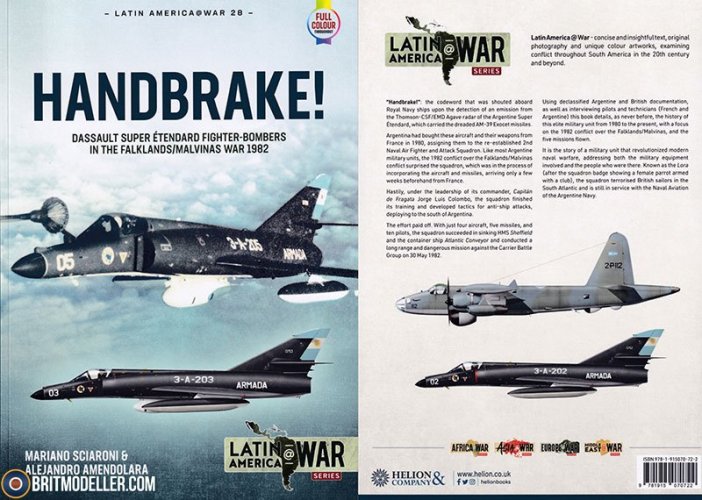
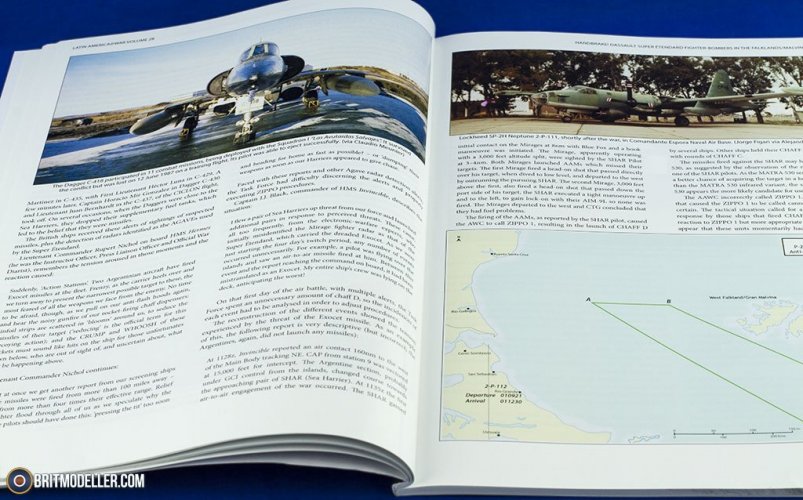
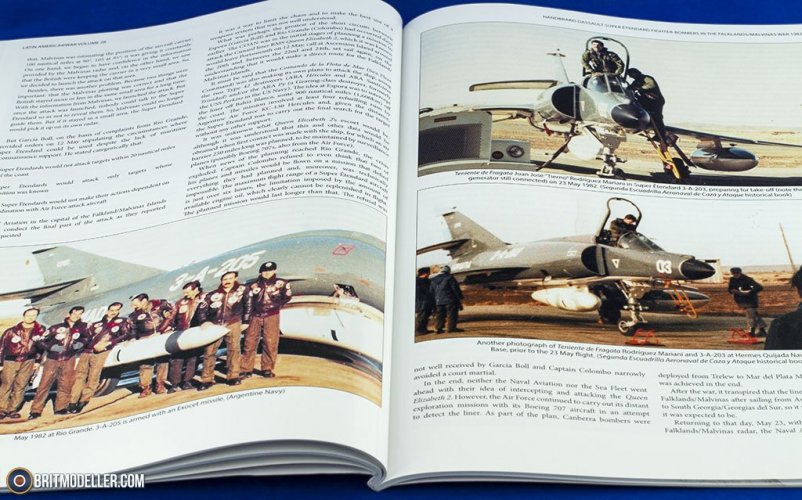
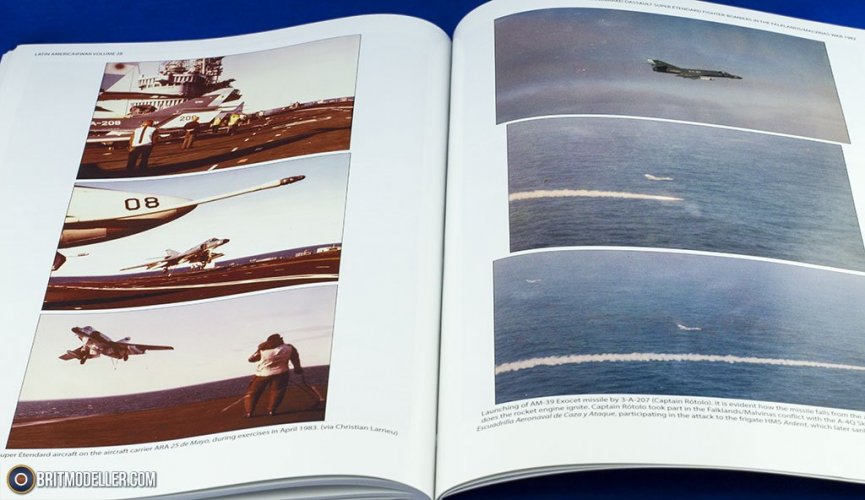
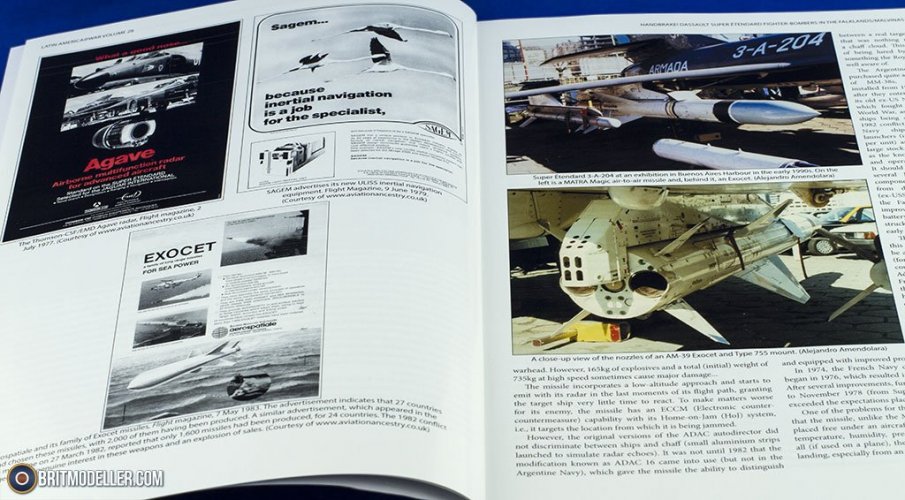
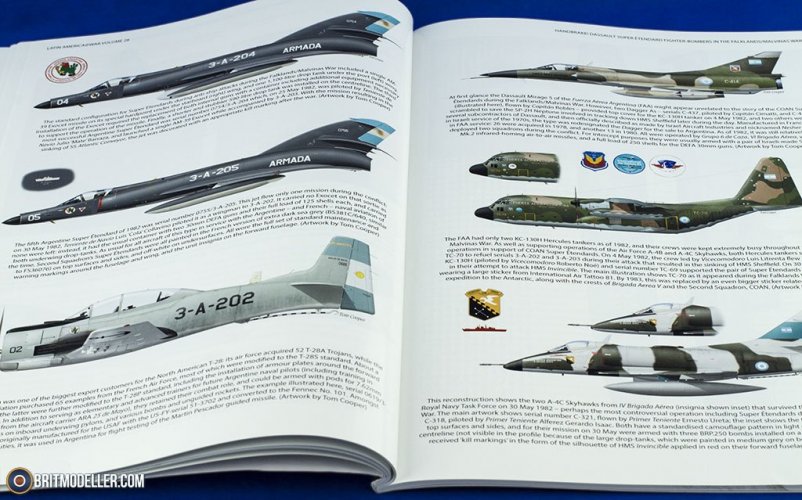
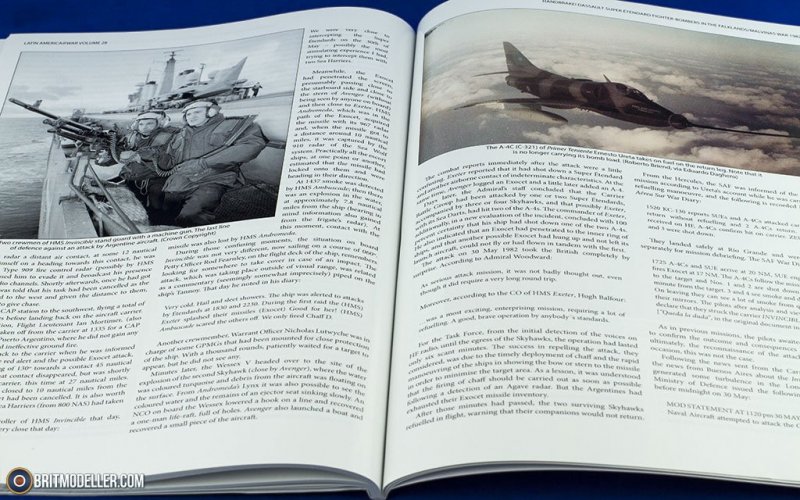
Argentina had only 5 of the 14 Exocet missiles ordered before the war; the rest were received some time after the war ended.IIRC the Argentinians used up all of their Exocet stocks during the Falklands war and if it had've lasted much longer they wouldn't have been able to target anymore RN ships.
There were strenuous attempts to obtain more Exocets through various means; there is extensive literature on the subject.
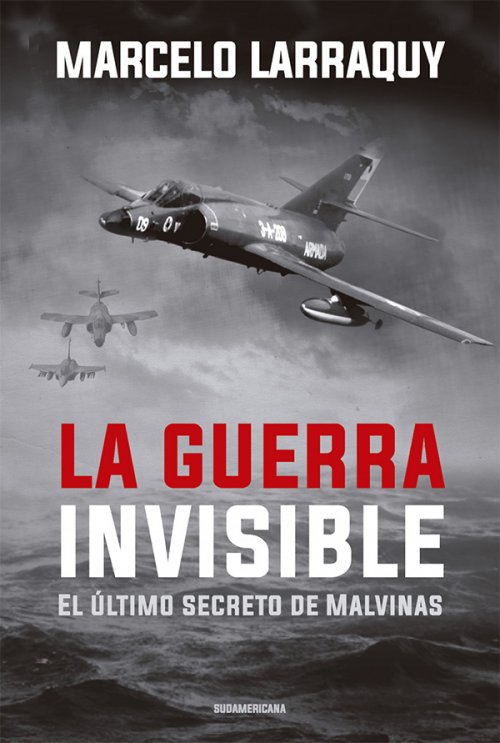

In Spanish, you'll find numerous journalistic articles about the actions of the Super Étendard-Exocet missile system in the Falkland Islands.
IIRC if the Falklands war had continued on much longer the RN had plans to conduct a naval raid against Argentina.
Argentine fighter-bombers reached the islands at the limit of their range, sometimes only thanks to in-flight refueling.IIRC if the Falklands war had continued on much longer the RN had plans to conduct a naval raid against Argentina.
And as long as they continue to repeat the falsehood that Invincible was successfully attacked in that final Exocet mission, it will be very hard to take any other part of their stories seriously.
There is no way that the RN could have concealed damage to Invincible after the war, nor could they have covered up an attack that would have injured or killed at least some RN sailors.
And as long as they continue to repeat the falsehood that Invincible was successfully attacked in that final Exocet mission, it will be very hard to take any other part of their stories seriously.
There is no way that the RN could have concealed damage to Invincible after the war, nor could they have covered up an attack that would have injured or killed at least some RN sailors.
Personally, I believe that, given their direction of attack, the Royal Navy was caught completely by surprise. However, the Exocet missile either failed or was jammed and didn't hit any ships, and the surviving A-4Cs attacked some vessels, but their bombs missed their targets. It is clear, though, that they managed to reach almost the core of the fleet.