Cockpit Layouts, Displays, and Documents for the X-62 VISTA, X-31, and/or F-15 STOL/MTD (ACTIVE)

DoggoVision

ACCESS: Restricted
Joined
27 June 2025
Messages
16
Reaction score
18
Hello all,
This is my first post. I'm currently researching advanced flight test aircraft and was hoping someone might have cockpit photos, diagrams, MFD page references, or general info. for the following prototypes:
  • X-62A VISTA (especially how the trainer pilot interacts with it's VSS, SACS, etc)
  • X-31
  • F-15 STOL/MTD or F-15 ACTIVE
I'm particularly interested in how these aircraft were configured from a pilot interface perspective—layouts, display systems, and any unique experimental controls. Any high-resolution photos, technical drawings, or even pilot accounts would be greatly appreciated.
This is my first post here, so I hope I'm not asking too much at once. I’ve searched around and found bits and pieces, but I thought I’d reach out to the community in case anyone has access to better material or references I may have missed. Apologies if I'm stepping on any toes by bundling three aircraft into one post—I’m happy to split it up if preferred.
Thank you in advance!

 
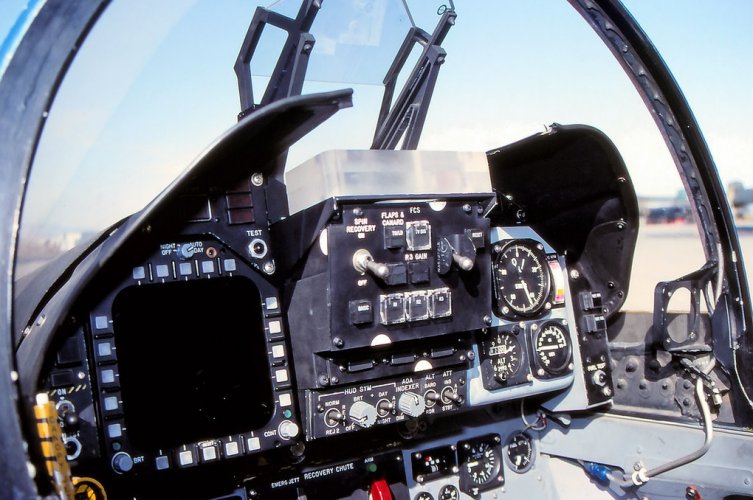
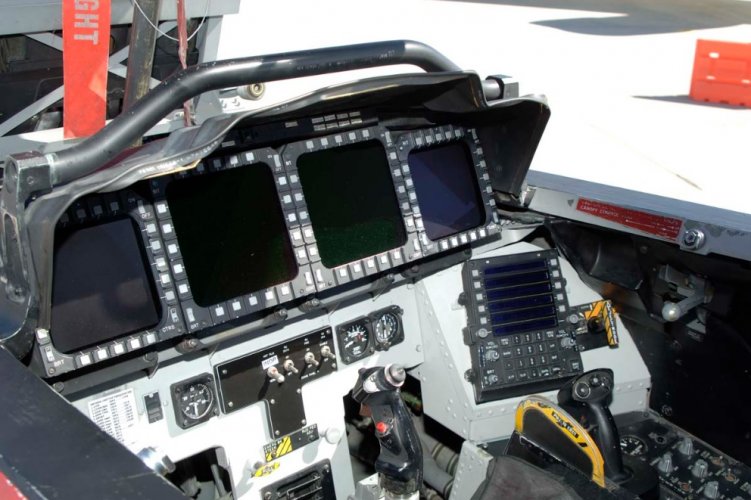
Here's a few photos:
X-62A
X-31
F-15 ACTIVE (front and rear seat)
 

Attachments

  • X62A.jpg
    X62A.jpg
    337.2 KB · Views: 51
  • X31.jpg
    X31.jpg
    239.8 KB · Views: 52
  • F15 ACTIVE.jpg
    F15 ACTIVE.jpg
    272.2 KB · Views: 47
  • F15 ACTIVE Rear.jpg
    F15 ACTIVE Rear.jpg
    196.9 KB · Views: 50
Thank you! do you know if theres any info on the MFD pages of any on these aircraft?
 
Wow! thank you. This forum has been the most helpful to me since I began researching these aircraft.
 
Also, as I mentioned in the original post, my main question is about how the back-seater in the X-62 would select or switch between flight models during flight. I've seen some sources mention that, before the GETAC tablets were added, the aircraft had to land and be reprogrammed on the ground.

This Lockheed Martin article says:
"Additional SACS components include integration of advanced sensors, a Multi-Level Security solution, and a set of Getac tablet displays in both cockpits."

That made me wonder—what were the rear-seat MFDs used for before and after the tablets were installed, especially if the GETAC displays are the main way to monitor or interact with the system?

Unfortunately the info I am seeking may be classified or not publicly available.

As you all know any pointers help, so far this forum's info has been spectacular!


I do have one more question.

Is it likely that special flight control options on the x-31 and stol/mtd would be physical switches, or mfd pages
 
FTI is basically sensors and recording equipment on aircraft. Also, FTI can include transmitting equipment to the ground station for data collection and analysis, often in real time. Some pages on standard issue MFD also can be dedicated to test purposes, i.e. controls deflections or raw data from engine, which is normally not displayed in operational flying.
Good example of FTI is nose boom that we often see on aircraft under test.
 
FTI is basically sensors and recording equipment on aircraft. Also, FTI can include transmitting equipment to the ground station for data collection and analysis, often in real time. Some pages on standard issue MFD also can be dedicated to test purposes, i.e. controls deflections or raw data from engine, which is normally not displayed in operational flying.
Good example of FTI is nose boom that we often see on aircraft under test.
The nose boom is usually intended to get a pitot out of aircraft specific aerodynamic effects until you can be sure the fuselage-mounted pitots are reading true/have been calibrated to suit. So that's not information that's really directly useful to the pilot, he needs the processed data, not the raw input. Another commonly seen set of flight test instrumentation are strain gauges, and that information's just not useful to the pilot, particularly when you may well have covered the aircraft with a couple of hundred of them.
 
what were the rear-seat MFDs used for before and after the tablets were installed, especially if the GETAC displays are the main way to monitor or interact with the system?


In general a common use for rear-seat MFDs is as a HUD repeater, particularly if used with FLIR, another will be used for radar, other pages cover nav, engines, fuel, weapons, etc, just the same as the front-seat MFDs. The rear seater just chooses the ones that are currently relevant to his job. Just because an aircraft has a specific flight test function doesn't mean the normal MFD functions have ceased to be relevant.
 

Similar threads

Back
Top Bottom