- Joined
- 25 June 2009
- Messages
- 15,515
- Reaction score
- 9,447
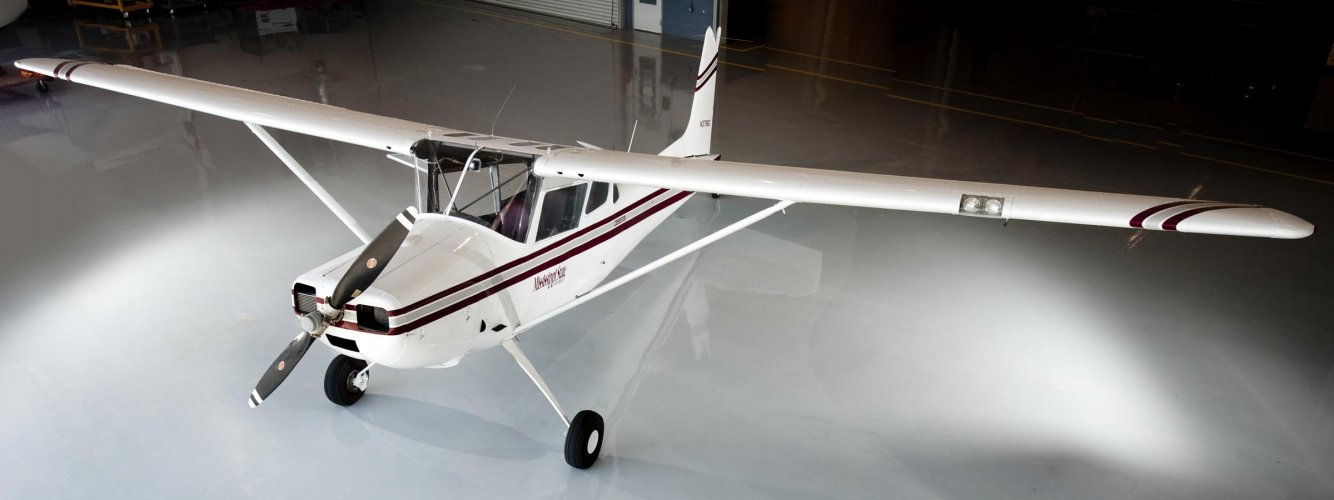
Model 309/319--Cessna participated in Boundary Layer Control (BLC) research from 1951 to 1955 with the U.S. Navy and Wichita University using a stock 170A modified to house a small gas turbine in the fuselage which blew air over the wing (1951). The 309A, first flown in February 1952, used an engine-driven electric generator to operate large fans in the wings to generate the air; the 309B of 1953 and 309C in 1954 used dry chemicals that generated airflow across the wings and flaps.
Cessna 309 family tree:

Cessna 309 company plan:
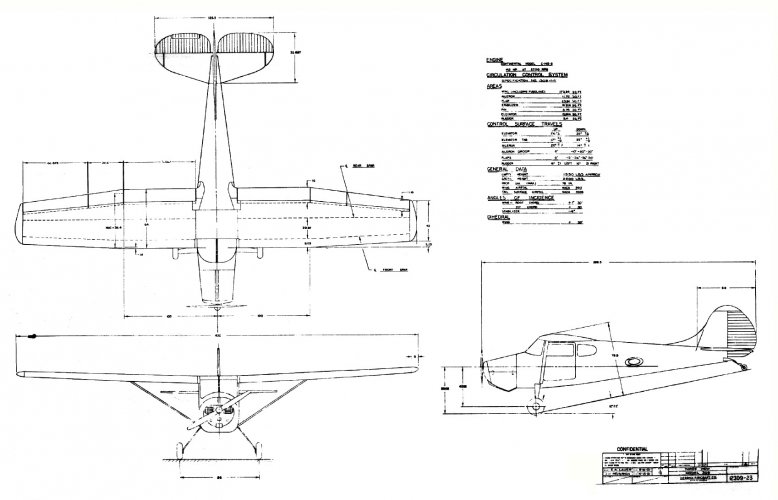
Another follow-on, the 319-A of 1953, had larger, more powerful flaps. With 225 hp Continental engine and BLC, the airplane had a stall speed of 32 mph. It could take off in 190 ft, land in 160 ft and make it in over a 50-ft obstacle in just 450 ft. As a research vehicle, the 309/319 was a success, but its commercial application was questionable--or as a Cessna test pilot wrote on a report after his first flight, "All in all, a rather nasty little monster!"
Cessna 319A in US Naval Research guise:

Technical depiction of Cessna 319A's BLC system:

See the various source documents in the attachments below.
Attachments
-
092459 (319A).pdf2.7 MB · Views: 14
-
017200 (309A, 309C, 319A).pdf5.4 MB · Views: 17
-
015187 (309A, 309C, 319A).pdf3.3 MB · Views: 12
-
012310 (309A, 309C, 319A).pdf1.5 MB · Views: 12
-
010761 (309A and 319).pdf482.6 KB · Views: 11
-
010750 (309A and 319).pdf485.6 KB · Views: 14
-
006974 (309).pdf14.2 MB · Views: 14