EmoBirb
ACCESS: Top Secret
- Joined
- 18 January 2025
- Messages
- 2,694
- Reaction score
- 6,921
Having come across several pieces of footage recently of Russian forces capturing several western made vehicles in Ukraine, especially IFVs, tanks and MRAPs in particular, I was left wondering what actually happens with these vehicles, given their number.
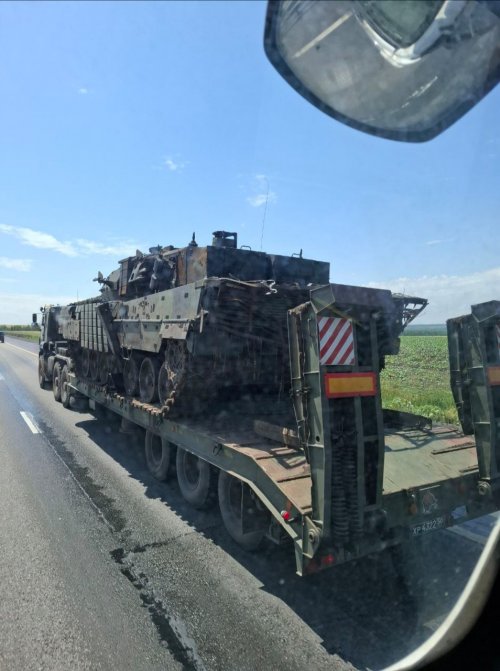
Captured Leopard 2 being moved away from the front line in Summer of 2025:

While I'm keenly aware that individual vehicles would most likely be subject to examination, similar to how a MiG-25 was taken apart and examined during the cold war by the US, that was a unique opportunity at the time with a single aircraft. I doubt the 7th or 10th or whatever Leopard 2A4 - 2A6 offers any new revelations for the people that are taking a closer look.
Obviously there is the option of putting freshly captured and intact vehicles to good use by utilizing them in battle, presumably after marking them sufficiently. However that obviously imposes logistical limitations, given a general lack of spare parts, expertise with these specific vehicles and in most cases non-compatible ammunition types. So while a captured T-72 or BMP can find a use case without much issue, that doesn't necessarily apply to a Leopard or an M2. Now, there have been some cases where such drawbacks were addressed by changing weapons systems. If that was done for evaluation purposes or to better integrate the vehicle in the own formations is unknown though.
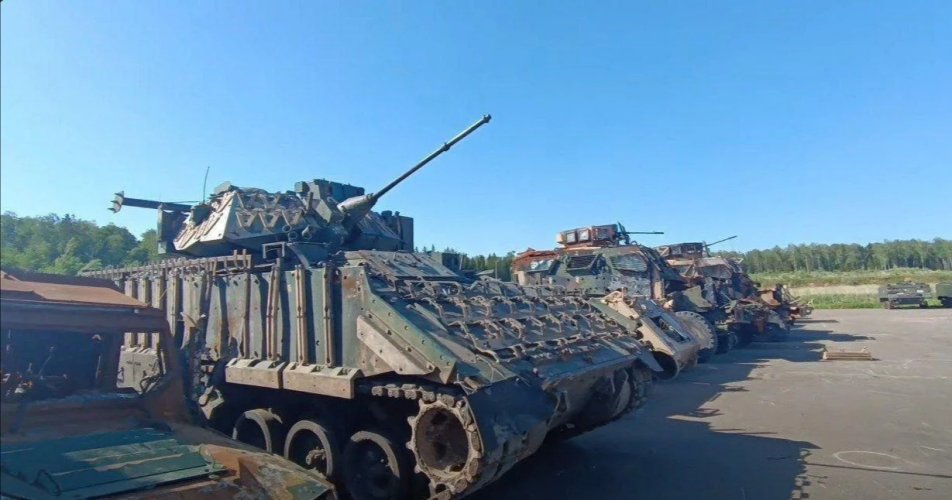
(Now Russian) Bradley with what appears to be a soviet 2A72 30mm autocannon:

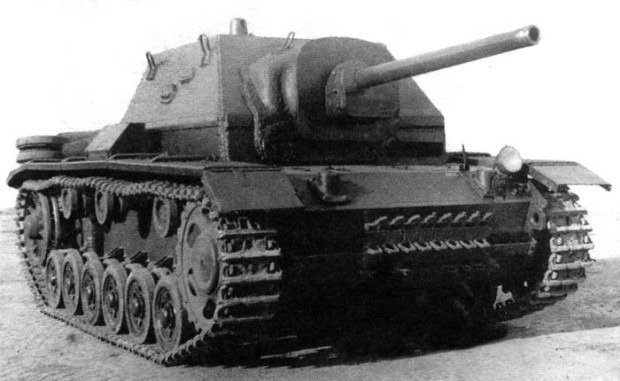
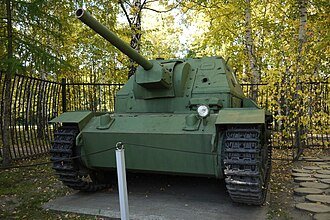
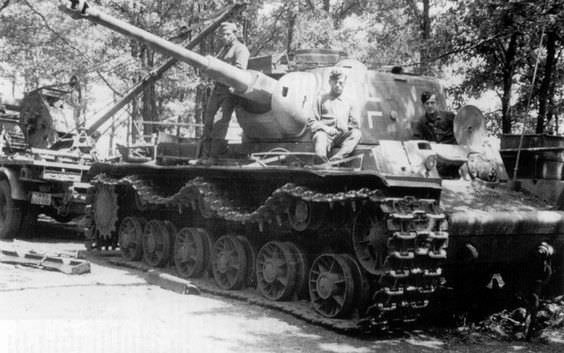
Former Soviet KV-1 with a German 7,5cm KwK 40:

Now while such modifications create a commonality in ammunition, they are obviously costly, to a degree complex or bespoke and time consuming modifications. So their real world worth remains questionable.
Lastly, after the aspects of evaluation and combat re-use there is the option of simply spreading these vehicles across several museums or auctioning them off to private bidders. After all vehicles formerly used by what used to be an adversary are home across many museums across the world. Often drawing many visitors due to their elusive nature in that corner of the world, limited production numbers or a particularly fierce reputation. Two such examples would be Tiger 131 in Bovington or the Maus in Kubinka. While in the specific case of Russia here, for many people the only opportunity to see the likes of a Leopard, an M1 or M2 would be in such a museum then, perhaps even in running condition when enough vehicles were captured to cannibalize parts for several years to come (given limited running time per year). Which would certainly be a financial incentive to distribute these vehicles to museums.
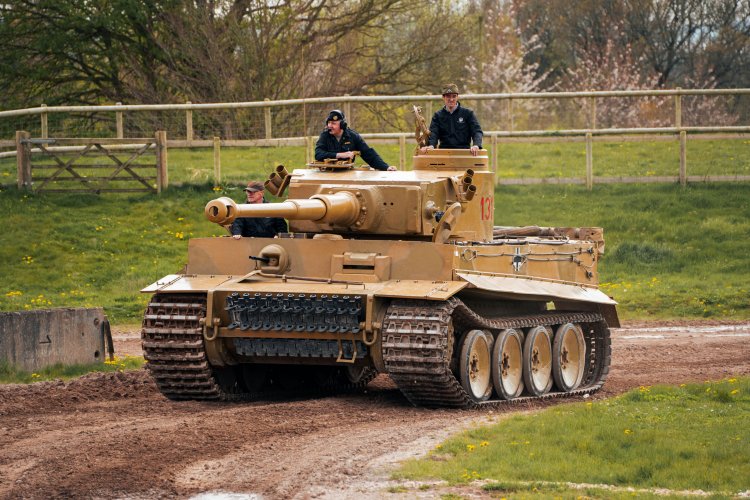
Tiger 131 in Bovington:

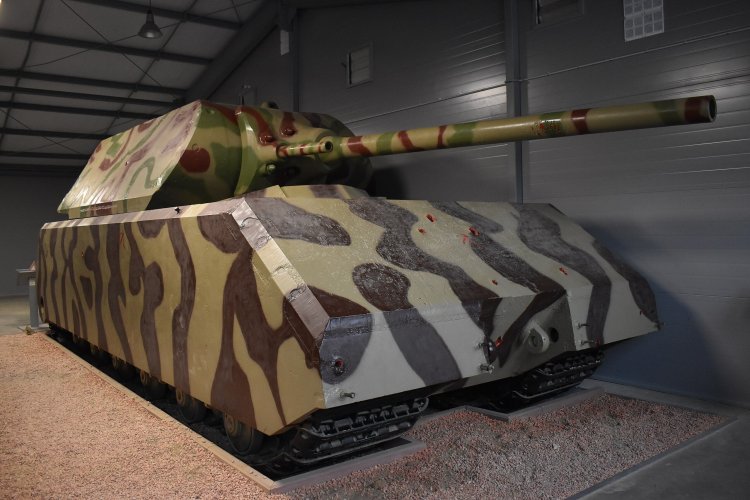
PzKpfW VIII Maus in Kubinka:
Now, dozens of MRAPs most likely won't draw in visitors year after year. However there is a certain market for surplus military vehicles, either for private collectors or people who offer rides in former military vehicles for payment. Not only for relatively "mundane" vehicles likes a mine protected armored personelle carrier, but also actual tanks.
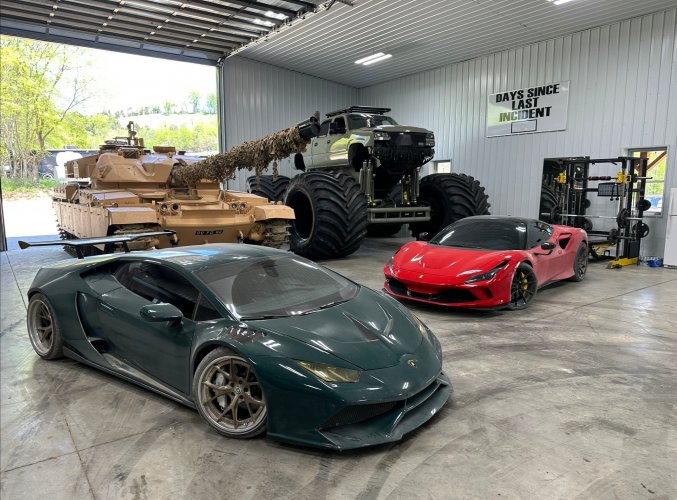
Chieftain MBT owned by influencer 'whistlindiesel':

So to conclude and after several examples given, I'd like to know what y'all think will happen to these vehicles from the moment they switched hands. I'd also be interested in seeing other (historical) examples of captured military hardware and their purpose after having been captured. Examples in museums, private hands, examination programs etc.
Captured Leopard 2 being moved away from the front line in Summer of 2025:
While I'm keenly aware that individual vehicles would most likely be subject to examination, similar to how a MiG-25 was taken apart and examined during the cold war by the US, that was a unique opportunity at the time with a single aircraft. I doubt the 7th or 10th or whatever Leopard 2A4 - 2A6 offers any new revelations for the people that are taking a closer look.
Obviously there is the option of putting freshly captured and intact vehicles to good use by utilizing them in battle, presumably after marking them sufficiently. However that obviously imposes logistical limitations, given a general lack of spare parts, expertise with these specific vehicles and in most cases non-compatible ammunition types. So while a captured T-72 or BMP can find a use case without much issue, that doesn't necessarily apply to a Leopard or an M2. Now, there have been some cases where such drawbacks were addressed by changing weapons systems. If that was done for evaluation purposes or to better integrate the vehicle in the own formations is unknown though.
(Now Russian) Bradley with what appears to be a soviet 2A72 30mm autocannon:
Former Soviet KV-1 with a German 7,5cm KwK 40:
Now while such modifications create a commonality in ammunition, they are obviously costly, to a degree complex or bespoke and time consuming modifications. So their real world worth remains questionable.
Lastly, after the aspects of evaluation and combat re-use there is the option of simply spreading these vehicles across several museums or auctioning them off to private bidders. After all vehicles formerly used by what used to be an adversary are home across many museums across the world. Often drawing many visitors due to their elusive nature in that corner of the world, limited production numbers or a particularly fierce reputation. Two such examples would be Tiger 131 in Bovington or the Maus in Kubinka. While in the specific case of Russia here, for many people the only opportunity to see the likes of a Leopard, an M1 or M2 would be in such a museum then, perhaps even in running condition when enough vehicles were captured to cannibalize parts for several years to come (given limited running time per year). Which would certainly be a financial incentive to distribute these vehicles to museums.
Tiger 131 in Bovington:
PzKpfW VIII Maus in Kubinka:
Now, dozens of MRAPs most likely won't draw in visitors year after year. However there is a certain market for surplus military vehicles, either for private collectors or people who offer rides in former military vehicles for payment. Not only for relatively "mundane" vehicles likes a mine protected armored personelle carrier, but also actual tanks.
Chieftain MBT owned by influencer 'whistlindiesel':
So to conclude and after several examples given, I'd like to know what y'all think will happen to these vehicles from the moment they switched hands. I'd also be interested in seeing other (historical) examples of captured military hardware and their purpose after having been captured. Examples in museums, private hands, examination programs etc.