Quick AI Response
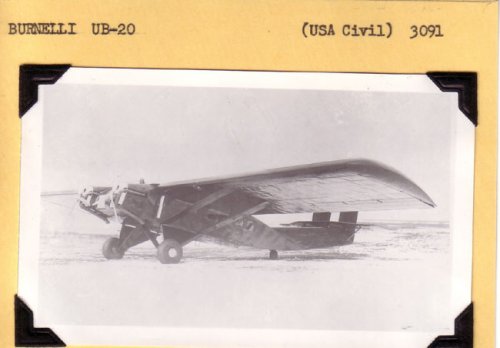
Transporting a suspended load beneath the Burnelli UB-20's fuselage was primarily a publicity and promotional stunt, though it was facilitated by a high landing-gear stance that served both practical technical purposes and Vincent Burnelli's own desire to demonstrate his aircraft's payload capacity.
The truth behind the suspended load
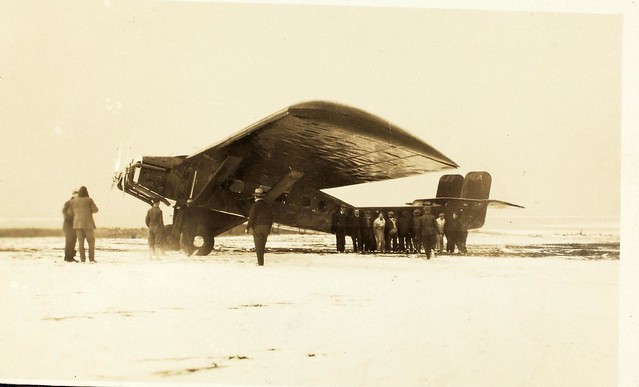
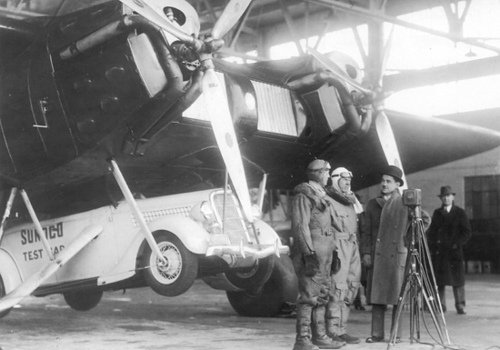
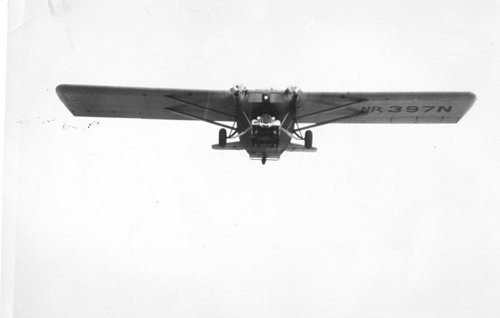
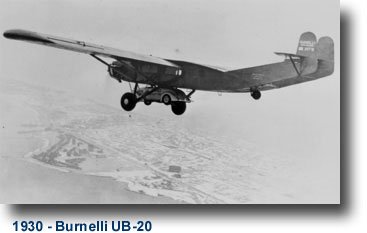
In 1934, a Burnelli UB-20 performed a famous promotional flight for the Sun Oil Company, carrying a Ford automobile suspended directly beneath the fuselage, positioned right between the fixed landing gear struts.
* Capacity demonstration: Burnelli's "lifting body" fuselage design allowed for enormous internal volume and high weight-carrying capacity. Carrying a car externally was not the standard or commercial mode of operation, but rather a striking publicity maneuver designed to impress the public and the industry.
* Precedent: Vincent Burnelli had already staged a similar spectacle in 1924 with his earlier model (the Remington-Burnelli RB-2) by placing a car inside the cabin for promotional purposes.
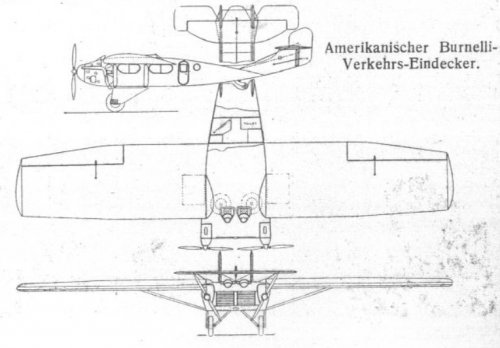
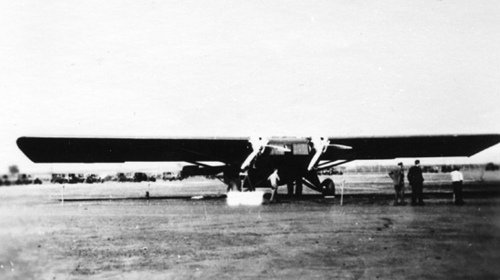
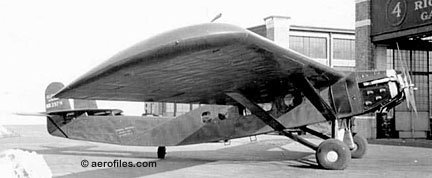
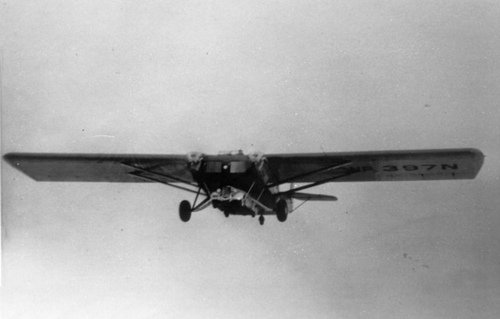
* High stance: The fuselage's significant ground clearance was not designed specifically for hanging loads, but rather to accommodate the lifting body's massive cross-section, house the fixed landing gear's steel framework, and ensure adequate ground clearance for the main propellers.
Aerodynamic trade-off: Lifting body vs. External load
Your aerodynamic analysis is correct: carrying an external load is substantially more detrimental to a Burnelli design than to a conventional, non-lifting fuselage.
1. Alteration of underside airflow
* On a conventional aircraft, the fuselage primarily generates drag and little to no lift.
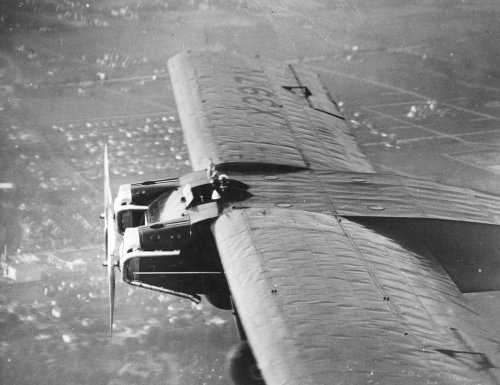
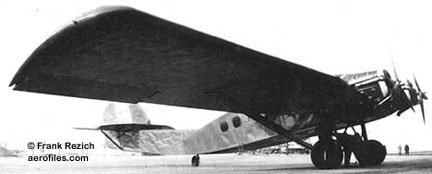
* In the Burnelli concept, the fuselage is shaped like an airfoil. To generate lift, there must be a clean pressure gradient between the underside (lower surface) and the upper surface.
* Attaching a bulky, non-aerodynamic object (such as an automobile) directly to the underside of the fuselage disrupts laminar flow along the lower surface, creates massive turbulence, and causes a direct loss of fuselage-generated lift, in addition to drastically increasing parasitic drag.
2. Severity of the penalty
| Design | Effect of External Suspended Load | Overall Impact |
|---|---|---|
| Conventional Fuselage | Adds aerodynamic drag and weight, but the wing maintains clean airflow and lift efficiency. | Moderate |
| Burnelli Design | Adds aerodynamic drag and weight, and also negates the lifting capability of the fuselage itself—which accounts for 25% to 30% of the total lifting surface area. | Critical |
Although the UB-20 had ample power (two 750 hp Packard V-12 engines) to compensate for the loss during short demonstration flights, the suspended load undermined the core benefit of the Burnelli configuration, demonstrating that the move was merely a publicity stunt.
To see images of the actual UB-20 design in flight and how the car was mounted beneath the aircraft's belly for the promotional campaign, you can watch this historical footage from the era:
Uppercu-Burnelli UB-20 transporting a car (1934)
This video shows the moment the Burnelli UB-20 takes off with the Ford automobile mounted between the landing gear struts, serving as a visual record of the publicity event.