The max demonstrated Mn of the YF-23 was published. The supercruise speed with the YF120 was not, although Wikipedia cites M1.72.

I do remember that the YF-23 was experiencing some canopy cracking. That may have been the limiting factor in their demonstrated max Mach. We don’t know, but there could also have been an inlet flow stability problem above M1.8, the inlets were redesigned for the F-23 EMD proposal.
 
The max demonstrated Mn of the YF-23 was published. The supercruise speed with the YF120 was not, although Wikipedia cites M1.72.

I do remember that the YF-23 was experiencing some canopy cracking. That may have been the limiting factor in their demonstrated max Mach. We don’t know, but there could also have been an inlet flow stability problem above M1.8, the inlets were redesigned for the F-23 EMD proposal.
The M1.8 number is a little deceiving, I'm pretty sure the through the grapevine max supercruise with the Y120 was around 1.8. The YF-23 would do Mach 2.0 but we (Northrop) wanted focus on other things apparently. We did do a lot of weapons bay vibroacoustics flight testing with the bay operating at various mach number and maneuvering conditions since the bay was pretty large in regards to volume. And we did have the canopy cracking issue but that got resolved. The refined production F-23 with the right engine and the new inlet design wold more than likely exceed M1.8 in supercruise.
 
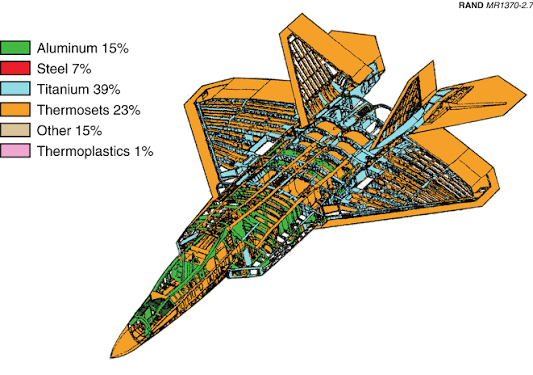
My understanding is neither the F-22 or YF-23 (or any 5th gen) does well on top speed. This is due to the skin being made of composite materials, which while possessing other advantages, isn't particularly resistant to heating. I guess that's another reason why they have fixed inlets.
 

Attachments

  • 1790187339467.png
    1790187339467.png
    148.5 KB · Views: 74
Last edited by a moderator:
This is due to the skin being made of composite materials, which while possessing other advantages, isn't particularly resistant to heating.
"Composites" is a very broad term, there are many exceptional heat resistant composite materials, many of which seeing applications in the aerospace industry.

On average though stealth aircraft tend to be rather chunky and prioritize different attributes over outright maximum speed.
 
"Composites" is a very broad term, there are many exceptional heat resistant composite materials, many of which seeing applications in the aerospace industry.

On average though stealth aircraft tend to be rather chunky and prioritize different attributes over outright maximum speed.
Original requirement was M2.6, which is more than F-15 and just short of Mig-25/31 combat vmax.
But it was found to be unachievable within available resources and priorities.
Not to mention that M2+ speed causes a dramatic increase in an aircraft's IR-signature due to aerodynamic heating of its' airframe.
That part emerged later, with further development of compact IR sensors; in a way, it also can be interpreted as cope.
 
Even the F-15, which can reach M2.3+, has heat limits with the windscreen and canopy being damaged when taken to that speed. Remember that the radome is also composite and one of the highest temperature areas of the aircraft at those speed.

The F-22 can maintain M2 using only approx 1/3 afterburner thrust, according the JB Brown. It can easily exceed M2 in a time limited envelope, similar to other aircraft like the F-111.
 
"Composites" is a very broad term, there are many exceptional heat resistant composite materials, many of which seeing applications in the aerospace industry.

On average though stealth aircraft tend to be rather chunky and prioritize different attributes over outright maximum speed.
True in general, but we know (roughly) what sort of composites does the F-22 use, which are carbon fiber and alternatingly epoxy and bismalemide resin used as binder for the high temp areas.
Which according to this manufacturers website can do 250C sustained and 400C for short periods:
https://raptorresins.com/bismaleimide-resins/

Also I was imprecise - not only temp resistance is worse, but also is the temp conductivity by orders of magnitude, which means its much harder to wick away heat from these parts.

The F-22 can maintain M2 using only approx 1/3 afterburner thrust, according the JB Brown. It can easily exceed M2 in a time limited envelope, similar to other aircraft like the F-111.
I'm glad you brought up the F-111, as that aircraft, like the MIG-25 is famous for not really having a true top speed, and can accelerate until falling apart. I suspect the situation is same with the Raptor, going too fast damages the skin, doesn't mean it's not the right call in a bugout moment.
 
Last edited:
I'm glad you brought up the F-111, as that aircraft, like the MIG-25 is famous for not really having a true top speed, and can accelerate until falling apart. I suspect the situation is same with the Raptor, going too fast damages the skin, doesn't mean it's not the right call in a bugout moment.
I dunno, doing a bugout fast enough to burn the skin of an F-22 is likely going to cost you the plane, even if it does save the pilot.
 
The max demonstrated Mn of the YF-23 was published. The supercruise speed with the YF120 was not, although Wikipedia cites M1.72.

I do remember that the YF-23 was experiencing some canopy cracking. That may have been the limiting factor in their demonstrated max Mach. We don’t know, but there could also have been an inlet flow stability problem above M1.8, the inlets were redesigned for the F-23 EMD proposal.
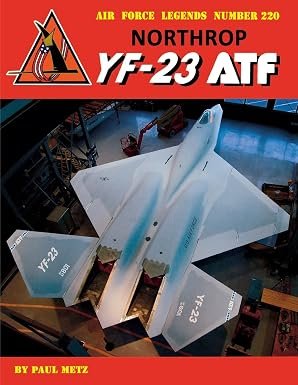
Canopy cracking happened while sitting inside a crate in a warehouse according to Paul Metz in this book.
 

Attachments

  • 71lFZ8vyeQL._SY385_.jpg
    71lFZ8vyeQL._SY385_.jpg
    24.5 KB · Views: 16
Last edited:
Even the F-15, which can reach M2.3+, has heat limits with the windscreen and canopy being damaged when taken to that speed. Remember that the radome is also composite and one of the highest temperature areas of the aircraft at those speed.

The F-22 can maintain M2 using only approx 1/3 afterburner thrust, according the JB Brown. It can easily exceed M2 in a time limited envelope, similar to other aircraft like the F-111.
Paul Metz said, "the top speed is classified but it'll do 1600 miles per hour" on one of the many Discovery/History/TLC airplane documentaries back in the early 00s. Have tried tracking down the specific episode a couple times, for evidence, with no luck. "It's fast. I mean it's really fast. The top speed is classified but it'll do 1600 miles per hour", was the full quote.
 
I dunno, doing a bugout fast enough to burn the skin of an F-22 is likely going to cost you the plane, even if it does save the pilot.
The airframe, maybe. But other components are also being saved alongside the pilot, as compared to ejecting and possibly losing everything and maybe even the pilot as well.
 

Similar threads

Back
Top Bottom