Engine thrust doesn't actually enter into the equation at all. At least not in the calculator I used.
This because Breguet range equation assumes steady level flight (trimmed). So SFC in that equation should be whatever SFC is needed to produce the thrust needed to balance out the drag at your cruise condition.

If you have TFSC then you multiply it by cruise drag to get the SFC at cruise. This is also why you don’t double TSFC when you have two engines because presumably each engine will now only need to produce half the thrust to maintain cruise.

The tricky part about trying to predict range is therefore actually trying to estimate the drag of the aircraft. The range of possible TSFC is pretty narrow relative to range of weight and drag. (0.55-.75 is about what you can expect for modern turbojet engines) If you are going to play around with the Breguet range equation, you’d get far more variation playing with weight and L/D. This is also why TSFC isn’t as well protected as L/D and you can find TSFC on engine datasheets and gets passed around to help aerospace engineers design aircrafts. You really wouldn’t see much variation coming from the SFC term in the equation unless adaptive cycle engine is a thing and you can get TSFC closer to high bypass ratio engines (around 0.3).

If I was going to play around with the Brequet range equation I’d probably take a range of L/D based on historical data of various configurations and some guesses on empty weight and MTOW. From those values you can get Drag and thrust SFC from TSFC and fill out the rest of the range equation to get range.
 
If the required thrust‑to‑weight ratio is achieved without afterburner, why not do without it?
You wouldn’t go without an afterburner because not having one will significantly increase the TOFL required to operate the aircraft; especially at full combat load. Whatever your max dry thrust and dry T/W ratio is, afterburners will increase that and shorten your TOFL. Seeing how basing option and ACE is at the top of wargame planners mind these days, I’m willing to bet that you will have an afterburner even if it’s just so you can operate NGAD out of more places.
 
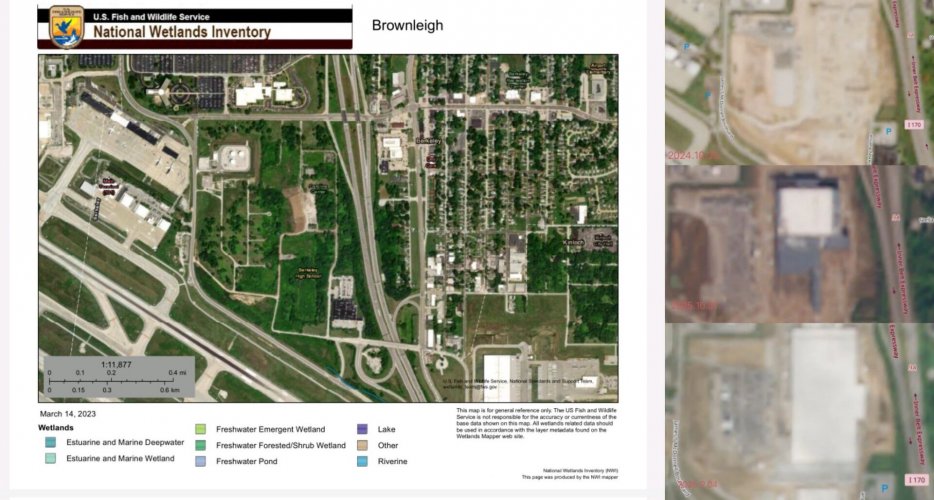
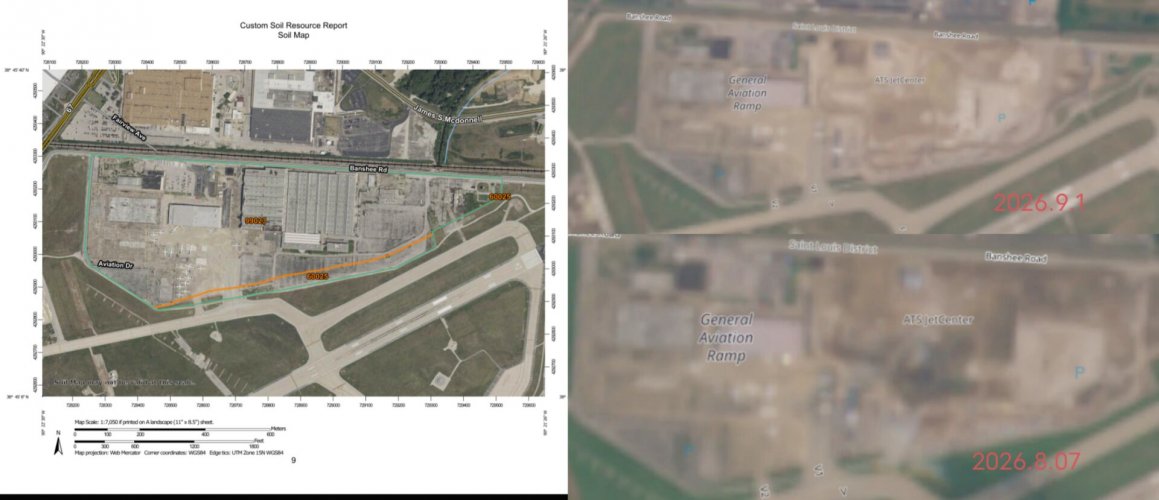
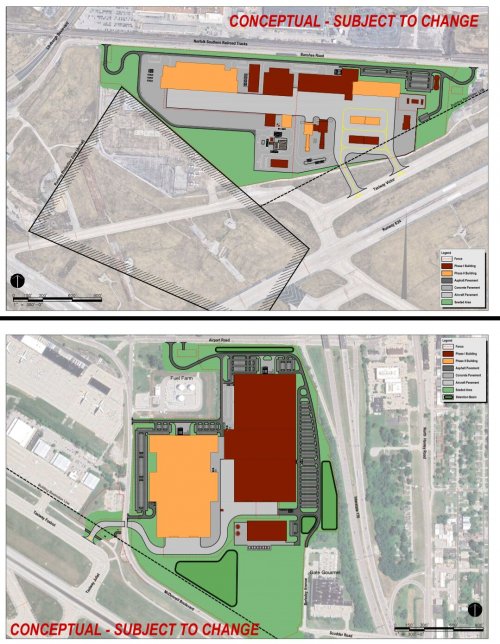
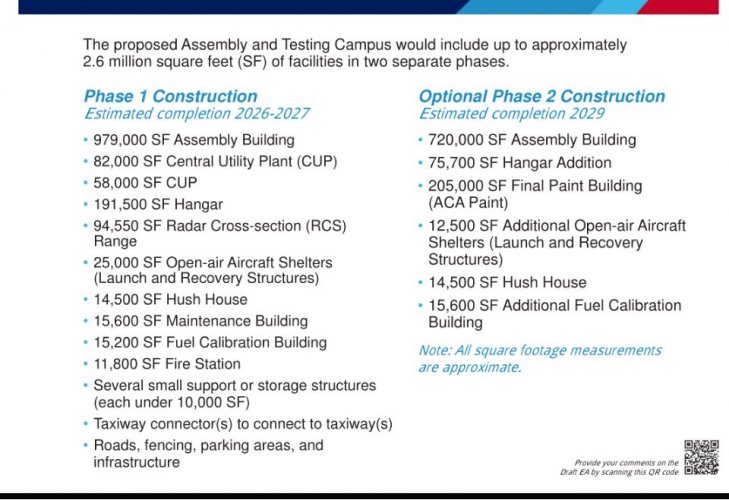
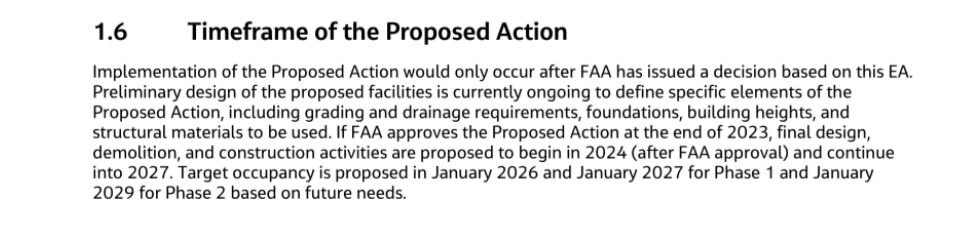
The Phase 1 assembly plant has been completed and is ready for use; additionally, the Phase 1 facilities in the northern section are scheduled to come online in January 2027. The total area for Phase 1 is 138,156.3 square meters (approximately 207.2 *mu*, excluding other facilities).
Construction for Phase 2 is projected to begin in 2029 (optional).


The last image is worth a closer look!
 

Attachments

  • IMG_1789777394447.jpg
    IMG_1789777394447.jpg
    246.2 KB · Views: 14
  • IMG_1789777398976.jpg
    IMG_1789777398976.jpg
    143.9 KB · Views: 12
  • IMG_1789777403453.jpg
    IMG_1789777403453.jpg
    274.5 KB · Views: 13
  • IMG_1789777405679.jpg
    IMG_1789777405679.jpg
    100.4 KB · Views: 11
  • IMG_1789777408529.jpg
    IMG_1789777408529.jpg
    40 KB · Views: 8
  • bili_poster-1789777413291.png
    bili_poster-1789777413291.png
    840.8 KB · Views: 12

Similar threads

Back
Top Bottom