RavenOne
ACCESS: Top Secret
- Joined
- 18 June 2008
- Messages
- 1,134
- Reaction score
- 3,469
and trials at Holloman AFB, on high speed VTOL sled
View: https://www.youtube.com/watch?v=htBDBH6p5RA
cheers
cheers


Reminds me of a lot this: https://en.wikipedia.org/wiki/Schienenzeppelinand trials at Holloman AFB, on high speed VTOL sled
View: https://www.youtube.com/watch?v=htBDBH6p5RA
cheers
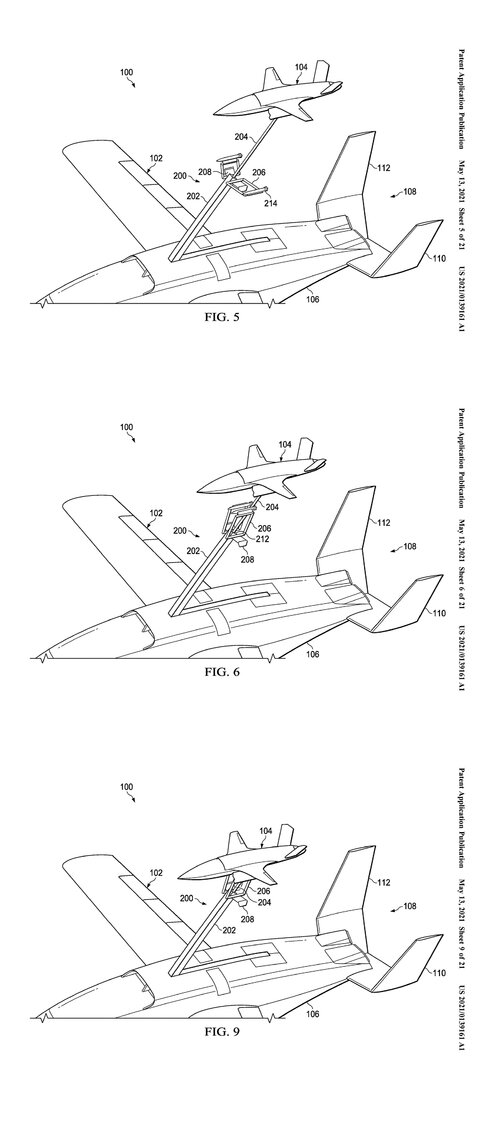
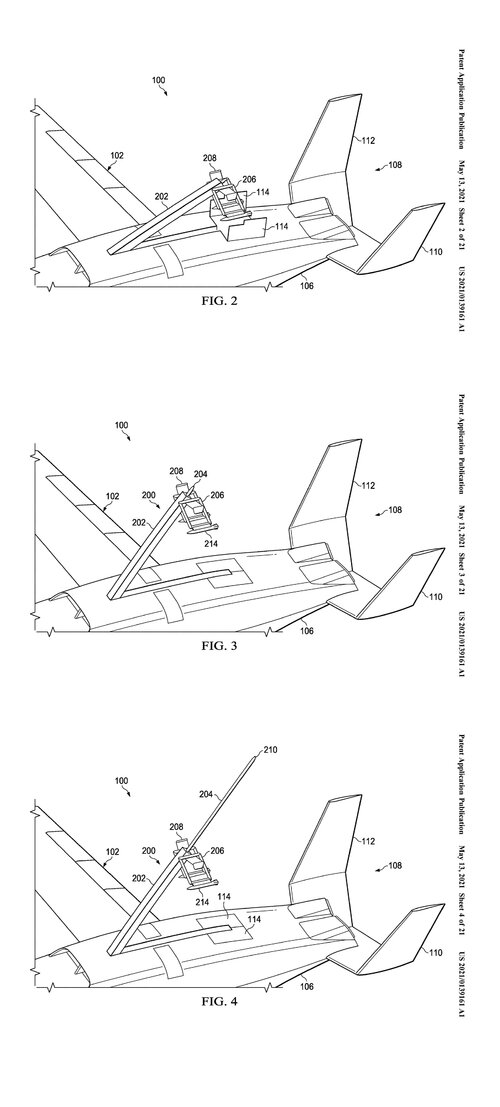
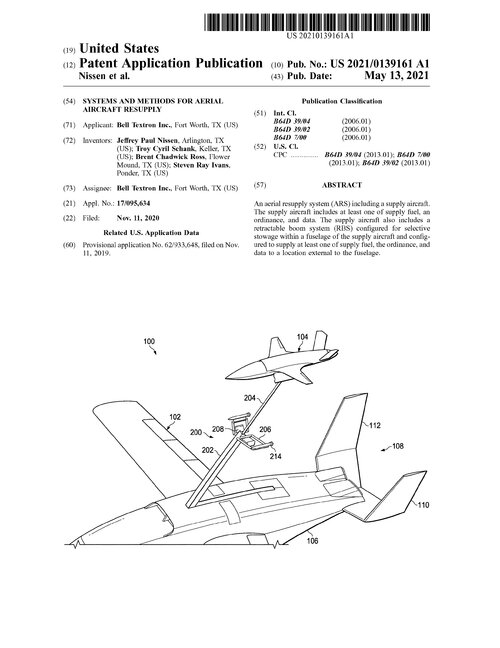
Systems and methods for aerial aircraft resupply
Abstract
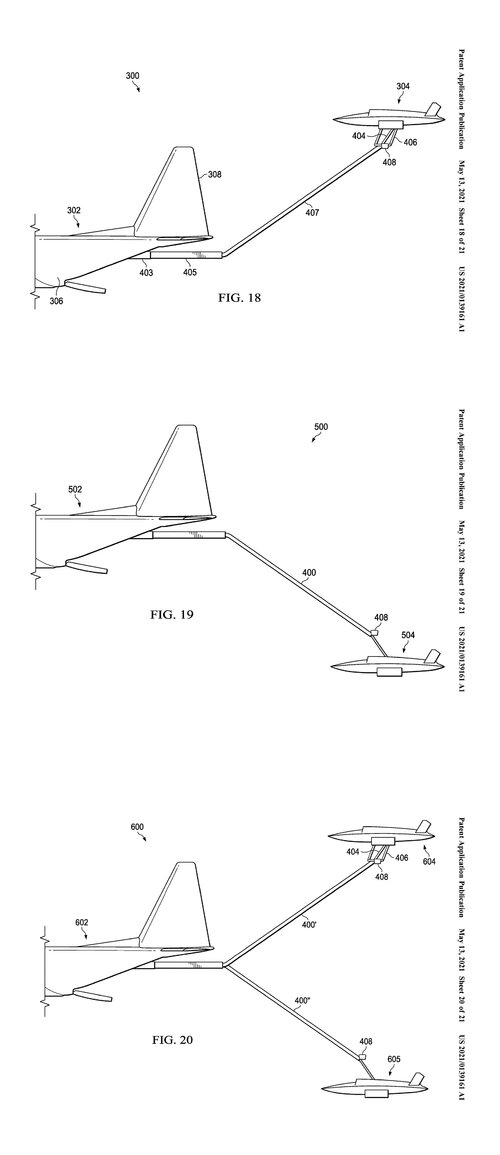
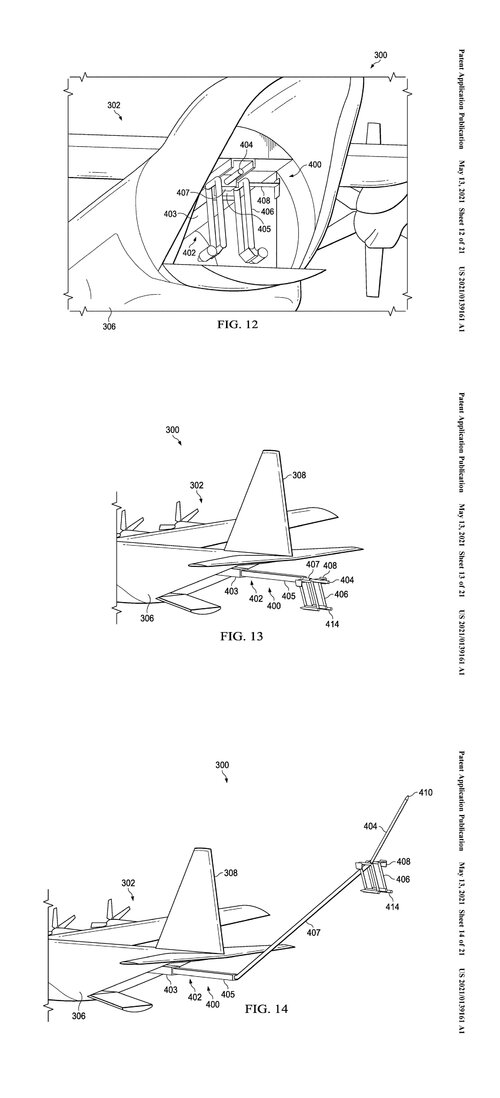
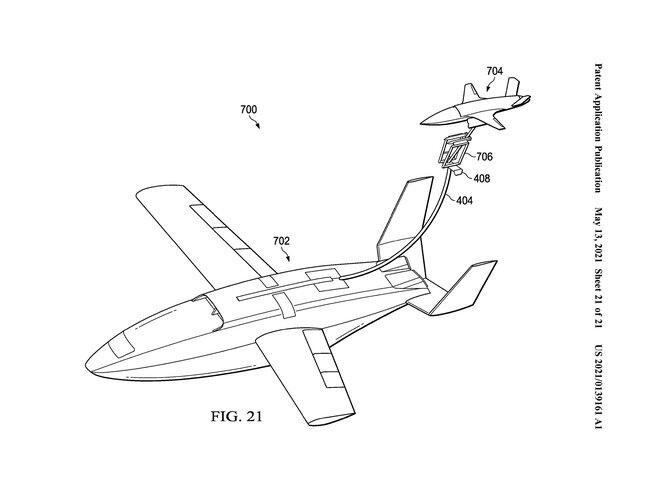
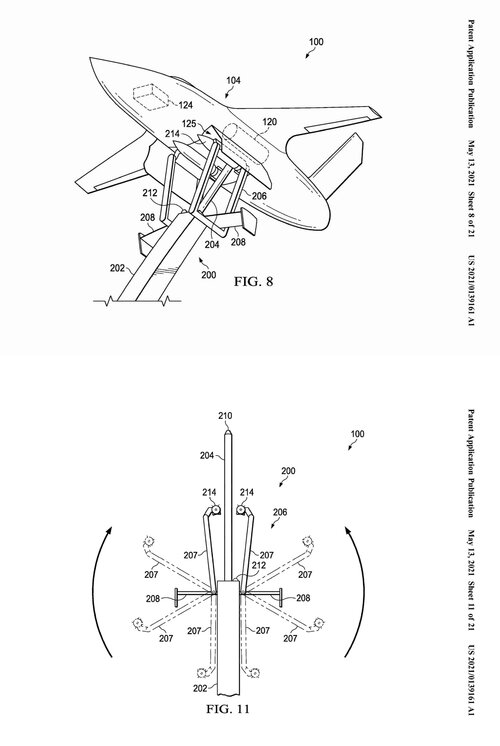
An aerial resupply system (ARS) including a supply aircraft. The supply aircraft includes at least one of supply fuel, an ordinance, and data. The supply aircraft also includes a retractable boom system (RBS) configured for selective stowage within a fuselage of the supply aircraft and configured to supply at least one of supply fuel, the ordinance, and data to a location external to the fuselage.



 www.twz.com
 theaviationist.com



 news.bellflight.com

FlightGlobal article:
(Subscription or registration may be required)
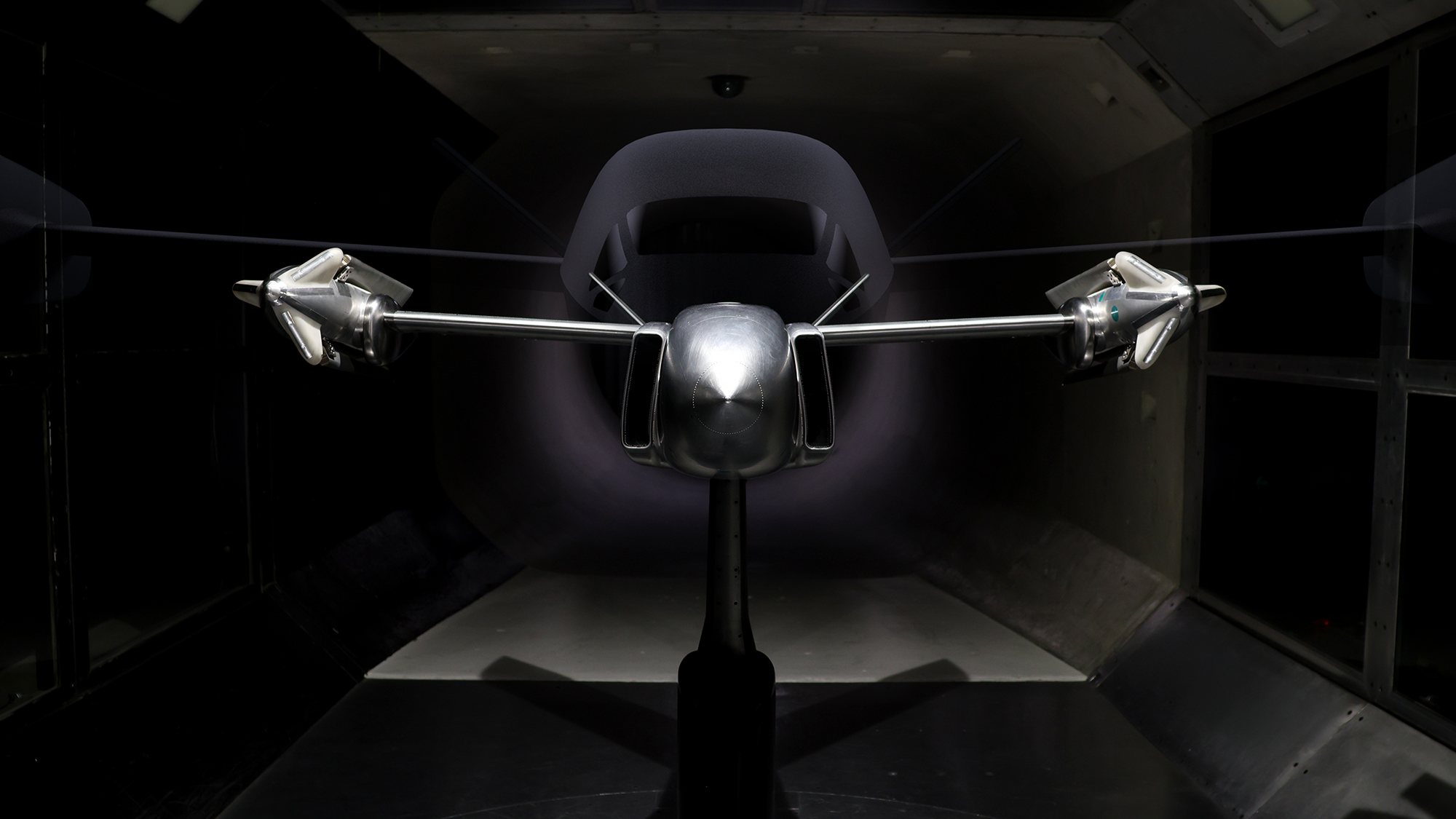
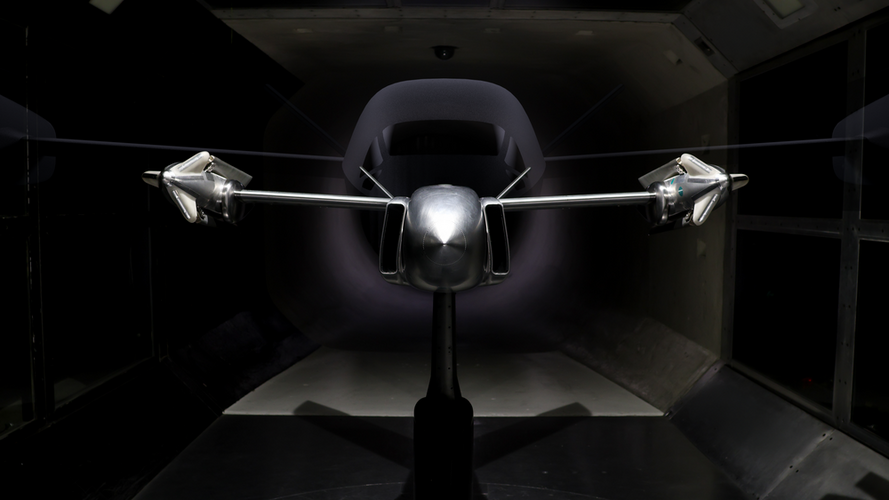
Bell advances to build phase of secretive DARPA high-speed VTOL contest
Bell's concept for an advanced tiltrotor-jet hybrid aircraft will move into the build stage of the US Defense Advanced Research Project Agency's Speed and Runway Independent Technologies X-plane contest, after defeating rival finalist Aurora Flight Sciences.www.flightglobal.com

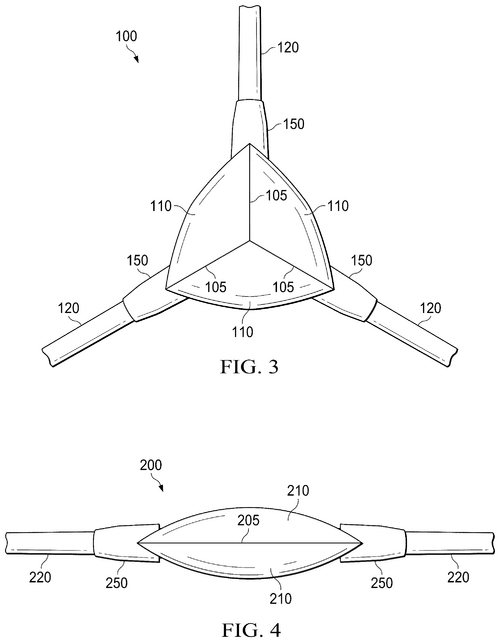
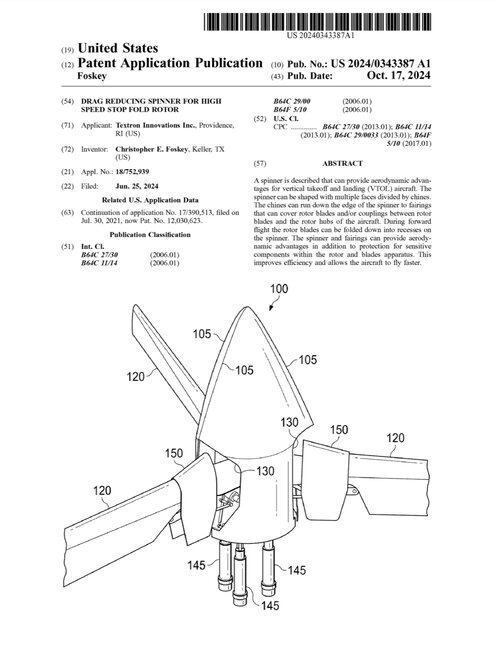
Or indeed supersonic, as they realised back during the Cold War:Folded Rotor like that is arguably the most optimum solution for getting tiltrotor to high subsonic speed.
I can already hear the screams of the maintenance guys.No way!
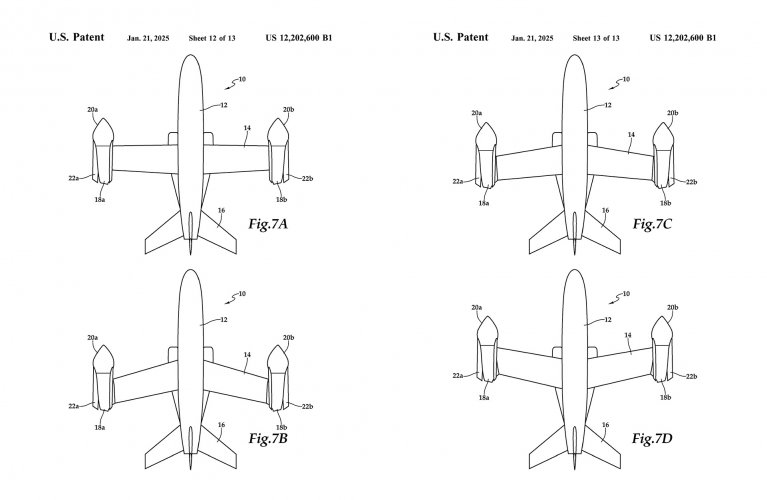
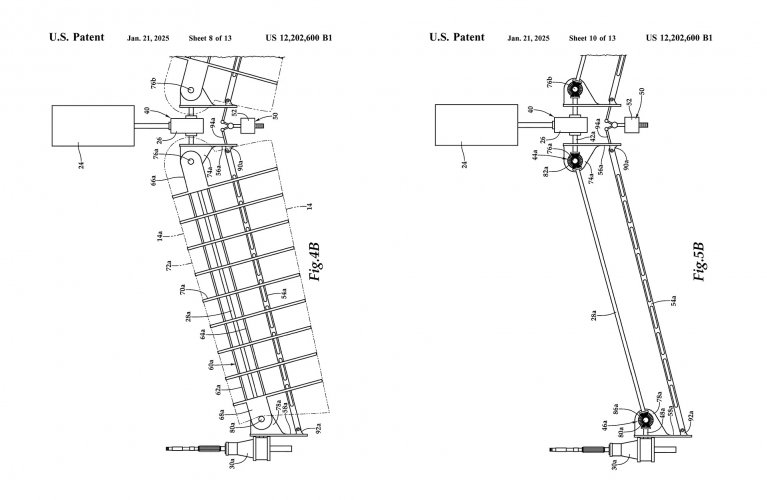
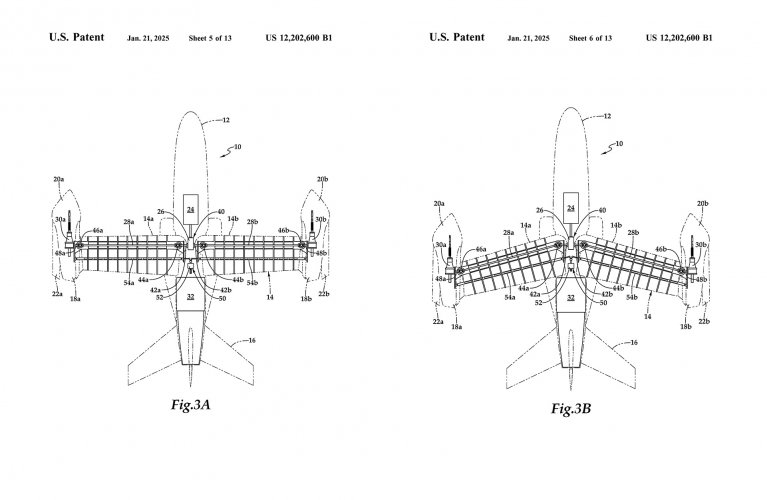
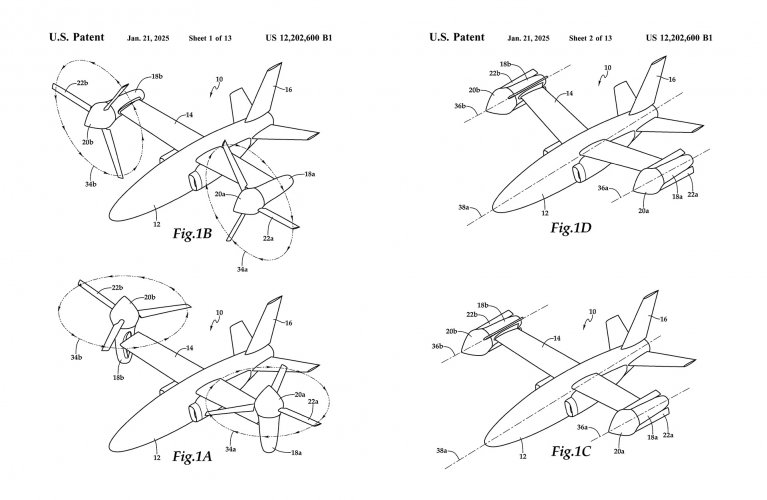
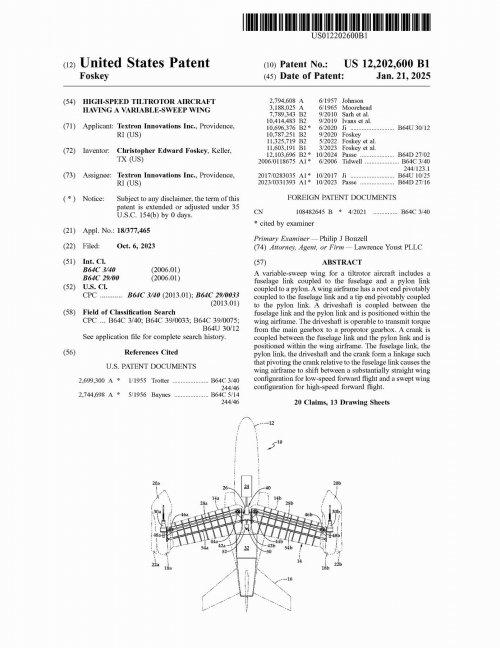
US12202600B1 - High-speed tiltrotor aircraft having a variable-sweep wing - Google Patents
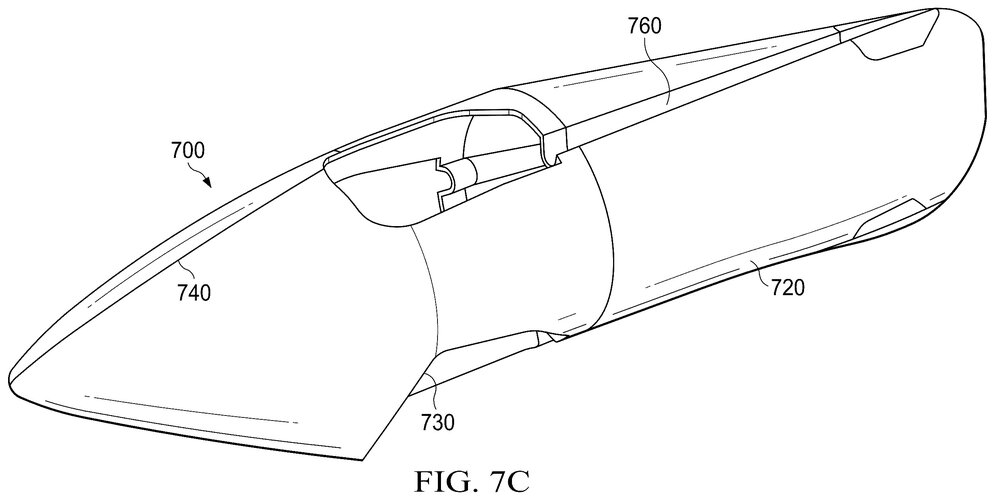
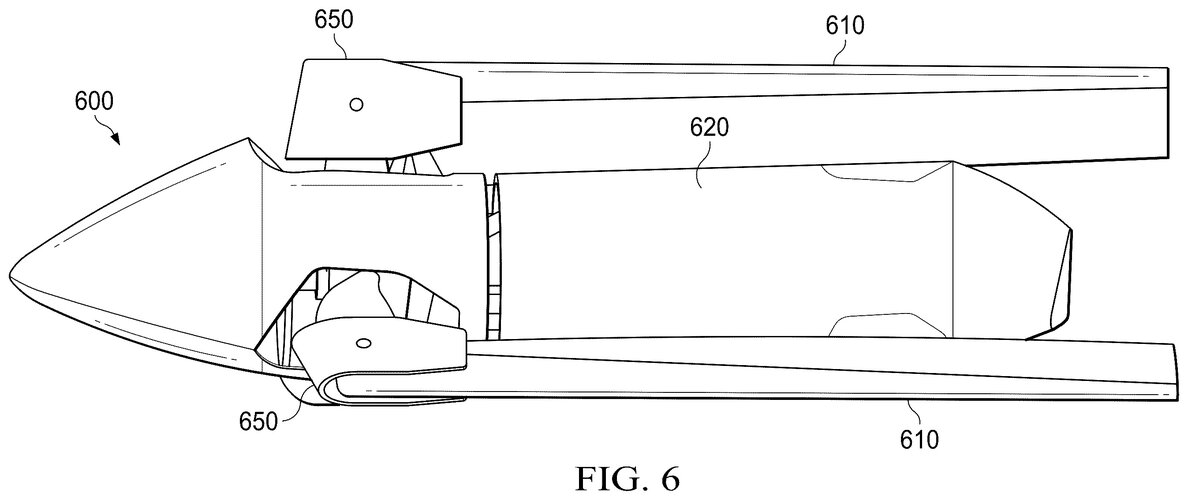
A variable-sweep wing for a tiltrotor aircraft includes a fuselage link coupled to the fuselage and a pylon link coupled to a pylon. A wing airframe has a root end pivotably coupled to the fuselage link and a tip end pivotably coupled to the pylon link. A driveshaft is coupled between the...patents.google.com
Maybe it would make more sense to focus on how to marry swept wing with tilt rotor without having the whole assembly (wing, cross shafts, cowls etc) essentially articulating. If the issue is thrust offset of the tips to the Cog maybe there is a case for a ducted fan in the nose. With modern multiphase electrification and twin fans in the duct this could hit the required reliability without cross shafting.No way!
US12202600B1 - High-speed tiltrotor aircraft having a variable-sweep wing - Google Patents
A variable-sweep wing for a tiltrotor aircraft includes a fuselage link coupled to the fuselage and a pylon link coupled to a pylon. A wing airframe has a root end pivotably coupled to the fuselage link and a tip end pivotably coupled to the pylon link. A driveshaft is coupled between the...patents.google.com
Let's tilt the blade, let's tilt the props, let's till the wing, now our men aren't even straight!I can already hear the screams of the maintenance guys.
Actuator folks are going to love this!Let's tilt the blade, let's tilt the props, let's till the wing, now our men aren't even straight!
Making a major element if the aircraft mass pivot right on the end of the wing tip? I know the F-111 can/could pivot drop tanks and SRAMs but that's something few/none(?) of the other SW aircraft did. All the same fair play they think it's worth a patent. I guess we'll find out when the Chinese fly theirs in 3 years time.Do I am correct that the wing is swept only with the prop rotor shut? IMOHO, there is no difference with an articulated pylon such as the ones already present on an F-111.
Quite agree. If all it took was a patent life would be so much simpler. In principle it's patentable and especially for the stopped rotor tech. Makes sense. Arguably the same advantage for electrification of ancillary fans could be made for replacement of the cross shafting with hybrid-electric power transmission. Maybe not so crazy. Before anyone tells me transferring 6000shp by electric drives is impractical, I'd say it's challenging.Getting a patent and building something are two different things. Bell Flight likely is just getting the rightsfor the engineer(s) who developed it.
Seems interestingNo way!
US12202600B1 - High-speed tiltrotor aircraft having a variable-sweep wing - Google Patents
A variable-sweep wing for a tiltrotor aircraft includes a fuselage link coupled to the fuselage and a pylon link coupled to a pylon. A wing airframe has a root end pivotably coupled to the fuselage link and a tip end pivotably coupled to the pylon link. A driveshaft is coupled between the...patents.google.com
No way!
US12202600B1 - High-speed tiltrotor aircraft having a variable-sweep wing - Google Patents
A variable-sweep wing for a tiltrotor aircraft includes a fuselage link coupled to the fuselage and a pylon link coupled to a pylon. A wing airframe has a root end pivotably coupled to the fuselage link and a tip end pivotably coupled to the pylon link. A driveshaft is coupled between the...patents.google.com
Getting a patent and building something are two different things. Bell Flight likely is just getting the rights for the engineer(s) who developed it.
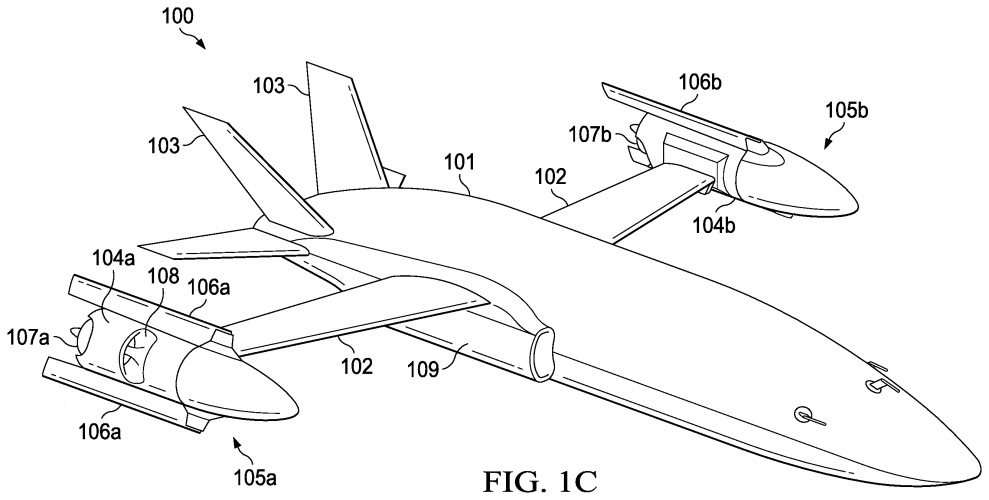
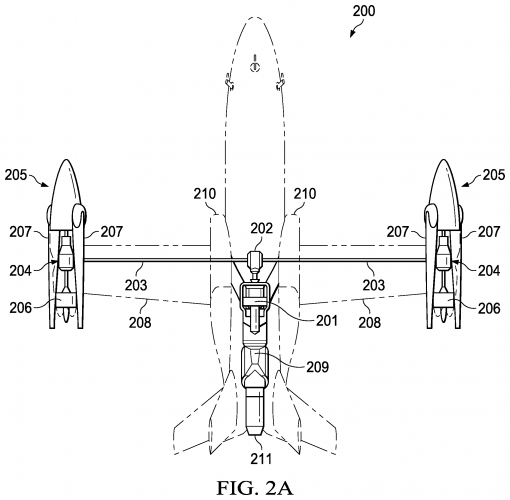
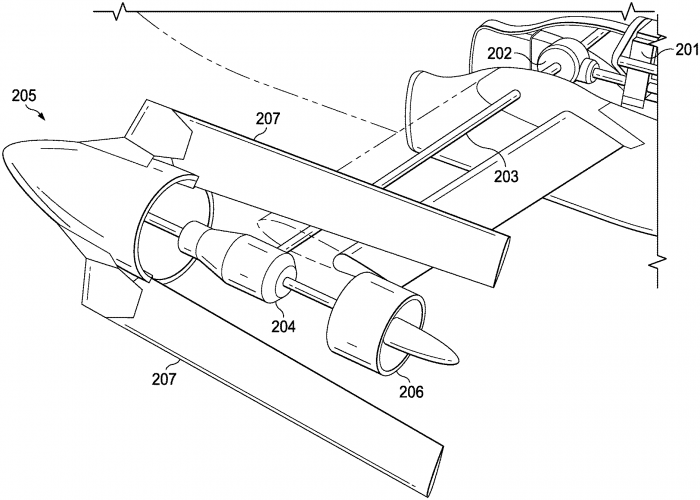
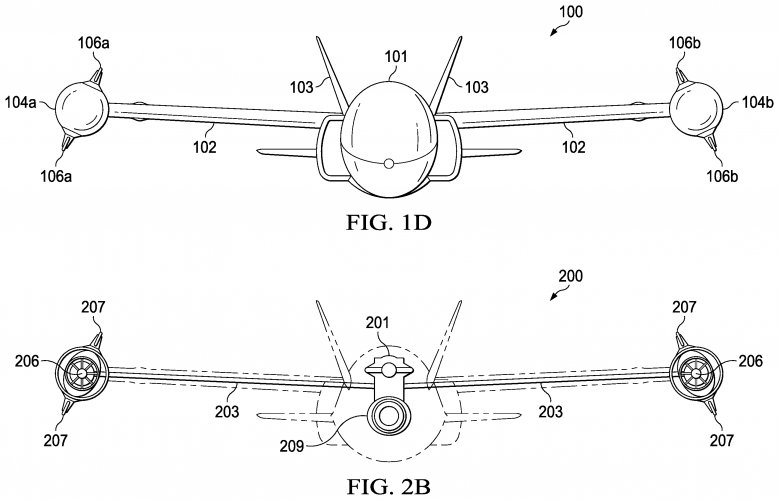
Waaaaait a minute... so the plan is
- to start from something like a V-280 (where the engines don't tilt, just the props)
- folds the props in flight, along the nacelles
- and then go full Learjet / bizjet style ? with turbofans in rear nacelles ?
Daring enough, it may work... or not.
Before quadcopters (and many other drones / aerodynamic heresies / abominations) flew I wouldn't have bet on folding props in flight.
With algorithms to tame instability, however, even cast irons and pigs could fly so maybe it is possible ?
Seriously - I kind of like the idea.
A- Liftoff V-280 style
B- then lit the turbofans, gradually accelerate to 150-200-250 miles per hour: fast enough to fly like a Learjet, except a Learjet with huge wingtip propellers (!)
1- with the props, first, disconnecting from the turbines
2- then windmill / feather the props as if the turbine was dead (as done on piston and tuboprop aircraft for decades and decades)
3- gradually fold the blades along the nacelles
4- fly like a F-89 Scorpion: an aircraft that is proof that having huge wingtip pods is not a major issue.
What is really interesting is
a) we know that propellers-and-jet aircraft flies well since the 1940's at least (Ryan Fireball, B-36H...)
b) we know that helicopter-with-jet can also fly pretty fast (XH-59 flew at 250 mph, Cheyenne, many others)
c) the Bell V-280 is the necessary step beyond the CL-84 (tilt-wing) and V-22 (tilt-turbines) to make this happen: it is kind of "tilt-propellers-


 www.twz.com