Titus K
ACCESS: Top Secret
- Joined
- 6 September 2025
- Messages
- 817
- Reaction score
- 2,777



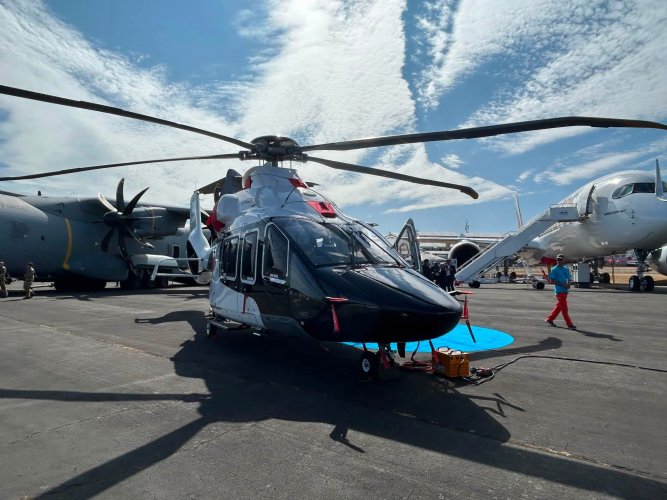
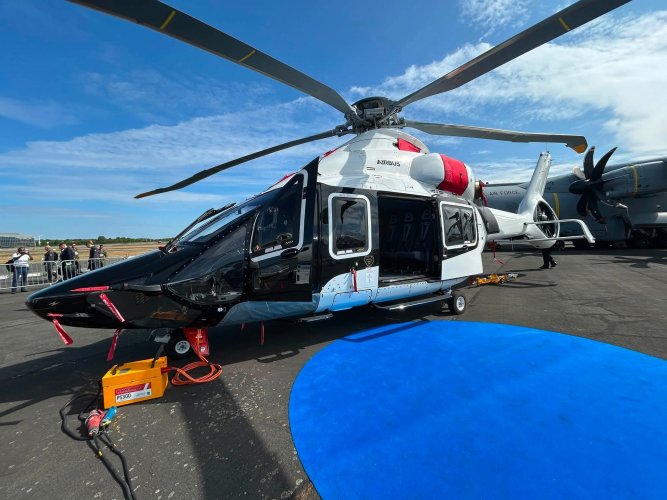
Inspections of main rotor components returned to Airbus Helicopters in the wake of a 2 January ditching of an H160 medium-twin off the Brazilian coast have so far found zero defects, the airframer has revealed.
...
It further reinforces the impression that CENIPA is now mainly focused on a maintenance issue in the days prior to the ditching, rather than any underlying mechanical problem with the aircraft….
...
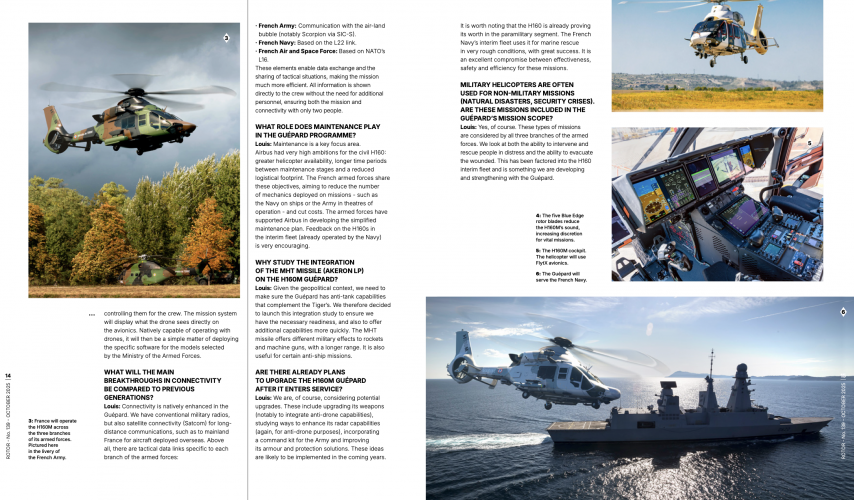
Klein is also pleased with the operational performance of the H160: average availability of the 65-strong in-service fleet stood at over 90% last year, he notes.
Airbus Helicopters has, meanwhile, will in March extend the time before overhaul for the main gearbox from 900h to 3,000h, based on evidence gathered from the in-service fleet. US certification for the improvement will follow in September.
...
Separately, the manufacturer has increased the maximum payload for H160s fitted with inlet barrier filters – about 40% of the fleet – by 150kg (330lb), or 50kg in single-engine operation.
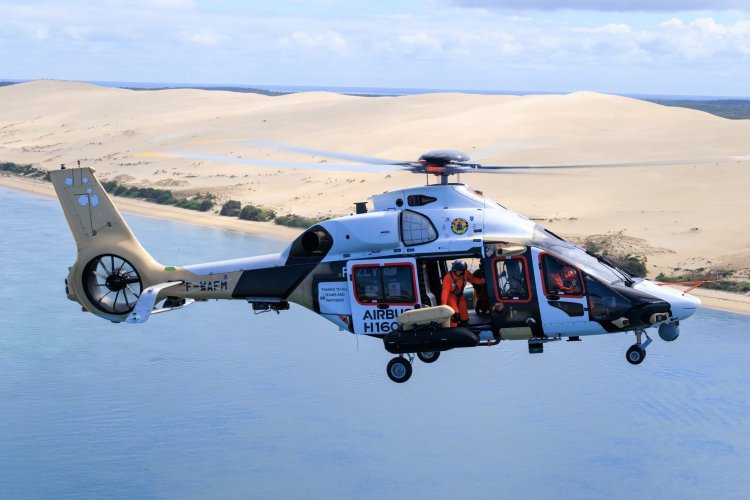
In terms of the aircraft’s performance during the ditching itself, Klein said it was a test of the H160’s safety features – and the aircraft performed well.
“The feedback with the pilot and the crew was very good, because they opened the window, they opened rafts, and all the safety [systems] are [working],” he said. This included the aircraft’s floats, which allowed it to stay above the water during the evacuation — and to be towed behind a boat all the way back to port.
Klein also congratulated the pilots, “because the reaction was exactly the right one at the right moment,” he said, adding that it was also a validation of the H160 training program.
“During the training, we also have this kind of event, and [the aircraft] exactly reacted how we expect,” he said.
Klein also noted that the H160’s safety features — including a camera mounted on the Fenestron and various metrics recorded by its advanced avionics — have allowed the investigation to move quickly.
The head of the Airbus Helicopters H160 program has described 2025 as “a turning point,” with “good commercial momentum” from 30 new orders — which he said represents 50 percent of the civil market in its category.
...
Production over the year continued to ramp up, and while the company won’t disclose exact figures, Klein said they delivered “substantially more than 24” of the new medium. The company is ultimately targeting 60 deliveries annually — 40 civil and parapublic, and 20 of the military H160M version.


It's not about reinforcing the structure but about protecting the cabin and thus the pilot and co-pilot from potential shrapnel and possibly small caliber fire.If it's only Kevlar, readers have to understand that a sheet of Kevlar has never held any structural members together in case of a hit. It's also heavy to be made relevant as a ballistic shield.
[EASA stated] Airbus has provided data from additional tests which shows that the fatigue strength of the pitch rod conform to the certification design assumptions. Consequently, “the specific unsafe condition addressed by this AD is no longer supported by the current evidence”
https://verticalmag.com/news/airbus-helicopters-extends-h160-mgb-tbo/The European Union Aviation Safety Agency (EASA) has approved a time between overhaul (TBO) extension for the main gearbox (MGB) of the Airbus Helicopters H160
The TBO for the MGB is now 3,000 flight hours — halfway towards the manufacturer’s ultimate goal of 6,000 flight hours.
In a statement announcing the extension, Airbus said it followed a rigorous technical evaluation, including three customer MGB inspections at 1,000 flight hours and successful 2,500-hour tests on the “dynamic helicopter zero” test cell and multipurpose test benches.
Airbus believes the extension will enhance the medium-lift aircraft’s competitiveness, thanks to the improvement to direct maintenance costs for operators.
The manufacturer said the process used a new testing standard involving test benches and in-service data, which will serve as a model for future aircraft programs.
Airbus hopes to achieve validation from the U.S. Federal Aviation Administration (FAA) in the second half of 2026.
In addition to the military helicopters, Romania will also purchase five H145 light-twins and seven H160 medium-twins for its interior ministry through contracts valued at €89 million and €191 million, respectively.
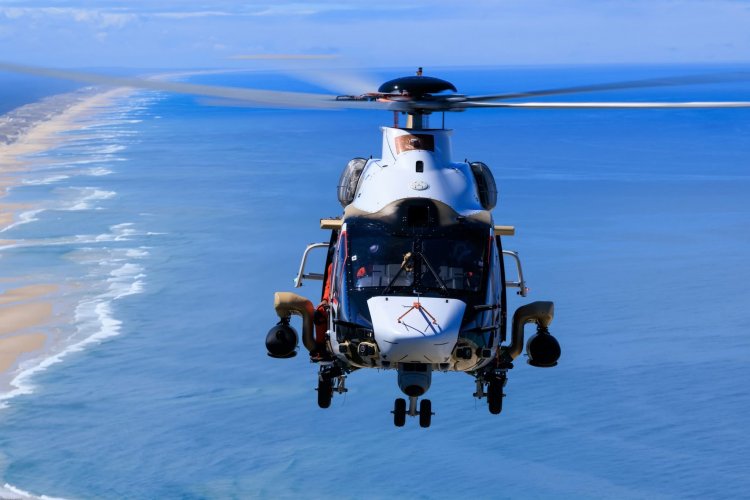
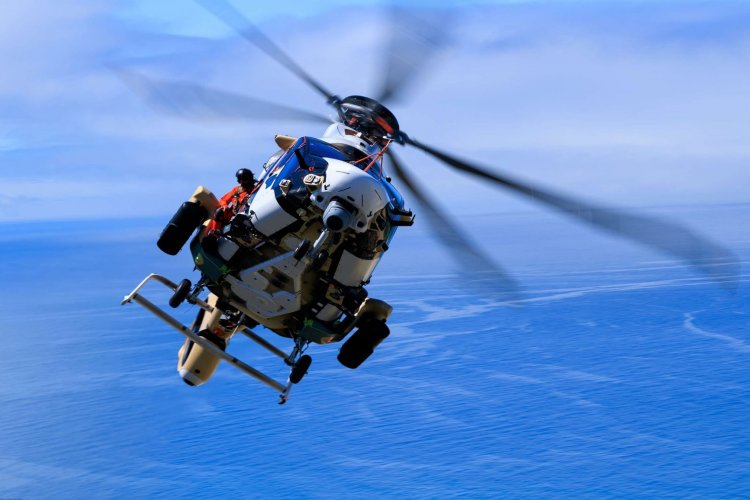
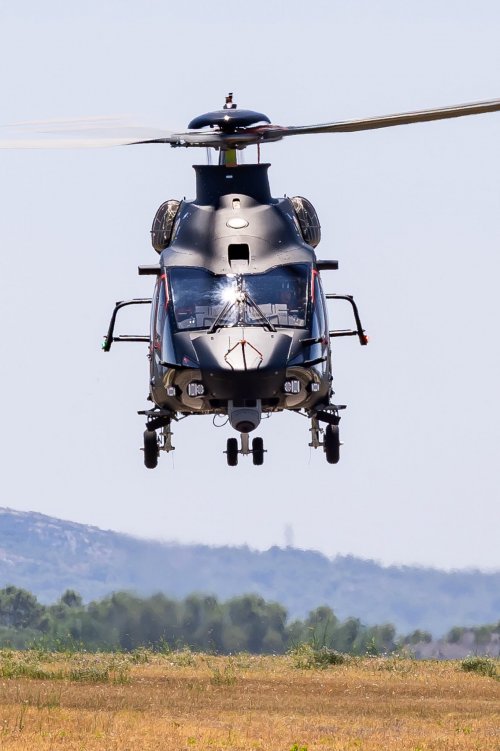
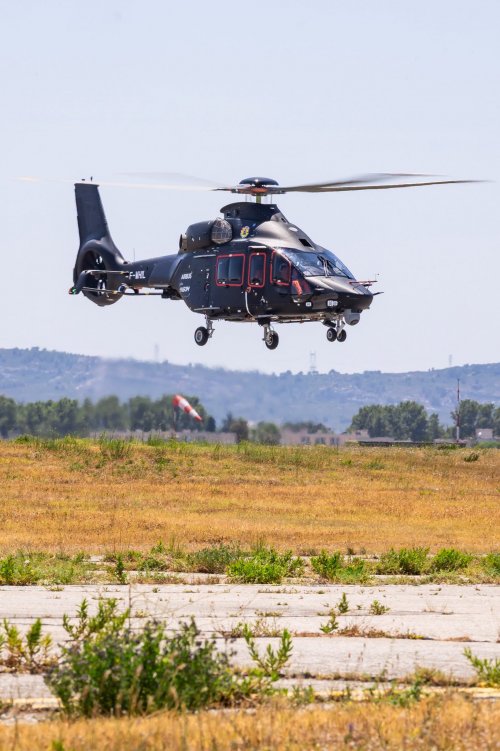
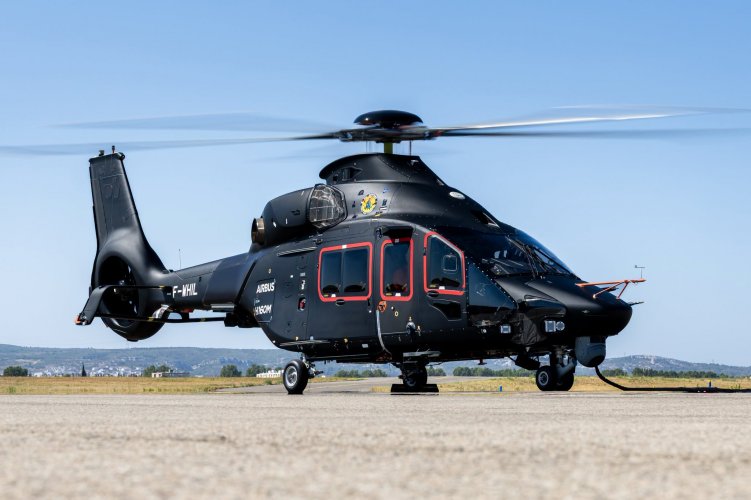
Airbus Helicopters is preparing to conduct a first firing campaign with the H160M equipped with a 12.7 mm axial machine gun.
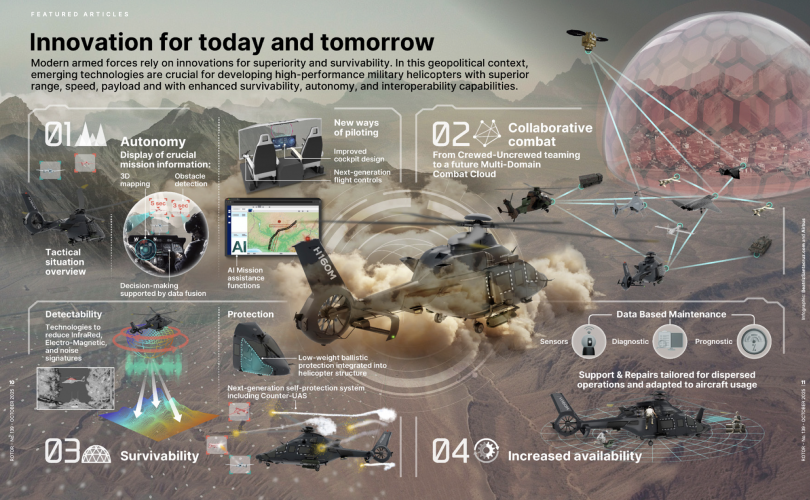
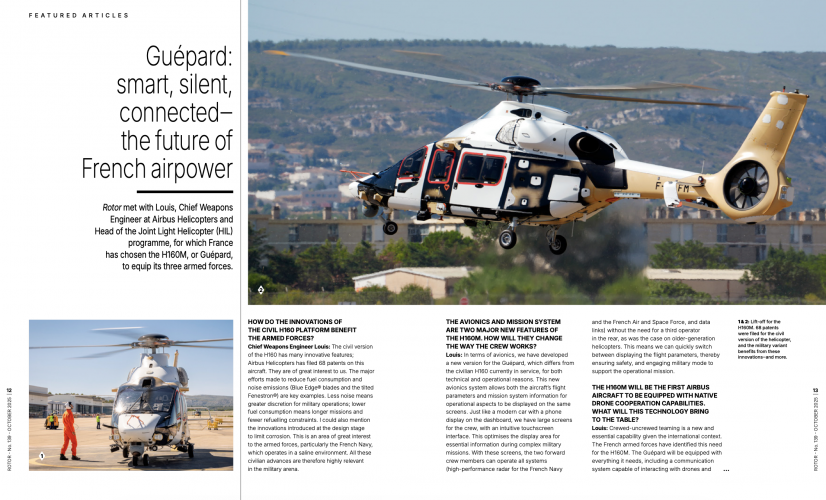
The H160M will also be equipped with the TopOwl helmet, identical to that of the Tiger, with identical modes and functions, and it will use the same electronic warfare suite as the combat helicopter
For the navy, this will involve pilots operating a latest-generation tactical radar equipped with numerous modes, without having to involve a third crew member.”
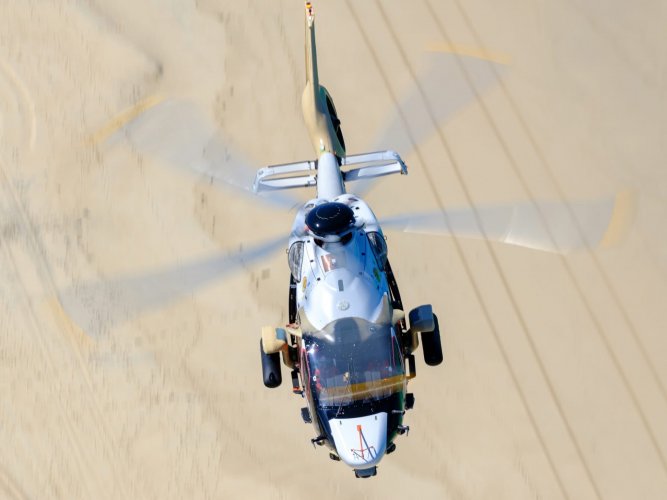
The aircraft will also be natively equipped with a capability for collaboration with drones. The H160M’s weapon pylons and the associated reinforcements of the structure give it significant growth potential for new developments, such as the integration of new types of air launched effects, missiles, but also remotely operated munitions (drones)
The French Defence Procurement Agency (DGA) has green-lit studies on the integration of MBDA’s Akeron LP missile
The H160M can be fitted with two internal 250-litre auxiliary tanks, further extending its already impressive range.
These trials take place less than a year after the prototype’s first flight in July 2025. They consist of firing tests of the
In addition to those tested during these trials, the integration of rockets, laser-guided rockets, and Akeron LP anti-tank missiles is being considered.
- axial cannon pod,
- door-mounted weapons (such as machine guns and sniper rifles)
- countermeasures.
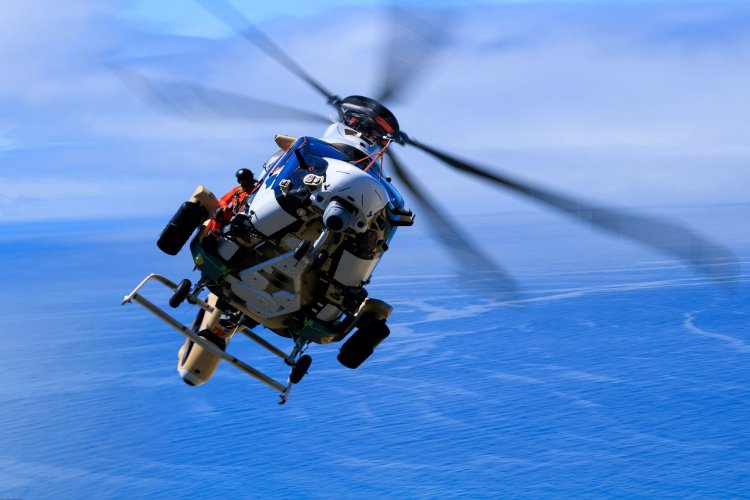
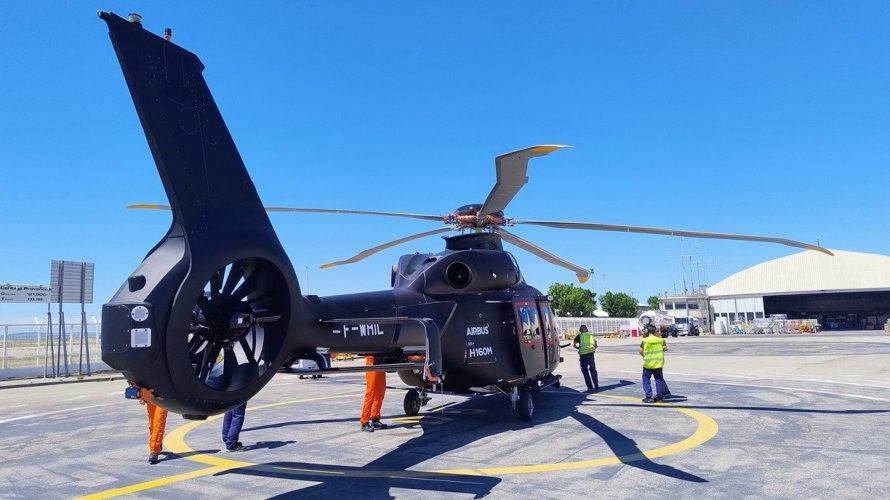
That would be a good assumption.Any idea what this could be at the back of 2nd H160M prototype's fenestron ?
Radar + laser detector/warning ?
That would be my assumption.Any idea what this could be at the back of 2nd H160M prototype's fenestron ?
Radar + laser detector/warning ?
The FDMA’s H160 selection reflects a broader countrywide trend, with the versatile H160 increasingly becoming the aircraft of choice across Japan’s municipal and prefectural agencies. Revered for its low acoustic footprint, advanced avionics and exceptional high-altitude maneuvering, four H160s are already actively in service across Japan, performing vital law enforcement, electronic news gathering and municipal fire fighting duties, with deployments continuing to grow as regional emergency services modernise.