On August 27, 1940, Marshal Timoshenko wrote a letter to Voroshilov.
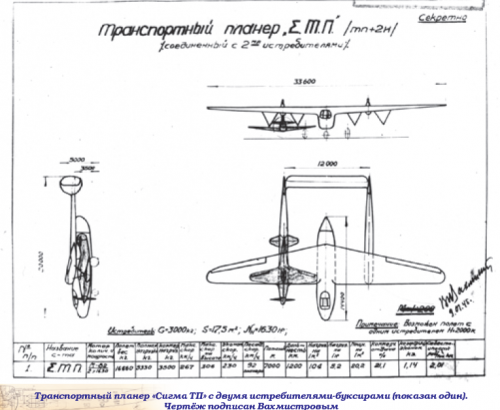
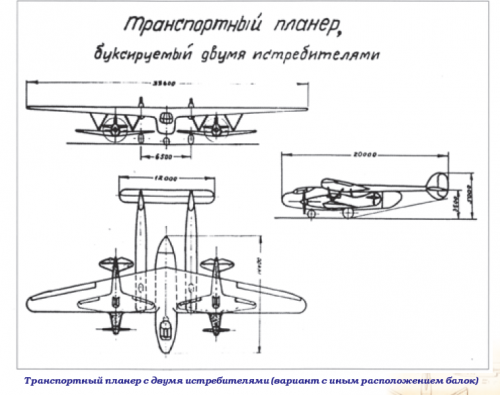
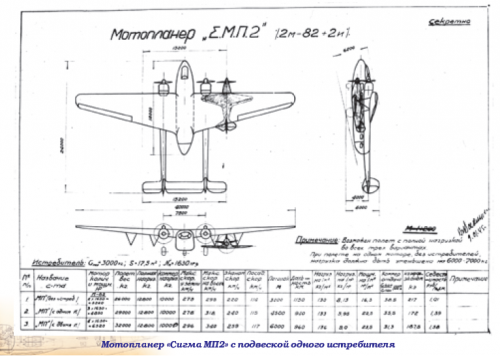
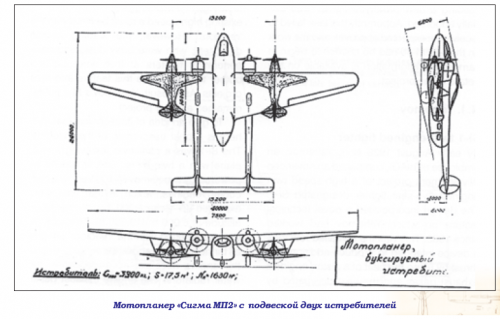
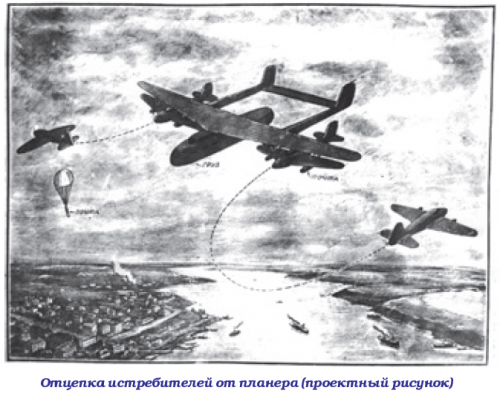
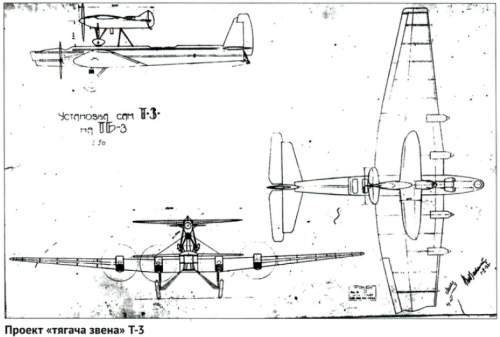
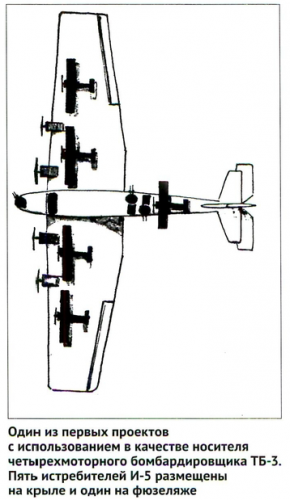
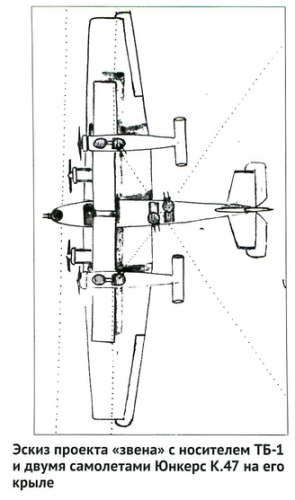
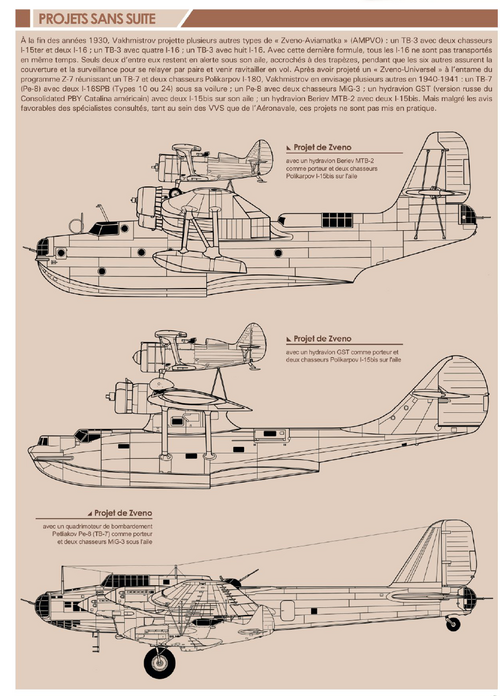
Since 1931, engineer Vakhmistrov had been working on designing devices for attaching fighters to heavy aircraft. The primary goal of this work was initially to enable fighters to escort heavy bombers on long-range flights, feeding the fighters' engines with fuel from the heavy bomber's tanks. Testing of prototypes and small military production series yielded positive results. Vakhmistrov subsequently proposed using I-16 aircraft as high-speed dive bombers and, in 1938, submitted a SPB FAB-250 flight for state trials. This flight consisted of one TB-3 with an M-34RN and two I-16s with an M-25; two 250 kg high-explosive bombs were suspended under each I-16. The "Zveno" passed state tests. Tests have demonstrated hit accuracy far superior to bombing from level flight. Currently, the TB-3 aircraft are obsolete as combat aircraft, and therefore the combat use of the "Zveno", at least in daylight conditions, is losing its significance.
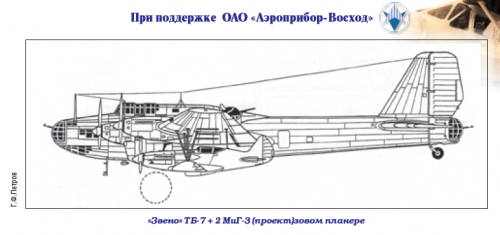
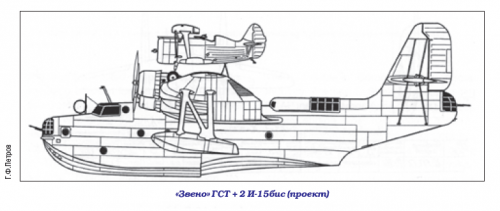
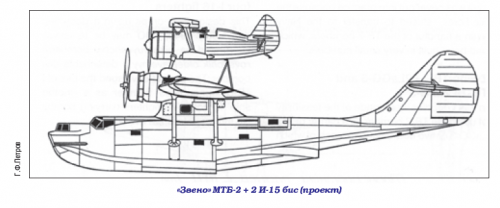
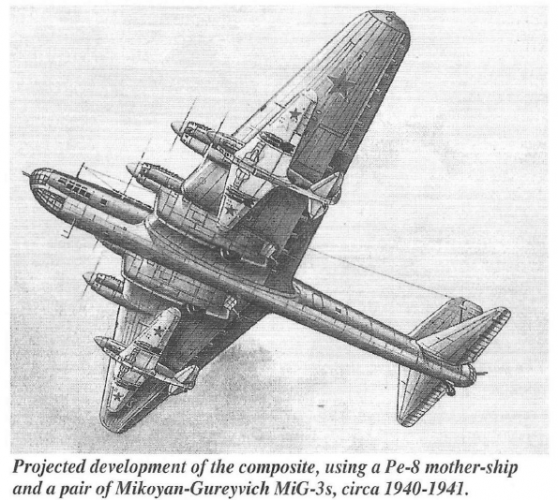
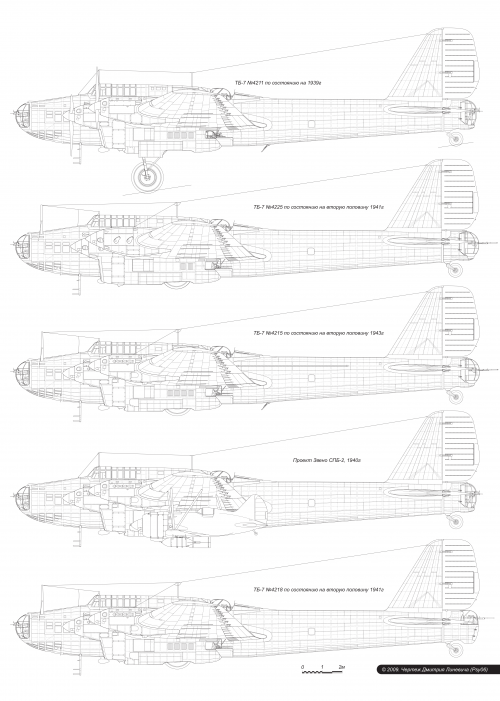
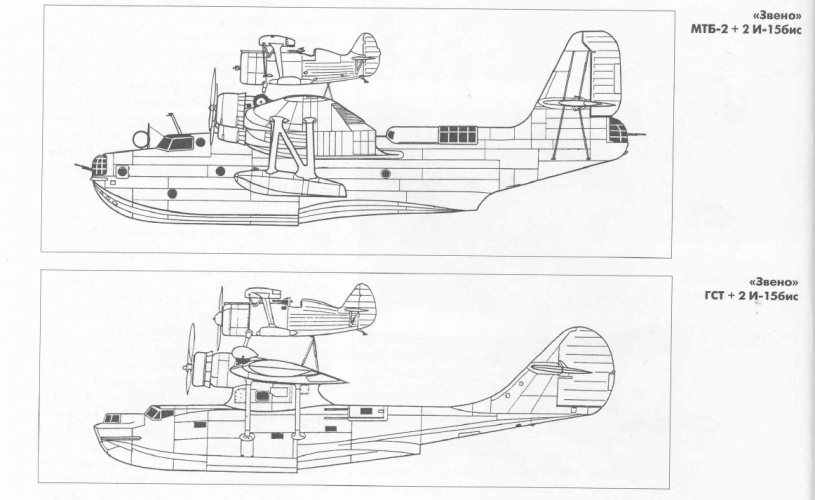
Since the "Zveno" mission has been fully technically accomplished and remains tactically valuable, it would be appropriate to transfer this experience to a more modern heavy aircraft, such as the TB-7, while also replacing the I-16s with I-180s and increasing the bomb caliber to 500 kg. A fighter carrying 250-500 kg bombs gains significant advantages over a twin-engine dive bomber, with a small target area and ample maneuverability. Furthermore, as the bombs are released, it becomes a fully-fledged fighter. In any case, abandoning further work in this direction would be unwise. This "Zveno" could be most widely used in our naval theaters, destroying enemy ships on the high seas and near our shores. I request that Vakhmistrov be tasked with developing a design for a TB-7 launcher with two I-180 bombs carrying 250 kg high-explosive bombs and 500 kg armor-piercing bombs, with the goal of producing a prototype and submitting it for testing in the first quarter of 1941.