Ku-Band Affordable Resiliently Manufactured AESA (KARMA)
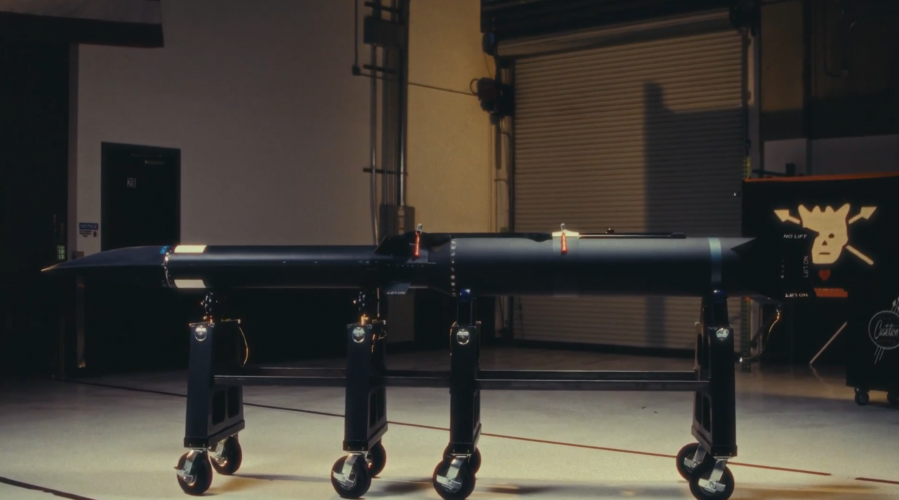
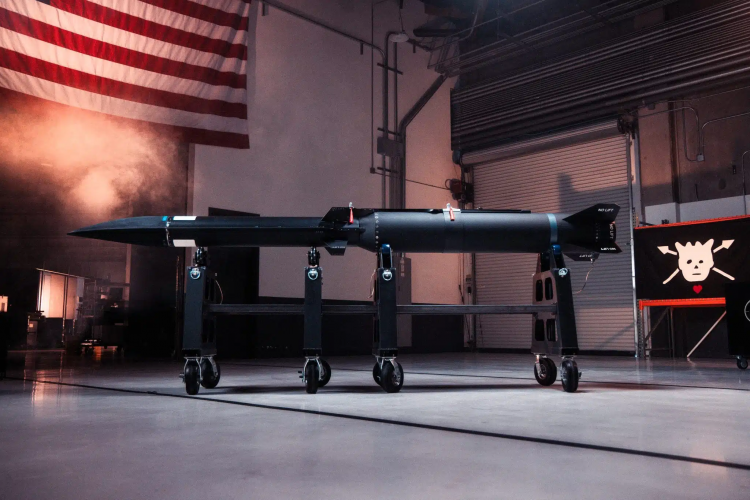
Castelion’s proposed Ku-band Affordable Resiliently Manufactured AESA (KARMA) starts where other SBIR efforts finish – with a proof-of-concept demonstration of a low-cost seeker designed for our 7in hypersonic missile. With KARMA, Castelion takes a page from Freedom’s Forge to design a seeker using commercial suppliers vs. commercial parts. By tapping into the automotive electronics market, we enter a highly competitive and fairly standardized marketplace. Use of standard industry “plug-and-play” sizes results in a seeker that is about 30% larger than its purely defense-industry counterparts, but dramatically lowers supply-chain risk and reduces cost. In this effort, Castelion leverages its ready-to-build 7-in seeker design to demonstrate functionality of the commercial-grade components and put it through a series of tests, including near-field chamber, far-field chamber, and thermal performance testing. Then, over the course of a 20-month period of performance, Castelion will identify the key requirements necessary for a “low-cost, multi-function radar system for attritable airborne platforms” and adapt the design to meet the SWaP and cost constraints outlined in topic AF244-D010. We are currently estimating that a 25% reduction in elements will allow us to meet performance, SWaP, and cost constraints, while maintaining the rest of the design. The effort will also include SAR data collection, algorithm development, and data link development. These additional steps will allow Castelion to fully model the performance of the seeker hardware. KARMA leverages technology developed under DARPA’s Shared Spectrum Access for Radar and Communications (SSPARC) program which allows coordination and communications between weapons simultaneously with radar operation. Castelion will test this capability with waveforms that include such modulations and demonstrate the radar-scene-radar communication path.