Patrol Combatant Missile (Hydrofoil) PHM History 1973 - 1993
By George Jenkins
Presented 14 June 1995
[Pages 14-15]
Whatever the actual motivation for the early retirement proposal, it was approved by the CNO (as acting SECNAV), as observed above. In terms of ultimate disposition of the ships, some staff thought was given to retaining the PHMs as future mobilization assets (i.e., “moth balled”), but this approach was rejected, initially. The rationale was that the infrastructure that supports PHM-unique logistics and maintenance would quickly dissipate when the ships are inactivated. In the absence of a continuing American hydrofoil industrial capability, it would be nearly impossible to recreate this infrastructure in the future. Accordingly, PMS 330 and the OPNAV platform sponsor recommended to N86 that the ships be offered for foreign military sale (FMS). If this offer were to be accepted, the hydrofoil infrastructure would be preserved, and the ships would be used, presumably in support of common goals of the USA and its allies.
The Foreign Military Sale option was approved by N86 on 10 February 1993 [...]
[Pages 16-17]
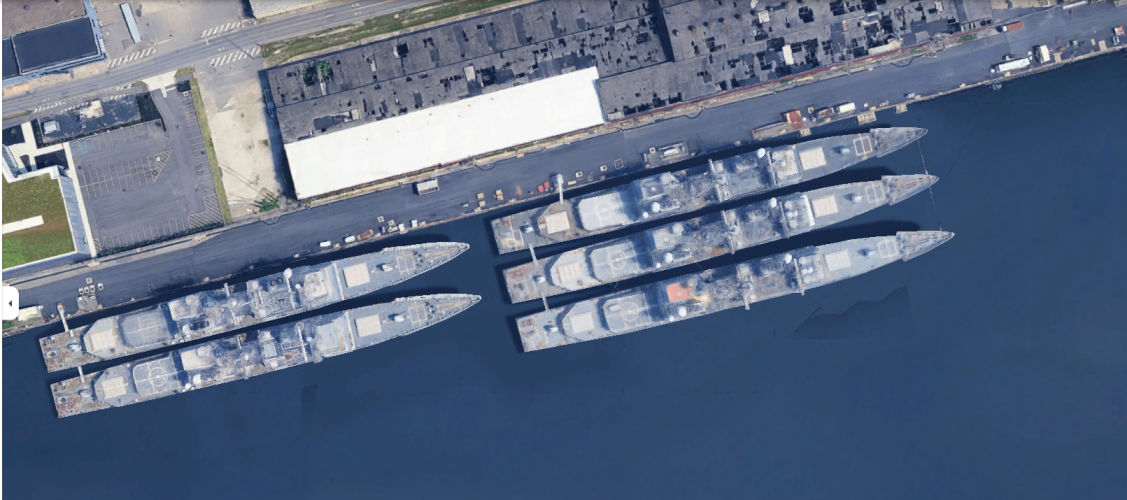
In fact the PHMs, having been stripped of all salvageable systems including electronics, turbines, diesel engines and the like, were sold as scrap to a commercial enterprise in Charleston, SC. One ship with foil systems intact was bought by B. J. Meinhof and Elliot James and transported to Missouri. Their ongoing efforts to restore it and to return it to use commercially are frequently discussed on the International Hydrofoil Society website. At this writing, the other hulls (less foil systems and in generally poor states of preservation) are still in place in Charleston and offered for sale. [...]