Bottleship
ACCESS: Top Secret
- Joined
- 30 June 2019
- Messages
- 579
- Reaction score
- 1,625
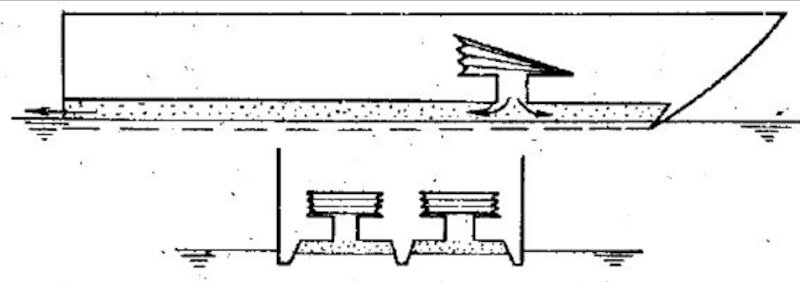
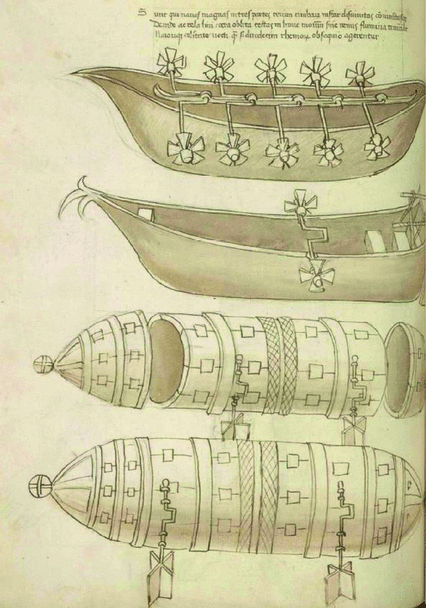
Ivanov "three-keel air-swimmer" ("трёхкильный аэроплав"), Russia, 1853

Last edited:

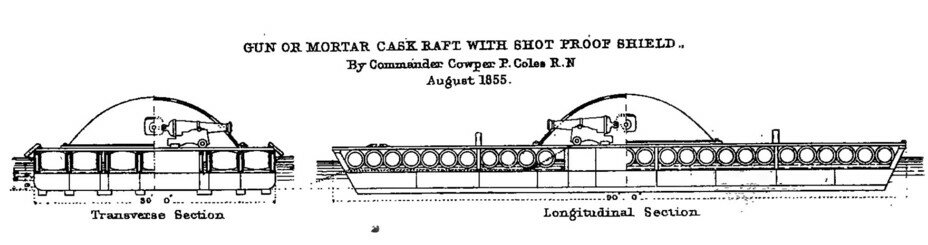
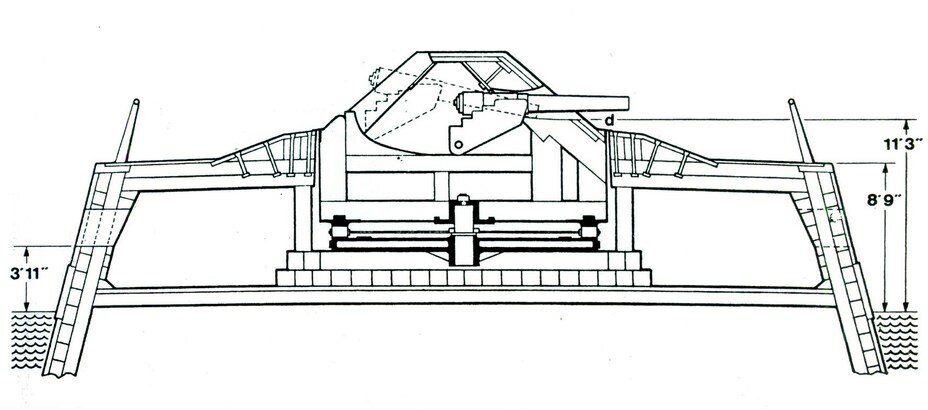
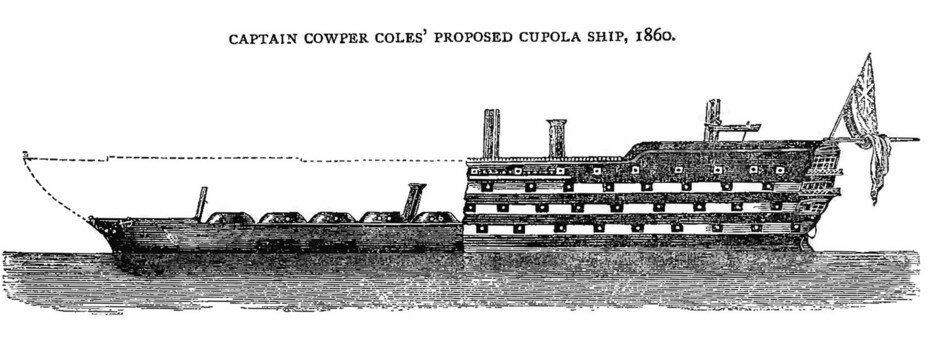

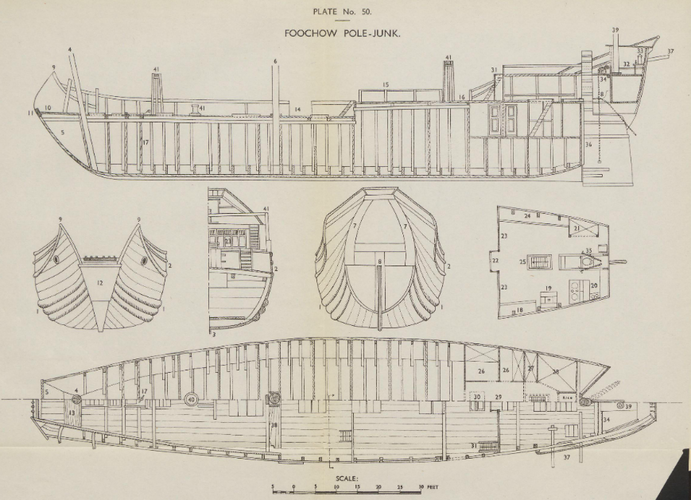


Sigh.FWIW, the infamous circular Russian river-monitors seem to have been inspired by that formidable English treatise...

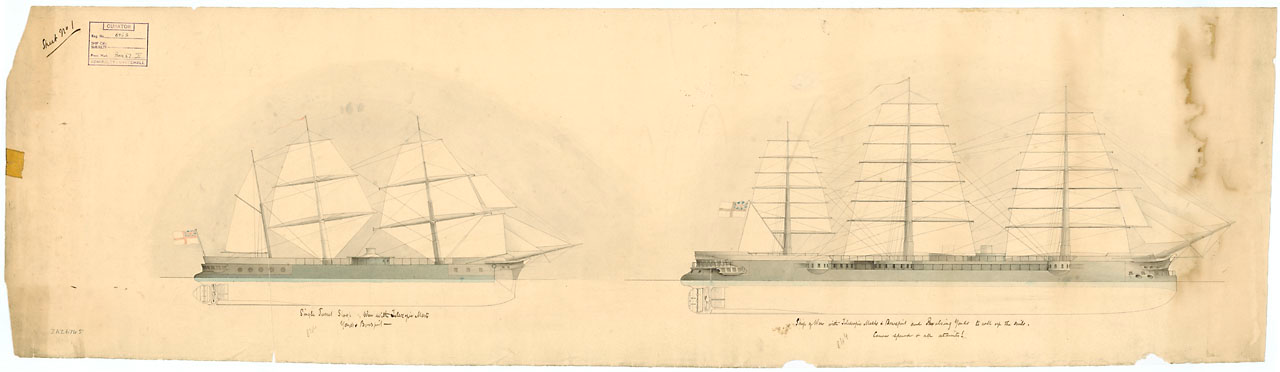
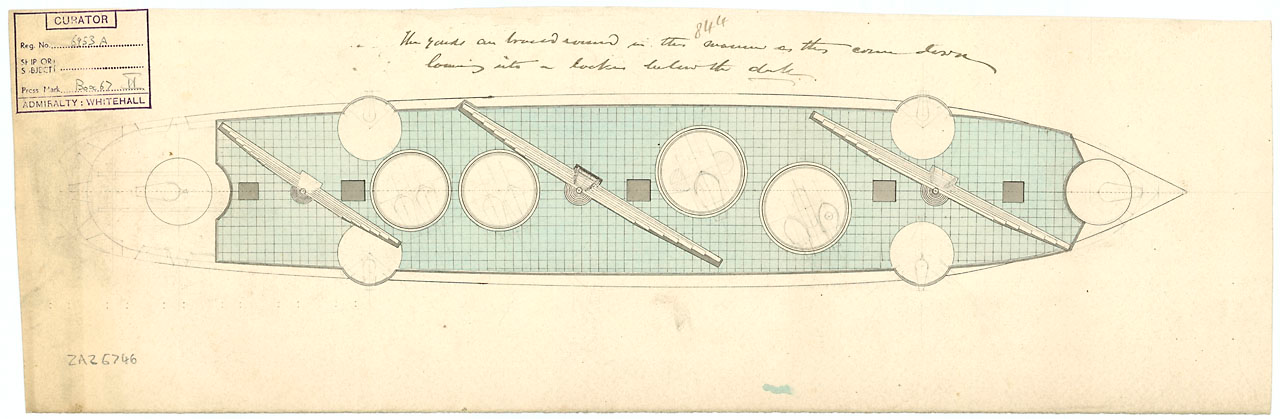
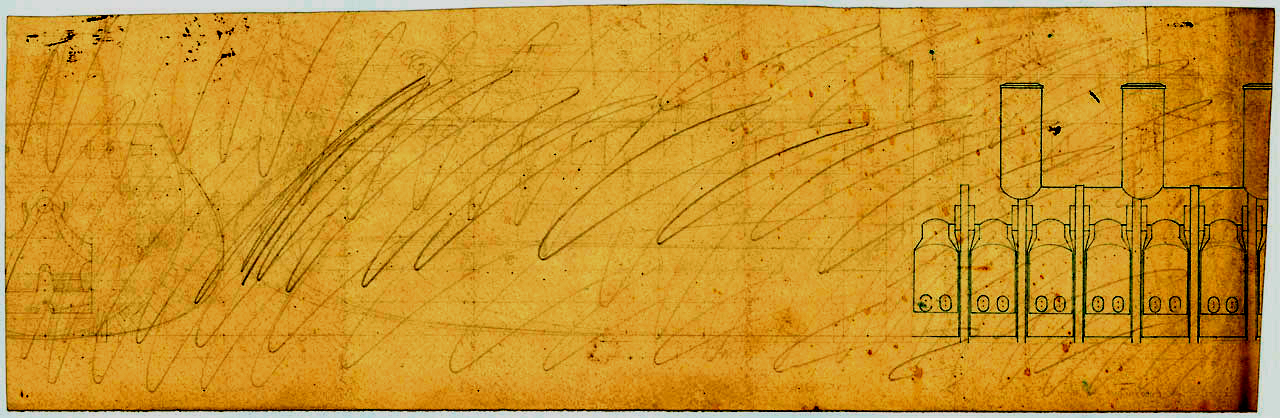
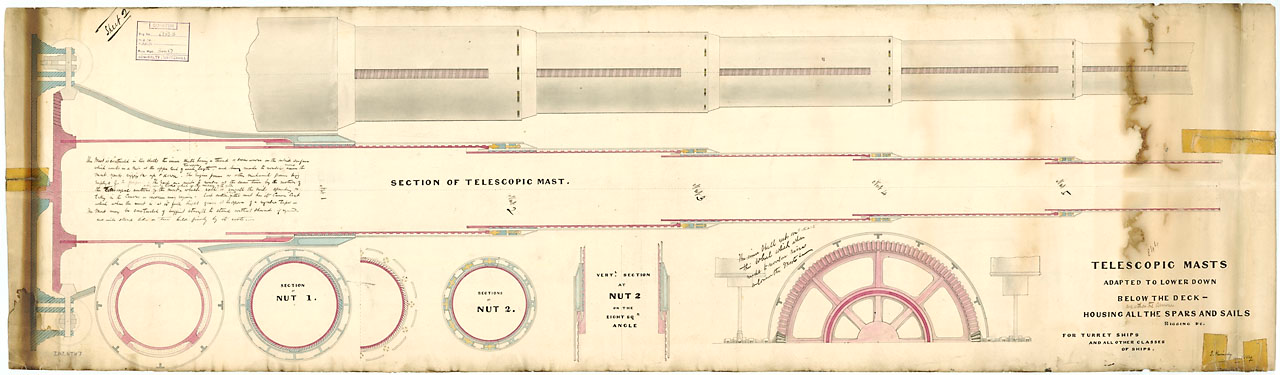
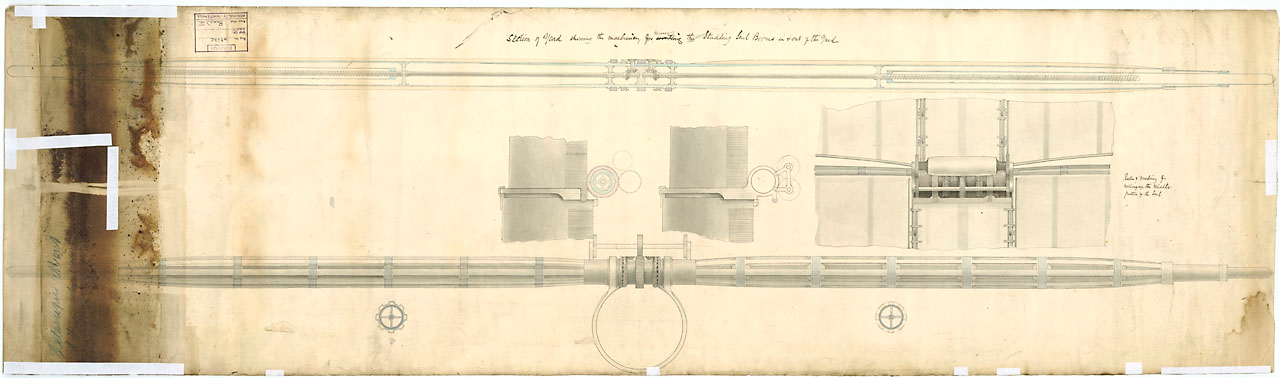
It's more likely the anti-ramming belt. The idea was pioneered by Ericsson on his monitors, but was of dubious value.What I find additionally interesting in those plans is the presence of a proto-anti-torpedo bulge.

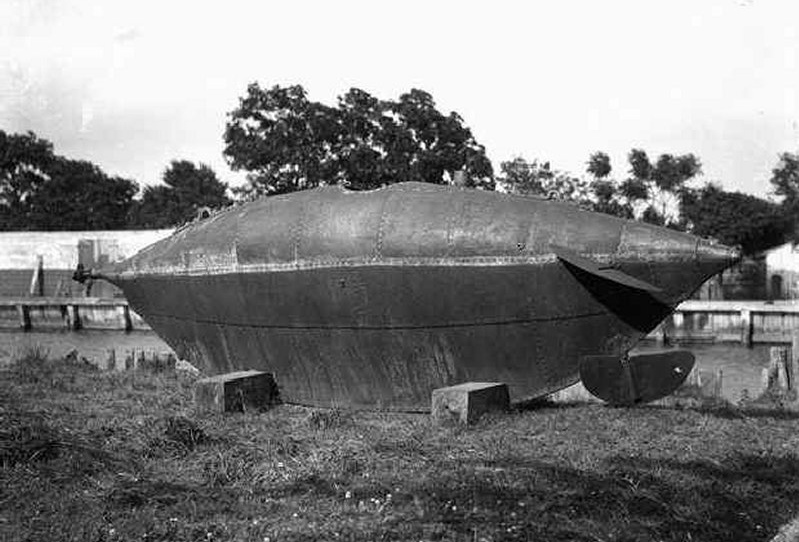
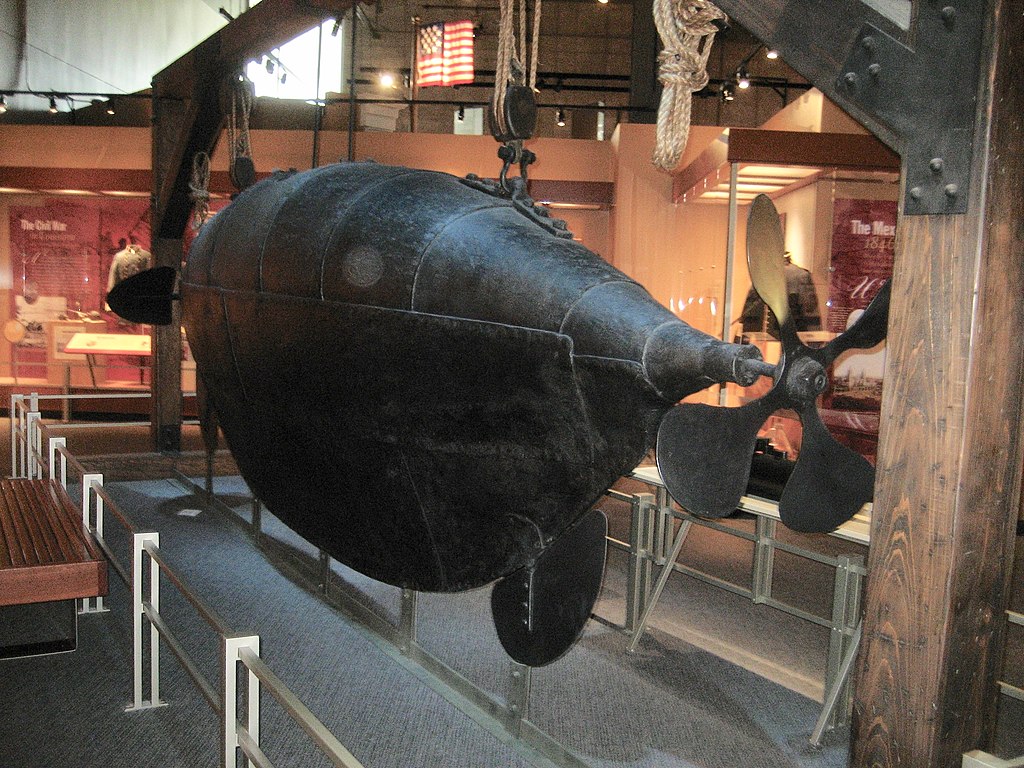
I've seen that vessel referred to as Pioneer in old reference books, but even those considered it likely to be something else as Pioneer was described as larger and was scuttled in another waterway. I read somewhere that it was hypothesized to be a prototype of the Pioneer or a parallel development by others.A lessor known Confederate submarine project of the ACW was the Bayou St. John submarine found in 1878 in the bayou it is named for.

On display about 1890.
Today it's on display at the Louisiana state museum
https://www.nola.com/entertainment_life/article_3f3c6e2b-e7d1-588c-bf35-237196179342.html
Nothing is known of the designer(s) or builder(s) and the sub was scuttled towards the end of the Civil War and likely any documentation was destroyed at the same time. But the sub itself does still exist so there's that...
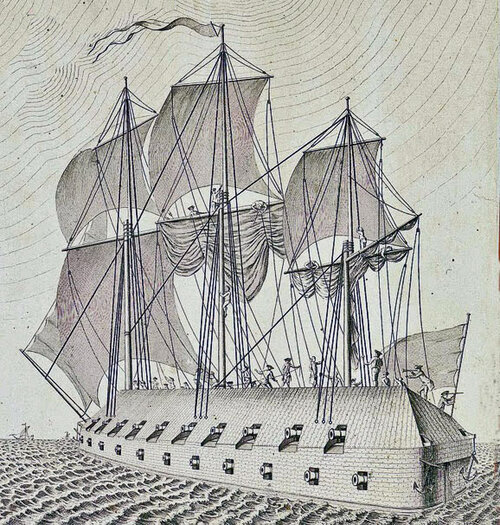
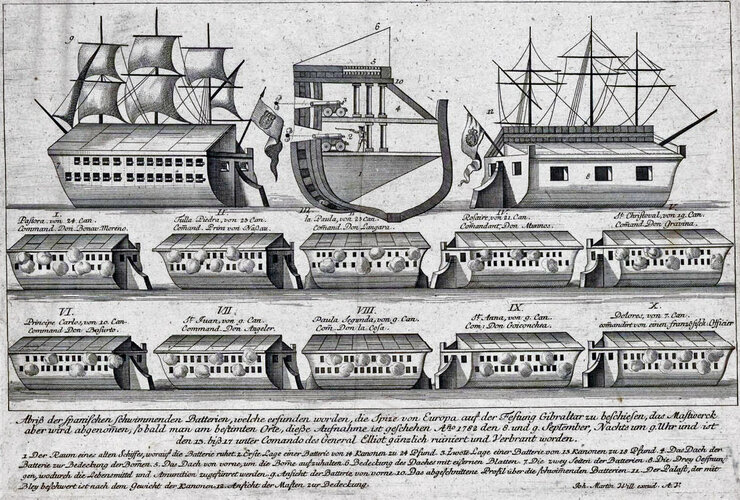
I thought ships were only housed over for the Arctichttps://www.britishbattles.com/war-of-the-revolution-1775-to-1783/siege-of-gibraltar/Proto-armour-vessels during siege of Gibraltar:View attachment 728745
Ivanov "three-keel air-swimmer" ("трёхкильный аэроплав"), Russia, 1853
View attachment 670294

The torpedo was named Al-Rammah and it was a point-and-fire weapon far cheaper and more efficient than a fire ship. When activated, the torpedo’s built-in pair of rockets would push it through the water, and tail stabilizers would direct it to the target. A spear on the front would impale itself in the hull of an enemy ship, and then the whole first-of-a-kind torpedo would explode.Hassan al-Ramah's medieval rocket powered surface torpedo design.'t
https://warhistory.org/article/hassan-al-rammahhttps://airandspace.si.edu/collecti...-hasan-al-rammah-ca-1280-ad/nasm_A19762056000
The torpedo was named Al-Rammah and it was a point-and-fire weapon far cheaper and more efficient than a fire ship. When activated, the torpedo’s built-in pair of rockets would push it through the water, and tail stabilizers would direct it to the target. A spear on the front would impale itself in the hull of an enemy ship, and then the whole first-of-a-kind torpedo would explode.
Would the tail stabilizers allow for a straight line with thrust from the pair of rockets?? Isn't it more likely to just spin around and then blow up.....although that could be useful in creating confusion.
Do you happen to have any images or sorses for popov ships?Swedish ships-of-the-line "Vasa" and "Kronan" projected with 70+ and 126 guns, but, builted with 64 and 105 guns.
In early 1720th in Russia worked at new ships-of-the-line, with 90, 100 and 110 guns. In Peter I period builted 90-gun ships, and started building of 100-gun ship (later, named a "Peter I and II"). Works at 110-gun ship stopped with death of Peter I.
In Crimean war period, in Russia started worked at new big steam-powered ships. One of early projects - 90-gun ship-of-the-line, with 3-pood (273 mm) bomb guns. But, engineers told the emperor - "It's a very huge ship", and, project reduced to 74 3-pood guns. Later, based on this project created "General-admiral" frigate, with 60 60-pound (196 mm), 6 36-pound and two 3-pood bomb guns.
Engineer A. A. Popov in 1877 projected big armour-vessels for Black Sea fleet, with four 16 inch guns, 24 inch belt and speed 12 knots, and for Baltic fleet, with six 16 inch or four 20 inch guns and 36 inch belt.
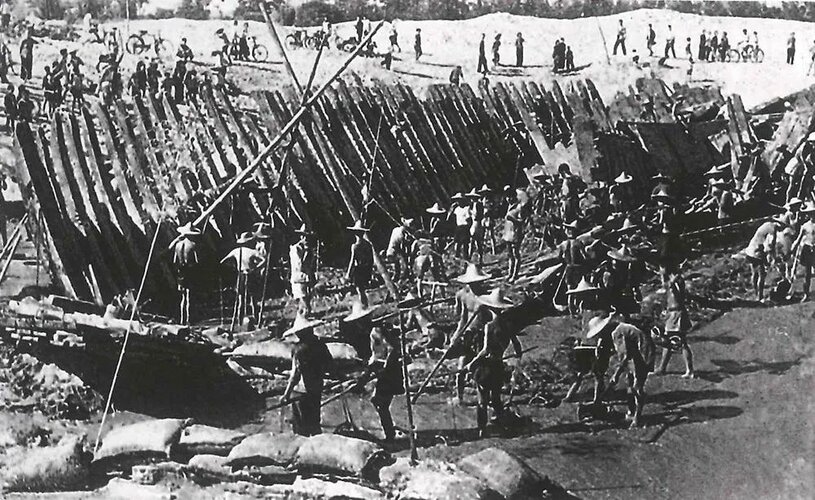
The US used something very similar for moving wood down the Missouri-Mississippi river basin to New Orleans etc. You can find houses built of "barge wood" still today. Not many, most have been hurricane-blasted off their foundations, but there's still a small number out there.Its a lumber barge, the "belyana", made to move lumber (in its own structure) and other cargo ahd passengers of convenience downriver. It was build near lumberjacks camp, and then moved down the river, where it was dismantled for lumber - essentially one-use ship. Those particular belyana survived because it caught fire and sunk, and was only recently found.
Probably not, a barge has terrible sea-keeping.I doubt that Chinese treasure ships have anything in common with belyanas.


