
Grey Havoc
ACCESS: USAP
- Joined
- 9 October 2009
- Messages
- 24,500
- Reaction score
- 18,175


The 16-meter platform has just completed an unprecedented 1,100-nautical-mile (2,000 km) transit from La Ciotat – France, to Troia – Portugal, to join NATO’s REPMUS 2025 exercise.
Sailing past the Balearic Islands and through the Strait of Gibraltar, one of the world’s busiest maritime passages, the DriX O-16 completed the voyage in six days without port calls.
Operated in supervised autonomy from Exail’s Remote Operation Center (ROC) in La Ciotat, the mission demonstrated endurance, situational awareness, and reliable decision-making in dense traffic.
During the transit, the DriX O-16 also conducted seabed mapping operations with a Kongsberg EM304 multibeam echosounder, further demonstrating its capacity to deliver valuable data while underway.

Robotic sailboats developed by a start-up company based in Plymouth have been used to gather data in the Caribbean's "hurricane alley".
Oshen has deployed what it called a "constellation" of five C‑Star autonomous sailboats to the stretch of the Atlantic Ocean - where tropical storms often form.
The small, robotic sailboats - each just 1.2m (3.9ft) long - were selected by the US National Oceanic and Atmospheric Administration (NOAA) and the University of Southern Mississippi for the 2025 hurricane monitoring programme.
Lockheed Martin to invest $50M into Saildrone, plans to equip USVs with missile launchers
https://breakingdefense.com/2025/10...e-plans-to-equip-usvs-with-missile-launchers/
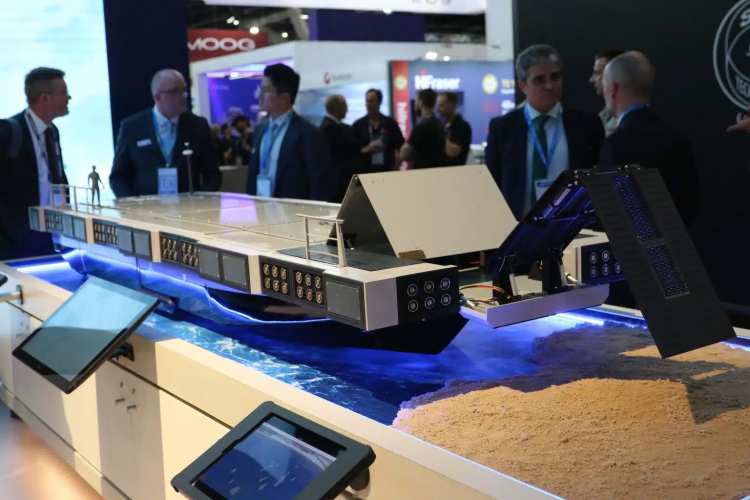
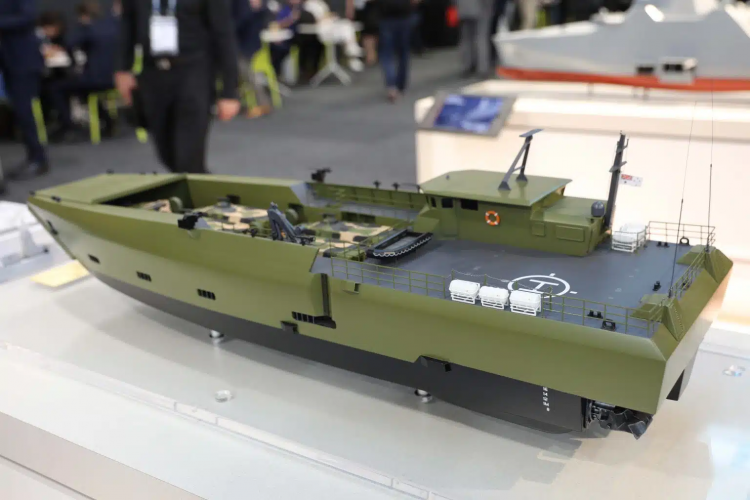
Probably a job more for UUVs than USVs. I believe Orca explicitly has mine laying as its first mission set, with that presumably being offensive mine fields.I wonder will any drones be produced that deliver naval mines to the mouth of naval bases?
That's what Mk67 SLMM was for. And the replacement unit,I wonder will any drones be produced that deliver naval mines to the mouth of naval bases?
That's what Mk67 SLMM was for
Sounds similar in nature with the difference being that CAPTORs can be delivered by submarine, ship or aircraft, whereas SLMMs are sub-only. SLMM also sound like a torpedo that lays mines, whereas CAPTOR contains a Mk46 torpedo that is deployed and waits around for a target, like a mine, but then activates torpedo mode. As a result the target doesn't have to come as close to get a dose.Is that something similar to the Mk-60 CAPTOR?
I believe the new SLMM replacement has the acronym MEDUSA. There is also the Cladestinely Deployed Mine, which appears to more or less be a modern Stonefish and should have entered service several years ago, and a new CAPTOR called Hammerhead that is probably in testing.That's what Mk67 SLMM was for. And the replacement unit, CML(?). Basically an electric torpedo to get there, then it sinks to the bottom and waits.
Offensively, that's the job of something submerged, not scooting around on the surface.
Edit: Defensively, you could use something on the surface, but I would not want to send a manned boat/ship out to maintain such a minefield once laid.
No, it’s a mk37 modified to swim out along a pre routed course and then sink as a bottom mine. MEDUSA would use an electric motor section to drop two CDMs. There was briefly a mk48 project to deploy two mines each as well that was cancelled in the late 90s/early 2000s IIRC.Is that something similar to the Mk-60 CAPTOR?


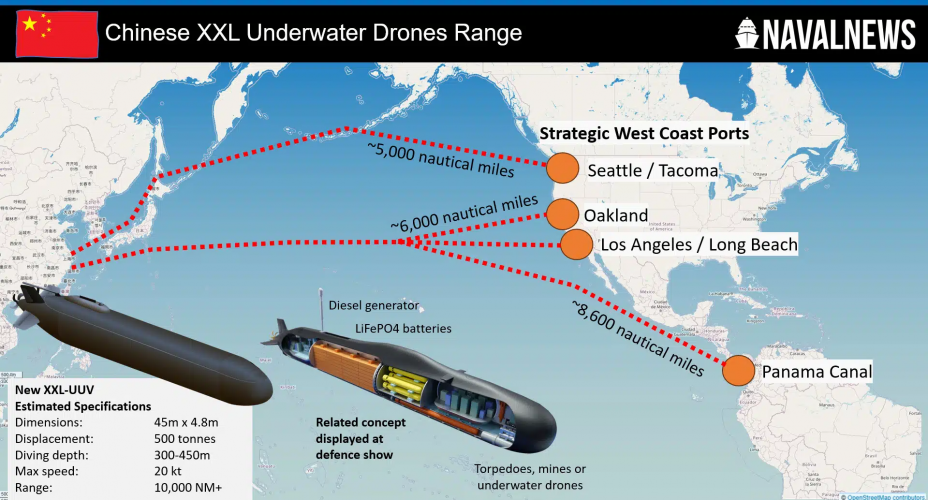
NATO navies are acquiring maritime uncrewed systems as host platforms for much of this increased sensing capacity. Thales has designed Sonar 76Nano largely for such uncrewed systems. “Thanks to its modular and flexible design, this sonar system can be deployed onboard a wider range of uncrewed underwater vehicles (UUVs) and seabed monitoring systems rather than being limited to large, high-value platforms,” Thales said, in a statement on 15 December.
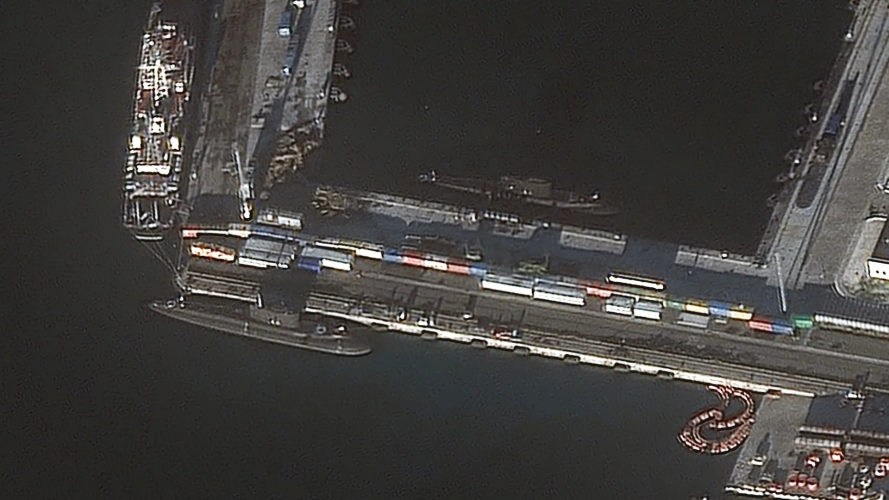
Not mentioned in the comments.First naval drone strike on a submarine. Although how they attained the footage is even more interesting.
So, hacked the Russian cameras or snuck a drone in there?


