Forest Green
ACCESS: USAP
- Joined
- 11 June 2019
- Messages
- 12,866
- Reaction score
- 27,746
View: https://x.com/NOELreports/status/1912766967439675854The moment a Russian Shahed drone was shot down over Mykolaiv this morning.
Last edited:

View: https://x.com/NOELreports/status/1912766967439675854The moment a Russian Shahed drone was shot down over Mykolaiv this morning.

 www.defensenews.com


 www.cbsnews.com
 www.twz.com

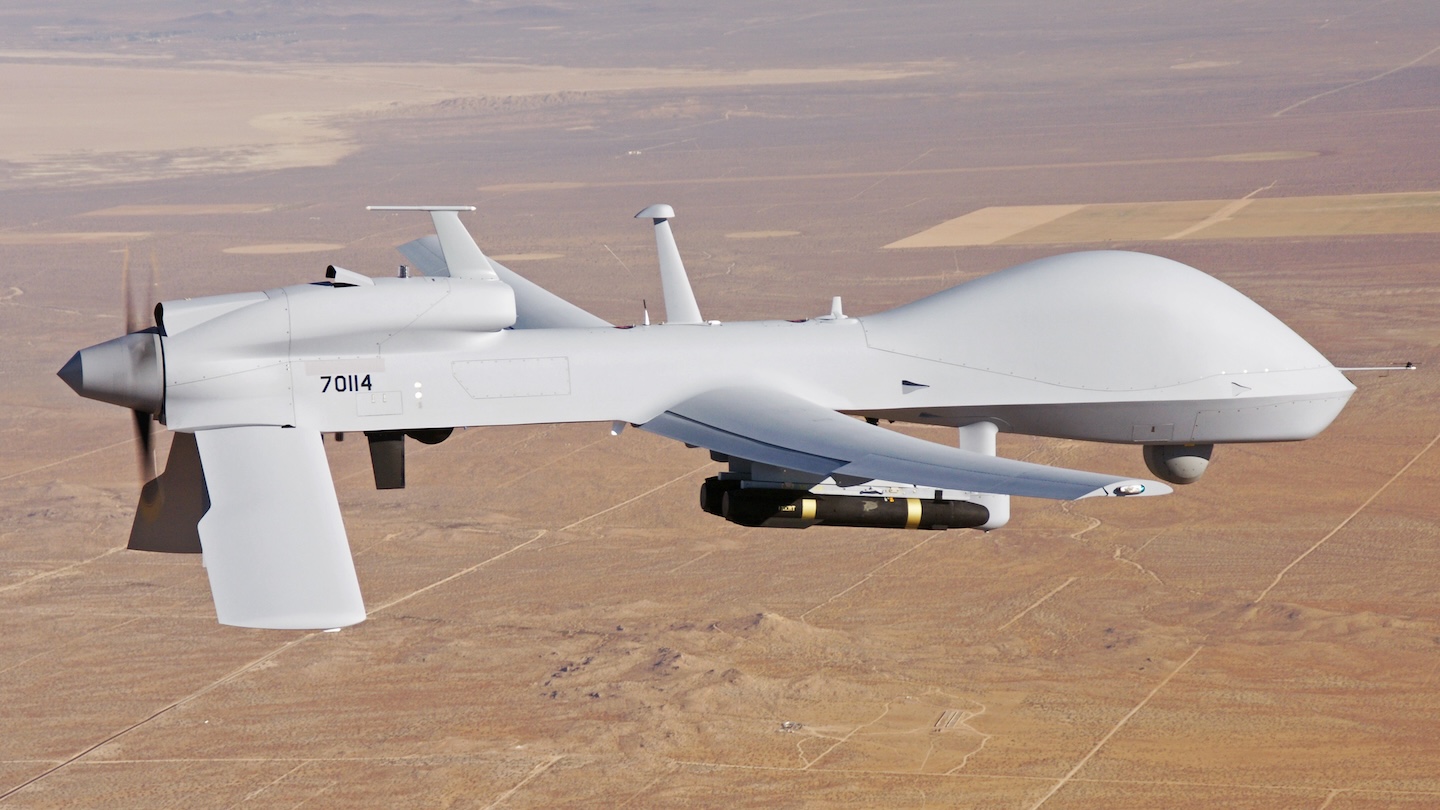
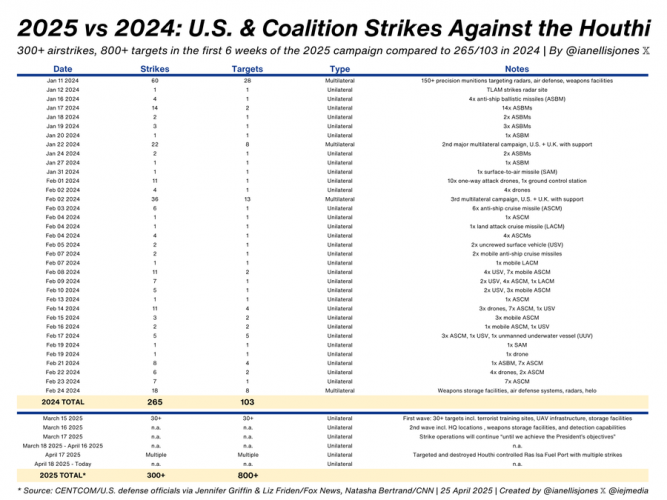
This is the 5th MQ-9 shot down by the yemenis in only 3 weeks(!!).
At this rate it looks like they might be aiming to beat the record of 19 TB-2 Bayraktars lost in 6 months by the turks in libya back in 2020
You make a valid point.Oh, look, someone shot down a completely undefended target again.

Because they're unmanned and cheap.You make a valid point.
Which should then pose the logical question:
Why-oh-why is the us still continuing to send these drones,which are as you yourself pointed out now effectively little more than "undefended targets", again and again into yemeni airspace?


 www.navalnews.com

I thought the gun was for the paparazzi.I have no doubt that any drones they'd be swatting would be operated by Paparazzi.
pK against targets of this kind tends to be closer to 1:1...There is also an interesting aspect we will likely never have any access to. How much ordnance have the Rebels shot at the UAV? 1 to 1 is bad. 10 to 1 is not so bad.
Without a pilot there is no blood. Without blood it is not news.
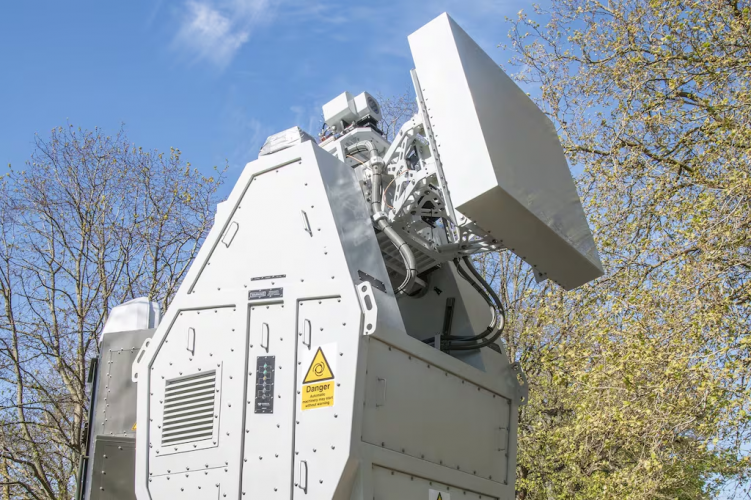
View: https://x.com/AirPowerNEW1/status/1915902829492924771US Army's IFPC-HPM High Power Microwave System #HPM system deployed to. Looks like the Army added an EO sensor to the Leonidas.
6 still costs way less than a single figher even excluding the pilot.
Also weigh it against how many airstrikes can be called in on targets with the intel gathered by each flight.
Speaking of which:There is also an interesting aspect we will likely never have any access to. How much ordnance have the Rebels shot at the UAV? 1 to 1 is bad. 10 to 1 is not so bad.
Without a pilot there is no blood. Without blood it is not news.
 www.defensenews.com

 www.defensenews.com
 www.defensenews.com
 www.twz.com
 www.airandspaceforces.com

 thedefensepost.com
The U.S. Army has made a major move to address the rising threat of drones by deploying its advanced Leonidas high-power microwave system to the Philippines.
Announced by defense officials in early April 2025, this deployment represents a key milestone in the U.S.-Philippines defense partnership and highlights the growing role of directed-energy weapons in countering unmanned aerial threats.
Positioned as part of joint Indo-Pacific exercises, the Leonidas system is intended to bolster regional security amid escalating tensions in the South China Sea, where drones are increasingly used for surveillance and provocation.
Beyond showcasing cutting-edge technology, the deployment signals a broader strategic initiative to reinforce deterrence in a region vital to global commerce and stability. Viewers may note that roughly one-third of global maritime trade—valued at over $3 trillion annually—passes through the South China Sea, making it a critical chokepoint for international shipping and energy transport.
In this video, Defense Updates analyzes how the U.S. made Leonidas high-power microwave anti-drone system could help the Philippines?
#defenseupdates #philippinesvschina #usvschina

 www.defensenews.com

 www.armyrecognition.com
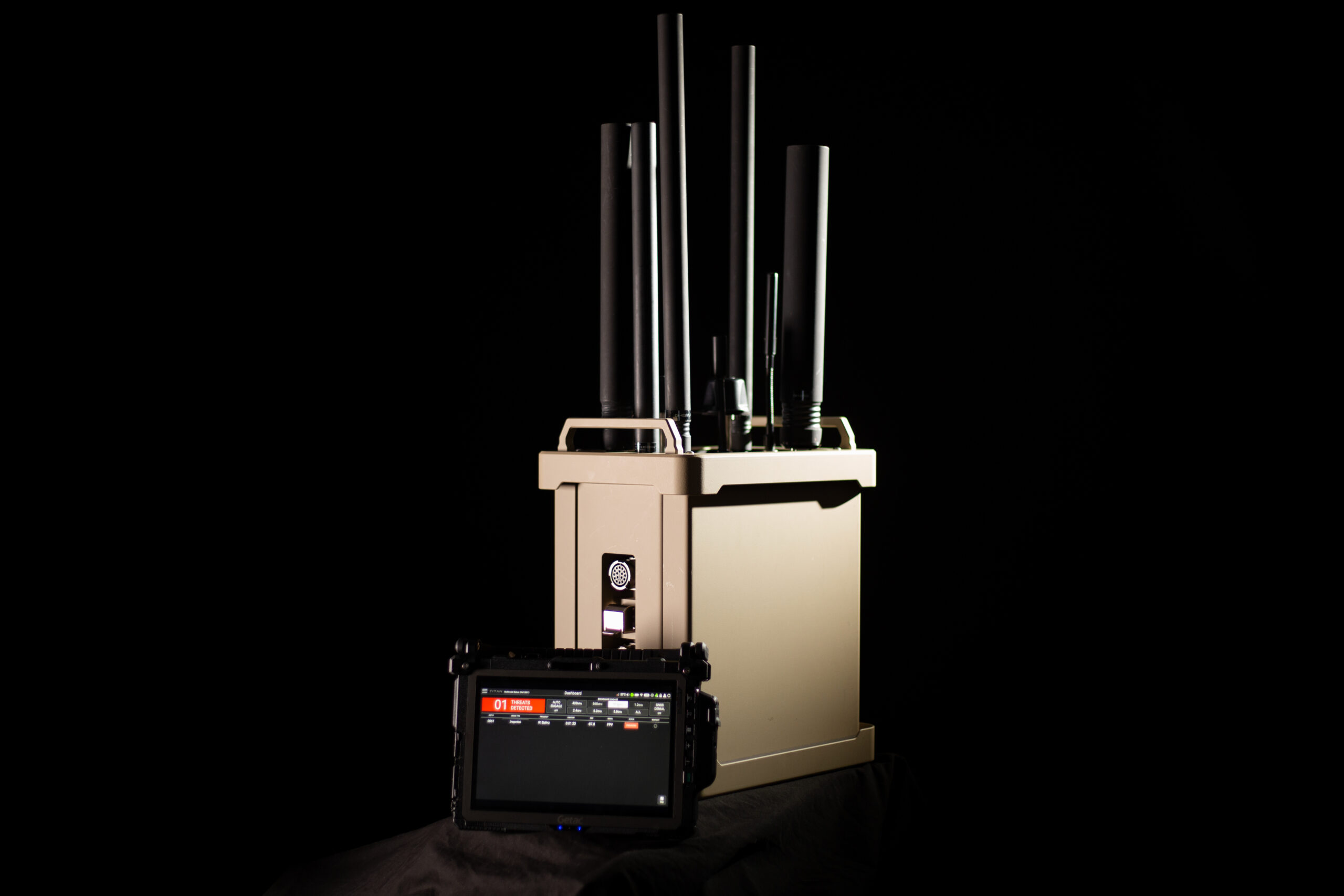
 bluehalo.com
Introducing Titan 4: the next generation of C-UAS superiority.17% lighter ⇢ 73% smaller ⇢ 250% More Powerful
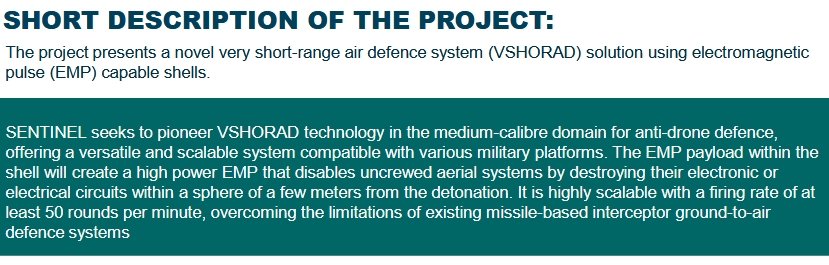
SHORT DESCRIPTION OF THE PROJECT:
SENTINEL
The project presents a novel very short-range air defence system (VSHORAD) solution using electromagnetic
pulse (EMP) capable shells


 www.navalnews.com
 www.navalnews.com