NIIP Bars and Irbis series of radar for Su-30/Su-35

Great work Stealth


Also I’m suprised we never posted this

View: https://m.youtube.com/watch?v=cieLN4_tn0A&pp=ygULaXJiaXMgcmFkYXI%3D

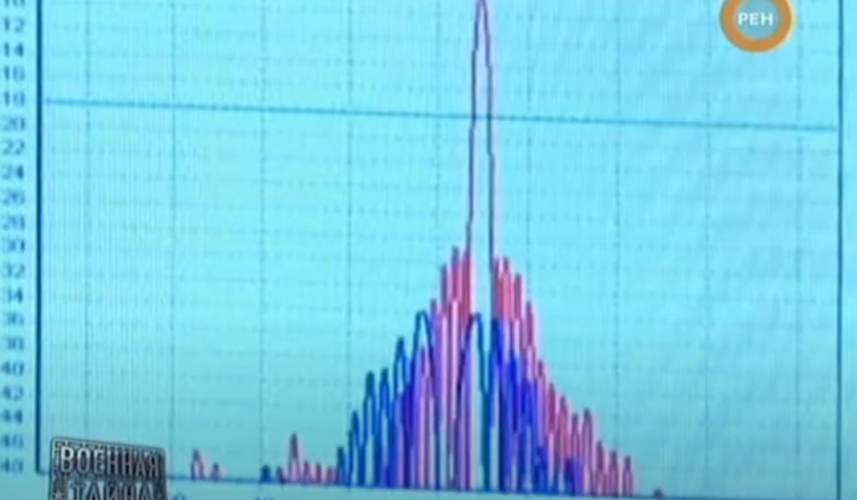
As mentioned earlier,that video was made in 2006 during flight test of the test model of N035 Irbis inside of the prototype Su-30MK2 number 503 blue.

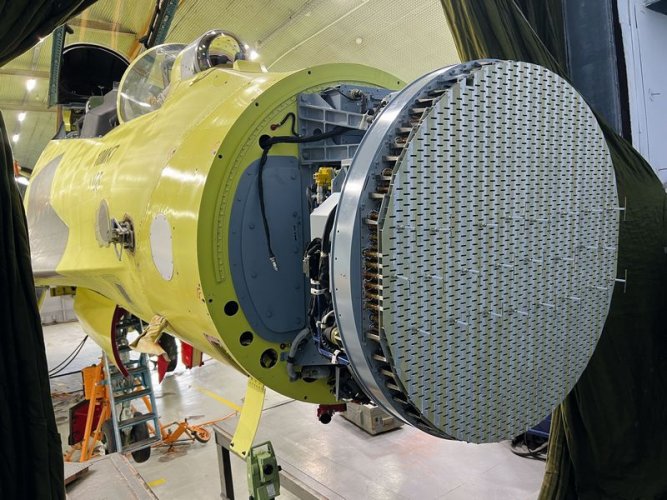
Doing radiating element counts for Irbis. Although it's PESA, it is still a Phased array radar where the number of radiators matter.

View attachment 704121

From the counts, one can try glean into some parameters e.g antenna gain from simple equations and some basic assumptions.

For gain it can be found from :
G=N*PI()*Efficiency

Where N is the element counts, Pi is pi (3.14 something) and Efficiency, the efficiency factor here for phased array are determined via its radiation pattern, which would mean knowing the weighting function for the antenna allows first cuts for estimating efficiency. The typical and relatively popular weighting function is Taylor -40 dB which give beamwidth broadening factor (k) of 1.25 and aperture efficiency of 0.76.

Using the factor into the Irbis element counts yield 36.4 dB. About 0.4 dB more than Bars despite smaller diameter (0.9 vs 1 m) of Irbis.

Knowing the element counts may also frequencies to be estimated too. This however also requires that the physical antenna aperture (or at least the part of the aperture that occupied by the radiators) to be known. Irbis however have publicly available information of 0.9 m diameter, thus physical area of 0.63 sqm. This can then be divided by the Element counts to find the element area. This element area can then be directly used to estimate operational wavelength through the Squared wavelength/4 relationship.

From above, the element area is found to be about 0.0003 sqm. Operational wavelength would then be 0.0369 m or 8120 MHz.

Antenna beamwidth can also be approximated by simple relationship 100/Sqrt(N) Which for the element counts, yield 2.3 Degrees.

One confusion i have is the element spacing. Most relationship i cited above assumes half wavelength spacing for the antenna. There is however means of optimization like element placement (square grid vs triangular lattice) which allow for thinning of the array vs scan angle requirement tradeoff. This element spacing confusion in turn will affect the estimated value of frequency.

The other relationship i read for triangular lattice, which seems to be the arrangement Irbis used puts the element area equation to be 0.332*Squared wavelength. Thus using this relationship give me frequency estimate of 9356 MHz (0.032 m wavelength)

The antenna frequency bandwidth, beamwidth estimates and gain is unaffected. At least before i start digging more relationship.

Range estimates using K.Barton's equation for Modern Radar, using available public informations along with values established above yield range estimates of some 408-385 km for 3 sqm SW-1 target with PD 0.5% and 257-243 Km for 90% PD. Assume the Dwell time per beam to be 0.03 seconds similar as Zaslon and that 10x10 degrees search area. It will completes the scan in 0.55 seconds.

If Wide angle search is assumed (e.g 120 deg and 7 Bars) Same detection range can be achieved with same dwell time but the whole scan time would be 9.28 Seconds. Is that acceptable ? What if faster scan is desired. e.g 5 seconds. Halving the dwell time (now 0.015 seconds/beam) drops the detection range to 320 km for 50% PD and 204 km for 90%.

So i feel that the informations publicly available is actually true. at least for noise limited condition like above. Clutter however will present challenge which depends on what kind of "Improvement factor" the signal processing can allow and how much sidelobe reduction Irbis antenna could have. This however is harder to find in public source. There are descriptions from Chinese forum about Irbis's "supposedly inferior range" But given there are no hard value nor condition of the flight was given or target informations (e.g speed, altitude). It will be difficult to make any estimates.

I "developed" some simplified method for calculating range vs Surface clutter condition but it's rather crude and only counts mainlobe clutter contribution. No means to calculate improvement factor available yet.

Interesting data....

For me it is very interesting that N035 Irbis with antenna diameter of 0.9m has more RE's then N007 Zaslon with antenna diameter of 1.1m has ( 1846 vs 1700). So wavelenght is about 3cm, beam width or ДНА -Диаграмма направленности антенны is 2.3°, working frequency is 9.356GHz ,for which working mode ,can we know that ? Can you explain what is this about: '' цифровое гетеродинирование сигнала'' (digital signal heterodyning) ?

More questions if you don't mind. As we can see ,N035 Irbis can simultaneously work in both A2A and A2G combat modes and if I understand well,if some aircraft has to be locked-on ,A2G mode must be stoped because second TWT will be used for the lock-on while the main one will continue to scan. Is this right? Can the N035 Irbis lock-on multiple aircraft at the same time literally or does it do gradually? What about PRF e.g. in the MPRF and HPRF mode ?
About those electrical supplying nets,if I understand well ,max output pulse power depends on the working electrical net?There is AC of 115V/200V and DC of 27V. Am I right ?

What is your opinion about this possibility from the technical and tactical point of view ? What about that 'beaming tactics' which we could already see on some videos where pilots of Su-35S turn for 90 degrees after they launched R-77-1 upon their air targets. Tnx.

View: https://www.youtube.com/watch?v=MseFZThRirc
 
Last edited:

I posted this in the topic on the RBE2 a while ago because it talks about the RADANT phase shifters used. But could the “Russian Approaches” be what Bars and Irbis use?

No. The paper actually refers to D.K Barton's paper as he visited the Moscow Airshow and got the exposure of Russian S-300P and V radar designs. Still the paper actually bit of outdated since K.Barton released more thorough paper.


The paper addressed the typical Western designer concern on "Russian solution" which is the Space Fed array. So it's more relevant on Ground based system.


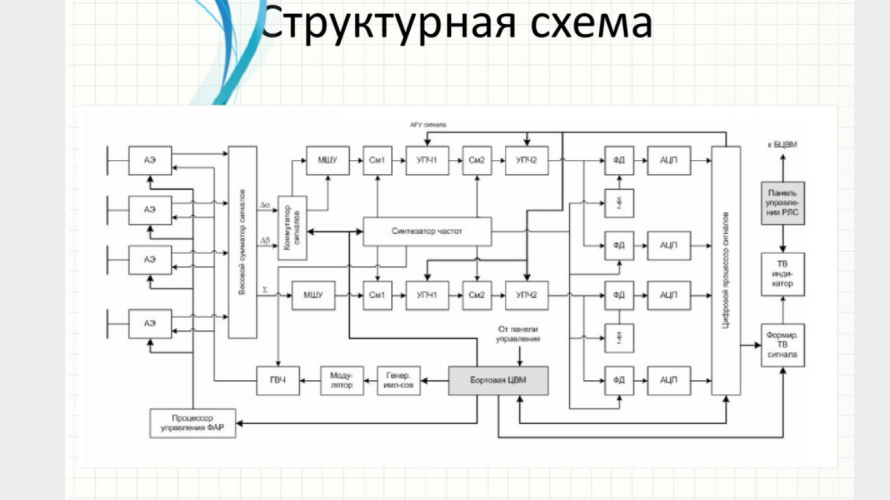
For Airborne radar tho, Russian solutions are actually similar to US which a corporate feed and dual-mode phase shifter. As i described bit above however Russian solution for Irbis and Bars is closer to SPY-1 namely having "2 stage" receivers to counteract the effect of lossy phase shifter. It seems to be not discussed much but one major difference between AESA and PESA is, AESA Phase shifter is -Behind- the High power amplifier stage, while PESA, the phase shifter is -ahead- of the Power amplifier and LNA (Low Noise Receiver). Thus why one complain the "lossy and noisy" PESA.

Irbis, Bars and AN/SPY-1 counteract those losses with that abovementioned scheme.

Currently there is no Russian airborne fighter radar using the reflectarray scheme in operation. Back then however there were N001 Pero but as the record said.. none are operational.
 
I have a question for @overscan (PaulMM)
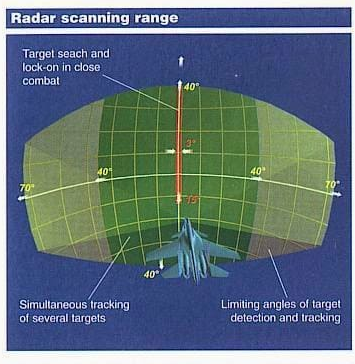
The N011M fitted to the Su-30MKI was the first type, but in testing the passive phased array proved unable to be electronically steered greater than 40° without unacceptable degredation of performance. Therefore scanning limits are
reduced to ±70° (±30° mechanically, ±40° electronically) in azimuth and ±40° in elevation.
image.png
Is bars limited to 40 degrees electronically scanning? Is do to large sidelobe or limits in the early processors?
 

Attachments

  • 92060549-N011-M-Radar.pdf
    13.3 KB · Views: 46
@F-2

''The N011M fitted to the Su-30MKI was the first type, but in testing the passive phased array proved unable to be electronically steered greater than 40° without unacceptable degredation of performance. Therefore scanning limits are reduced to ±70° (±30° mechanically, ±40° electronically) in azimuth and ±40° in elevation.''

I don't understand this bolded but N011M Bars-M can electronically scan azimuthal FoV of 140° or +/-70°.Of course, it is possible with electro-hydraulic gimbal for the antenna deflection left or right.

View: https://www.youtube.com/watch?v=xcdYVZrwHik


Basic FoV in azimuth is 80° ( or +/-40°) ,in this case we can see it is -44°/+36° .

N011M Bars-M HPRF mode .png
 

Some more figures

RADAR CONTROL SYSTEM - RLSU-30MK


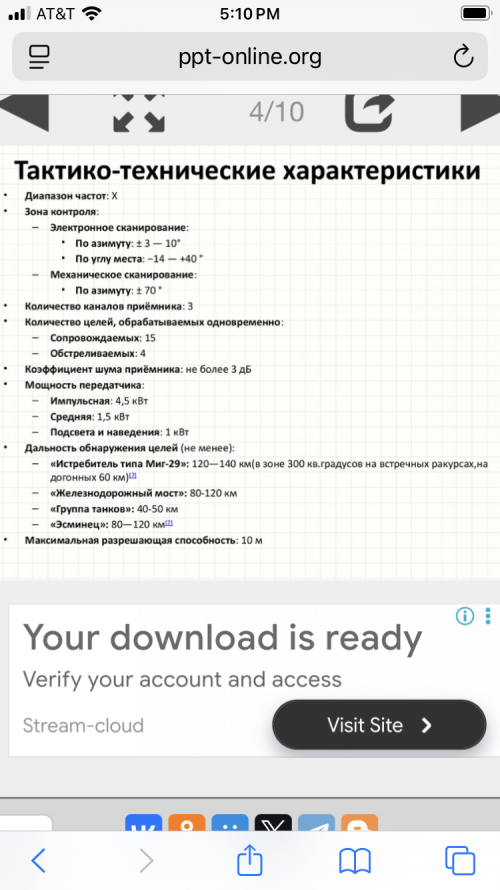
Performs combat operation against air, ground and water surface radar sensitive targets during day/night/any weather condition and in presence of natural or organised electronic counter measure for combat with up to 16 fighter in an area of 50km x 50km


Used on Su 30 MkI Multirole Combat Aircraft


TECHNICAL CHARACTERSTICS


Range


Air to air:135 km


Air to surface : 250 km
Air to ground: 80 to 120 km


Peak Power: 4kW


Scanning mode


Illumination mode : 1.2 kW


Sensitivity: -133db/mW
Frequency: X BAND 8-12 GHz
Minimum Tracking, Range 200 mm


Seam width with vertical polarization: 2.40


: 660 kg
 
TECHNICAL CHARACTERSTICS


Range


Air to air:135 km


Air to surface : 250 km
Air to ground: 80 to 120 km


Peak Power: 4kW

As it was mentioned earlier, N011M Bars-M (R) has max detection distance in the HPRF mode of 400km.Even old N019 Rubin has max detection distance in the HPRF of 150km and has max output pulse power in that working mode of 8kW.

N011M has one TWT but can change working modes in only 400μs .
 
Speaking of Bars, my understanding is that the Bars antenna is gimballed as well, just like Irbis, but with much less azimuth/elevation movement. So what are the antenna movement angles, and what are the overall FOV angles for Bars compared to Irbis?
 
Speaking of Bars, my understanding is that the Bars antenna is gimballed as well, just like Irbis, but with much less azimuth/elevation movement. So what are the antenna movement angles, and what are the overall FOV angles for Bars compared to Irbis?

Antenna of the N011M Bars-M can only move in azimuth . Total FoV is ....

Citation from earlier.....

''The N011M fitted to the Su-30MKI was the first type, but in testing the passive phased array proved unable to be electronically steered greater than 40° without unacceptable degredation of performance. Therefore scanning limits are reduced to ±70° (±30° mechanically, ±40° electronically) in azimuth and ±40° in elevation.''
 
Anyone have information about n011 on 90s su-35?
Andrei foimans flanker book gives specifications about the radar that I suspect are about the n011m and not the n011… the figures in it seem to be a bit optimistic. Figures from that book:
  • Antenna: Slotted array, 960 mm diameter
  • Azimuth/elevation: ±90°
  • Detection range (fighter-sized target): 160–200 km
  • Tracking capability: Up to 24 targets
  • Attack capability: Up to 8 targets
  • Mass: 650 kg
 

Attachments

  • 1763402655456.png
    1763402655456.png
    2 MB · Views: 217
Last edited:
Anyone have information about n011 on 90s su-35?
Andrei foimans flanker book gives specifications about the radar that I suspect are about the n011m and not the n011… the figures in it seem to be a bit optimistic. Figures from that book:
  • Antenna: Slotted array, 960 mm diameter
  • Azimuth/elevation: ±90°
  • Detection range (fighter-sized target): 160–200 km
  • Tracking capability: Up to 24 targets
  • Attack capability: Up to 8 targets
  • Mass: 650 kg
One think I find interesting about the mech n011 is the average and peak power was rated as twice n011m. I’ve always been curious why that wasn’t retained.
 
One think I find interesting about the mech n011 is the average and peak power was rated as twice n011m. I’ve always been curious why that wasn’t retained
Where did you get this from? Andrei foimans book doesn’t speak of peak power or anything of the sort which is annoying.
The way this book talks about n011 you would think it’s better than n011m.
 

Attachments

  • 1763402847827.png
    1763402847827.png
    814.3 KB · Views: 230
Last edited:
Where did you get this from? Andrei foimans book doesn’t speak of peak power or anything of the sort which is annoying.
The way this book talks about n011 you would think it’s better than n011m.
View attachment 791896
At the same time, NIIP developed the N011 Bars radar for the Su-27M (Su-35) fighter. The radar had similar capabilities, but the N010 was more powerful and had a larger antenna diameter of 960 mm. The radar had a range of 140 km from the front hemisphere and 65 km on chase. Peak power output was 8 kW, while the average was 2 kW.

 
''The N011M fitted to the Su-30MKI was the first type, but in testing the passive phased array proved unable to be electronically steered greater than 40° without unacceptable degredation of performance. Therefore scanning limits are reduced to ±70° (±30° mechanically, ±40° electronically) in azimuth and ±40° in elevation.''
what I don't understand is how azimuth wasn't increased from 70 degrees to 75 degrees after bars-m became able to do 45 degrees electronically
 
Anyone have information about n011 on 90s su-35?
Andrei foimans flanker book gives specifications about the radar that I suspect are about the n011m and not the n011… the figures in it seem to be a bit optimistic. Figures from that book:
  • Antenna: Slotted array, 960 mm diameter
  • Azimuth/elevation: ±90°
  • Detection range (fighter-sized target): 160–200 km
  • Tracking capability: Up to 24 targets
  • Attack capability: Up to 8 targets
  • Mass: 650 kg
  • View attachment 791895

Must find in my archive some interesting data and info about N011 'Bars' integrated into Su-27M ( Su-35) prototypes from 1988. That was radar with so called ''щелевая антенна'' or ''Волноводно-щелевая антенная решетка' . If I remember well,max detection distance in the HPRF mode was 200km.

Keep in mind that two prototypes of the Su-27M ,T-10M-11 ( 711 white/blue) and T-10M-12 (712 blue ) as testbed had N011M 'Bars-M' as PESA.
 
Very interesting. I see max detection of fighter at 140-150 km. 200 km max lock distance. 300-400 km detection of large targets. Can detect a Su-27 at 300 km (which has a large RCS).

It’s interesting we still have so little real data for it. It seems to me that yes 300-400 km is for only large targets. Over 200 km detection of fighters might only be from large RCS or using a small FOV high dwell time mode. And that in usual combat to expect 110-150 km against 3-5m squared RCS fighters. And I’m sure it can’t do this at low altitude.

It ain’t gonna be locking 10 different fighters across the Indian border 200-400 km away.
 
Very interesting. I see max detection of fighter at 140-150 km. 200 km max lock distance. 300-400 km detection of large targets. Can detect a Su-27 at 300 km (which has a large RCS).

It’s interesting we still have so little real data for it. It seems to me that yes 300-400 km is for only large targets. Over 200 km detection of fighters might only be from large RCS or using a small FOV high dwell time mode. And that in usual combat to expect 110-150 km against 3-5m squared RCS fighters. And I’m sure it can’t do this at low altitude.

It ain’t gonna be locking 10 different fighters across the Indian border 200-400 km away.

I completely forgot for my comment and realized that was mistake for 200 km. Not 200km but 300km. There was one interview with the Tamerlan Bekirbayev from NIIP where he sad that N011 'Bars' in the Su-27M/T-10M has twice/100% as bigger detection ranges than N001 Myech in Su-27. N011 Bars had TWT with 1.5 kW average power in the HPRF mode with the max output pulse power in that mode 10kW-15kW.

If that was right, it means that in PPS we have increase from 150km to 300 km, in AVT from 100km to 200km and in ZPS from 50km to 100km.

Hm, there is info that even N001V Myech can detect 3sqm fighter in the PPS-DO mode from 150km away.

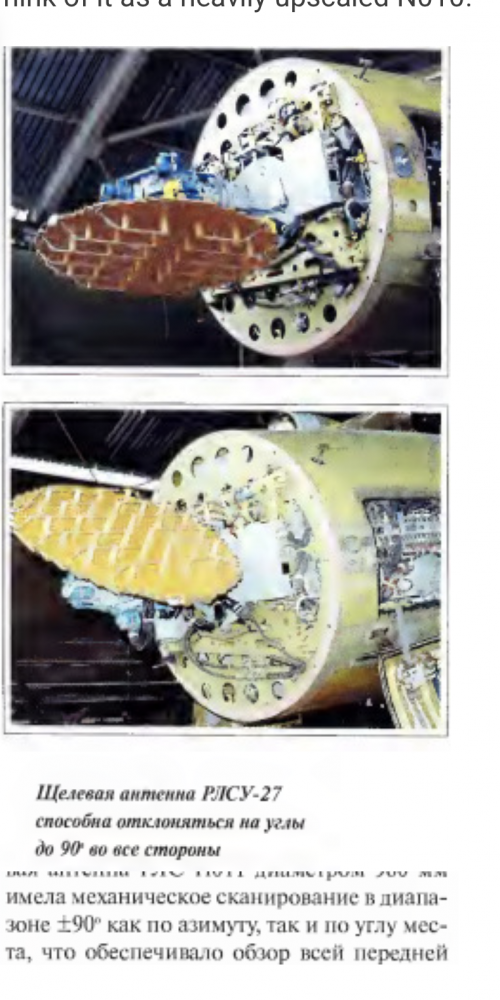
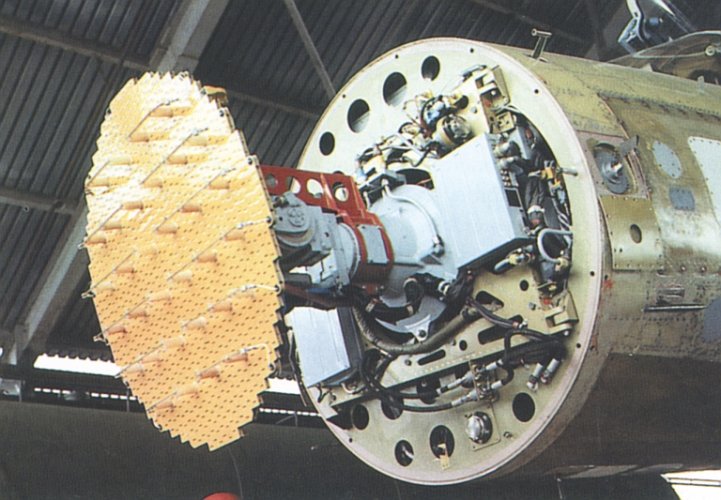
N011 ''Bars'' radar antenna.

N011 Bars.jpg
 
that was right, it means that in PPS we have increase from 150km to 300 km, in AVT from 100km to 200km and in ZPS from 50km to 100km.
PPS-DO can only detect, it cannot lock any further then normal lock mode as it switches to RNP when you try to lock.

So IMO, it’s way more likely he is actually referring to the radar modes pilots used (Soviet pilots hated velocity scan. Good for marketing figures, but Soviet pilots didn’t like it and I don’t think even many western pilots like it).

In which 80-100 km x2 is 160-200 km, which goes extremely with reports of 200 km max lock range and 120-150 km for 3-5 squared RCS fighters.

After all, detection isn’t a lock.

But we’ve been through this before. You prefer the pie in the sky numbers and I prefer to be more conservative becuase reality is usually more disappointing then our dreams.
 
PPS-DO can only detect, it cannot lock any further then normal lock mode as it switches to RNP when you try to lock.

PPS-DO is only search/detect/track mode of course.

After all, detection isn’t a lock.

Yes but you forgot one detail .Lock-on range is usually 70%-80% of detection range.


Some info about N011 'Bars' from Andrey Fomin ...

''Радиолокационная система управления РЛСУ-27 включала радиолокатор переднего обзора Н011 со щелевой антенной, разрабатывавшийся в НИИП (главный конструктор Т.О. Бекирбаев) и небольшую РЛС заднего обзора Н012 (разработка НИИР «Рассвет»). РЛС Н011 имела, по сравнению с серийной Н001, увеличенные дальность обнаружения воздушных целей и зону обзора воздушного пространства по азимуту и углу места, могла обеспечивать сопровождение и обстрел большего количества
целей одновременно, а также работать в режиме картографирования местности. Среди основных новых технических решений, реализованных при разработке РЛС, было использование многорежимного широкополосного передатчика большой мощности на лампе бегущей волны с высоким КПД, малошумящего входного усилителя СВЧ-мощности и высокоэффективной защиты от повышенного уровня проникающей мощности, цифровой обработки радиолокационного сигнала на основе перeпрограммируемого сигнального процессора, применение высокопроизводительной
цифровой вычислительной системы. Применение аппаратуры заднего обзора определялось необходимостью обеспечения кругового обзора воздушного пространства и сопровождения воздушных целей в задней полусфере самолета. РЛС заднего обзора планировалось разместить в центральной хвостовой балке фюзеляжа.

В целом РЛСУ-27 обеспечивала возможность:

- наносить упреждающий удар по любому воздушному противнику, в т.ч. малозаметному;

- атаковать наземные (морские) цели без захода в зону ПВО;

- применять оружие по воздушным и наземным (морским) целям по радиолокационной информации в одном вылете;

- совершать полет на малых высотах,обходя и облетая препятствия;

- участвовать в групповых действиях по воздушным и наземным целям;

- автоматизировать все этапы полета и боевого применения;

- осуществлять автоматический контроль за состоянием систем и в минимальные сроки выявлять возможные неисправности;

- обнаруживать воздушные цели типа «истребитель» на дальности 160—200 км,
а крупные воздушные цели с большой ЭОП — на удалении до 400 км;

- одновременно сопровождать воздушные цели в задней полусфере самолета;

- работать в условиях преднамеренных помех.

Дальность обнаружения крупных надводных целей типа «эсминец» должна была составить не менее 160 км, а группу движущихся танков РЛС предстояло распознавать на расстоянии не менее 50 км. Щелевая антенна РЛС НО11 диаметром 960 мм имела механическое сканирование в диапазоне ±90° как по азимуту, так и по углу места, что обеспечивало обзор всей передней полусферы истребителя. При этом РЛСУ могла одновременно вести сопровождение до 24 воздушных целей, обеспечивая обстрел до восьми из них. Однако за все эти преимущества нужно было платить: даже
несмотря на использование более современной, чем у РЛС Н001, элементной базы, масса РЛС Н011 возросла до 650 кг. Таким образом, она получалась на сотню килограммов тяжелее Н001, что не могло не сказаться на характеристиках истребителя. Кстати отчасти именно поэтому Су-27М
решено было оснастить ПГО, которое компенсировало бы утяжеление головной части самолета и позволяло сохранить его продольную статическую неустойчивость. ''


''The RLSU-27 radar control system included the N011 forward-looking radar with a slot antenna, developed at NIIP (chief designer T.O. Bekirbaev) and a small rear-looking radar N012 (developed by NIIR Rassvet).
Compared to the serial N001, the N011 radar had an increased detection range for aerial targets and an increased airspace coverage area in azimuth and elevation. It could track and engage more targets simultaneously, and also operate in terrain mapping mode.


Among the main new technical solutions implemented in the development of the radar were the use of a high-power, multi-mode, broadband, traveling-wave tube transmitter with high efficiency, a low-noise microwave input amplifier, and highly effective protection against increased penetrating power, digital processing of radar signals based on a reprogrammable signal processor, and the use of a high-performance
digital computing system.The use of rear-looking equipment was determined by the need to provide 360-degree airspace coverage and track airborne targets in the aircraft's rear hemisphere. The rear-looking radar was planned to be mounted in the central tail boom of the fuselage.


Overall, the RLSU-27 provided the ability to:

- launch a preemptive strike against any airborne enemy, including stealth aircraft;

- attack ground (sea) targets without entering the air defense zone;

- employ weapons against air and ground (sea) targets based on radar information in a single sortie;

- fly at low altitudes, avoiding and flying around obstacles;

- participate in group operations against air and ground targets;

- automate all phases of flight and combat employment;


- Automatically monitor system status and promptly identify potential malfunctions;

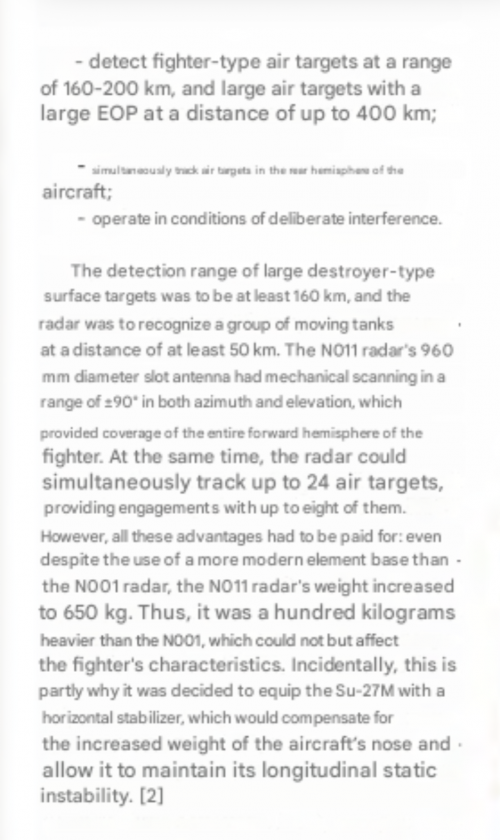
- Detect fighter-type aerial targets at ranges of 160-200 km,

and large aerial targets with a larger RCS at ranges of up to 400 km;

- Simultaneously track aerial targets in the aircraft's rear hemisphere;

- Operate in jamming environments.


The detection range of large destroyer-type surface targets was to be at least 160 km, and the radar was to be able to detect a group of moving tanks at a distance of at least 50 km. The N011 radar's 960 mm diameter slot antenna had mechanical scanning over a range of ±90° in both azimuth and elevation, providing coverage of the fighter's entire forward hemisphere.
The radar could simultaneously track up to 24 airborne targets, engaging up to eight of them. However, all these advantages came at a price: even despite using more modern components than the N001 radar, the N011 radar's weight increased to 650 kg.
Thus, it was a hundred kilograms heavier than the N001, which inevitably affected the fighter's performance. Incidentally, this is partly why the Su-27M was decided to equip it with a horizontal canard, which would compensate for the aircraft's heavier nose and maintain its longitudinal static instability.''


Pages 180/181 , source:

 
Yes but you forgot one detail .Lock-on range is usually 70%-80% of detection range.
I promise you I did not forget. It is usually 70% of max range as that is PoD 0.9 compared to PoD 0.5. It does not mean you can lock at 70% the range of PPS-DO detection, it will go straight to RNP which has 80-100 km limit for 3-5 squared RCS.

Detection of fighters at 160-200 km is exactly why we see it being able to lock them at 120-140 km.
 
Detection of fighters at 160-200 km is exactly why we see it being able to lock them at 120-140 km.

That was very good result indeed for the radar developed in the middle of the 1980's ,with mechanical scanning and TWT with average power in the HPRF mode in the 1kW-2kW range. Especially in the context where fighter is '3sqm target' as standard for measuring those parameters. That was even better than N001V Myech could achieved in that PPS-DO mode.

Additional data about N011 Bars, article from 2007 :

«Тихомировские» радары​

Взлёт 2007 08-09
Журнал «Взлёт»

''С середины 80-х гг. НИИП им. В.В. Тихомирова работает над новыми типами бортовых РЛС для самолетов семейства Су-27. Для модернизированного истребителя Су-27М тогда началась разработка радиолокационной системы управления РЛСУ-27 (Н011), имевшей уже не обычную двухзеркальную, а щелевую антенну, а также современные цифровые вычислители. По сравнению с серийной Н001 новая станция имела увеличенную (до 160-200 км) дальность действия, расширенную зону обзора воздушного пространства по азимуту и углу места, могла обеспечивать сопровождение и обстрел большего количества целей одновременно, а также работать в режиме картографирования местности. Среди особенностей Н011 были лучшая помехозащищенность и дополнительные режимы работы «воздух- поверхность». Щелевая антенна диаметром 960 мм имела механическое сканирование в диапазоне ±90° как по азимуту, так и по углу места, что обеспечивало обзор всей передней полусферы истребителя.Опытные образцы РЛС Н011 были установлены на прототипы Су-27М и в начале 90-х гг. поступили на испытания. Однако специалисты НИИП к этому времени пришли к выводу, что применение РЛС со щелевой антенной уже не отвечает требованиям ближайшей перспективы.''


''Since the mid-1980s, the V.V. Tikhomirov Research Institute of Instrument Engineering has been working on new types of airborne radars for the Su-27 family of aircraft. Development of the RLS-27 (N011) radar control system began for the upgraded Su-27M fighter. This system featured a slot antenna rather than the standard two-mirror design, as well as modern digital computers.
Compared to the serial N001, the new station had an increased range (up to 160-200 km), an expanded airspace coverage area in azimuth and elevation, could provide tracking and firing on a larger number of targets simultaneously, and also operate in terrain mapping mode.
The N011's features included improved jamming immunity and additional air-to-surface modes. The 960mm diameter slot antenna had mechanical scanning over a range of ±90° in both azimuth and elevation, providing coverage of the fighter's entire forward hemisphere.
Prototypes of the N011 radar were installed on Su-27M prototypes and began testing in the early 1990s. However, by this time, NIIP specialists had concluded that the use of a radar with a slot antenna no longer met immediate requirements. ''
 
One thing I noticed while making a few bug reports on the radar for war thunder (a video game) is that outside of the ESA scan zone (+-45/40), the PESA of n011m seems to be unable to simultaenously detect and update targets. Like, it can't update target positioning when it has to use its mechanical gimbal
1773858700163.png
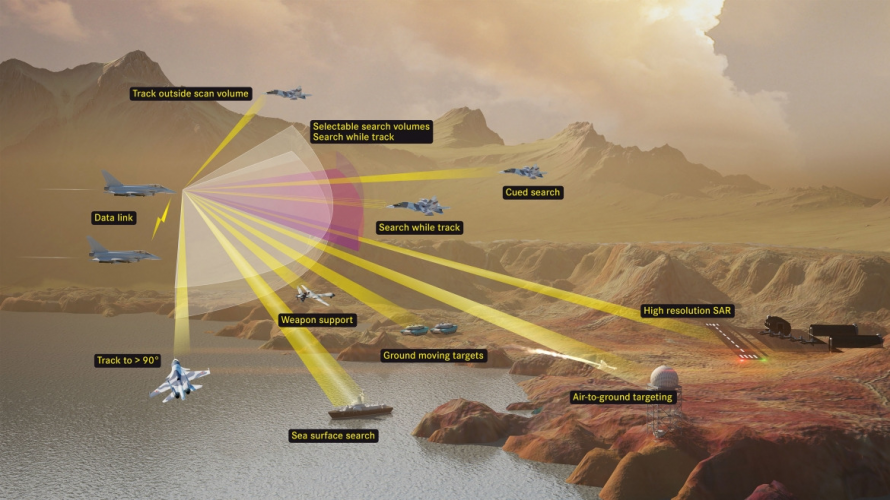
Compare that to the AESA of the Eurofighter, which can simultaneously track and update targets outside of its esa gimbal limit (+-70) (up to +-100 degrees, which is the combined mechanical+esa zone)
(I'll add the link to the eurofighter image later, have to go looking for it again)
1773860713825.png
 
Last edited:
Compare that to the AESA of the Eurofighter, which can simultaneously track and update targets outside of its esa gimbal limit (+-70) (up to +-100 degrees, which is the combined mechanical+esa zone)

Hm ,how is something like that possible anyway?

Example and comparison , N035 Irbis has total azimuthal FoV 240° of course thanks to that gimbal but detecting/tracking of aircraft is only possible in the fixed FoV which has limitation +/-60° or total 120° by azimuth and elevation. Maybe the radar computer can predict fly paths of the aircraft outside the radar cone ( remember/store flight parameters) but radar itself can not track aircraft outside the scan zone,think, that is for sure.No scanning/searching ,no tracking.
 

Similar threads

Back
Top Bottom