Scott Kenny
ACCESS: USAP
- Joined
- 15 May 2023
- Messages
- 19,678
- Reaction score
- 28,164
Really hard to believe that Russia would buy or even operationally test some ballistic missiles from North Korea. Too much national prestige on the line!

Really hard to believe that Russia would buy or even operationally test some ballistic missiles from North Korea. Too much national prestige on the line!

They've already used drones from Iran, so why not?Really hard to believe that Russia would buy or even operationally test some ballistic missiles from North Korea. Too much national prestige on the line!

It is cheaper and can be used as feint and decoy with secondary goal of achieving hit.Really hard to believe that Russia would buy or even operationally test some ballistic missiles from North Korea. Too much national prestige on the line!

The fact that they have to say irrefutably implies intelligence gathering still has the shadow of the Iraq WMD debacle hanging over any analysis made. In this case it's probably true but so what, there's a fairly high confidence that US manufactured missiles are being used in Ukraine. As long as NATO and Russia don't go head to head then the show will continue for the viewers.Really hard to believe that Russia would buy or even operationally test some ballistic missiles from North Korea. Too much national prestige on the line!

The kind that doesn't want to be killed by boost-phase-intercept.what kind of mirv will seperate rv in 100km?
"Fairly high confidence" being "100%" in this case.The fact that they have to say irrefutably implies intelligence gathering still has the shadow of the Iraq WMD debacle hanging over any analysis made. In this case it's probably true but so what, there's a fairly high confidence that US manufactured missiles are being used in Ukraine. As long as NATO and Russia don't go head to head then the show will continue for the viewers.
Yep"Fairly high confidence" being "100%" in this case.

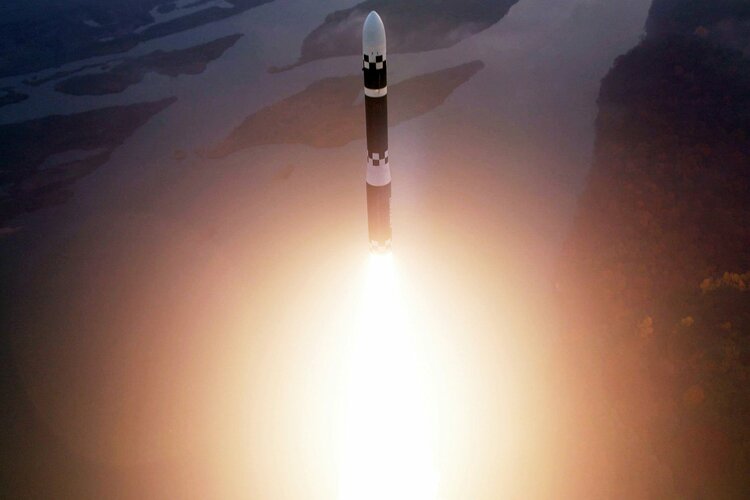
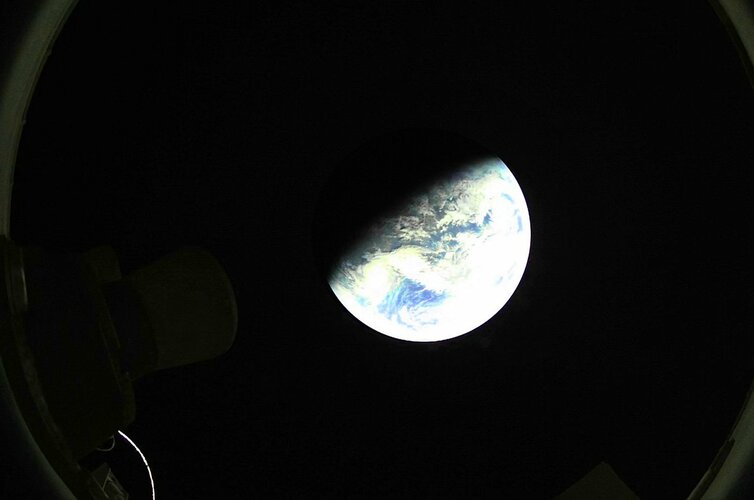

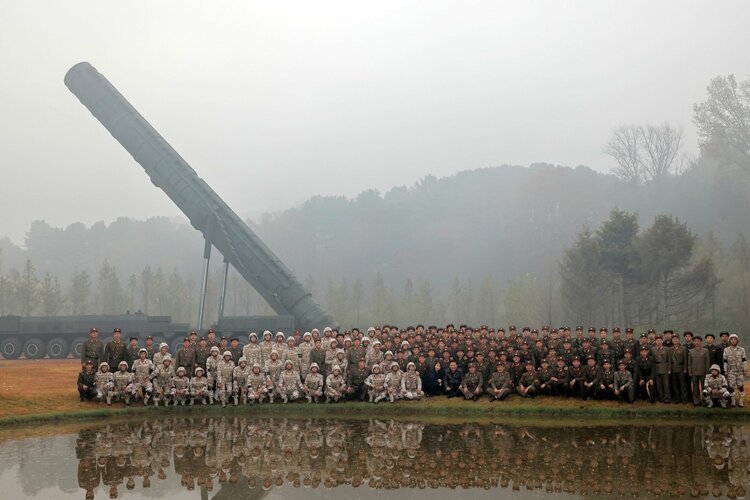
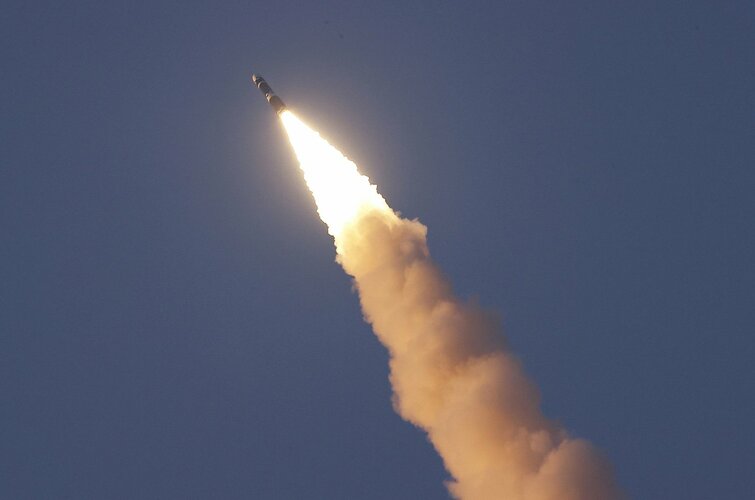
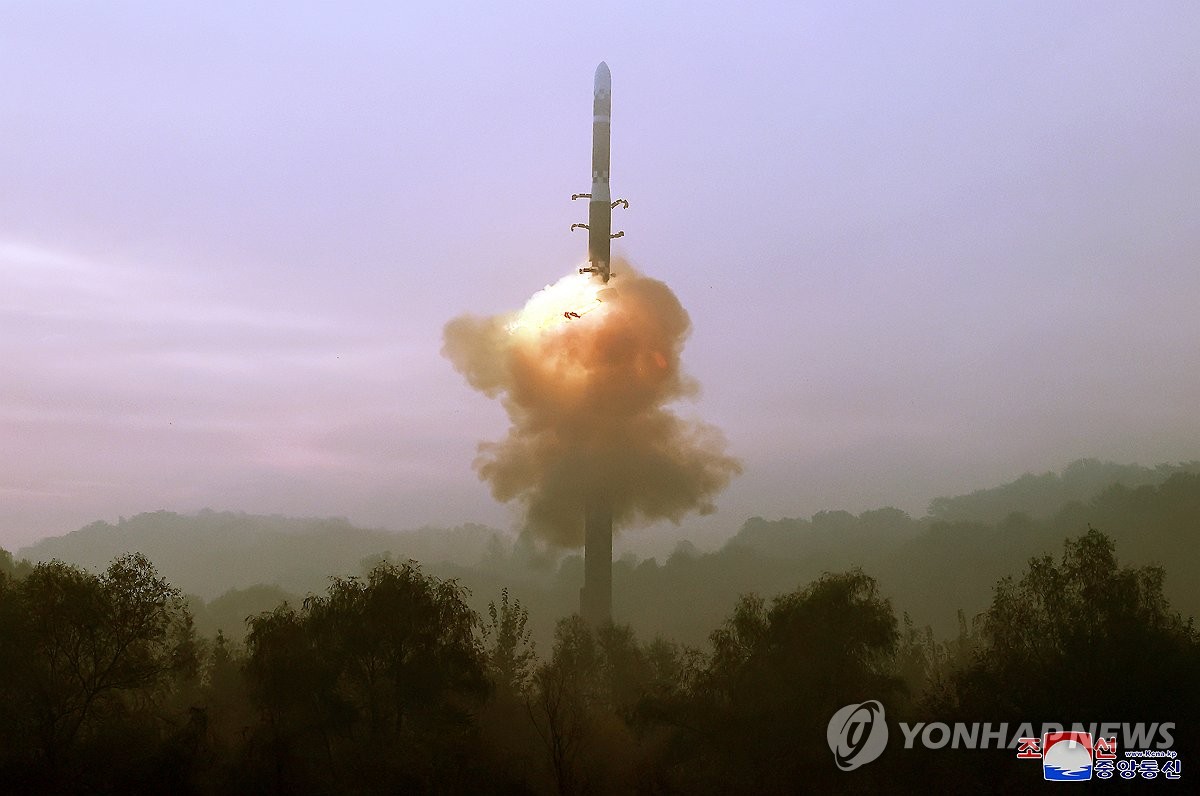
Not sure, assuming same diameter (at least the stage ratios are similar to Hwasong 18), it's probably not stretched enough to fit 20 or 30 additional tons of propellant.We now know what that big TEL they built was for. Should we expect a Peacekeeper size ICBM or bigger?
?Not sure, assuming same diameter (at least the stage ratios are similar to Hwasong 18), it's probably not stretched enough to fit 20 or 30 additional tons of propellant.
Jokes aside, they're now very clearly in Big 5.North Korea is better at making ICBMs than the US is.
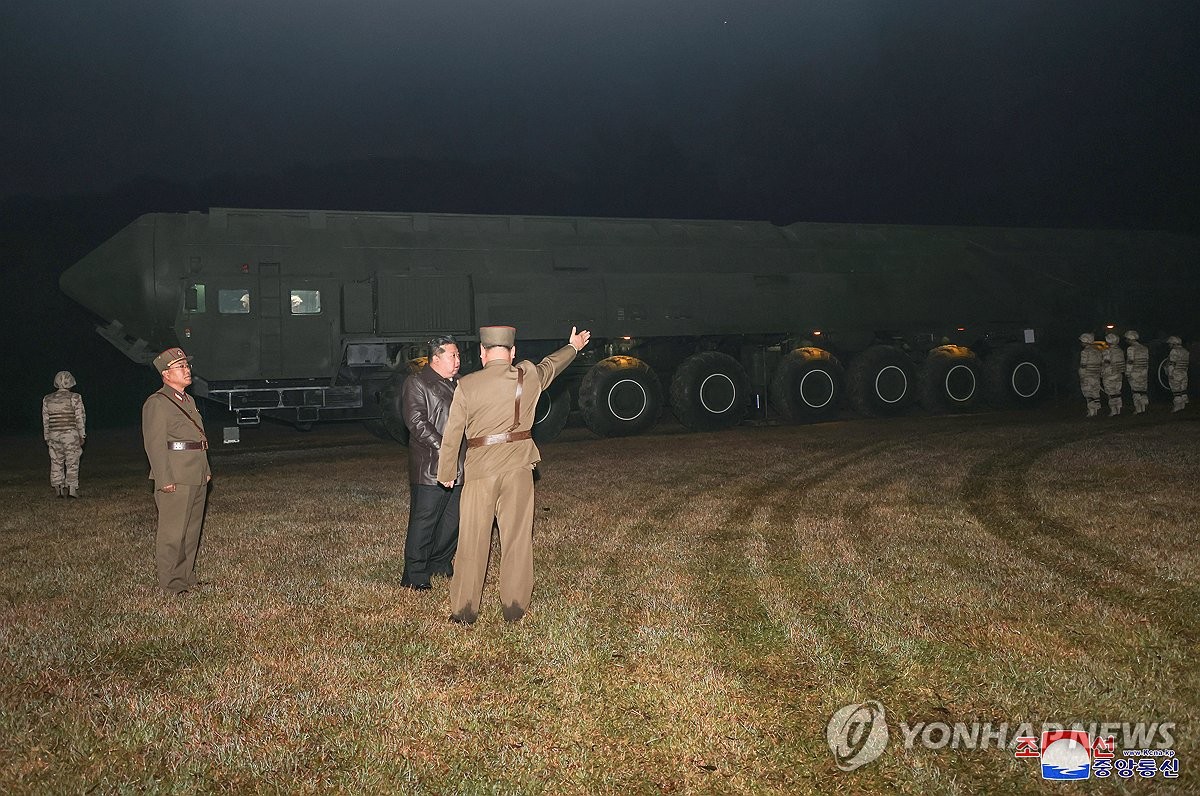
The latter they have in spares. An underground network is an obvious and long-since-known solution for a country with readily available cheap labor, and given that with the progress they're probably moving away from pre-planned launch pads - good luck preventing launches...It's official, Kim-Young-Goon is really compensating for something. More seriously: show me a road network in North Korea that can withstand the weight of that monster, even with plenty of wheels and low pressure tyres. Also a cavern big enough to hide the beast.

Ironically yes, albeit I doubt that their buses and decoys are on modern level (most likely close to 1980s tech, albeit much more capable computers may compensate partially). Of course it mainly caused by lack of US ballistic missile development since the end of Cold War - a lot of skills were lost. Still, it's pretty ironic situation, when American military basically thinking "wish we became friends with THAT Korea; we could just buy road-mobile heavy ICBM from them"North Korea is better at making ICBMs than the US is.
They are supposed to be based in underground tunnels, and only move to deploy before launch. The limited mobility made them significantly less vulnerable to any kind of pre-emptive strike, since there are a lot of tunnels in North Korea, and it's next to impossible to accurately guess where the missile exactly is.More seriously: show me a road network in North Korea that can withstand the weight of that monster, even with plenty of wheels and low pressure tyres. Also a cavern big enough to hide the beast.
Agreed. North Korean seems to follow "we aren't rich enough to buy anything but very best" logic - they did not stop at just liquid-fuel ICBM, or even road-mobile liquid-fuel ICBM, they pushed to the road-mobile solid-fuel ICBM. Essentially, the preferred to spend more on development, but deploy only the system that would be able to provide optimal deterrence for its cost.Once Hwasong-19 and Hwasong-18 enter in service with sufficient deployment on scale then Hwasong-17 and Hwasong-15 if there is still any could be adapted for use as sections for space launch vehicle or at very least components they have transferred to be used in SLV's. Although I wish North Korea developed nozzle that can handle Kerolox 100 ton force output since they can produce N2O4 UDMH fed turbopump that feeds two 40 ton force nozzles.
You have let it go about unification, it is like beating a dead horse and that won't make it alive.Hypothetical Question: If the two Koreas ever reunite, would the united Korea keep the solid-fuel Hwasong-18 and Hwasong-19 ICBMs?

You have let it go about unification, it is like beating a dead horse and that won't make it alive.
I guess they forgot to tell you that to you.Tell that to North Korea.

They`d be very stupid not to.Hypothetical Question: If the two Koreas ever reunite, would the united Korea keep the solid-fuel Hwasong-18 and Hwasong-19 ICBMs?
Tunnels maybe yes, exits however can still be found, as those TELs surely need to exit the tunnels to the launch pads for their end game. Those connected roads, highly strengthened in order to support the heavy TEL, will need much more material to build than normal roads. Intel as well as IMINT can help with thisThey are supposed to be based in underground tunnels, and only move to deploy before launch. The limited mobility made them significantly less vulnerable to any kind of pre-emptive strike, since there are a lot of tunnels in North Korea, and it's next to impossible to accurately guess where the missile exactly is.
Agreed. North Korean seems to follow "we aren't rich enough to buy anything but very best" logic - they did not stop at just liquid-fuel ICBM, or even road-mobile liquid-fuel ICBM, they pushed to the road-mobile solid-fuel ICBM. Essentially, the preferred to spend more on development, but deploy only the system that would be able to provide optimal deterrence for its cost.
Exits could be made multiple, camouflaged and fake ones constructed in large numbers. And since this missile is solid-fuel, it's launch time is quite rapid. It's not perfect, of course, but it guarantee North Korean ICBM's much better survivability, than silo-based missiles would have in the same situation.Tunnels maybe yes, exits however can still be found, as those TELs surely need to exit the tunnels to the launch pads for their end game
Yeah, they're definitely following the Vimes "Boots theory"Agreed. North Korean seems to follow "we aren't rich enough to buy anything but very best" logic - they did not stop at just liquid-fuel ICBM, or even road-mobile liquid-fuel ICBM, they pushed to the road-mobile solid-fuel ICBM. Essentially, the preferred to spend more on development, but deploy only the system that would be able to provide optimal deterrence for its cost.
You're assuming that there is any distance between the tunnel exit and the launch location.Tunnels maybe yes, exits however can still be found, as those TELs surely need to exit the tunnels to the launch pads for their end game. Those connected roads, highly strengthened in order to support the heavy TEL, will need much more material to build than normal roads. Intel as well as IMINT can help with this
No, because Earth is round and spinning.7700km apogee... Isn't a ballistic missile apogee roughly equal to its range?
Satellites always are falling when orbiting unless geosynchronous locked in with perfect balance to stay there long past lifespan of components.
Well, technically any orbit is "falling down, but moving sideway fast enough to always miss".Why are they falling unless they are in geosynchronous orbit?