- Joined
- 19 February 2007
- Messages
- 1,601
- Reaction score
- 3,285
OK, somewhat akin to Precision and Accuracy...
Hypothetically, given a fighter jet engine that has a specified 2500 hour TBO, but runs out of hot cycle counts (say turbine blade life) at or around 1700 hours.
- The engine does not have the durability to make it to the specified TBO.
- But the engine almost always runs out of HCC at about 1700 hours +/- 100. You can rely on that - as long as you do not exceed the HCC *.
(*which you are assiduously tracking via your engine monitoring system). (The posts that popped up as I was typing actually say it better than I did.)
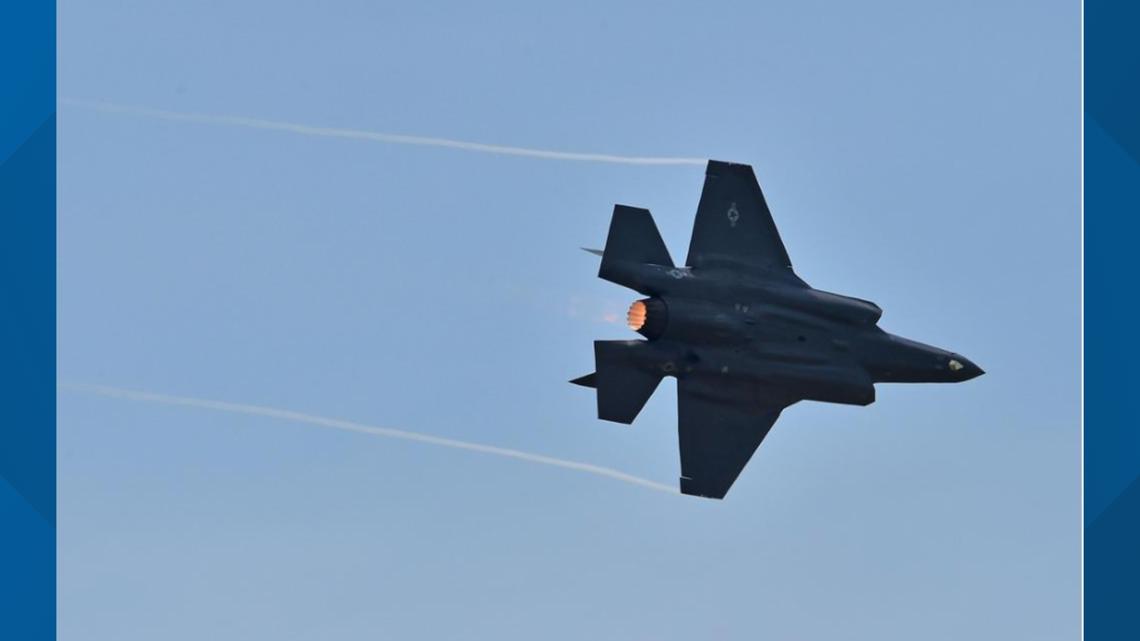
Bringing it back to the F-35, I have never seen an accounting comparison between the F100 engine (with three-level maintenance; Organizational (Flightline), Intermediate (Base or Queen-Bee) and Depot ) and the F119 engine (with two-level maintenance: Organizational and Depot).
I suspect that this "improvement" has driven cost up and availability down, with more maintenance being driven to the Depot than down to the Flightline.
Hypothetically, given a fighter jet engine that has a specified 2500 hour TBO, but runs out of hot cycle counts (say turbine blade life) at or around 1700 hours.
- The engine does not have the durability to make it to the specified TBO.
- But the engine almost always runs out of HCC at about 1700 hours +/- 100. You can rely on that - as long as you do not exceed the HCC *.
(*which you are assiduously tracking via your engine monitoring system). (The posts that popped up as I was typing actually say it better than I did.)
Bringing it back to the F-35, I have never seen an accounting comparison between the F100 engine (with three-level maintenance; Organizational (Flightline), Intermediate (Base or Queen-Bee) and Depot ) and the F119 engine (with two-level maintenance: Organizational and Depot).
I suspect that this "improvement" has driven cost up and availability down, with more maintenance being driven to the Depot than down to the Flightline.