

You are using an out of date browser. It may not display this or other websites correctly.
You should upgrade or use an alternative browser.
You should upgrade or use an alternative browser.
Lockheed Martin F-35 Lightning II Joint Strike Fighter (JSF)
- Thread starter Triton
- Start date

- Joined
- 2 August 2006
- Messages
- 3,300
- Reaction score
- 1,785
I like that last page, as it tells me the main bases I can fly my F-35s from and to for maintenance in flight simulator.So close to 1000...

Ainen
I really should change my personal text
- Joined
- 25 August 2011
- Messages
- 2,117
- Reaction score
- 3,606
If we're talking actual use and not politics behind it, for lots of countries and use cases, DCA/Stand-off deterrent aircraft is quite viable.Gripen is more expensive on a per airframe basis than F-35.
I doubt Non-LO aircraft are even currently viable as anything other than stand-off missile carriers at this point (and given that aircraft now entering service will be in service for several decades, non-LO aircraft will be even less viable in the future), would much rather use an LO aircraft which can use cheap easily stockpiled PGMs like JDAM in the face of modern air defences, rather than building up large stocks of cruise missiles.
Especially if it's cheap to maintain, and acceptable flight hours come at a low price.
There are not that many countries that need and can sustain offensive penetrative air operations in the first place. Few of them don't have an F-35 already.

A Tentative Fleet Plan
I really should change my personal text
- Joined
- 9 April 2018
- Messages
- 1,356
- Reaction score
- 3,385
The evidence from Ukraine is that stand-off isn't viable, most countries simply do not have the necessary stocks of cruise missiles to guarantee destruction of all targets, or conduct sustained air campaigns, and most countries don't have the necessary ISTAR capabilities to find targets in depth, nor conduct proper BDA.If we're talking actual use and not politics behind it, for lots of countries and use cases, DCA/Stand-off deterrent aircraft is quite viable.
Especially if it's cheap to maintain, and acceptable flight hours come at a low price.
There are not that many countries that need and can sustain offensive penetrative air operations in the first place. Few of them don't have an F-35 already.
Something like an F-35 can do the same job with cheaper munitions like JDAMs or Paveway IVs, and the aircraft, and due to its avionics can conduct proper reconnaissance and BDA in depth.
Ainen
I really should change my personal text
- Joined
- 25 August 2011
- Messages
- 2,117
- Reaction score
- 3,606
For Russia - yes.The evidence from Ukraine is that stand-off isn't viable, most countries simply do not have the necessary stocks of cruise missiles to guarantee destruction of all targets, or conduct sustained air campaigns, and most countries don't have the necessary ISTAR capabilities to find targets in depth, nor conduct proper BDA.
Something like an F-35 can do the same job with cheaper munitions like JDAMs or Paveway IVs, and the aircraft, and due to its avionics can conduct proper reconnaissance and BDA in depth.
For Ukraine, on the other hand - I think even available stand-off works wonders, and F-35, on the other hand, would've been a bite too far, even hypothetically(as a capability).
What they lack is a2a standoff/ambush, and the ability to sweep their own airspace (drones, cruise missiles), and as many sorties as possible.
A Tentative Fleet Plan
I really should change my personal text
- Joined
- 9 April 2018
- Messages
- 1,356
- Reaction score
- 3,385
Ukraine only does well with stand-off munitions because they receive intelligence from Five Eyes. Even then the stocks of Storm Shadow/SCALP aren't that deep, and Britain and France will want to maintain some stocks for contingencies.For Russia - yes.
For Ukraine, on the other hand - I think even available stand-off works wonders, and F-35, on the other hand, would've been a bite too far, even hypothetically(as a capability).
What they lack is a2a standoff/ambush, and the ability to sweep their own airspace (drones, cruise missiles), and as many sorties as possible.
F-35 offers the best means of countering the Russian advantage in A2A stand-off, as an LO aircraft it can get close to the R-37-toting Su-27/30/35s and Mig-31s, and can obvious conduct ambushes, potentially even against the Tu-22M3s, -95MS and -160Ms conducting standoff missile attacks from within the air defence bubbles of Belarus, Russia etc.
AESAs like APG-81 are obviously pretty capable at tracking cruise missiles and drones.
Sortie generation is the only real limitation compared to 4th Gen types, but given the problems Ukrainian aircraft currently face when trying to conduct air defence against drones and cruise mssiles, whilst simultaneously being threatened even in depth by Russian fighters with R-37s, I do think a force of LO aircraft would be better able to defend the country despite lower sortie rates. Not to
Of course at the moment Ukraine cannot maintain F-35s, it will take years for them to get to that point, but LO aircraft would still be important for a country in a similar position to theirs.
Last edited:
Ainen
I really should change my personal text
- Joined
- 25 August 2011
- Messages
- 2,117
- Reaction score
- 3,606
F-35 doesn't; It's LO(not broadband), not a magic invisibility cloak. All Russian(and Ukrainian) aircraft are within bubbles(they're everywhere, extending far into the enemy rear); strategic bombers are so far in the rear that it'd be too much even for PCA...probably.F-35 offers the best means of countering the Russian advantage in A2A stand-off, as an LO aircraft it can get close to the R-37-toting Su-27/30/35s and Mig-31s, and can obvious conduct ambushes, potentially even against the Tu-22M3s, -95MS and -160Ms conducting standoff missile attacks from within the air defence bubbles of Belarus, Russia etc.
F-35 can be used as a part of a much greater package to break into an A2AD network, but without it, it will be just about as constrained by both AD and fighter presence - probably banished from high altitudes all the same.
Can ambushes/intercepts be done? Yes, certainly. But IMHO 4.5 fighter with a meteor is more useful here, because it's the only way to evenly fight out of a highly disadvantageous energy position(deck).
Yes, but ultimately any modern AESA should do the trick.AESAs like APG-81 are obviously pretty capable at tracking cruise missiles and drones.
What's crucial, however, is to have a modern AWACS.
A much weaker side won't turn a conflict on its head with overinvestment into a single superior weapon system.
More likely is that the weaker side simply won't be able to properly operate the superior system, and will cripple other important capabilities on top of that.
Thus, unless we're talking about a big and self-sufficient country, or a country operating in a big alliance - IMHO, non-stealth, standoff-oriented a/c are still ok.
Last edited:
A Tentative Fleet Plan
I really should change my personal text
- Joined
- 9 April 2018
- Messages
- 1,356
- Reaction score
- 3,385
F-35 doesn't; It's LO(not broadband), not a magic invisibility cloak. All Russian(and Ukrainian) aircraft are within bubbles(they're everywhere, extending far into the enemy rear); strategic bombers are so far in the rear that it'd be too much even for PCA...probably.
It doesn't need to be broadband, those systems do not offer good enough resolution. The X, C and S Bands are the greatest threats, as that will what GBAD and enemy fast air will be emitting.
F-35 can be used as a part of a much greater package to break into an A2AD network, but without it, it will be just about as constrained by both AD and fighter presence - probably banished from high altitudes all the same.
F-35 is can operate standalone without much of the supporting assets that 4th gen aircraft would require to operate even moderately effectively. Poorer countries will not be able to afford much of these supporting assets in the first place.
The entire point of LO is to enable aircraft to operate at medium or high altitude.ow altitude means death, it puts you in engagement range of MANPADS, and reduces potential stand-off performance of Guided Bombs and A2A missiles.
Can ambushes/intercepts be done? Yes, certainly. But IMHO 4.5 fighter with a meteor is more useful here, because it's the only way to evenly fight out of a highly disadvantageous energy position(deck).
4th gen types cannot fight evenly, they will be forced to fly at low level to avoid triple-didget SAMS and R-37s equivalents. F-35 can fly at medium or high altitudes, making better use of its sensors and imparting the munitions it launches with more energy.
Yes, but ultimately any modern AESA should do the trick.
What's crucial, however, is to have a modern AWACS.
AWACS are not survivable against modern triple-didget SAMS or large stand-off A2A missiles like R-37. Much better to distribute your ISTAR capabilities amongst multiple LO fighter bombers.
A much weaker side won't turn a conflict on its head with overinvestment into a single superior weapon system.
More likely is that the weaker side simply won't be able to properly operate the superior system, and will cripple other important capabilities on top of that.
It's not overinvestment in a single weapon system, it's investment in a system of systems that happen to be on a single platform. This system enables savings to be made elsewhere, for example in SIGINT, which a small country is unlikely to have significant resources to devote too. LO aircraft delivering guided bombs, instead of 4th gen types delivering cruise missiles means that savings can be made when it comes to munitions stockpiling etc. The aircraft being survivable means that it can briefly loiter after a strike to conduct BDA, as opposed to BDA being impossible for a small country if cruise missiles are used (outside of making use of commercial imaging satellites).
Thus, unless we're talking about a big and self-sufficient country, or a country operating in a big alliance - IMHO, non-stealth, standoff-oriented a/c are still ok.
A small country not part of any major alliance is in an even worse position. Non-stealth aircraft using stand-off weapons requires massive stocks of stand-off weapons, beyond the means of any country that is not a great power or superpower. For smaller countries that are part of an alliance system it may be partly viable, provided that they can rely on the munitions stocks of other members of the alliance, or the LO aircraft of said alliance.
Ainen
I really should change my personal text
- Joined
- 25 August 2011
- Messages
- 2,117
- Reaction score
- 3,606
it was the case when batteries were(are) more or less independent, rare , and generally lacking lower band supplements. This isn't the case in Ukraine, on either side of the fence.It doesn't need to be broadband, those systems do not offer good enough resolution. The X, C and S Bands are the greatest threats, as that will what GBAD and enemy fast air will be emitting.
I in "IADS" means it. Not only GBAD/naval FC ESA radars improved no less than fighter ones over the decades (actually they're typically ahead, size solves problems), but supplementary systems are now ubiquitous. Like, basically every s-400 battery has one, producing an incredibly overabundant, multi-static S/A picture; their pictures are also merged(not that hard for ground systems operating in the rear). Then add dedicated S/A radars, VKS AWACS&Elint on top (and OTAN ;p ones over Eastern Europe), and here we are. There is an absolutely dirty levels overabundance of high altitude S/A cover, relying on safe processing and merging with AD supercomputer nodes far in the rear.
Then it becomes either a question of directing FC radar(GBAD, fighters) in a narrow beam search ... or outright "passive" launch into a predicted volume, which is known to be done quite often.
Within the engagement radius, and unless the radar network can be significantly degraded, F-35 won't be able to.4th gen types cannot fight evenly, they will be forced to fly at low level to avoid triple-didget SAMS and R-37s equivalents. F-35 can fly at medium or high altitudes, making better use of its sensors and imparting the munitions it launches with more energy.
So it's low-flying (or keeping back) for either.
Keep AWACS back far enough and that's it. They're just as defendable by SAM bubbles, fighters, and spacing (running away is no dishonor when you aren't armed).AWACS are not survivable against modern triple-didget SAMS or large stand-off A2A missiles like R-37. Much better to distribute your ISTAR capabilities amongst multiple LO fighter bombers.
Yes, it'll require a proper modern C/L-band fully digital AESA to work; the flying heritage association can't do it (it doesn't work anyway against modern targets, even when they're closer - proven by both sides).
Intermittent, field-limited X-band scans won't do the trick for proper s/a. I don't believe even Felon counts as any serious replacement.
On a personal level, I doubt that a system of systems, not flying due to maintenance, will solve underinvestment in artillery stocks...It's not overinvestment in a single weapon system, it's investment in a system of systems that happen to be on a single platform
F-35 isn't a one-plane airforce. While it's a well-rounded rounded platform - all modern fighters from the 2000s onwards are, - it is limited by what can be fit into its airframe.
On top of that, it's very expensive to operate and requires a lot of disruptable maintenance.
An F-35 operator needs to be able to solve those problems to get the best of it. In practice, it means the operator must be able to rely on the US and have a secure rear.
Frankly speaking, and judging from Ukrainian experience, for immediate deterrence, maybe a hundred(reliable launches) is good enough.A small country not part of any major alliance is in an even worse position. Non-stealth aircraft using stand-off weapons requires massive stocks of stand-off weapons, beyond the means of any country that is not a great power or superpower.
If an opponent is large enough to swallow the pill - deterrence already failed. F-35s, trying to act as cruise missile replacements in such a fight, will simply be shot down; they aren't invulnerable - and they aren't as survivable as LO LACMs.
Thus if either is to be kept back - paying less and getting more sorties out of it is quite viable.
Scott Kenny
ACCESS: USAP
- Joined
- 15 May 2023
- Messages
- 17,001
- Reaction score
- 24,130
Good thing that it's got a particularly voluminous fuselage, then. Up to and including deleting the forward fuel tank to replace with more gadgets in the case of -A and -C.F-35 isn't a one-plane airforce. While it's a well-rounded rounded platform - all modern fighters from the 2000s onwards are, - it is limited by what can be fit into its airframe.
I think this sort of issue is better solved by stand in jammer like MALD-X and later on SPEAR-EW. They will attract the majority of SAM shot and also provide enough jamming power to drown the radar returns in noise.it was the case when batteries were(are) more or less independent, rare , and generally lacking lower band supplements. This isn't the case in Ukraine, on either side of the fence.
I in "IADS" means it. Not only GBAD/naval FC ESA radars improved no less than fighter ones over the decades (actually they're typically ahead, size solves problems), but supplementary systems are now ubiquitous. Like, basically every s-400 battery has one, producing an incredibly overabundant, multi-static S/A picture; their pictures are also merged(not that hard for ground systems operating in the rear). Then add dedicated S/A radars, VKS AWACS&Elint on top (and OTAN ;p ones over Eastern Europe), and here we are. There is an absolutely dirty levels overabundance of high altitude S/A cover, relying on safe processing and merging with AD supercomputer nodes far in the rear.
Then it becomes either a question of directing FC radar(GBAD, fighters) in a narrow beam search ... or outright "passive" launch into a predicted volume, which is known to be done quite often.
Within the engagement radius, and unless the radar network can be significantly degraded, F-35 won't be able to.
So it's low-flying (or keeping back) for either.
With enough decoys, you can sometime cause enemy to friendly fire as well
AWACS are safer if they stay far back enough, but that also mean their radar won’t be able to detect and track target properly, since radar signal degrade with distanceKeep AWACS back far enough and that's it. They're just as defendable by SAM bubbles, fighters, and spacing (running away is no dishonor when you aren't armed).
Ainen
I really should change my personal text
- Joined
- 25 August 2011
- Messages
- 2,117
- Reaction score
- 3,606
Not sure it's feasible.Good thing that it's got a particularly voluminous fuselage, then. Up to and including deleting the forward fuel tank to replace with more gadgets in the case of -A and -C.
When i was writing that post, I thought for a second that probably there is merit in making a "AEW pod" after blk.4 (more power from the engine is a must here) - F-35 already can take on conformal pods, and while not *too* large - it'll fit a reasonable side-by-side antenna for C/L band.
May be worth investigating.
It won't be even close to Wedgetail in anything, but survivability will certainly jump.
Ainen
I really should change my personal text
- Joined
- 25 August 2011
- Messages
- 2,117
- Reaction score
- 3,606
It works for larger airforces. Decoys aren't guarantees; thus they work splendidly for either attritable resources (numerous fighters, which can absorb losses), or long-range munitions(their loss rate by definition is 1, the only difference is where the loss will happen).I think this sort of issue is better solved by stand in jammer like MALD-X and later on SPEAR-EW. They will attract the majority of SAM shot and also provide enough jamming power to drown the radar returns in noise.
With enough decoys, you can sometime cause enemy to friendly fire as well
For a strike fighter from a small force on a two-way mission ... I won't take this risk. Nor will Ukraine, nor will the US let Ukraine do it.
On the other hand, we already see how MALDs (and fake cruise missiles) are used with stand-off LACMs by both sides, with success.
Hence the need for a modern AWACS, with truly modern array and processing. E-3 isn't there anymore (it's still better than a-50u, but both are inadequate).AWACS are safer if they stay far back enough, but that also mean their radar won’t be able to detect and track target properly, since radar signal degrade with distance
I would think the F-35s low RCS in fire control radar bands would still make weapon delivery difficult for the far end of the opposing kill chain. Penetrating hostile airspace might still be incredibly dangerous, but lobbing weapons from high altitude from your side of the FEBA seems quite doable. The biggest threat at that range will be BVR AAMs and AWACs, and those aircraft radars are going to be pretty much all X band (notable exception: E-2D). If you add in glide weapons/kits, it seems to me an F-35 bombing mission to the forward areas would have a very low exposure. Any kind of deep strike would likely still require true stand off weapons against a capable IADS.
I think large multi engine AWACs are a dead end in a peer contested air environment. Some other more distributed system would have to replace it (a combination of UAV and fighter radar pictures stitched together), though it seems unlikely the same degree of coverage could be achieved. That said, AWACS is still essential to less than peer conflicts, defense in low threat areas of a peer conflict, and peacetime surveillance.
I think large multi engine AWACs are a dead end in a peer contested air environment. Some other more distributed system would have to replace it (a combination of UAV and fighter radar pictures stitched together), though it seems unlikely the same degree of coverage could be achieved. That said, AWACS is still essential to less than peer conflicts, defense in low threat areas of a peer conflict, and peacetime surveillance.
Last edited:
It also worth noting that the IADS itself would be a high priority target, and if a low RCS aircraft can lob eight cheap glide bombs a hundred kilometers at a major radar without ever crossing the forward line of contact, the defense is going to have a dilemma regarding cost/effectiveness of long range shoot downs (or else just have to trust the short range pointe defenses to be absolute). Though it would be even more effective to use stand off weapons and penaids *with* cheap direct attack munitions, especially at the same time.
Last edited:

The 1,000th F-35 Has Been Built
Delays with a key upgrade program mean Lockheed Martin has yet to deliver the 1,000th F-35 and others to their customers.
 www.thedrive.com

FighterJock
ACCESS: Above Top Secret
- Joined
- 29 October 2007
- Messages
- 6,702
- Reaction score
- 7,926
Well done LM on reaching the 1,000th F-35 being built.

- Joined
- 6 June 2006
- Messages
- 14,669
- Reaction score
- 20,612
Which is hardly significant, considering the small numbers of F-117s, F-22s and B-2 ever built (and countries others than the USA still have to catch up on stealth - be them Russia or China). 64+21+187 = 272, plus all the varied prototypes, must be 280 -something.In fact, there are more F-35s flying today than all other stealth aircraft throughout history, combined.
By the way there are far better sources out there, than National Interest.
More details on SAFRAN (Belgium) work on f-35 engine:
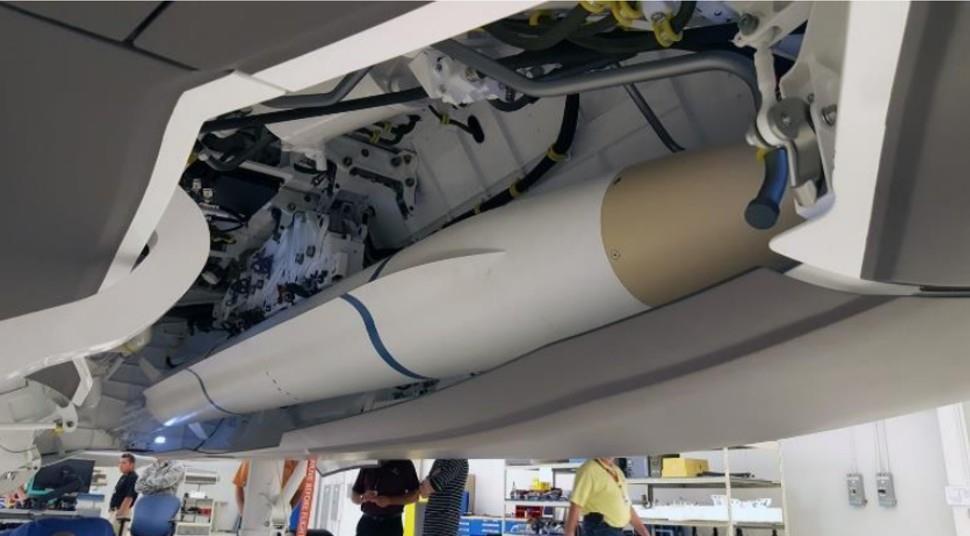
Lockheed to integrate latest air defence suppression missile with all F-35 variants
The manufacturer of the advanced F-35 stealth fighter received a $97 million Pentagon contract to begin early development work on integrating the Northrop Grumman AGM-88G Advanced Anti-Radiation Guided Missile - Extended Range with all three variants of the fifth-generation jet.
 www.flightglobal.com
WatcherZero
ACCESS: Top Secret
- Joined
- 22 May 2023
- Messages
- 1,037
- Reaction score
- 2,644
Well done LM on reaching the 1,000th F-35 being built.
How many are presently undelivered because customers are refusing delivery, about 100?
Edit: 59 undelivered in mid December + however many built in the month since.
FighterJock
ACCESS: Above Top Secret
- Joined
- 29 October 2007
- Messages
- 6,702
- Reaction score
- 7,926
That is shocking WatcherZero, what is the problem that is keeping LM from delivering new F-35s?
WatcherZero
ACCESS: Top Secret
- Joined
- 22 May 2023
- Messages
- 1,037
- Reaction score
- 2,644
The Technology Refresh 3 (TR3) hardware standard's new software, (required for future Block 4 capability) was originally supposed to be completed and approved by April 2023, then end of 2023, then that slipped to April 2024 and its slipped again to June 2024. LM had started transitioning production to the new standard towards the end of 2023 as it expected imminent certification and component stocks for the previous iteration were exhausted and recently stopped producing them in the previous hardware standard entirely but customers wont accept deliveries with the new hardware until the software that will run on it is signed off in case hardware tweaks are required to correct compatibility/performance issues.
Last edited:
And to continue with this Belgium special, Automated Fiber Placement for lower wing skin:More details on SAFRAN (Belgium) work on f-35 engine:
Un second projet pour lequel SABCA a été sélectionné par Lockheed Martin porte sur les revêtements d’ailes inférieures de l’avion de combat furtif de cinquième génération. Basée sur une technologie innovante de fabrication composite par placement automatisé de fibres (« Automated Fiber Placement », AFP), cette compétence pourra, par la suite, être déployée sur d’autres programmes de type « Wings of the future » qu’ils soient militaires ou civils. A suivre donc…
----------------//--------------------------
A second project for which SABCA was selected [after F-35's tail planes] by Lockheed Martin concerns the lower wing skins of the fifth generation stealth fighter aircraft. Based on an innovative composite manufacturing technology by automated fiber placement (“Automated Fiber Placement”, AFP), this skill could subsequently be deployed on other “Wings of the future” type programs whether they are military or civilian. To be continued…
Tool_Shed_Toker
ACCESS: Restricted
- Joined
- 1 February 2022
- Messages
- 32
- Reaction score
- 44
F35 is gonna be a SEAD monster, hell already is.Lockheed to integrate latest air defence suppression missile with all F-35 variants
The manufacturer of the advanced F-35 stealth fighter received a $97 million Pentagon contract to begin early development work on integrating the Northrop Grumman AGM-88G Advanced Anti-Radiation Guided Missile - Extended Range with all three variants of the fifth-generation jet.
Scott Kenny
ACCESS: USAP
- Joined
- 15 May 2023
- Messages
- 17,001
- Reaction score
- 24,130
I'd rather have a faster missile than one longer ranged for a stealth plane. Less warning before boom.F35 is gonna be a SEAD monster, hell already is.
So, is AARGM-ER faster than the plain AARGM?
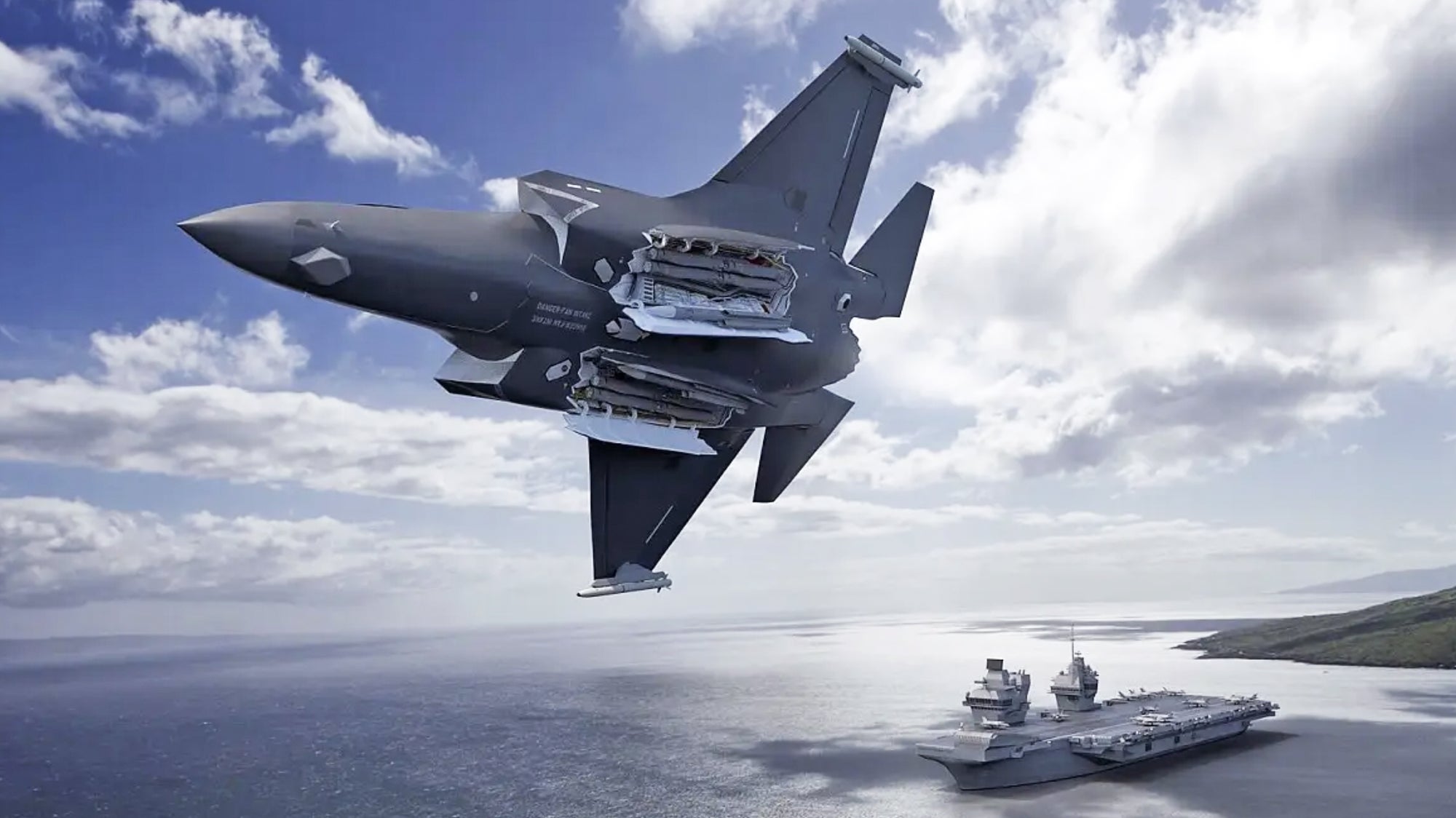
F-35 To Get Meteor, SPEAR 3 Missiles “By End Of Decade”
The new weapons will provide an especially lethal combination with the F-35’s stealth and forthcoming upgraded sensors.
 www.thedrive.com

- Joined
- 3 June 2011
- Messages
- 20,033
- Reaction score
- 17,239
No it isn't. Ukraine is the last place we'd want to sell them to.It’s a shame those Turkish F-35s aren’t going to Ukraine, given all the challenges there. Could really help unlock Russian SAM defenses and push Russian air support back, if used right.
Ainen
I really should change my personal text
- Joined
- 25 August 2011
- Messages
- 2,117
- Reaction score
- 3,606
With SDB Is?F35 is gonna be a SEAD monster, hell already is.
With SDB Is?
Probably good enough for medium range systems.
Scott Kenny
ACCESS: USAP
- Joined
- 15 May 2023
- Messages
- 17,001
- Reaction score
- 24,130
8x SDB 1s on a non-moving target is most of a battery in terms of vehicles.With SDB Is?
SDB2 would add in terminal guidance and cooperative static target attack modes. But barring a heavy GPS denied environment, a SDB1 should be able to hit any target the F-35 can find, and the passive/active sensor options to do so seem diverse.
Scott Kenny
ACCESS: USAP
- Joined
- 15 May 2023
- Messages
- 17,001
- Reaction score
- 24,130
If you're not in a GPS-degraded environment, SDB2 is for moving targets.SDB2 would add in terminal guidance and cooperative static target attack modes. But barring a heavy GPS denied environment, a SDB1 should be able to hit any target the F-35 can find, and the passive/active sensor options to do so seem diverse.
WatcherZero
ACCESS: Top Secret
- Joined
- 22 May 2023
- Messages
- 1,037
- Reaction score
- 2,644
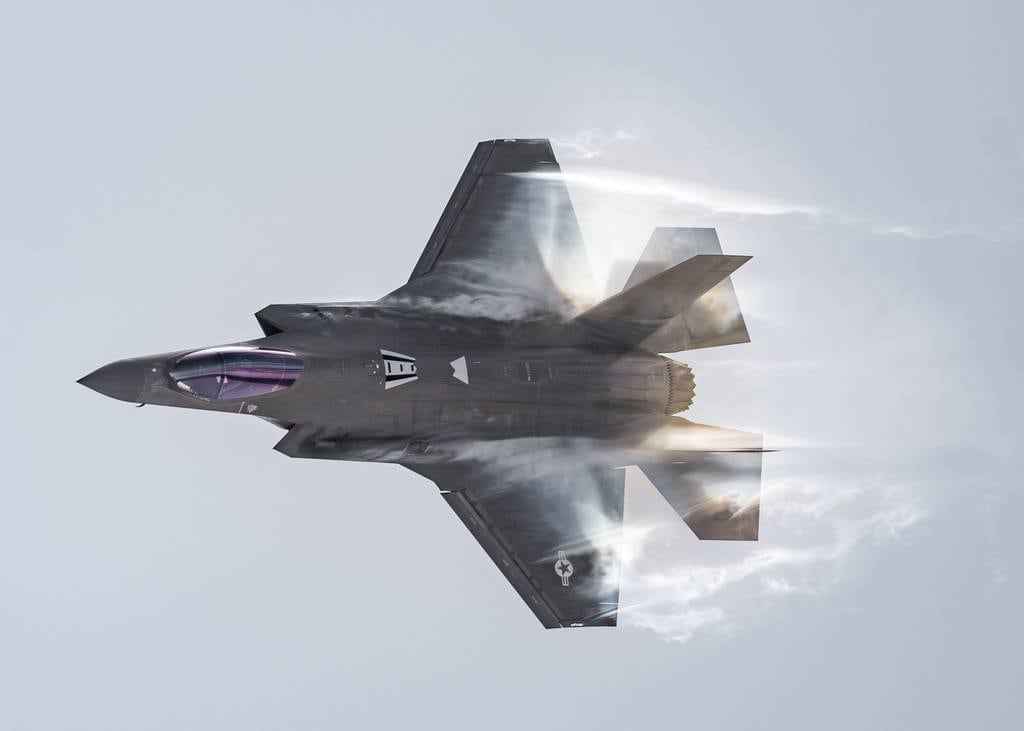
Upgraded F-35 deliveries slipping to fall 2024, Lockheed says
If the F-35 upgrades known as Technology Refresh 3 aren't ready for deliveries to resume in the third quarter, Lockheed said it may slow down production.
 www.defensenews.com
Ainen
I really should change my personal text
- Joined
- 25 August 2011
- Messages
- 2,117
- Reaction score
- 3,606
SAM launchers are notoriously moving and vengeful types of targets, and ones that are rather hard to pinpoint passively to get a direct hit (SDB isn't exactly an area weapon). Most aren't emitting in the first place.8x SDB 1s on a non-moving target is most of a battery in terms of vehicles.
This is what AARGM-ERs are for - in the future.
SDB-2 is still in the future for the F-35 fleet.If you're not in a GPS-degraded environment, SDB2 is for moving targets.
Right now it's AMRAAM, Sidewinder/ASRAAM, JDAM/Paveway, and SDB-1.
With this weapon set, claiming to already be a superior suppressor (when it literally can't do suppression, only destruction) is wildly optimistic. It will eventually be, yes; though the longer it takes, the higher the chance a viable competition will come out - rises linearly.
It just shouldn't have taken this long.
Last edited:
FighterJock
ACCESS: Above Top Secret
- Joined
- 29 October 2007
- Messages
- 6,702
- Reaction score
- 7,926
You are right about the length of time the Stormbreaker bomb has taken to come into service with the F-35 Ainen, I am surprised at the whole thing taking so long.

Colonial-Marine
UAVs are now friend, drones are the real enemy.
- Joined
- 5 October 2009
- Messages
- 1,646
- Reaction score
- 1,696
So much of the work related to weapons integration and general software development for the program seems to have moved at a glacial pace. It seems like it has been more of a problem than anything encountered related to the airframe or engine.
Similar threads
-
Lockheed Martin F-16 Fighting Falcon Developments
- Started by seruriermarshal
- Replies: 698
-

-

-
 Lockheed JSF evolution: ASTOVL, SSF, CALF, JAST
- Started by Antonio
- Replies: 175
-
 USAF/USN 6th Gen Fighters - F/A-XX, F-X, NGAD, PCA, ASFS News & Analysis [2008- 2025]
- Started by Matej
- Replies: 10K