VPKI-173

You are using an out of date browser. It may not display this or other websites correctly.
You should upgrade or use an alternative browser.
You should upgrade or use an alternative browser.
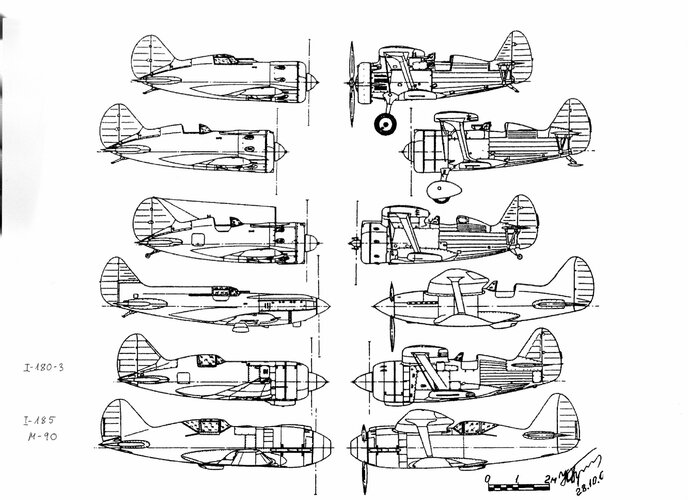
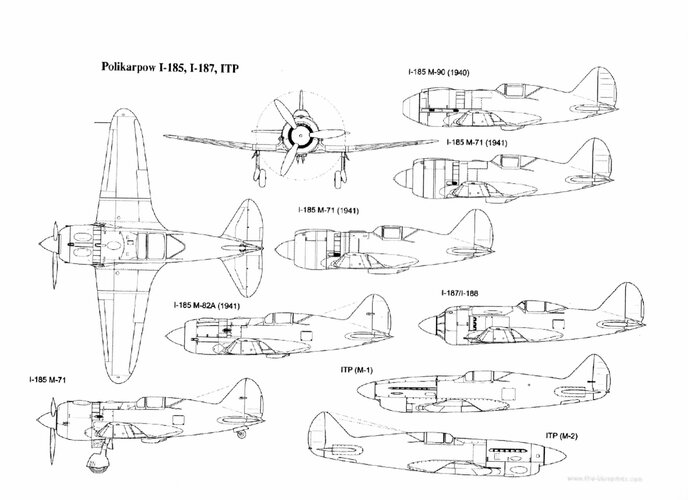
Various Polikarpov projects
- Thread starter Stargazer
- Start date
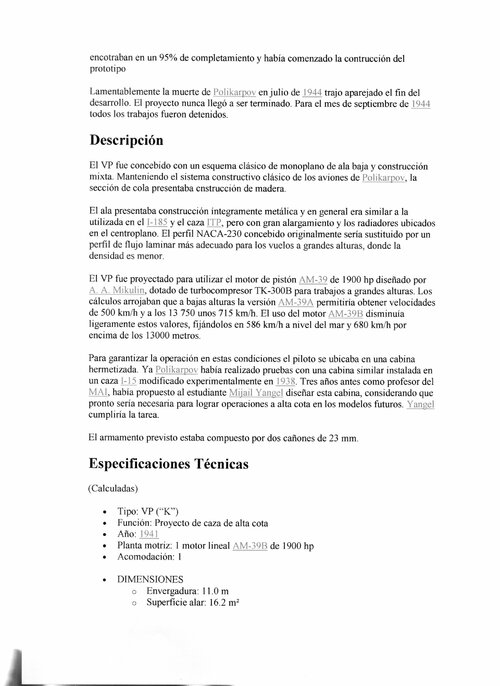
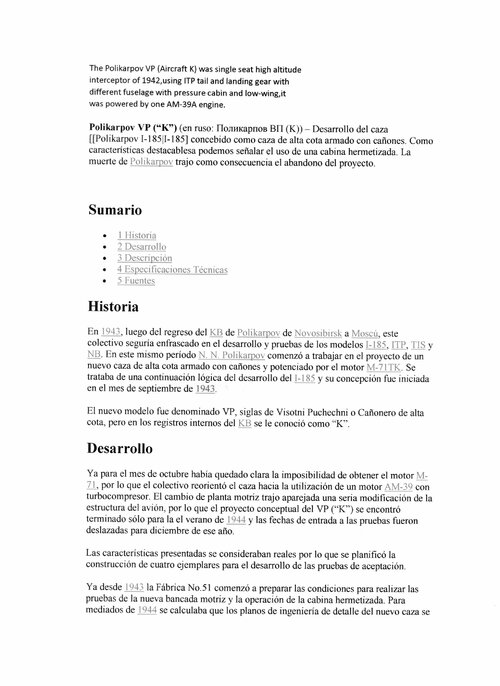
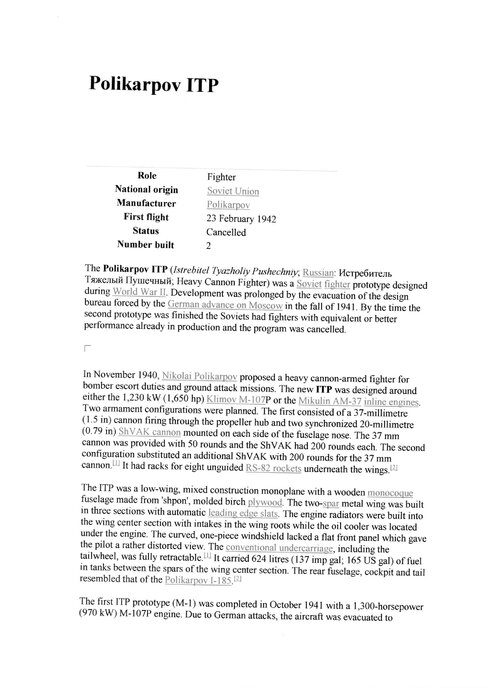
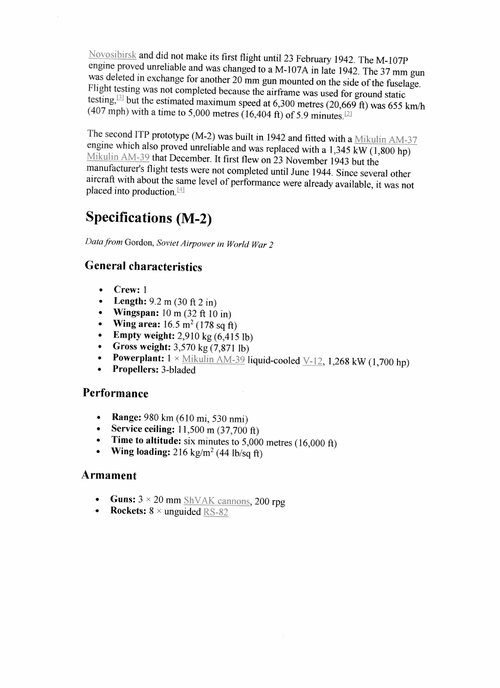
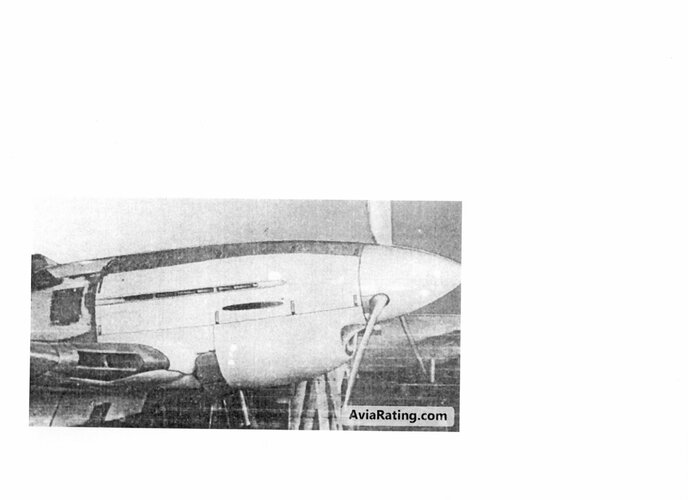
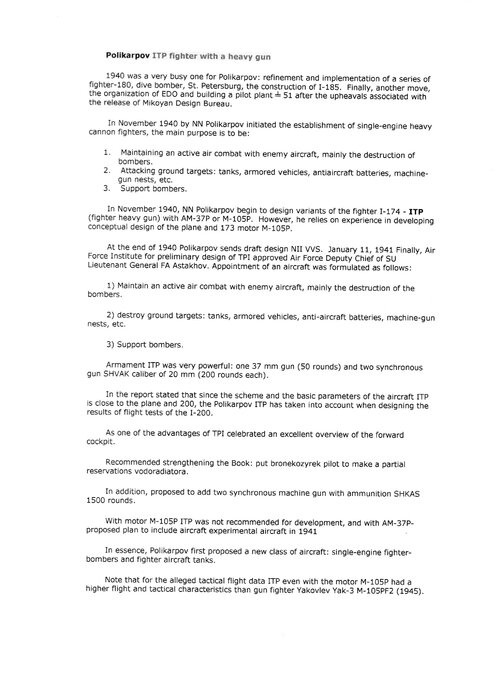
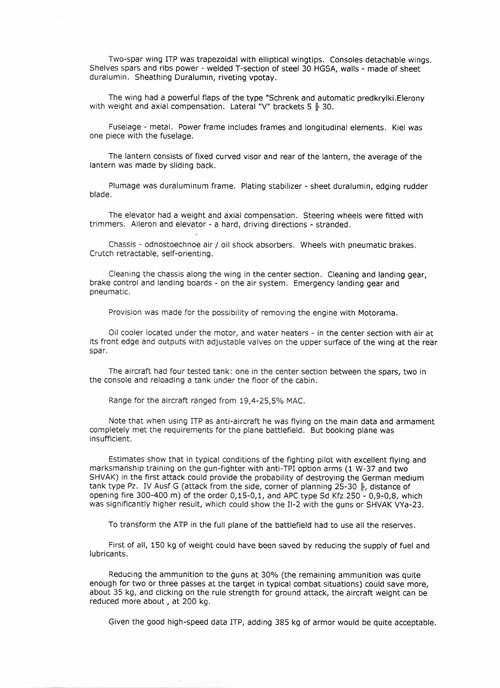
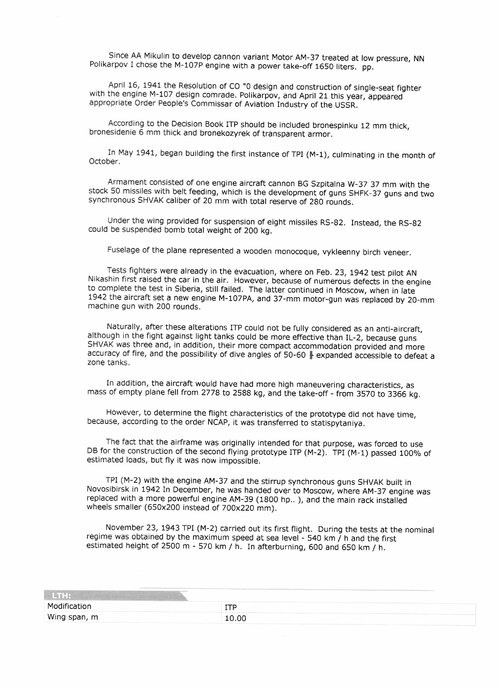
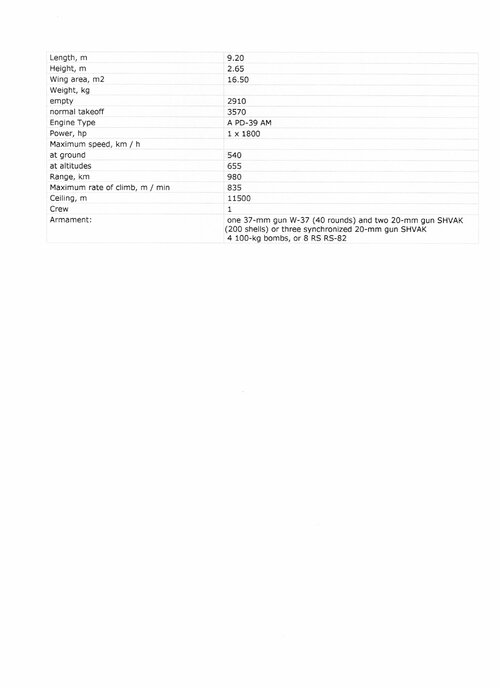
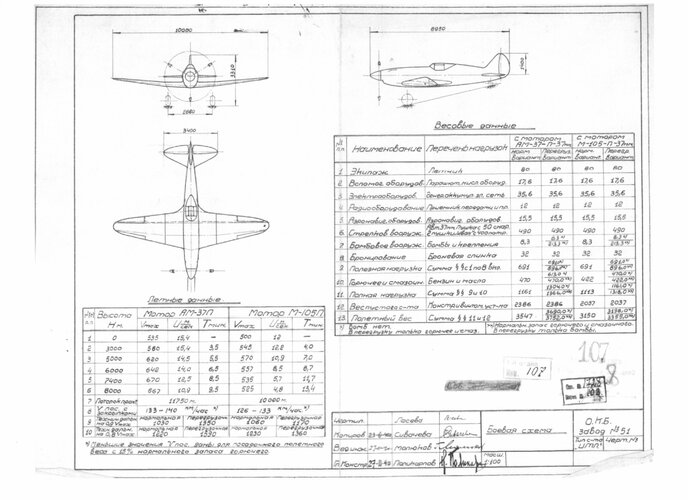
Post-2
Attachments
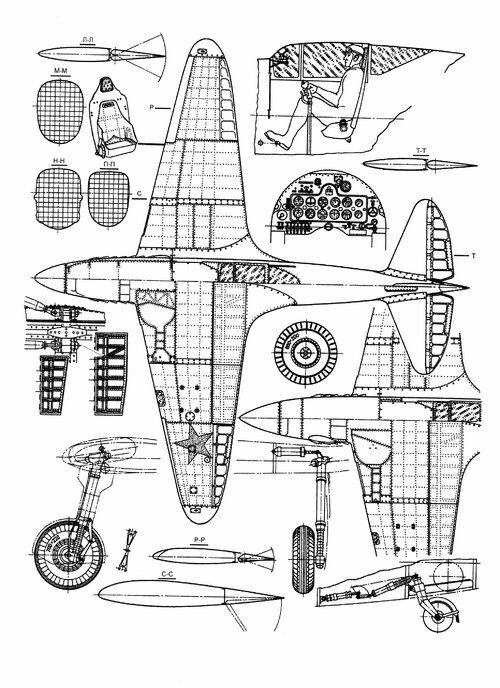
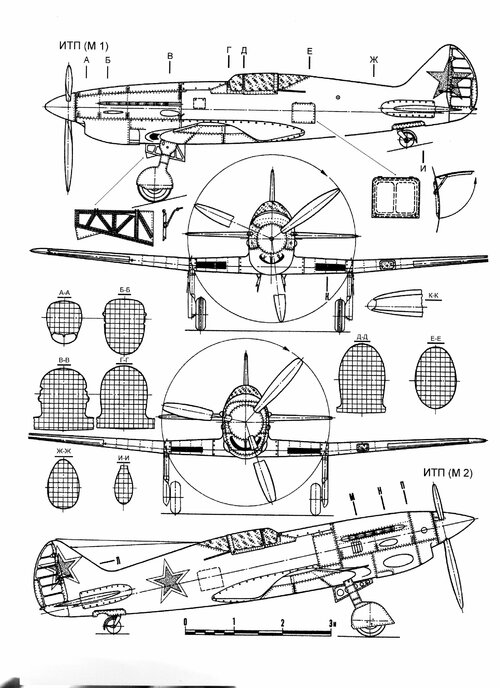
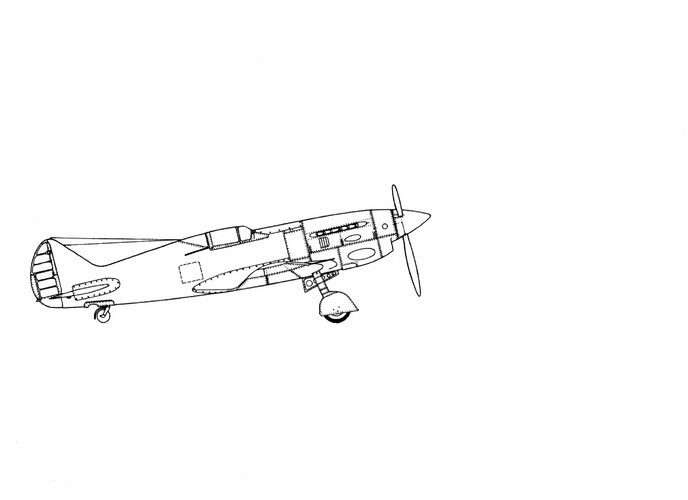
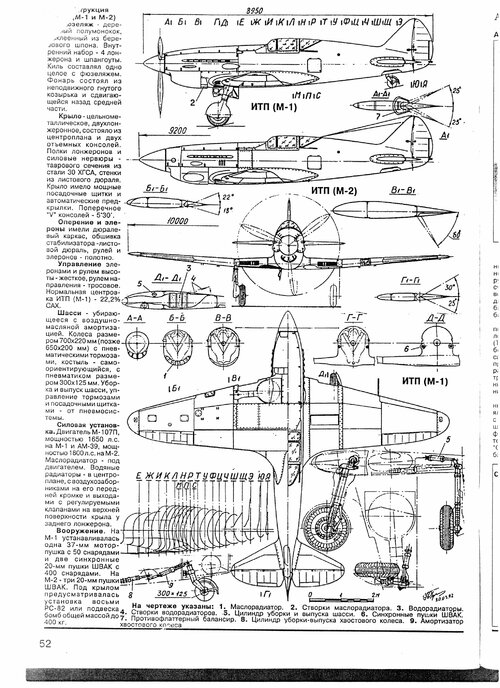
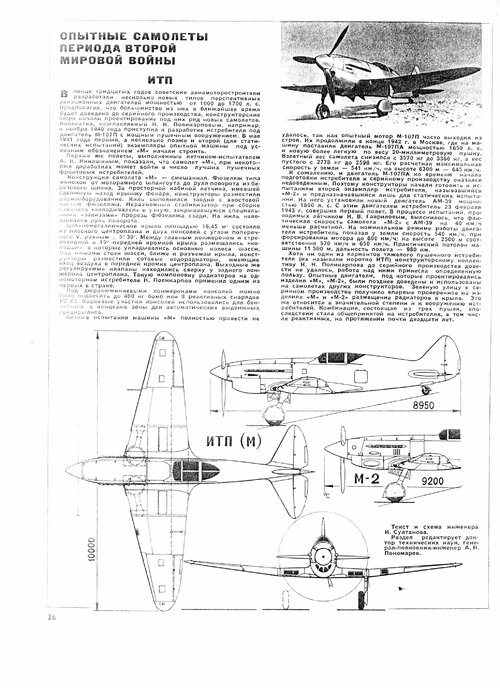
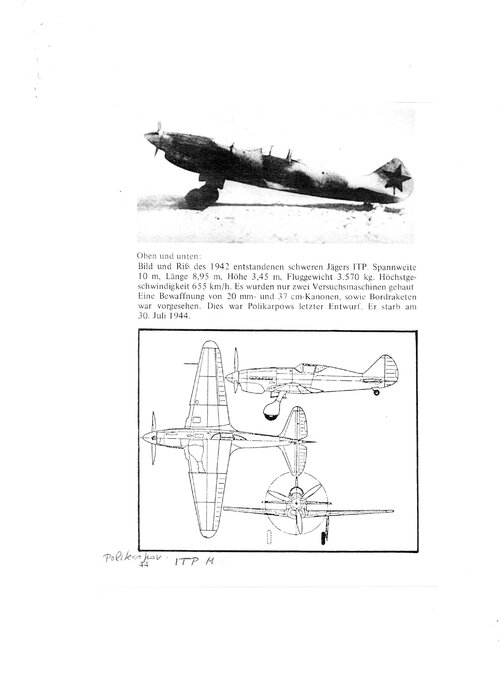
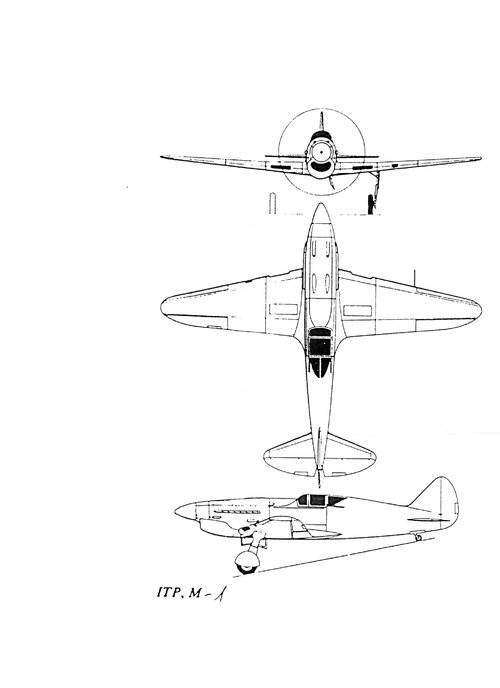
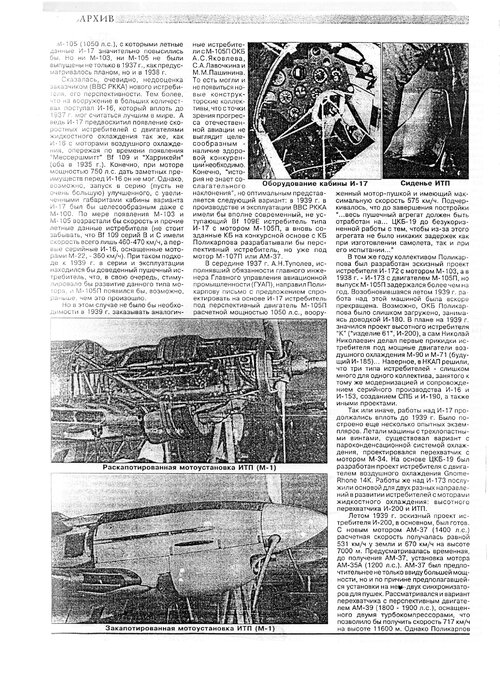
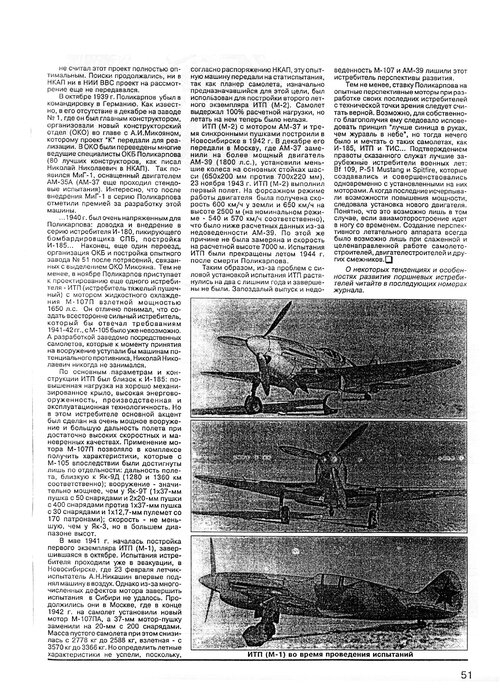
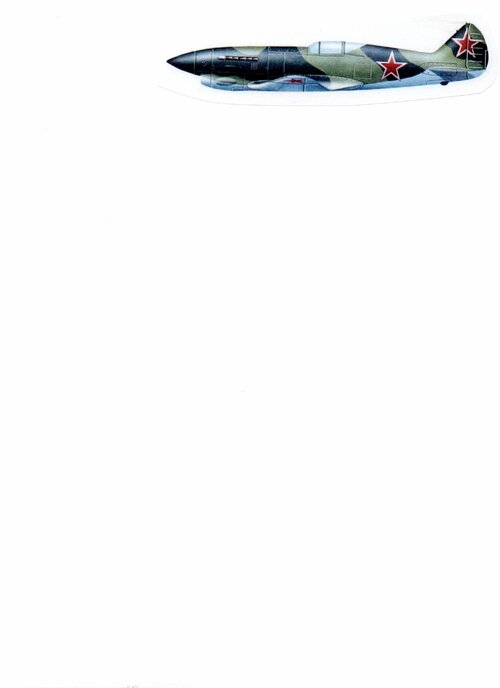
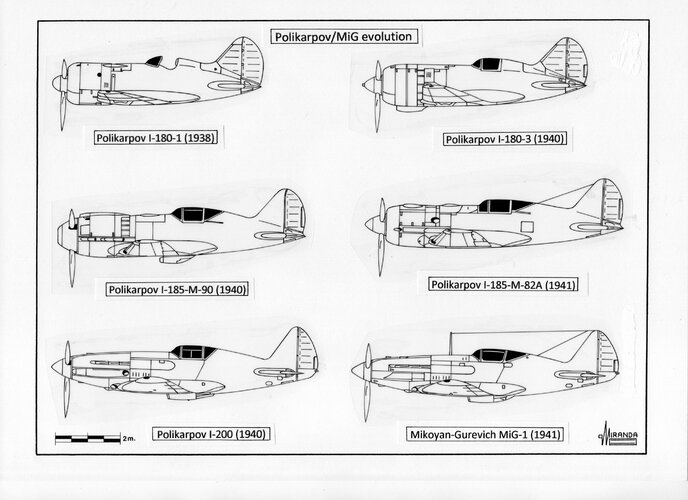
Polikarpov-MiG evolution
During the last months of 1940, the Luftwaffe’s special long-range reconnaissance unit Aufklärungsgruppe Ob.d.L. was operating a mixture of Dornier Do 215 B-4, Dornier Do 217 A-0, Junkers Ju 86 P-2 and Junkers Ju 86 R-1 spy planes.
The Gruppe began its operational life performing clandestine reconnaissance sorties in civil disguise, deep into the Soviet airspace, in preparation for Operation Barbarossa.
They took photographs of the Soviet defenses which were to play an important role when the Germans invaded Russia, in June 1941.
The Do 215 B-4 could fly at 29,520 ft. (9,000 m) altitude and 292 mph (470 km/h) top speed, the Do 217 A-0 at 24,928 ft. (7,600 m) and 298 mph (480 km/h), the Ju 86 P-2 at 41,000 ft. (12,500 m) and 224 mph (360 km/h), and the Ju 86 R-1 at 47,232 ft. (14,400 m) and 261 mph (420 km/h).
By mid-1941 some Henschel Hs 130 A-0 preproduction airplanes started its operational evaluation with the Aufklärungsgruppe Ob.d.L. reaching 43,300 ft. (13,200 m) absolute ceiling and 292 mph (470 km/h) top speed, but the OKL dismissed its serial production because of the weak opposition made by Soviet fighters.
The I-200 high-altitude Soviet interceptor was designed in 1939 by the Polikarpov Design Bureau, inheriting all the deficiencies of its lineage and thus proving the correctness of the Latin sentence Errare humanum est, sed perseverare, diabolicum. (To err is human, but to persist is diabolical).
The extremely short fuselage had originally been designed for the I-185 fighter (powered by one radial engine) and was totally inadequate to compensate for the long and heavy AM-35A V-12 engine, with 1,350 hp.
During the flight tests performed on August 29, 1940, the prototype showed longitudinal instability, heavy control, and a dangerous tendency to flat spin.
It was difficult to fly and deadly in combat for an inexperienced pilot. Its instability at high speeds could make aerial gunnery difficult and requiring constant pilot intervention to remain on target.
A feature common to all Polikarpov fighters was the ‘snaking effect’ that affected weapon accuracy during combat maneuvers.
The triangular wing planform, with leading and trailing edge sweep and larger roots that tapered to the tips, were the cheapest compromise between performance, strength and drag. It was strong at the root, light at the tips and easy to build, and could be lethal, because the strongly tapered wings had a dangerous tendency to low-speed stall.
In combat, the I-200 was prone to spinning out of a steep banking turn. Despite the seriousness of the shortcomings displayed by the prototype, it was ordered into immediate mass production, as OKO MiG-1, in September 1940.
Some aircraft from GAZ-1 were delivered to the VVS-RKKA (Soviet Air Force) and PVO (Soviet Air Defense Force) in April 1941, but little is known of their performance in combat because more than half of all Soviet fighters were destroyed on the ground or in the air within 48 hours of the Luftwaffe assault.
OKO MiG-1 technical data
Wingspan: 33.5 ft. (10.20 m), length: 26.8 ft. (8.16 m), height: 10.8 ft. (3.30 m), wing surface: 193 sq. ft. (17.44 sq. m), take-off weight: 6,841 lb. (3,099 Kg), maximum speed: 390 mph (628 km/h), design ceiling: 39,360 ft. (12,000 m, armament: two nose mounted ShKAS and one USB heavy machine gun of 12.7 mm.
During the last months of 1940, the Luftwaffe’s special long-range reconnaissance unit Aufklärungsgruppe Ob.d.L. was operating a mixture of Dornier Do 215 B-4, Dornier Do 217 A-0, Junkers Ju 86 P-2 and Junkers Ju 86 R-1 spy planes.
The Gruppe began its operational life performing clandestine reconnaissance sorties in civil disguise, deep into the Soviet airspace, in preparation for Operation Barbarossa.
They took photographs of the Soviet defenses which were to play an important role when the Germans invaded Russia, in June 1941.
The Do 215 B-4 could fly at 29,520 ft. (9,000 m) altitude and 292 mph (470 km/h) top speed, the Do 217 A-0 at 24,928 ft. (7,600 m) and 298 mph (480 km/h), the Ju 86 P-2 at 41,000 ft. (12,500 m) and 224 mph (360 km/h), and the Ju 86 R-1 at 47,232 ft. (14,400 m) and 261 mph (420 km/h).
By mid-1941 some Henschel Hs 130 A-0 preproduction airplanes started its operational evaluation with the Aufklärungsgruppe Ob.d.L. reaching 43,300 ft. (13,200 m) absolute ceiling and 292 mph (470 km/h) top speed, but the OKL dismissed its serial production because of the weak opposition made by Soviet fighters.
The I-200 high-altitude Soviet interceptor was designed in 1939 by the Polikarpov Design Bureau, inheriting all the deficiencies of its lineage and thus proving the correctness of the Latin sentence Errare humanum est, sed perseverare, diabolicum. (To err is human, but to persist is diabolical).
The extremely short fuselage had originally been designed for the I-185 fighter (powered by one radial engine) and was totally inadequate to compensate for the long and heavy AM-35A V-12 engine, with 1,350 hp.
During the flight tests performed on August 29, 1940, the prototype showed longitudinal instability, heavy control, and a dangerous tendency to flat spin.
It was difficult to fly and deadly in combat for an inexperienced pilot. Its instability at high speeds could make aerial gunnery difficult and requiring constant pilot intervention to remain on target.
A feature common to all Polikarpov fighters was the ‘snaking effect’ that affected weapon accuracy during combat maneuvers.
The triangular wing planform, with leading and trailing edge sweep and larger roots that tapered to the tips, were the cheapest compromise between performance, strength and drag. It was strong at the root, light at the tips and easy to build, and could be lethal, because the strongly tapered wings had a dangerous tendency to low-speed stall.
In combat, the I-200 was prone to spinning out of a steep banking turn. Despite the seriousness of the shortcomings displayed by the prototype, it was ordered into immediate mass production, as OKO MiG-1, in September 1940.
Some aircraft from GAZ-1 were delivered to the VVS-RKKA (Soviet Air Force) and PVO (Soviet Air Defense Force) in April 1941, but little is known of their performance in combat because more than half of all Soviet fighters were destroyed on the ground or in the air within 48 hours of the Luftwaffe assault.
OKO MiG-1 technical data
Wingspan: 33.5 ft. (10.20 m), length: 26.8 ft. (8.16 m), height: 10.8 ft. (3.30 m), wing surface: 193 sq. ft. (17.44 sq. m), take-off weight: 6,841 lb. (3,099 Kg), maximum speed: 390 mph (628 km/h), design ceiling: 39,360 ft. (12,000 m, armament: two nose mounted ShKAS and one USB heavy machine gun of 12.7 mm.
Attachments

Tonton-42
ACCESS: Secret
- Joined
- 10 May 2014
- Messages
- 405
- Reaction score
- 798
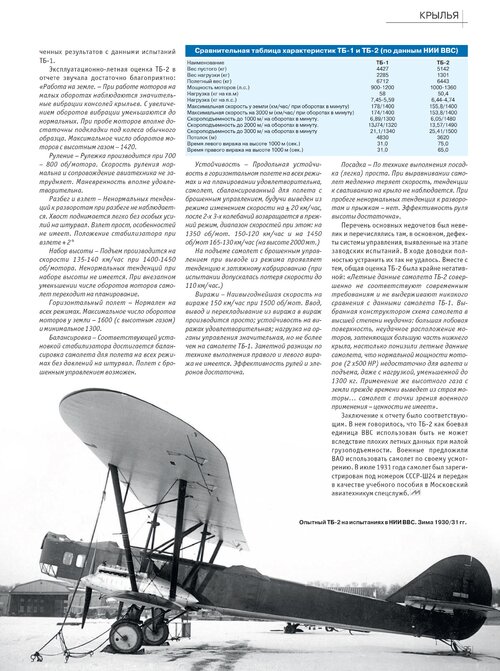
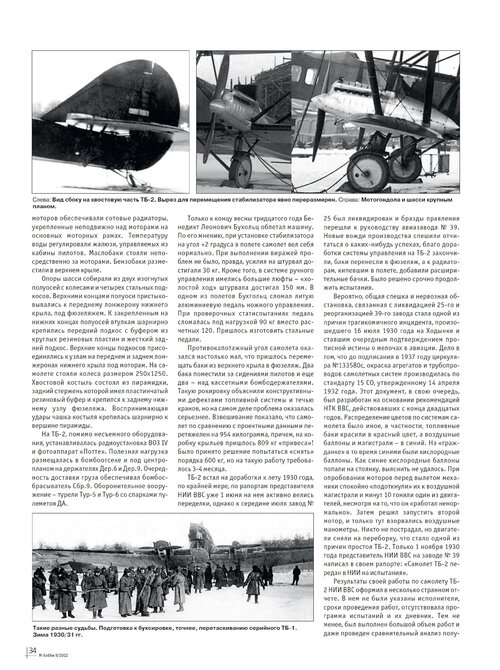
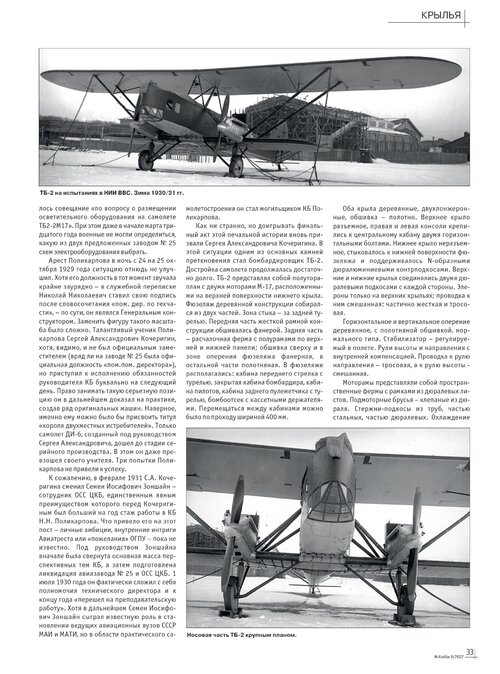
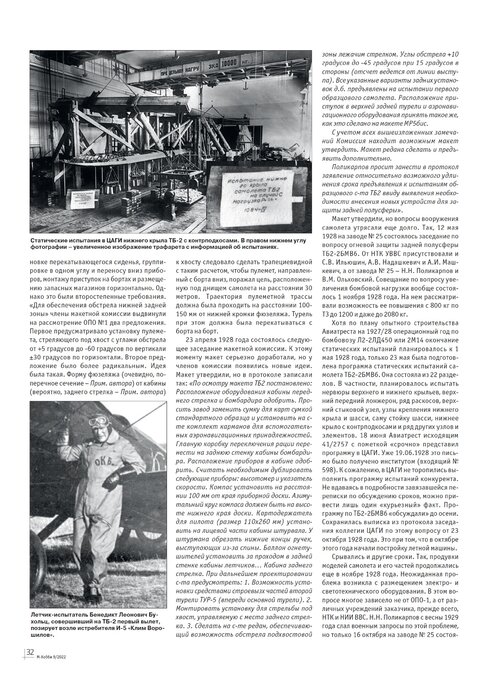
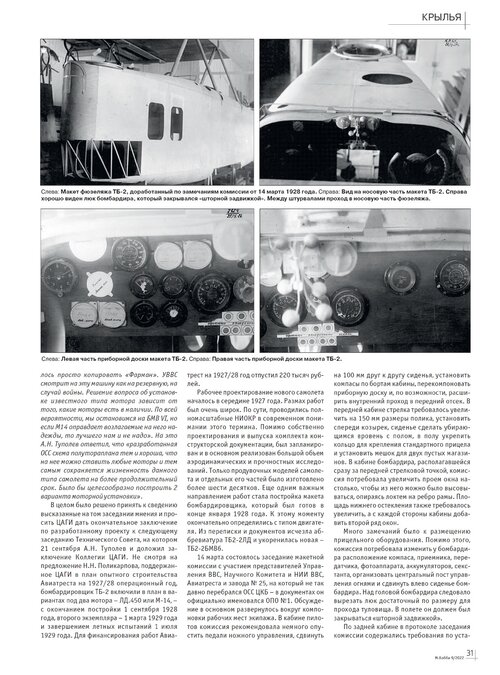
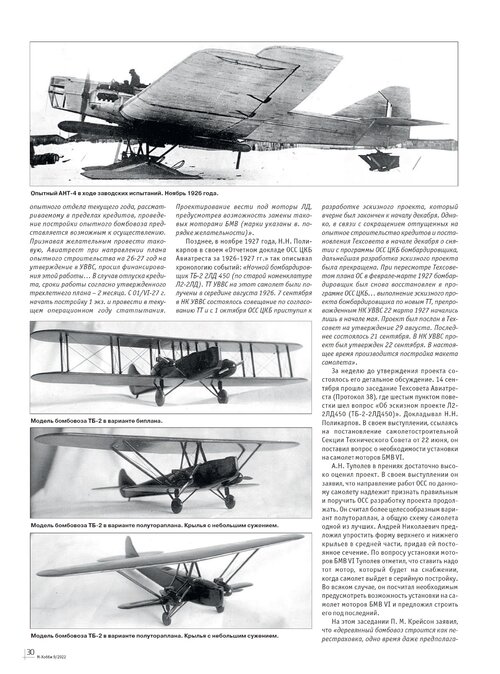
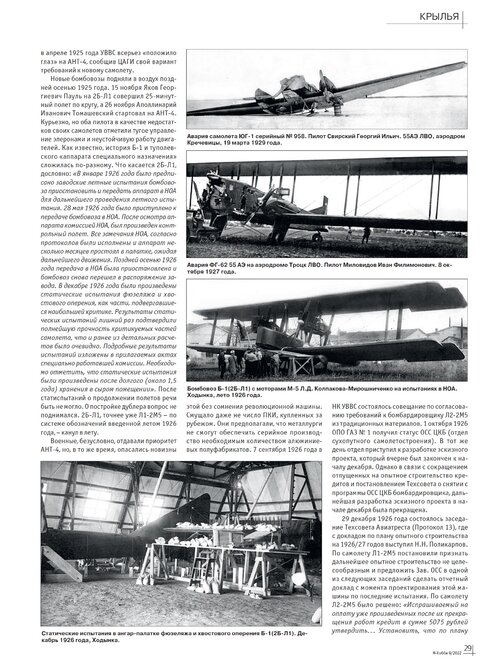
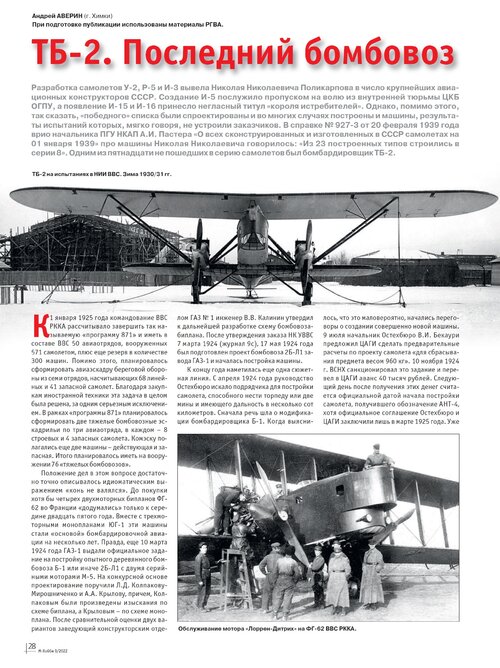
Found here https://ww2aircraft.net/forum/media/polikarpov-tb-2.23696/hesham said:Hi,
here is two Models to Polikarpov TB-2 bomber in different configurations.
Самолеты Н.Н. Поликарпова_Русавиа 2004
I've attached a drawing of the TB-2 that I found in my files. I don't know the source.


- Joined
- 26 May 2006
- Messages
- 38,288
- Reaction score
- 20,424
Hi,
I don't know if it is a real drawing to Polikarpov I-20,or just a speculative
paint ?.
https://alternathistory.livejournal.com/3884793.html
I don't know if it is a real drawing to Polikarpov I-20,or just a speculative
paint ?.
https://alternathistory.livejournal.com/3884793.html
Attachments
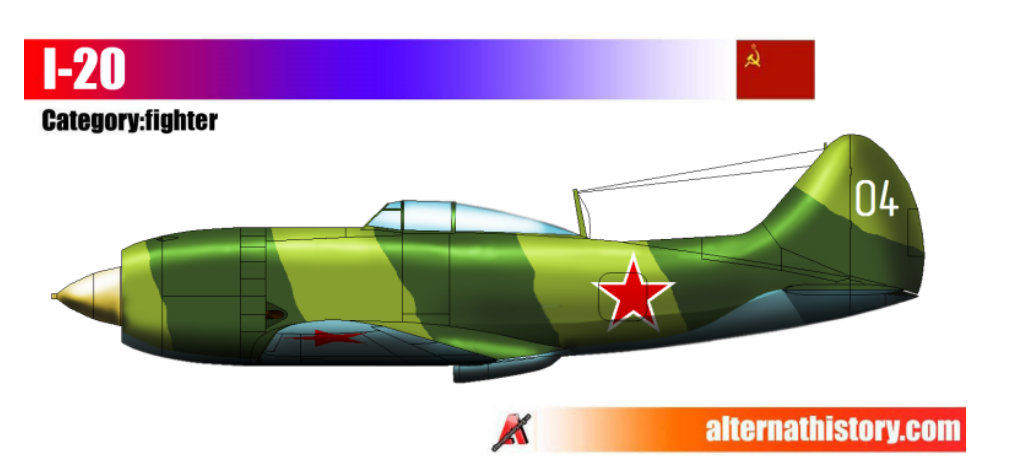
It also says an alternative story, that is, bullshitHi,
I don't know if it is a real drawing to Polikarpov I-20,or just a speculative
paint ?.
https://alternathistory.livejournal.com/3884793.html
- Joined
- 26 May 2006
- Messages
- 38,288
- Reaction score
- 20,424
Attachments

- Joined
- 25 June 2009
- Messages
- 15,515
- Reaction score
- 9,447
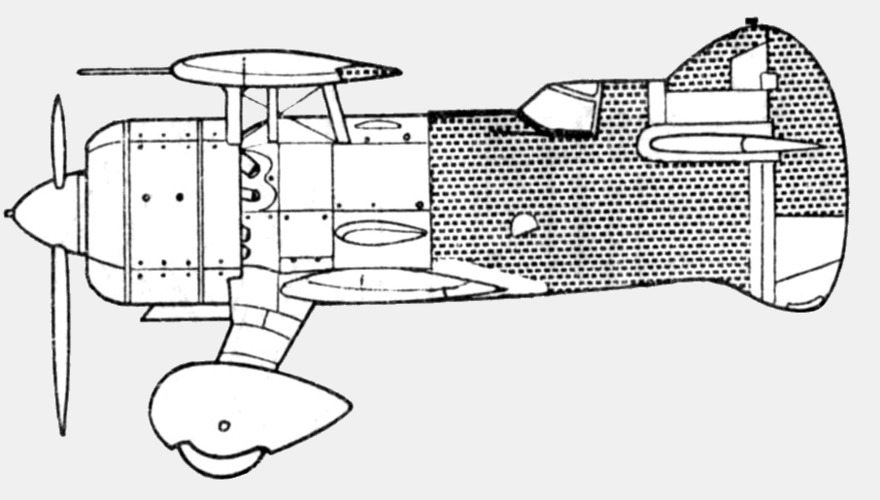
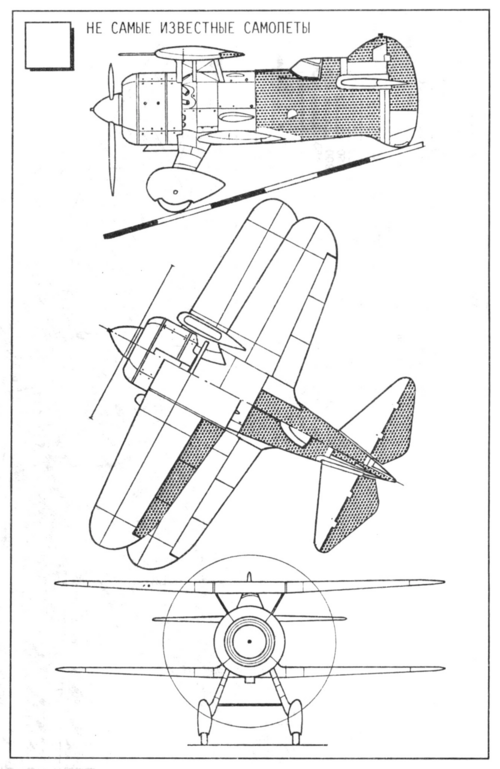
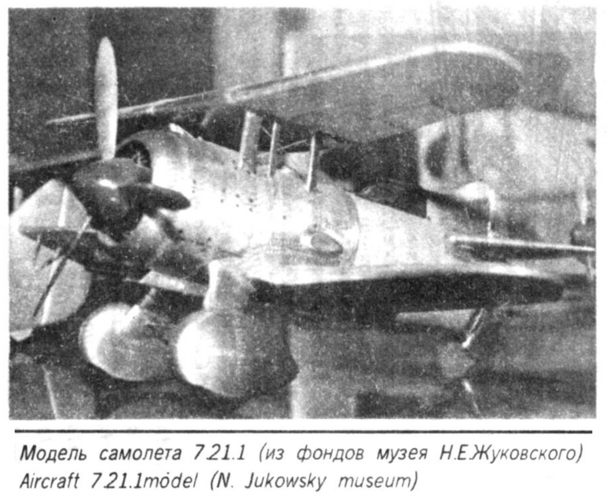
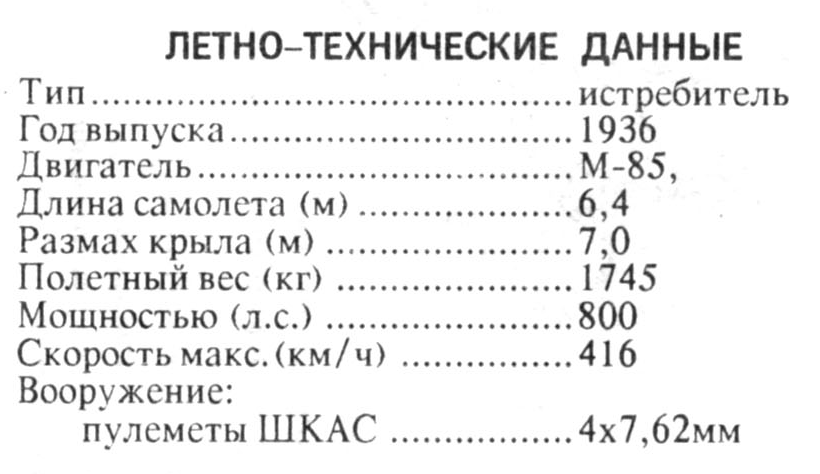
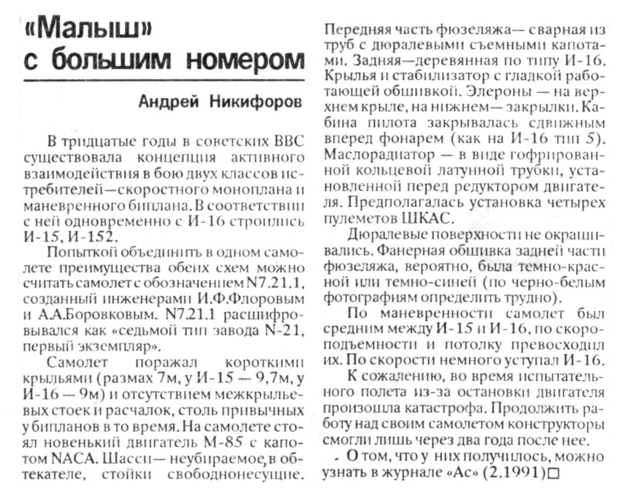
I am not 100% this is a Polikarpov project, but the article speaks of the I-15, I-152 and I-16.
Also, if this project has been discussed elsewhere before, forgive me, but I couldn't find it via the search engine.
It is only known as "aircraft N7.21.1". I can decipher Russian, but I don't understand it enough to make out what the article says.
So any help in understanding where this design stands in the I-15 family (if it does) will be appreciated!

Also, if this project has been discussed elsewhere before, forgive me, but I couldn't find it via the search engine.
It is only known as "aircraft N7.21.1". I can decipher Russian, but I don't understand it enough to make out what the article says.
So any help in understanding where this design stands in the I-15 family (if it does) will be appreciated!
Attachments
- Joined
- 26 May 2006
- Messages
- 38,288
- Reaction score
- 20,424
I am not 100% this is a Polikarpov project, but the article speaks of the I-15, I-152 and I-16.
Also, if this project has been discussed elsewhere before, forgive me, but I couldn't find it via the search engine.
It is only known as "aircraft N7.21.1". I can decipher Russian, but I don't understand it enough to make out what the article says.
So any help in understanding where this design stands in the I-15 family (if it does) will be appreciated!
View attachment 725173
I think it was Borovkov/Florov,
https://www.secretprojects.co.uk/threads/borovkov-florov-advanced-biplanes.15103/#post-256965
- Joined
- 25 June 2009
- Messages
- 15,515
- Reaction score
- 9,447
I'm feeling a bit stupid now for not realizing that "N7.21.1" meant the same as the "7211" prototype, which of course I had in my files. Thanks.

- Joined
- 7 June 2009
- Messages
- 534
- Reaction score
- 193
I-173
This one (especially these pictures) is pure fiction. Here is the source of them:
https://alternathistory.ru/dlinnaya-doroga-ot-semnadtsati-do-edinitsy-i-173/
It's a What-if story in which I-173 project was started by Polikarpov but then transferred to Lavochkin and became a mass-produced fighter named "LaGG-1". By the way, Yak fighter family doesn't exist in this alternative universe (as Yakovlev stood focused on his Yak-2/4 multirole twin-engine aircraft).
Nobody knows how did actual I-173 project look like (and even was it developed enough to have a definite shape), but surely it wasn't a cross between I-16 and LaGG-3.
Last edited:
- Joined
- 7 June 2009
- Messages
- 534
- Reaction score
- 193
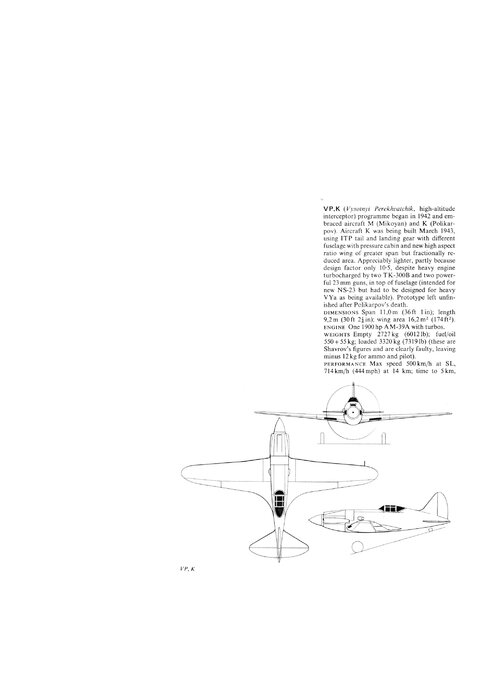
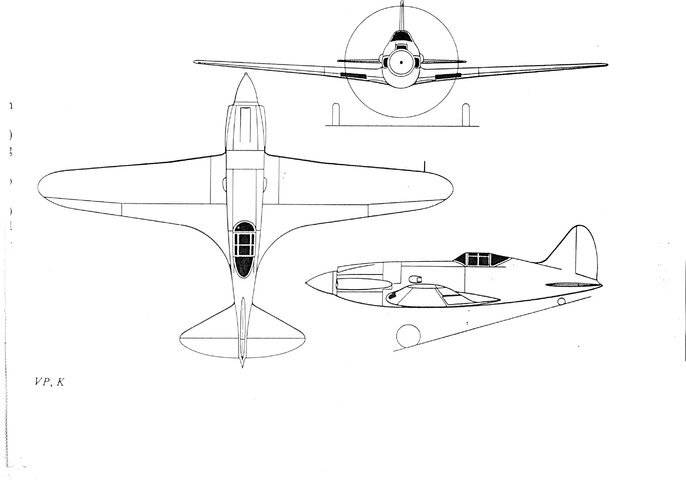
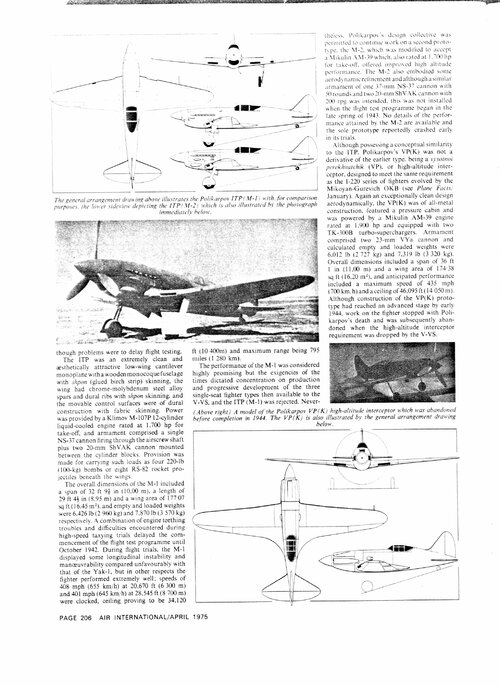
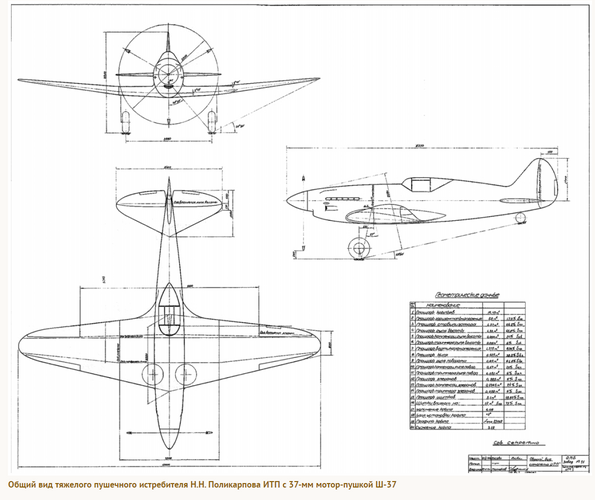
Not "VPK", but simply VP (Vysotnyi Perekhvatscik - high-altitude interceptor) or Aircraft "K". And your drawing depicts its rear fuselage made of riveted metal - it seems doubtful for me, as Polikarpov preferred wooden semi-monocoque design for this part of his fighters. Was your decision based on some info sources?
- Joined
- 26 May 2006
- Messages
- 38,288
- Reaction score
- 20,424
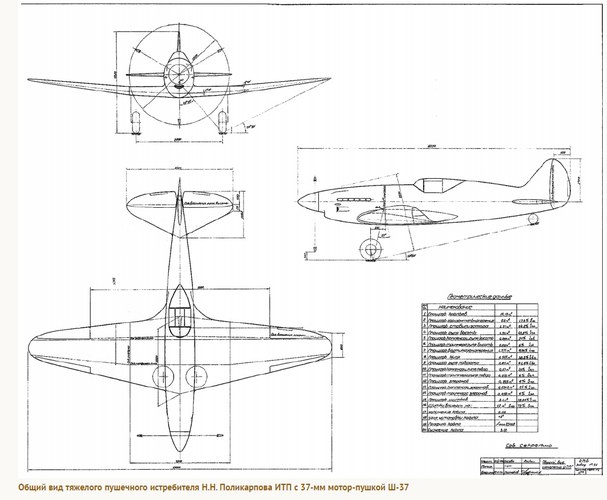
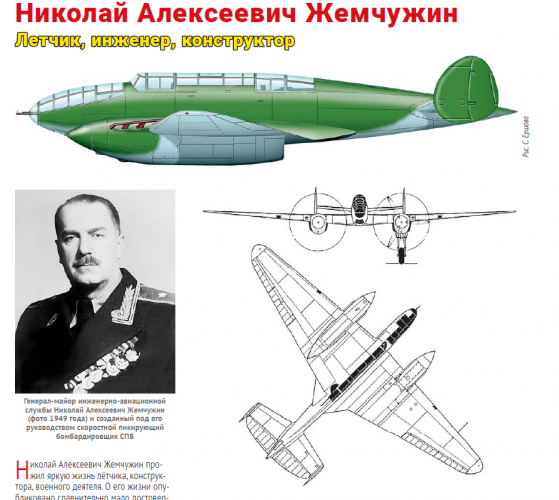
From this magazine.
Attachments
On December 19, 1944, the Yak-3 M prototype reached 463 mph (745 km/h) powered by one 1,800 hp. VK-108 V-12. It was the fastest of all piston-engine Soviet airplanes only surpassed at the time by the American prototypes XP-47J, XP-72, XP-51F and XP-51G, but this experimental engine showed constant overheating and vibration problems, and flight testing was halted on March 8, 1945. Despite its excellent performance the Yak-3 M project was abandoned in favor of a new class of mixed power plant fighters.
Yak-3 M technical data
Wingspan: 30 ft. (9.2 m), length: 28 ft. (8.55 m), height: 7.9 ft. (2.42 m), wing surface: 165 sq. ft. (14.85 sq. m), take-off weight: 5,464 lb. (2,896 Kg).
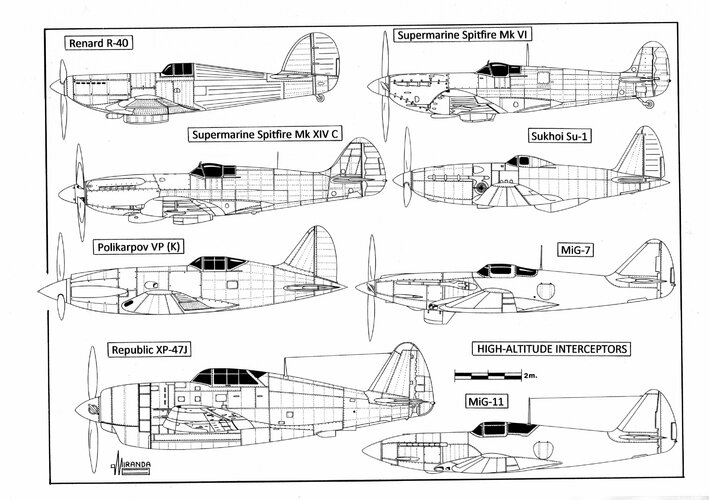
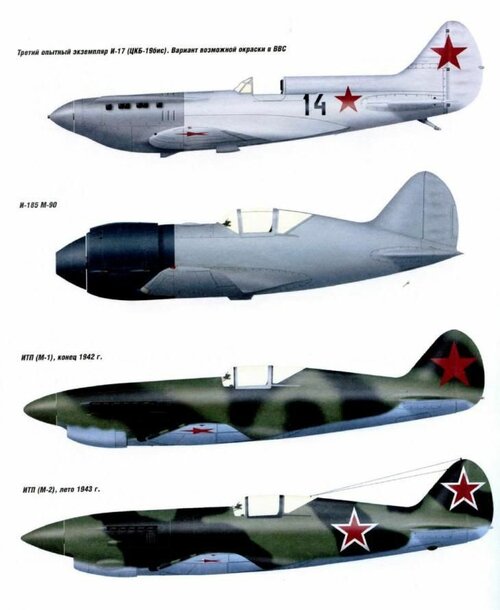
The Soviet industry proved to be unable to build efficient turbo-superchargers during the war and all the programs for the construction of the high-altitude interceptors (MiG-7, MiG-11, Polikarpov ITP, M, Sukhoi Su-1, Su-3 and Yak-9PD) were affected by that.
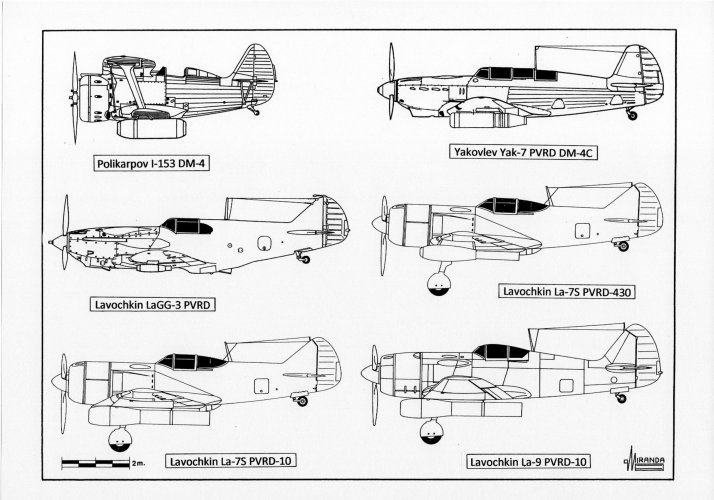
In 1943 one Lavochkin LaGG-3 PVRD of the 11th Series was tested with two Bocharev ramjets mounted in the underwings bomb racks. The speed gain over the LaGG-3 standard was only 19 mph, but the ramjets imposed 31 mph drag penalty when not operating.
Lavochkin LaGG-3 PVRD technical data
Wingspan: 32 ft. (9.8 m), length: 28.8 ft. (8.81 m), height: 14.4 ft. (4.4 m), wing surface: 188 sq. ft. (17.5 sq. m), take-off weight: 6,543 lb. (2,968 Kg).
In March 1944 the Yak-7 PVRD (Nº 820803) was flown with two wing mounted Merkulov DM-4C ramjets, the speed gain was 12 mph.
Yak-7 PVRD technical data
Wingspan: 32.8 ft. (10 m), length: 27.9 ft. (8.5 m), height: 9 ft. (2.75 m), wing surface: 190.5 sq. ft. (17.15 sq. m), take-off weight: 6,675 lb. (3,024 Kg).
In August 1946 the Lavochkin La-7S/D-10 PVRD prototype was tested with two Tchelomei RD-13 pulsejets (the Soviet version of the Argus As 109-014 captured at Berlin-Reinichendorf) mounted under the wings. The aircraft was expected to reach 497 mph but could not exceed 416 mph due to the drag.
Lavochkin La-7S/D-10 PVRD technical data
Wingspan: 32 ft. (9.8 m), length: 28.4 ft. (8.67 m), height: 9 ft. (2.7 m), wing surface: 189.3 sq. ft. (17.59 sq. m), take-off weight: 8,170 lb. (3,701 Kg).
Also in September 1944, the Lavochkin La-9 PVRD (La-126) experimental airplane flowed, fitted with two wing mounted Bondaryuk PVRD-430 ramjets.
The 430 was aerodynamically cleaner than the Merkulov 45, proving better performance, but the speed gain of both prototypes was 40 mph only, with 37 mph drag.
Lavochkin La-9 PVRD technical data
Wingspan: 32 ft. (9.8 m), length: 28.3 ft. (8.63 m), height: 11.7 ft. (3.56 m), wing surface: 197 sq. ft. (17.72 sq. m), take-off weight: 7,230 lb. (3,275 Kg).
The Lavochkin La-9 RD, with two RD-13/D-10 pulsejets, 419 mph top speed and 37 mph drag was tested in March 1947. The RD-13 only worked acceptably at low altitude, losing power very quickly above 9,000 ft. The operation of two pulsejets could not be synchronized, generating severe vibrations and worsening the handling.
Lavochkin La-9 RD technical data
Wingspan: 32 ft. (9.8 m), length: 28.3 ft. (8.63 m), height: 11.7 ft. (3.56 m), wing surface: 197 sq. ft. (17.72 sq. m), take-off weight: 7,024 lb. (3,182 Kg).
The ramjet’s thrust failed to exceed the aerodynamic drag of the engine nacelle, because the high-temperature internal deformation caused turbulence, produced during the combustion process, and dynamic instabilities in flight.
Trials were discontinued in 1948 when the GIRD scientist finally admitted that the thrust produced by the ramjet boosters was outweighed by the drag when not operating.
An evolutionary dead-end.
Yak-3 M technical data
Wingspan: 30 ft. (9.2 m), length: 28 ft. (8.55 m), height: 7.9 ft. (2.42 m), wing surface: 165 sq. ft. (14.85 sq. m), take-off weight: 5,464 lb. (2,896 Kg).
The Soviet industry proved to be unable to build efficient turbo-superchargers during the war and all the programs for the construction of the high-altitude interceptors (MiG-7, MiG-11, Polikarpov ITP, M, Sukhoi Su-1, Su-3 and Yak-9PD) were affected by that.
In 1943 one Lavochkin LaGG-3 PVRD of the 11th Series was tested with two Bocharev ramjets mounted in the underwings bomb racks. The speed gain over the LaGG-3 standard was only 19 mph, but the ramjets imposed 31 mph drag penalty when not operating.
Lavochkin LaGG-3 PVRD technical data
Wingspan: 32 ft. (9.8 m), length: 28.8 ft. (8.81 m), height: 14.4 ft. (4.4 m), wing surface: 188 sq. ft. (17.5 sq. m), take-off weight: 6,543 lb. (2,968 Kg).
In March 1944 the Yak-7 PVRD (Nº 820803) was flown with two wing mounted Merkulov DM-4C ramjets, the speed gain was 12 mph.
Yak-7 PVRD technical data
Wingspan: 32.8 ft. (10 m), length: 27.9 ft. (8.5 m), height: 9 ft. (2.75 m), wing surface: 190.5 sq. ft. (17.15 sq. m), take-off weight: 6,675 lb. (3,024 Kg).
In August 1946 the Lavochkin La-7S/D-10 PVRD prototype was tested with two Tchelomei RD-13 pulsejets (the Soviet version of the Argus As 109-014 captured at Berlin-Reinichendorf) mounted under the wings. The aircraft was expected to reach 497 mph but could not exceed 416 mph due to the drag.
Lavochkin La-7S/D-10 PVRD technical data
Wingspan: 32 ft. (9.8 m), length: 28.4 ft. (8.67 m), height: 9 ft. (2.7 m), wing surface: 189.3 sq. ft. (17.59 sq. m), take-off weight: 8,170 lb. (3,701 Kg).
Also in September 1944, the Lavochkin La-9 PVRD (La-126) experimental airplane flowed, fitted with two wing mounted Bondaryuk PVRD-430 ramjets.
The 430 was aerodynamically cleaner than the Merkulov 45, proving better performance, but the speed gain of both prototypes was 40 mph only, with 37 mph drag.
Lavochkin La-9 PVRD technical data
Wingspan: 32 ft. (9.8 m), length: 28.3 ft. (8.63 m), height: 11.7 ft. (3.56 m), wing surface: 197 sq. ft. (17.72 sq. m), take-off weight: 7,230 lb. (3,275 Kg).
The Lavochkin La-9 RD, with two RD-13/D-10 pulsejets, 419 mph top speed and 37 mph drag was tested in March 1947. The RD-13 only worked acceptably at low altitude, losing power very quickly above 9,000 ft. The operation of two pulsejets could not be synchronized, generating severe vibrations and worsening the handling.
Lavochkin La-9 RD technical data
Wingspan: 32 ft. (9.8 m), length: 28.3 ft. (8.63 m), height: 11.7 ft. (3.56 m), wing surface: 197 sq. ft. (17.72 sq. m), take-off weight: 7,024 lb. (3,182 Kg).
The ramjet’s thrust failed to exceed the aerodynamic drag of the engine nacelle, because the high-temperature internal deformation caused turbulence, produced during the combustion process, and dynamic instabilities in flight.
Trials were discontinued in 1948 when the GIRD scientist finally admitted that the thrust produced by the ramjet boosters was outweighed by the drag when not operating.
An evolutionary dead-end.
Attachments
Similar threads
-
Popular singer and respected aviation writer Herbert Leonard passes at age 80
- Started by TomcatViP
- Replies: 1
-
 Breguet 1180 and other projects for French Minerve Program
- Started by Deltafan
- Replies: 25
-
List of reference books by period or manufacturer: French aircraft
- Started by c460
- Replies: 35
-
Polikarpov I-16 versus Messerschmitt Bf 109 B-1 in Spain
- Started by Justo Miranda
- Replies: 10
-