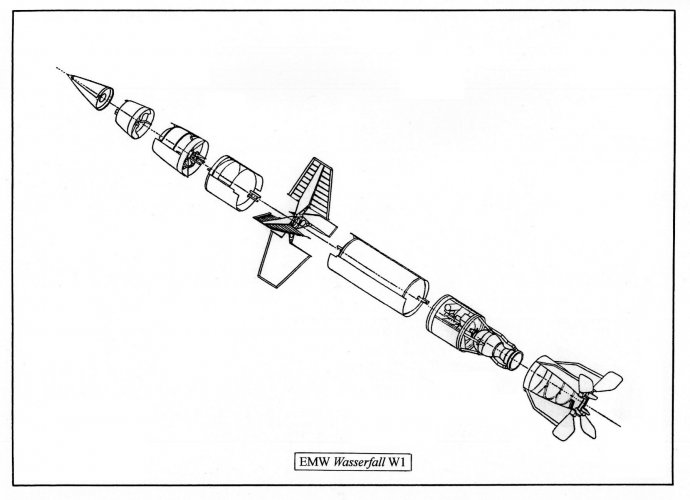
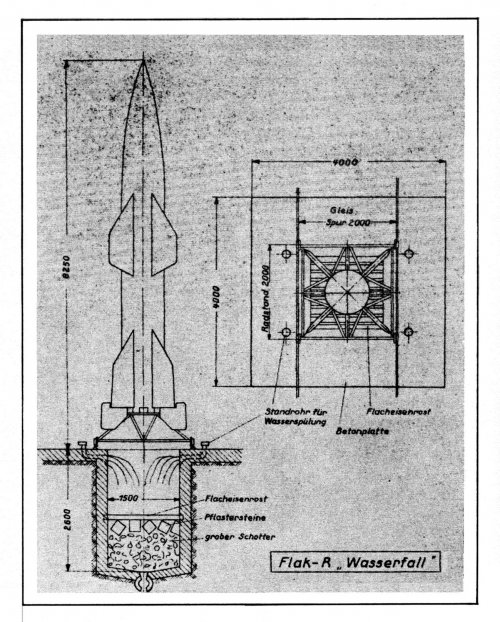
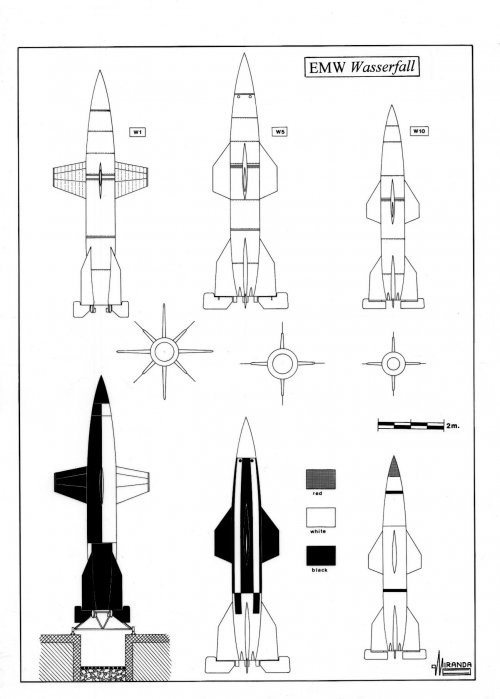
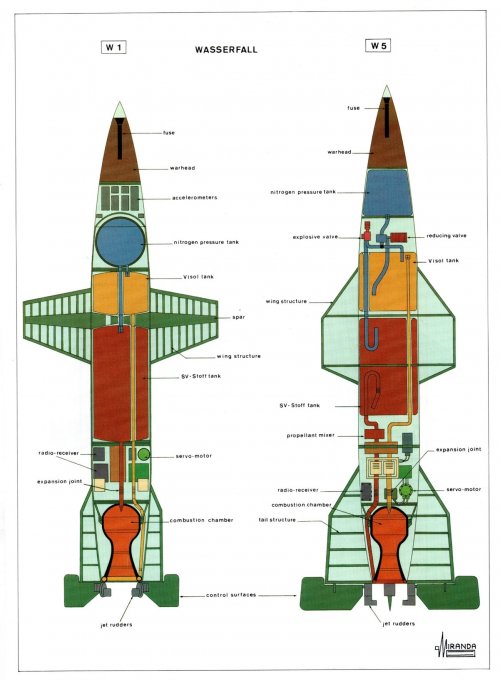
Well, from guidance law perspective it made little difference if target was moving in air or was standing on ground. Aerial target is even simpler in fact due to being point target at low contrast background. Anyways, I might quess that this was simple lead sulfide based AM-modulated seeker, like all those zero and first gen seekers. Still interesting to know if they used some unusual solutions in it.
In theory - yes. On practice, the engineering solutions are quite complex, because both targets & missile are moving in 3D with considerable speed, both linear & angular.
Anyways, I might quess that this was simple lead sulfide based AM-modulated seeker, like all those zero and first gen seekers. Still interesting to know if they used some unusual solutions in it.
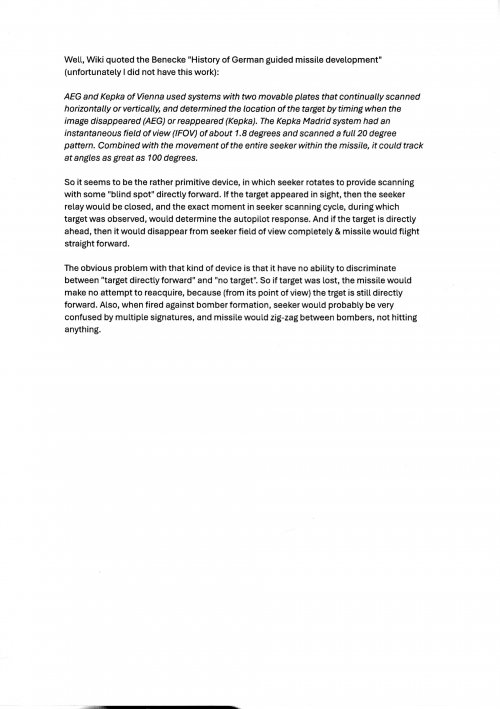
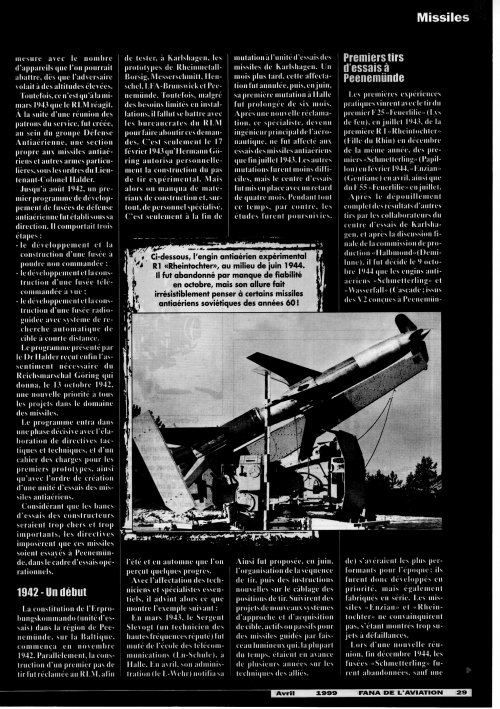
Well, Wiki quoted the Benecke "History of German guided missile development" (unfortunately I did not have this work):
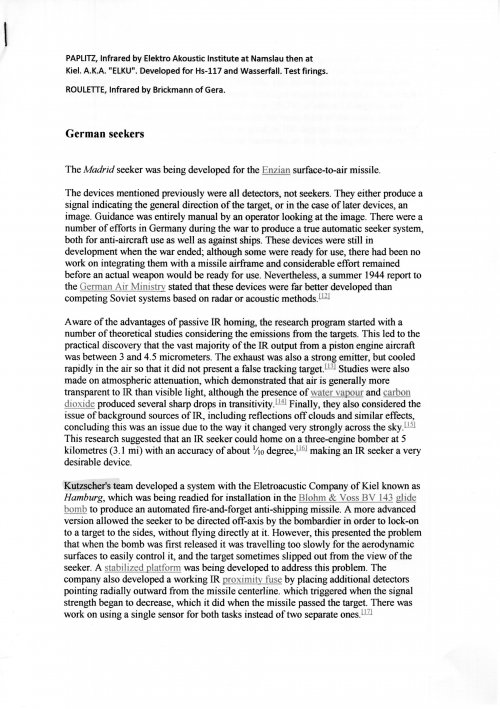
AEG and Kepka of Vienna used systems with two movable plates that continually scanned horizontally or vertically, and determined the location of the target by timing when the image disappeared (AEG) or reappeared (Kepka). The Kepka Madrid system had an instantaneous field of view (IFOV) of about 1.8 degrees and scanned a full 20 degree pattern. Combined with the movement of the entire seeker within the missile, it could track at angles as great as 100 degrees.
So it seems to be the rather primitive device, in which seeker rotates to provide scanning with some "blind spot" directly forward. If the target appeared in sight, then the seeker relay would be closed, and the exact moment in seeker scanning cycle, during which target was observed, would determine the autopilot response. And if the target is directly ahead, then it would disappear from seeker field of view completely & missile would flight straight forward.
The obvious problem with that kind of device is that it have no ability to discriminate between "target directly forward" and "no target". So if target was lost, the missile would make no attempt to reacquire, because (from its point of view) the trget is still directly forward. Also, when fired against bomber formation, seeker would probably be very confused by multiple signatures, and missile would zig-zag between bombers, not hitting anything.
According to my notes, the Madrid was equipped with a 28 cm parabolic mirror, pneumatically moved, an Elac IR detector cooled with LOX, and 5 tubes. FOV was 18 degrees, switching to 1.5 degree after locking on a target, range probably 3000 m.
unfortunatey there are no books known which contain actual mechanisms and circuits for ir seekers as only few internet website explain the theory but how actually it is done is still a mystery as engineers still hide it.But building ir seekers sholudn't be a big deal since if you can built a "sun tracker(ir diode only)" then practically you have a seeker.
The significant issue for an IR system at the time would be signal to noise. The electrical output from the cell is tiny, the piston engine exhaust was rapidly diluted in cool air and the 40’s vintage thermionic values were inherently electrically noisy. So one way to fix this is improve the signal by increasing the delta T hence the use of LOX . This fundamental problem was only really practically fixed when the transistor (which works well at low signal levels) came about and jets provided a much hotter heat source.
Ten years after the German work when the IR homing Firestreaks were tested against radio control piston engine targets (Fairy Firefly’s) they had to install a kerosene fuelled blow lamp in a pod to provide a workable heat source.
According to my notes, the Madrid was equipped with a 28 cm parabolic mirror, pneumatically moved, an Elac IR detector cooled with LOX, and 5 tubes. FOV was 18 degrees, switching to 1.5 degree after locking on a target, range probably 3000 m.
unfortunatey there are no books known which contain actual mechanisms and circuits for ir seekers as only few internet website explain the theory but how actually it is done is still a mystery as engineers still hide it.But building ir seekers sholudn't be a big deal since if you can built a "sun tracker(ir diode only)" then practically you have a seeker.
Egh... No? Missile with IR seeker (and in fact many other types of guidance) don't know range to target and not flying straight at it, but into predicted interception point trough zeroing angular velocity.
Such primitive seeker as mentioned above - that could only detect the "appearance/disappearance" of the target have no means to calculate the predicted interception point. Modern one - yes, could use constant bearing. But those WW2 units could, at best, point the missile straight on target.
As I understand, the Madrid had no blind spot, it used lineal scanning of the whole FOV with a pair of perpendicularly moving masks, with target coordinates established by timepoints, at which the masks were revealing the target.
Such primitive seeker as mentioned above - that could only detect the "appearance/disappearance" of the target have no means to calculate the predicted interception point. Modern one - yes, could use constant bearing. But those WW2 units could, at best, point the missile straight on target.
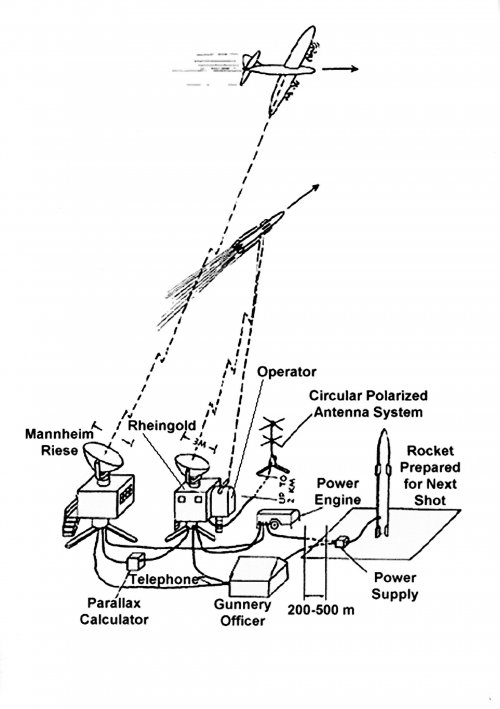
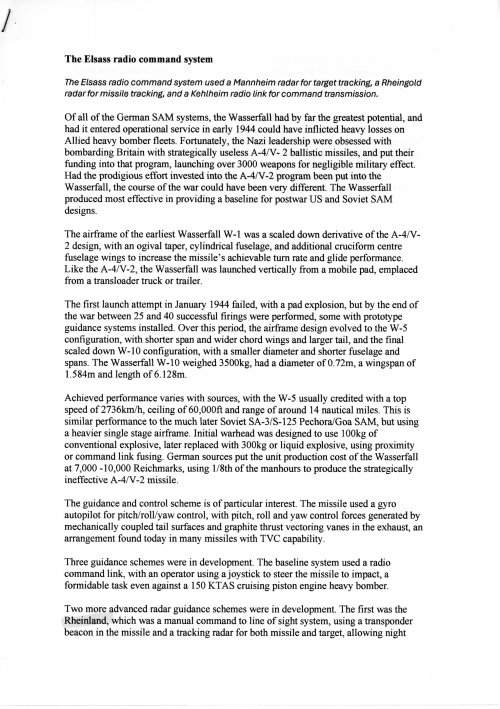
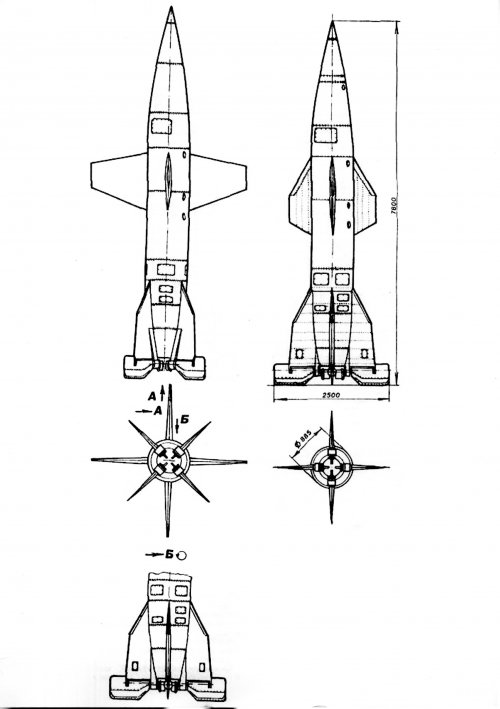
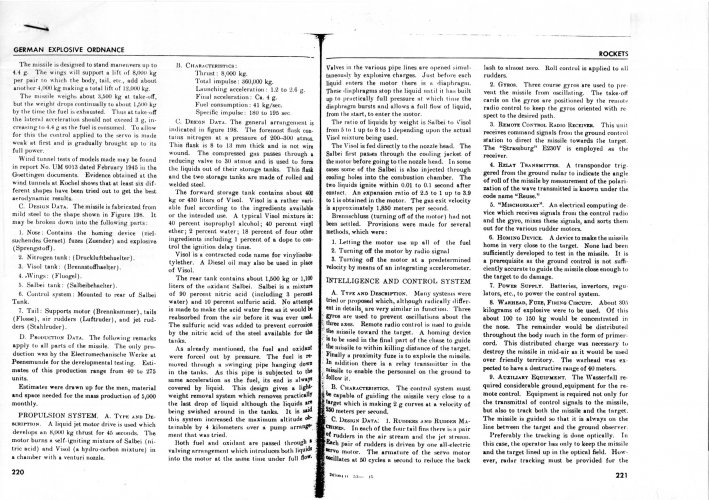
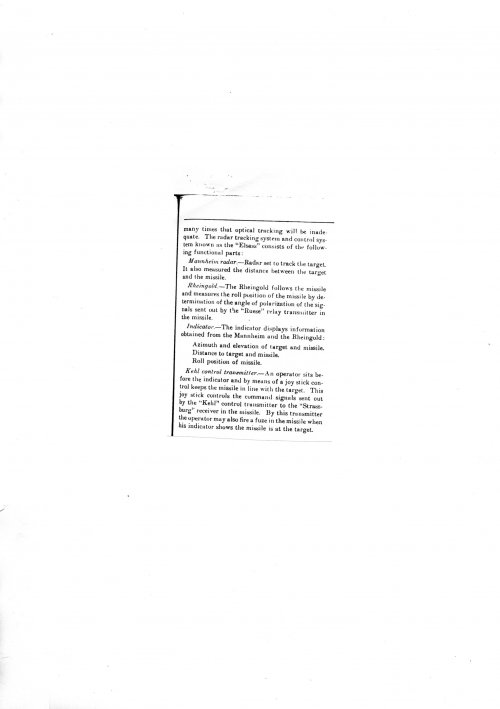
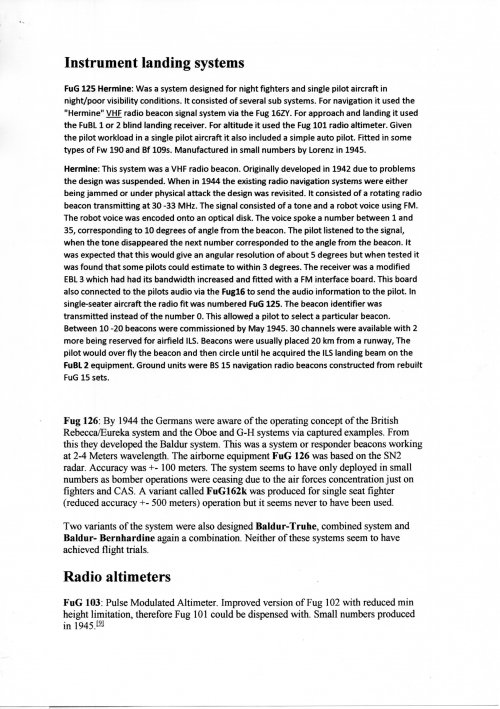
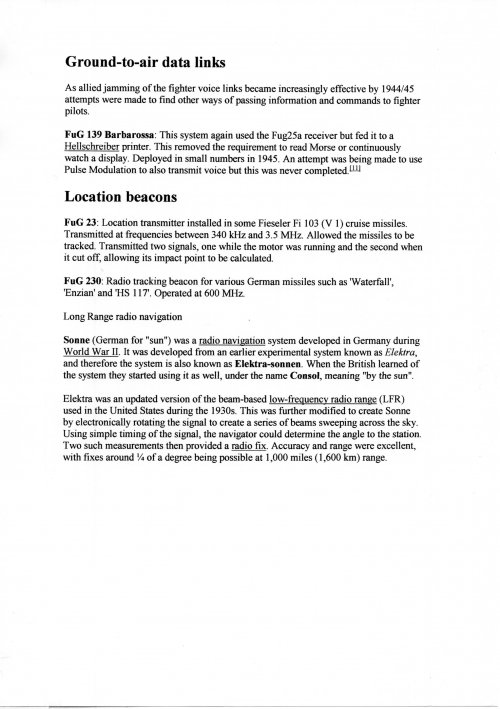
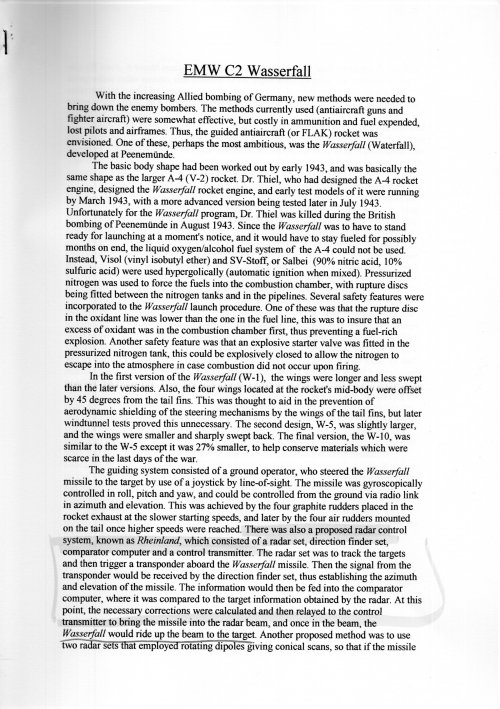
As far as I knew, when Soviet engineers designed R-101 missile (reverse-engineered Wasserfall), they were forced to eventually redesign the whole engine, because German one was just impossible to made reliable and re-work the feeding system, because German one was inefficient. The command guidance system never worked as intended, and our engineers were of general opinion that it is pointless even to try to make it right, because it was basically a modified variant of Kehl-Strasbourg RC system, essentially a 1930s technology.
Eventually, the situation came to the point when there were no two exactly similar examples of R-101, because each attempt to perfect the system caused more and more rebuilds. In 1951, the R-101 project was cancelled because no one could actually be sure that this pile of German junk could be made workable at all.
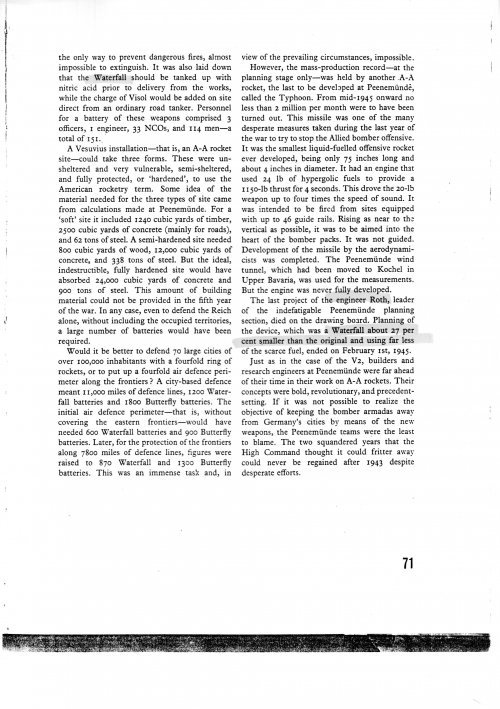
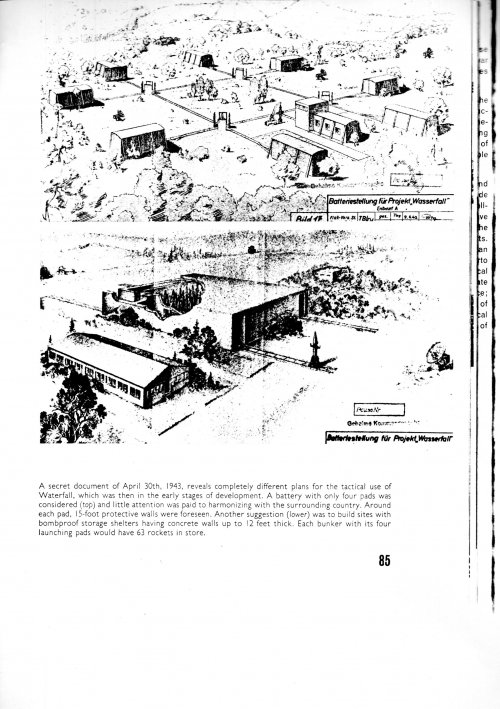
ADA AIR DEFENSE ARTILLERY Magazine
March - April 1991
"Gulf War Weaponry Spawned in WWII"
by Wolf Prow
Page: 41 - 43
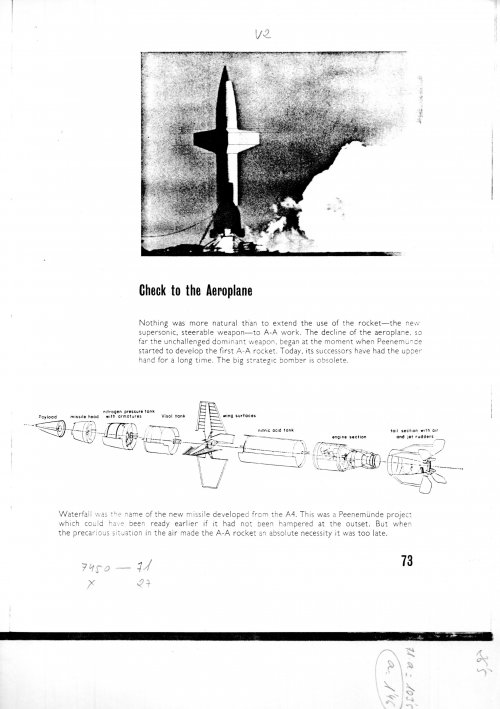
- Artwork: Wasserfall vs. Flying Fortress
ADA AIR DEFENSE ARTILLERY Magazine
March - April 1991
"Gulf War Weaponry Spawned in WWII"
by Wolf Prow
Page: 41 - 43
- Artwork: Wasserfall vs. Flying Fortress
unfortunatey there are no books known which contain actual mechanisms and circuits for ir seekers as only few internet website explain the theory but how actually it is done is still a mystery as engineers still hide it.But building ir seekers sholudn't be a big deal since if you can built a "sun tracker(ir diode only)" then practically you have a seeker.
Actually... I believe I am qualified to answer this question. Here we are discussing first-generation infrared seekers:
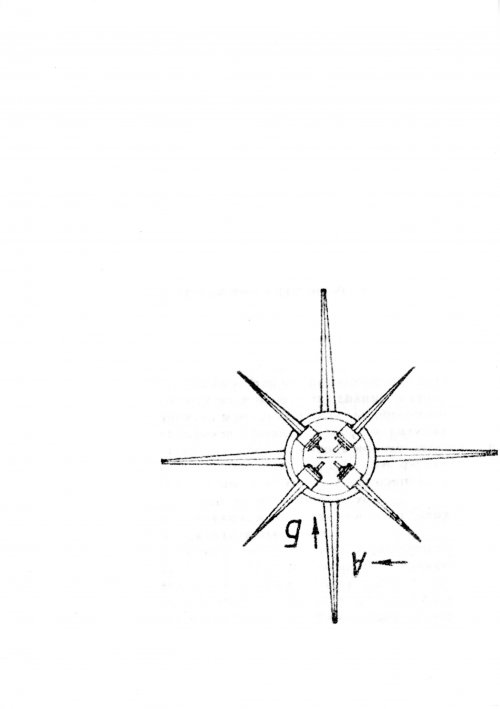
The core component of a first-generation infrared guidance system is a partially blackened transparent plastic disk known as a reticle. The image shows one type of reticle, called the "rising sun reticle" (translated from Chinese; I am not sure of its foreign name).
In a missile seeker, the following parts are present:
You can see that half of the reticle is completely blackened, while the other half has evenly spaced stripes.
Now, a target appears in the field of view. With only a single photosensitive element, we cannot directly extract the target's angular information. The reticle, however, intelligently modulates the continuous signal to tell the guidance system where the target is.
The target signal passes through the optical components and is projected onto the reticle. Through the reticle, the target causes a flickering effect. From this flicker, the guidance system behind the photosensitive element can extract information. The specific method is as follows:
First, we need to break down the angle between the missile and the target. Here, we decompose it into the angle between the missile's axis and the target, and the angle formed on the plane normal to the missile axis relative to a reference direction (the specific direction is irrelevant, as long as it is fixed relative to the missile).
When the light source falls on the striped region, it produces a continuously flickering signal. If the target deviates significantly from the missile's axis, the flickering signal will have a higher amplitude; if the deviation is small, the signal amplitude will be lower.
When the light source falls on the blackened semicircle, the guidance system uses this period of prolonged signal interruption, along with the rotation speed and position of the reticle, to calculate the angle on the missile's normal plane relative to the reference direction (again, the specific direction is irrelevant, as long as it is fixed relative to the missile).
By using the two parts of the reticle to calculate these two angles separately, the complete angular information of the target is obtained.
After reading the Wikipedia introduction but failing to locate the original source, I speculate that this is a TWS system similar to the SNA75 FCS radar‘s antenna. It achieves scanning through the reciprocating motion of a baffle, continuously shifting the sector-field view. This motion modulates the target's image into a patterned square wave, while the guidance system ensures equal spacing between the horizontal and vertical sets of square waves... I'll sketch this out later when I have time.
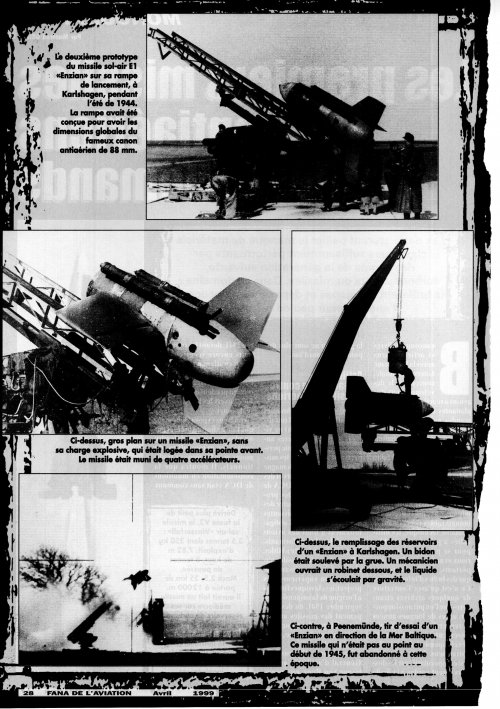
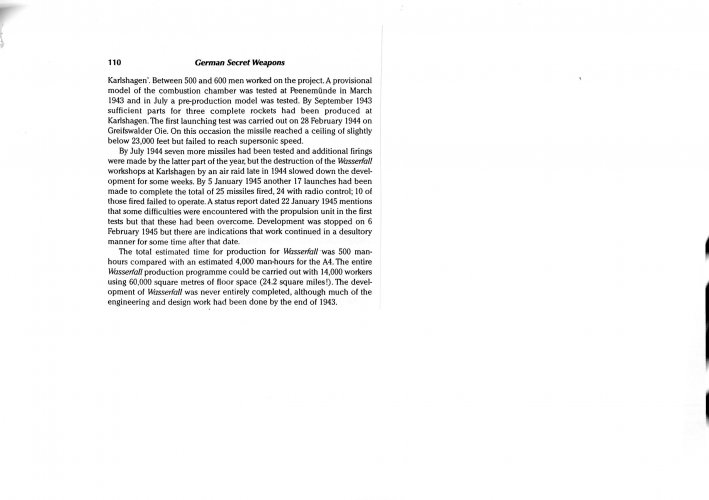
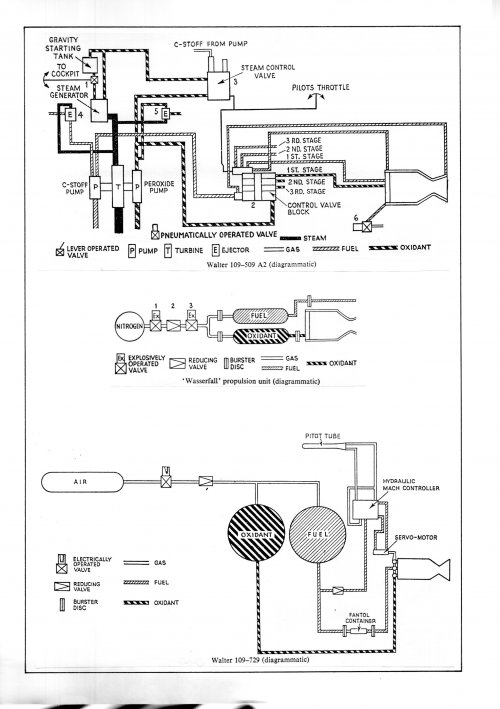
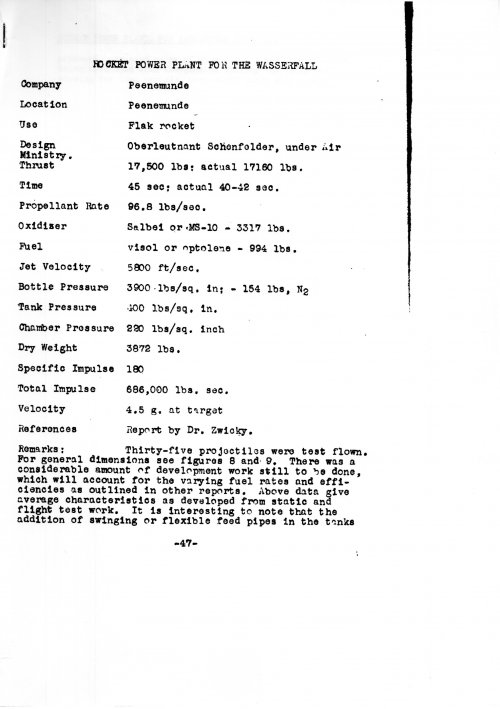
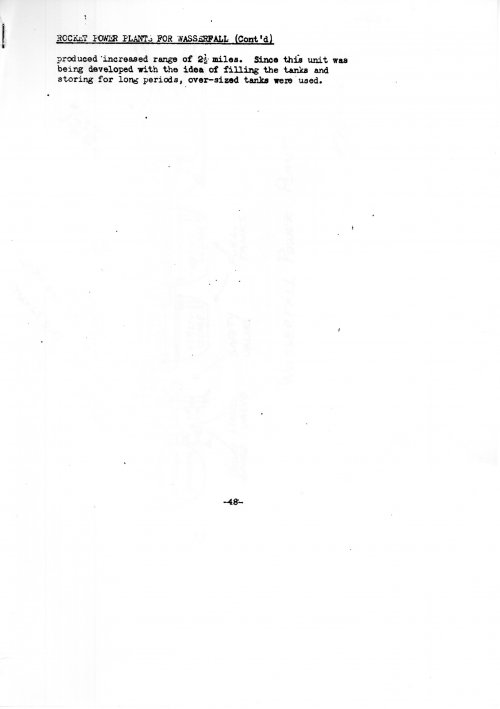
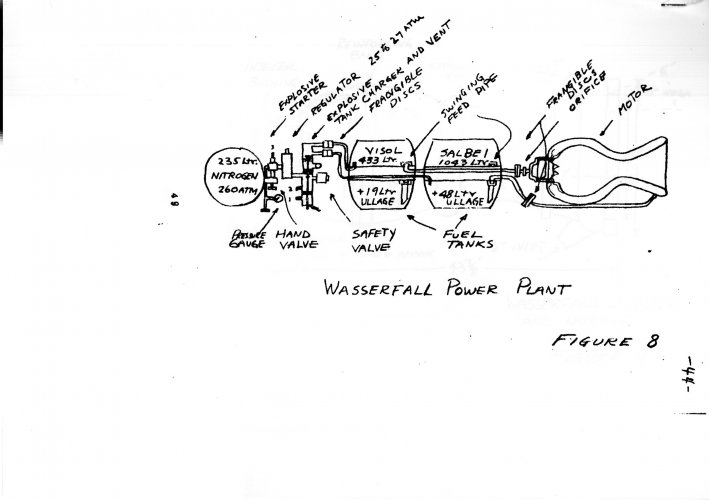
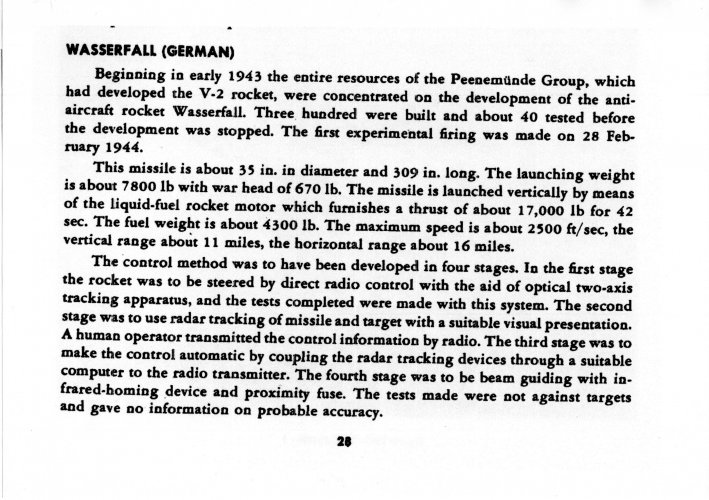
1. The fuel system had issues with positive feed throughout the missile's flight. The Germans didn't have the option of using a flexible bladder made of something like rubber due to material restrictions.
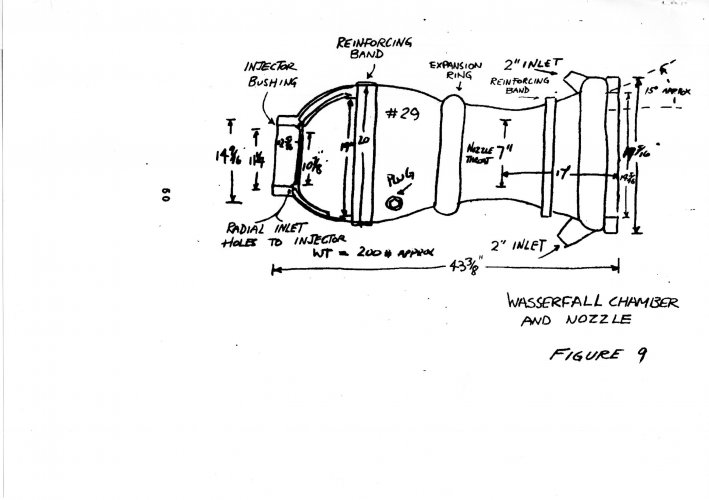
2. The engine had issues with reliability and design in general. Getting the fuel - oxidizer rates correct was a major problem.
3. Maneuvering the missile in supersonic flight was never thoroughly tested as no definitive guidance system was actually produced and tested. This was a major failing of all German SAM programs. They never had a really viable and tested guidance system. They had the right idea with their radar guided ones, but they lacked adequate components to make one actually work. These included:
* A lack of a millimeter wave radar. Yes, they had a few sets in testing and service but that doesn't equate to having a set available for building an operational SAM guidance system.
* A complete lack of any sort of automatic tracking and guidance computer system. Without this, a supersonic SAM wasn't going to be guided with any accuracy to a target. Human control just wasn't up to the task. For this, they needed something like the US SCR 584 radar / fire control set and that wasn't happening any time soon.
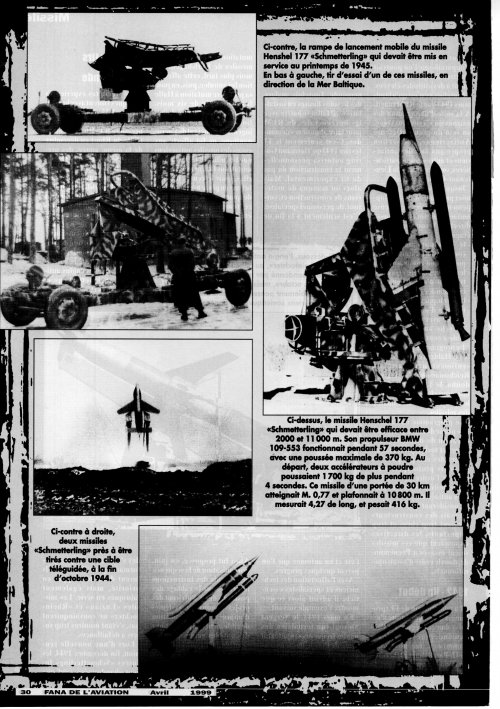
* It was single-stage, liquid fueled. This proved marginal for SAMs. Yes, the Soviets managed to use this sort of missile in the S-25 / Berkut system but even they recognized its severe limitations and didn't repeat the design in a surface to air missile. The problem with using this sort of missile is it normally has to be vertically launched because it's slow to accelerate during the first seconds of flight. To get around that, everybody post war used a solid-fuel booster with their liquid fuel SAMs. For the Germans, it was almost their only choice due to their severe limitations on developing and using solid fuels.
This in turn meant the missile had a very high minimum altitude of engagement. That limited such a missile to higher altitude targets only.
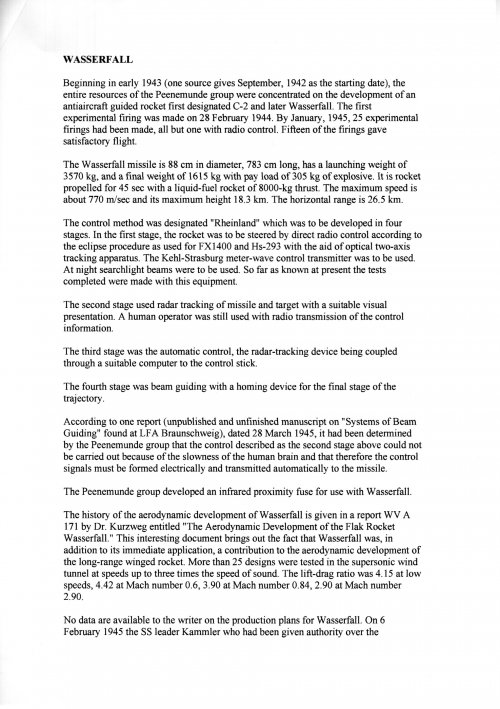
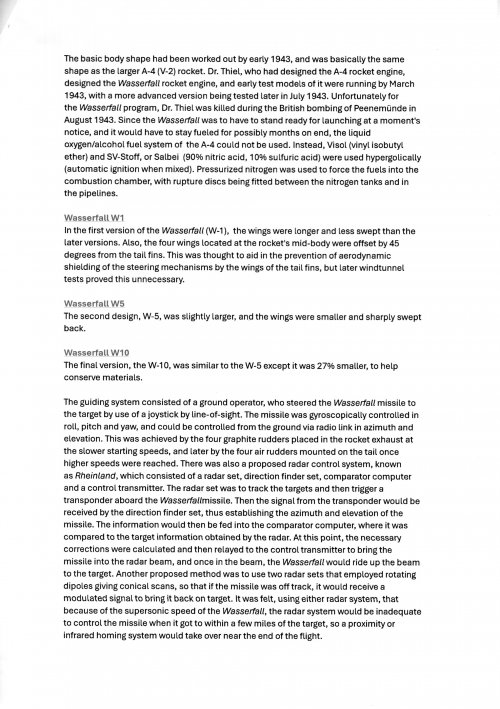
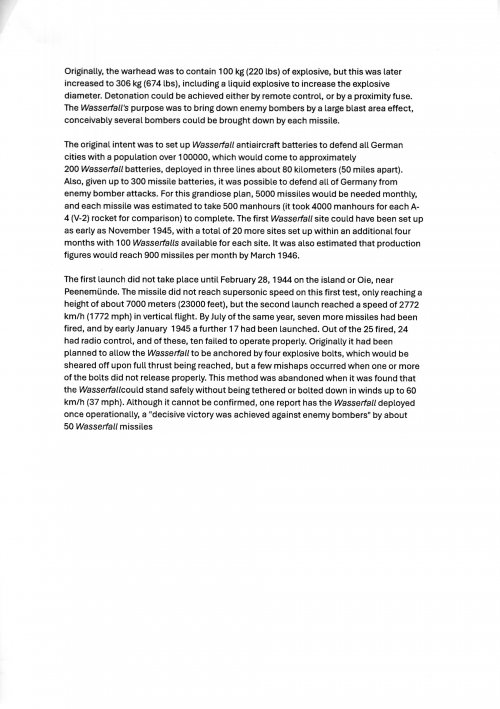
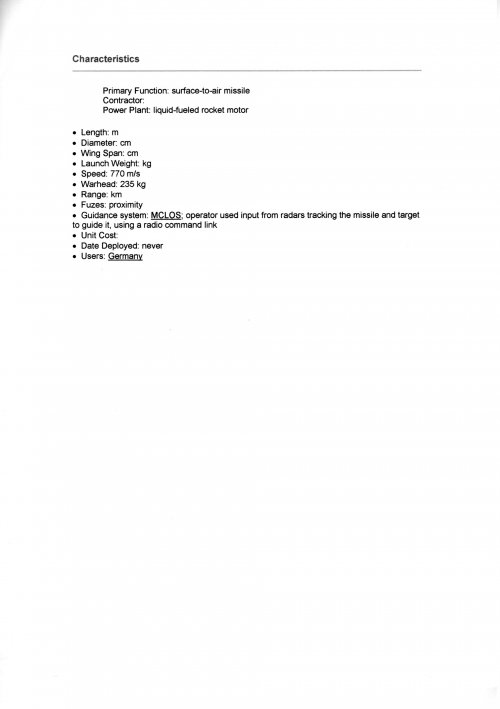
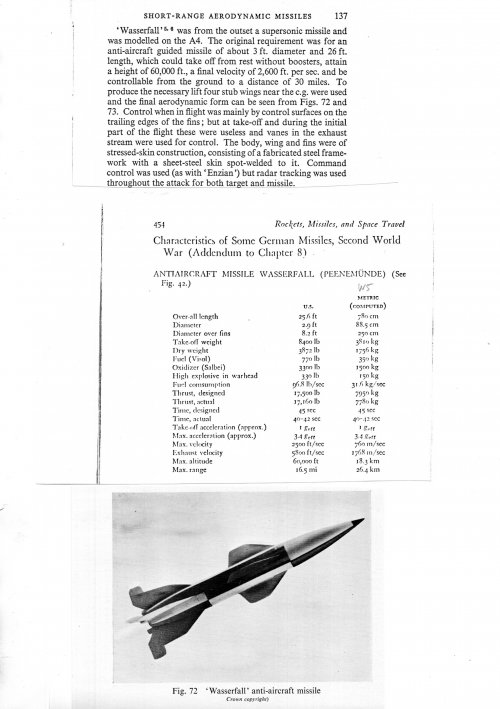
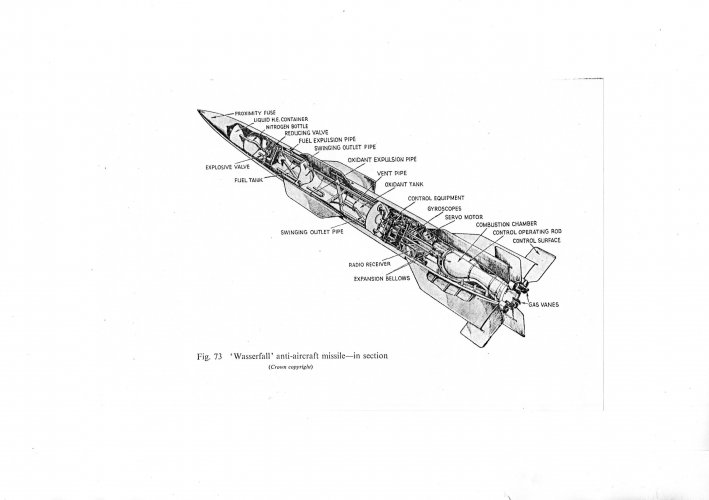
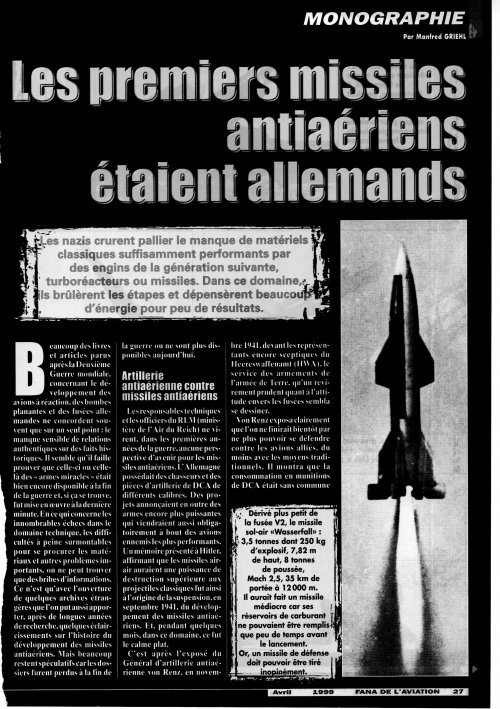
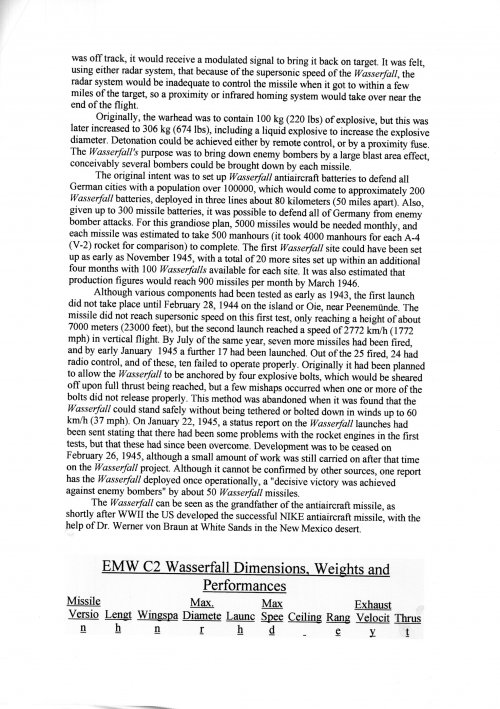
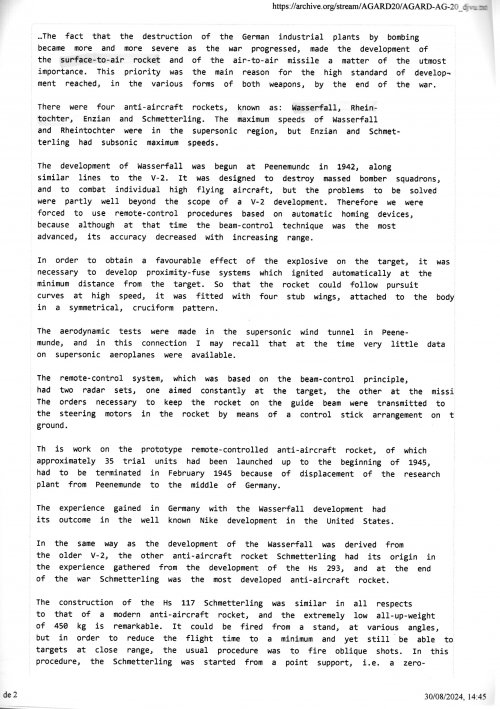
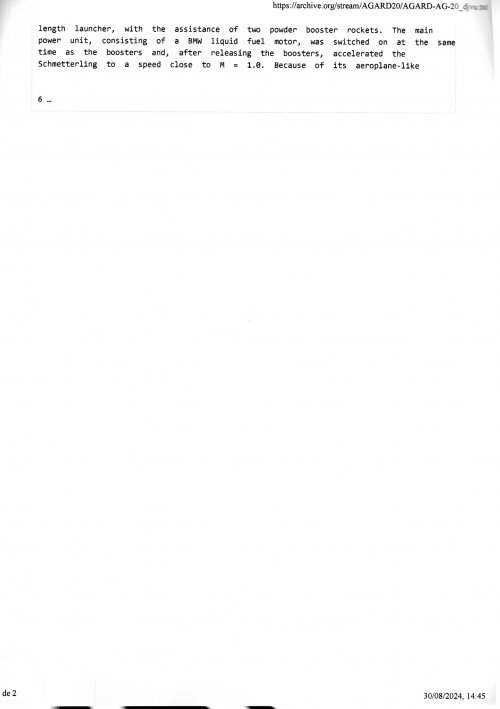
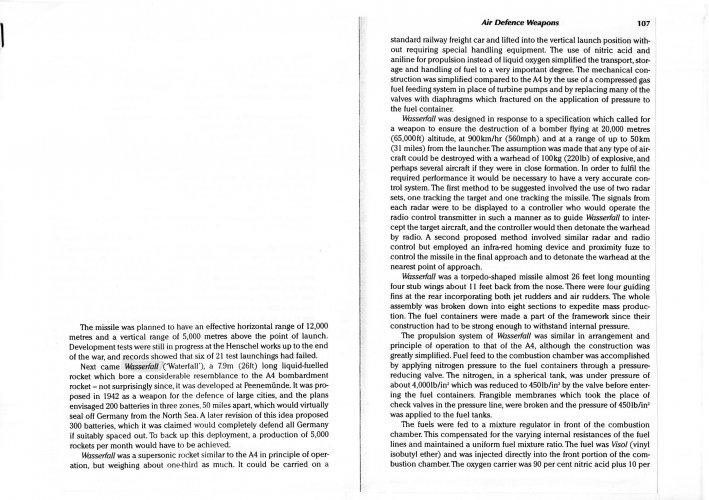
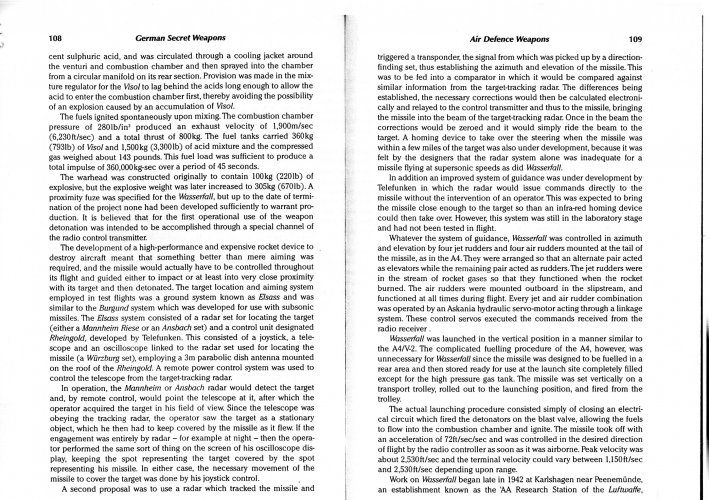
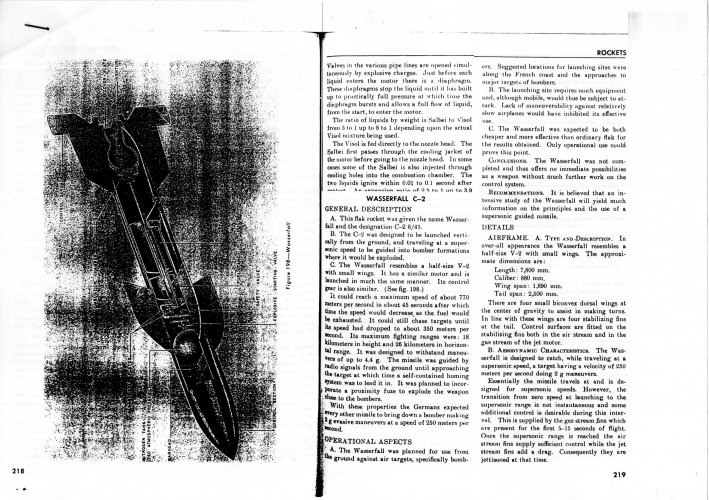
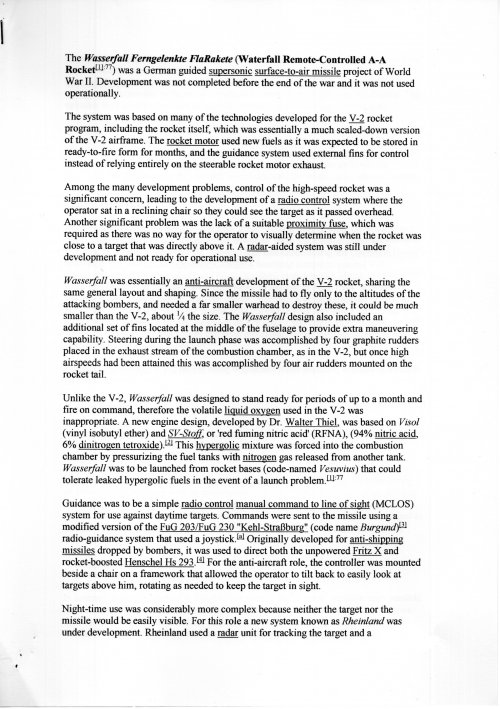
On the whole, Wasserfall wasn't even close to being a viable system in 1945. Dilandu sums it up fairly accurately here:
As far as I knew, when Soviet engineers designed R-101 missile (reverse-engineered Wasserfall), they were forced to eventually redesign the whole engine, because German one was just impossible to made reliable and re-work the feeding system, because German one was inefficient. The command guidance system never worked as intended, and our engineers were of general opinion that it is pointless even to try to make it right, because it was basically a modified variant of Kehl-Strasbourg RC system, essentially a 1930s technology.
Eventually, the situation came to the point when there were no two exactly similar examples of R-101, because each attempt to perfect the system caused more and more rebuilds. In 1951, the R-101 project was cancelled because no one could actually be sure that this pile of German junk could be made workable at all.
The Soviets tried damn hard to make Wasserfall into a viable system from 1945 to about 1950. In those five years of concentrated effort by NII 88, they couldn't get the missile to a point where it was reliable and maneuverable. The engine was salvaged as a component but only after it had been modified so extremely that there was really nothing left of the original other than using the same fuel. The guidance systems the Germans had were abandoned early on as unworkable.
The French, likewise, found German SAM technology as little more than a crude starting point for postwar development. The British and US ignored it almost entirely. Interestingly, both by mid-1945 say May to August, had SAM programs going that were actually more advanced in terms of heading towards a viable end product than Germany had gotten to by the end of the war and they weren't relying on anything German to get there.
The Germans were years from deploying a truly viable SAM in 1945. They didn't have anything close to a really workable guidance system, and that was their biggest problem. Their electronics industry wasn't up to developing and putting one in service either. They knew what was needed but simply had no way to get there with what they had.
Developing a missile is not the hard part of a SAM system, guidance is.
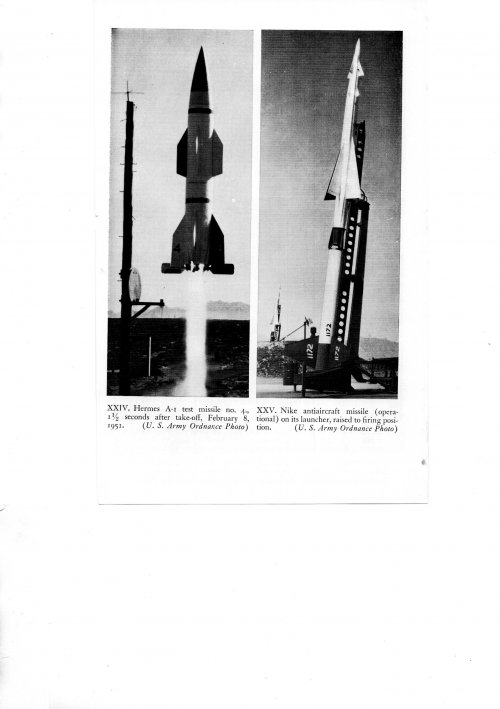
US army tried to make Wasserfall work as Hermes A-1 project, but the results were as poor as in USSR. None of test flights were sucsessfull. In 1950 (the same year as USSR), US army give up on Hermes as surface-to-air missile, but still hoped to use it as surface-to-surface missile. Several Hermes A-3 prototypes were build and tested from 1951 till 1954, but the conclusion was, that it simply didn't worth the efforts.
Almost entirely. GE was assigned the Hermes as a SAM as part of that program. GE immediately replaced the German P IX engine with one of GE's own design running on alcohol and LOX or RFNA. GE launched exactly 6 missiles of this type through 1950 before the program was dropped. None of the GE missiles had some external guidance system in use. The results of those 6 launches were so poor, and Nike was at that point looking very promising, that the US Army didn't want to waste more time and resources with the A-1 series.
Other designs, of all-US origin, replaced it in the program.
This site uses cookies to help personalise content, tailor your experience and to keep you logged in if you register.
By continuing to use this site, you are consenting to our use of cookies.