Forest Green
ACCESS: USAP
- Joined
- 11 June 2019
- Messages
- 14,600
- Reaction score
- 31,718
Next-Generation Ocean Surveillance Capability
The Explorer-class represents a significant leap forward in ocean surveillance capabilities, featuring larger, faster vessels designed to support the Navy’s anti-submarine warfare operations and the Integrated Undersea Surveillance System (IUSS). At 359 feet long and with a displacement of 9,099 tons, these ships will be the largest and fastest T-AGOS vessels ever operated by the U.S. Navy, capable of sprinting up to 22 knots.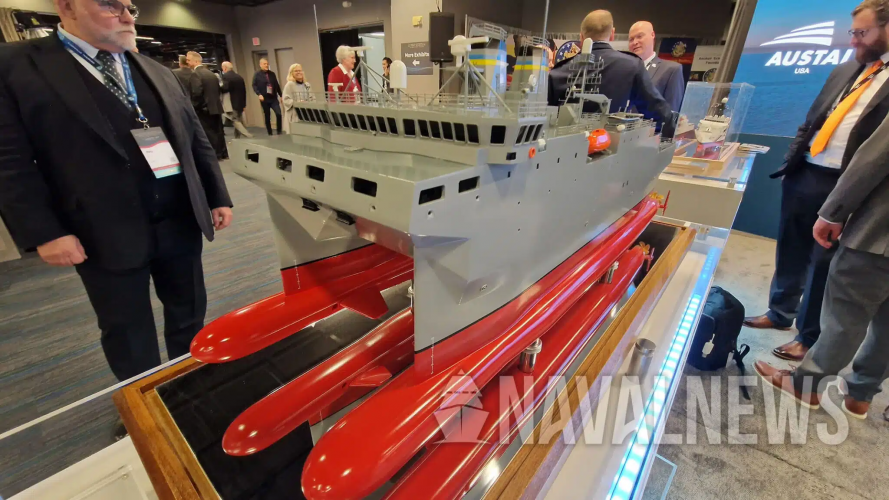
GE Aerospace Secures Official Order to Power U.S. Navy’s Explorer-Class Ocean Surveillance Ships
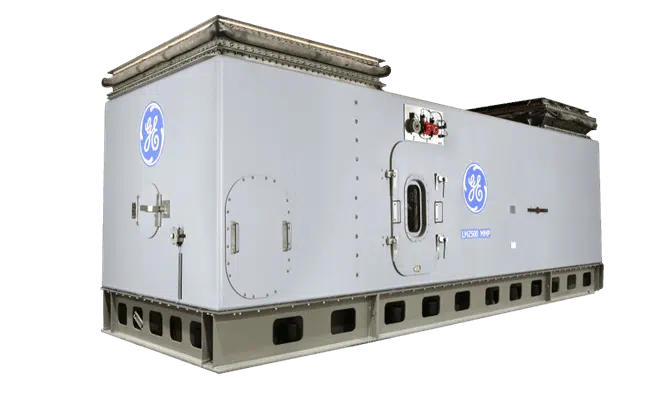
https://www.navalnews.com/naval-new...avys-explorer-class-ocean-surveillance-ships/The purchase agreement covers one LM2500+G4 marine gas turbine engine in a composite enclosure with associated generator by Brush for the lead ship, USNS Don Walsh (T-AGOS 25), currently under construction at Austal USA in Mobile, Alabama.
The T-AGOS 25 design employs an Integrated Electric Propulsion (IEP) system featuring four electric motors powered by three diesel generators and one GE LM2500 gas turbine. This hybrid configuration provides operational flexibility, allowing the ship to optimize power generation for various mission profiles—from extended low-speed towing operations (5 knots for 9,000 nautical miles) to rapid transit at sprint speeds when required.
Revolutionary Composite Enclosure Technology
The LM2500 aboard USNS Don Walsh will be encased in GE Aerospace’s revolutionary lightweight composite enclosure, first introduced to the U.S. Navy fleet on USS Santa Barbara (LCS 32) in March 2023. Fully certified by the U.S. Navy with MIL-S-901D Grade A shock qualification, the composite enclosure delivers transformative operational advantages critical for acoustic surveillance missions:
- 50% weight reduction: 2,500 kg (5,500 lbs) lighter than steel predecessors, providing ship designers critical flexibility for increased payload, fuel capacity, or mission systems.
- 60% quieter operation: Dramatically reduced engine room noise compared to original steel enclosures—essential for acoustic surveillance missions.
- Cooler engine room temperatures: Reduced wall temperatures by 25°F to 50°F, with less heat rejected into the engine room and improving crew comfort.
- Enhanced durability: Corrosion-resistant single-piece carbon fiber construction requires less maintenance.
- Ease of engine removal/reinstallation: The gas turbines can be removed and reinstalled through the intake path.
- Better access to the engine: Enhanced crew access to engine inlet and lightweight main door for easy handling; engines can be removed and reinstalled through the inlet path.