jsport
what do you know about surfing Major? you're from-
- Joined
- 27 July 2011
- Messages
- 8,635
- Reaction score
- 6,931
Turkey’s Aselsan eyes growth in networked, mass-producible weapons, CEO says https://share.google/OIUK5YI38ZjAvAPQy



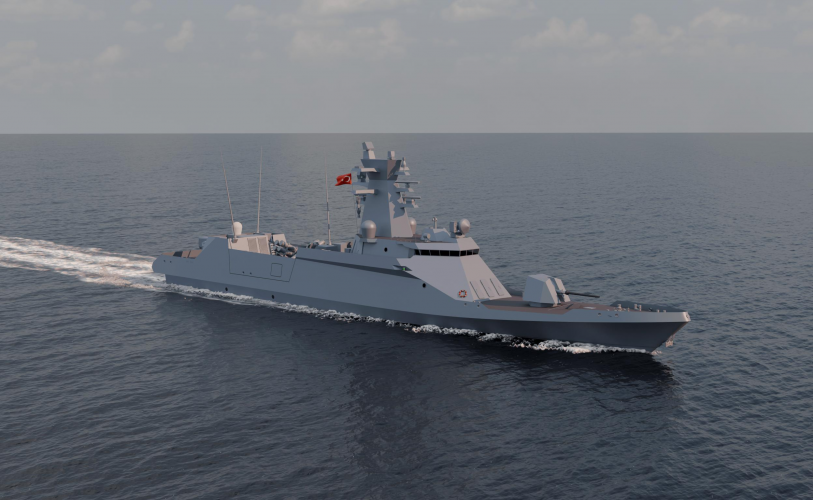
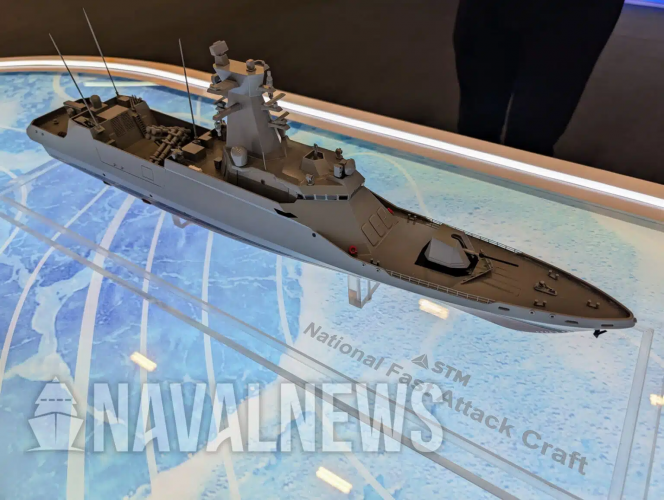
Final design of Turkey's next generation Fast Attack Craft;
- Length Overall (LOA) 68.00 m
- Moulded Breadth (Bmax) 9.34 m
- Design Draft (T) 2.50 m
- Design Displacement 700 tons
- Max Speed 39+ knot
- Cruising Speed 20 knot
- Range 800 nm (min.)
- Endurance 7 days
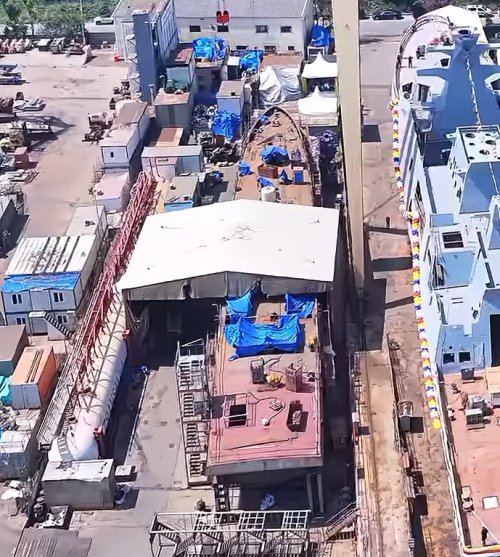
Turkish Navy Confirms 2032 Delivery Date for MUGEM Aircraft Carrier
https://www.navalnews.com/event-new...032-delivery-date-for-mugem-aircraft-carrier/
I think this was the most interesting part. Hopefully we'll be able to see the blocks through Google Earth soonConstruction of MUGEM is in progress
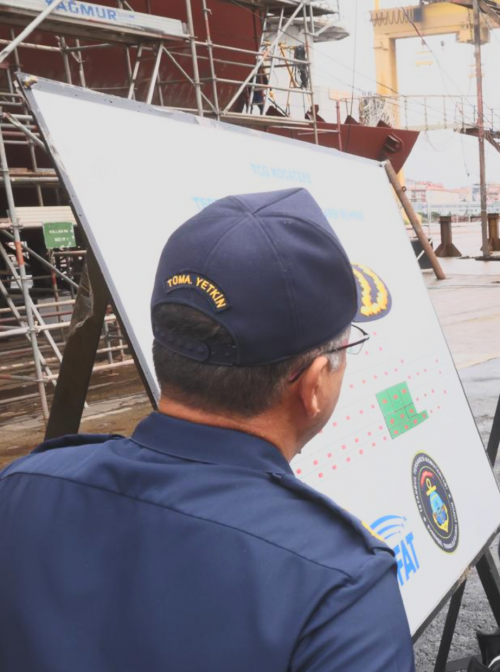
The final slide of the MUGEM project presentation was particularly important: it showed actual construction photographs with the caption “Construction is in progress.” The photos showed steel blocks being assembled at what appears to be the Istanbul Naval Shipyard, confirming that physical construction work is ongoing.

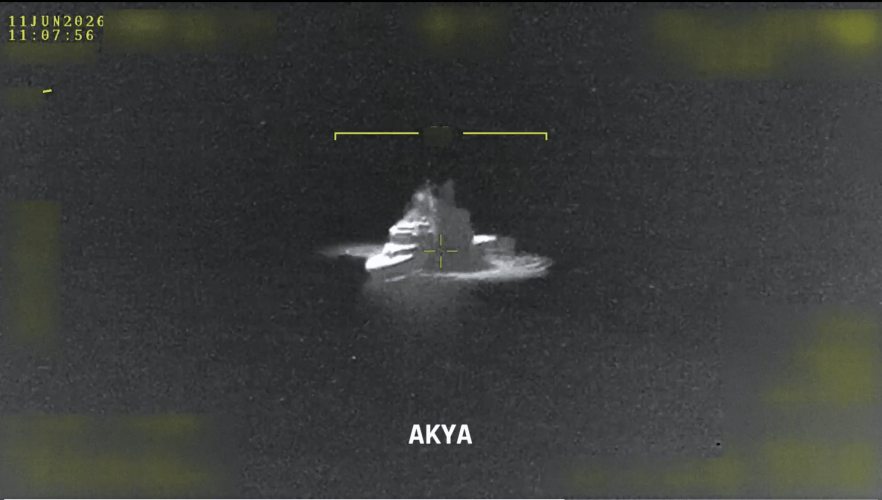
Latest on construction of Turkey's first of class Fast Attack Craft, 10 vessels contracted to be built with option of follow on orders for more
View attachment 814832
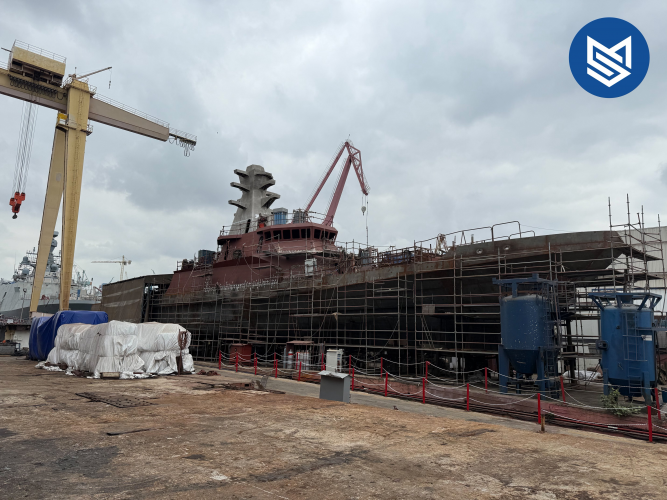

2025 for Turkish Navy starts off with steel cutting ceremony for MUGEM-Class Aircraft Carrier and TF-2000-Class destroyer and welding ceremony of MILDEN-Class submarine

https://turdef.com/article/istanbul-shipyard-lays-down-the-lead-tepe-class-destroyerİstanbul Shipyard Command has laid down the first block of the first Tepe-class destroyer TCG Kocatepe, which is expected to be launched around the 2027’s end.
Thought they'd go all-in on Strike-length with all 96 VLS cells. Disappointing to see 32 cells switched to tactical-length (Hisar-D, Siper-1D, Atmaca AShM), leaving only the remaining 64 as Strike-length (Gezgin LRCM, ballistics, exo-atmospheric interceptors, endo-atmospheric Siper-A, etc.)...TF(/TD)-2000?
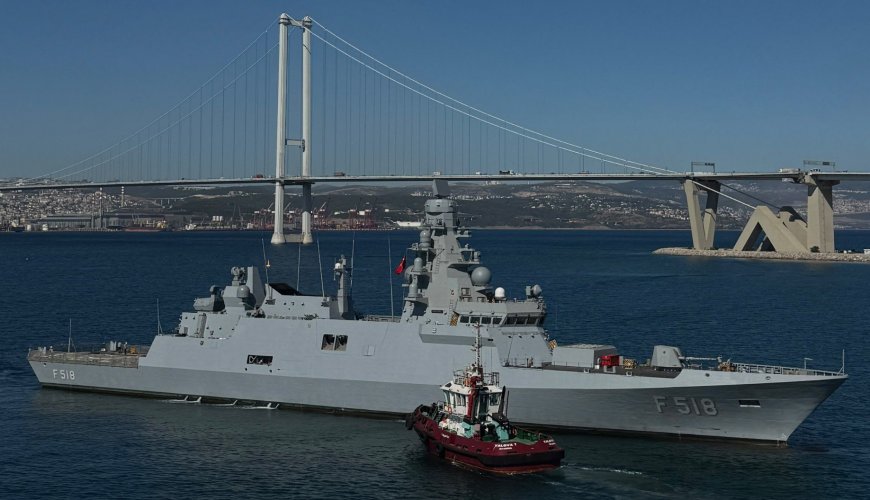
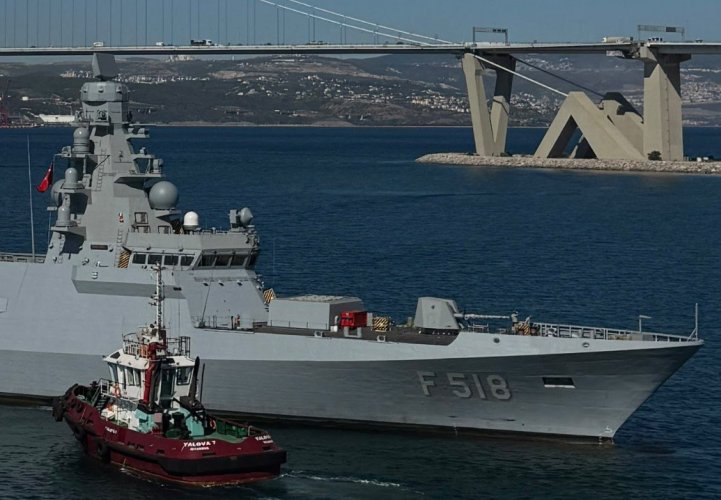
TCG İçel (F-518) has the strike length MIDLAS VLS, compared to tactical length version on TCG istanbul (F515);
These ships are supposed to serve well into the 2070s (or at least until the MLU without any extensive upgrades). You have to account for the types of missiles you plan to have or could want to have over the next 20 years, not just what you have at hand today.MIDLAS Tactical is the same length as the Mk41 (6.7 m), which can launch the Siper-2 (6.3 m). For other missiles, 64 VLS should be enough.
4 + 4 + 4?F-518 (4th ISTIF-Class Frigate) on sea trials. I really like the look of these ships.
Defense Industry President Prof. Dr. Haluk Görgün: We will complete (İstif-class frigates) to 12 for our Navy. Their contracts have also been finalized. Not even a single day is wasted. Production activities are ongoing.
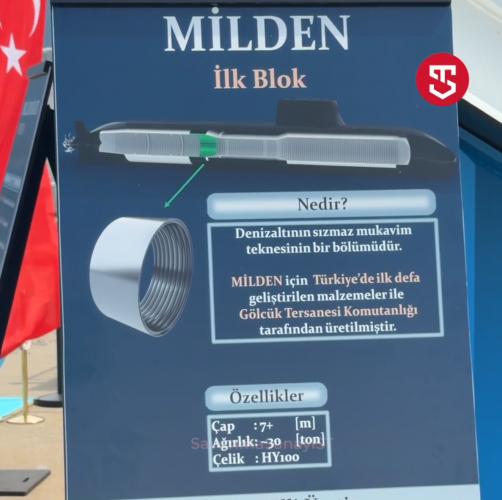
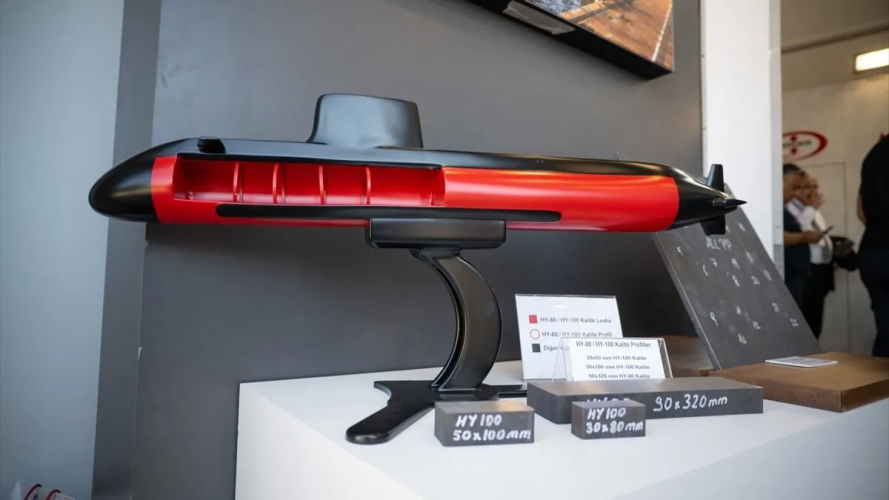
Miilux OY Turkiye produces HY100 and HY80 HSLA steels intended for MILDENFirst block of the MILDEN submarine on show @ TEKNOFEST MAVİ VATAN
View attachment 821458
View: https://x.com/SavunmaSanayiST/status/2090033360341000610?s=20

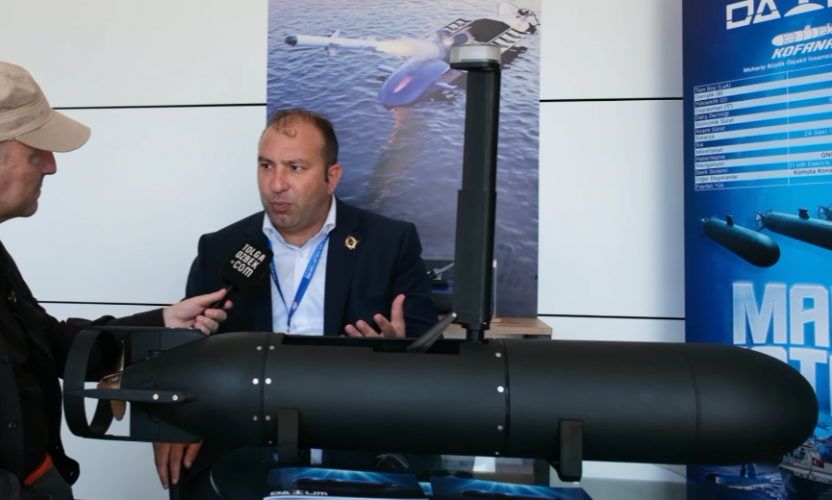
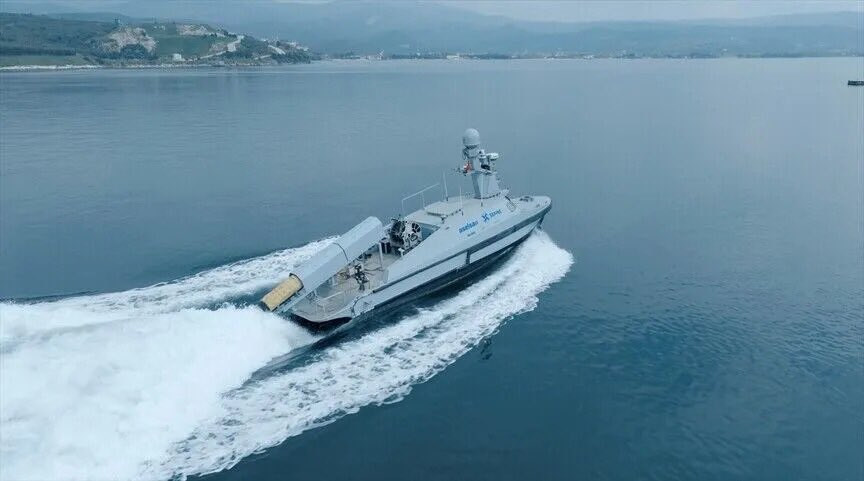
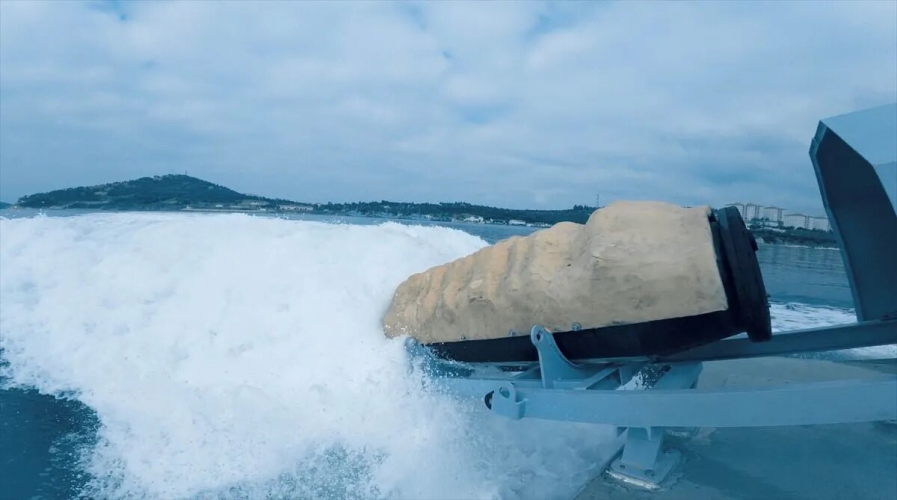
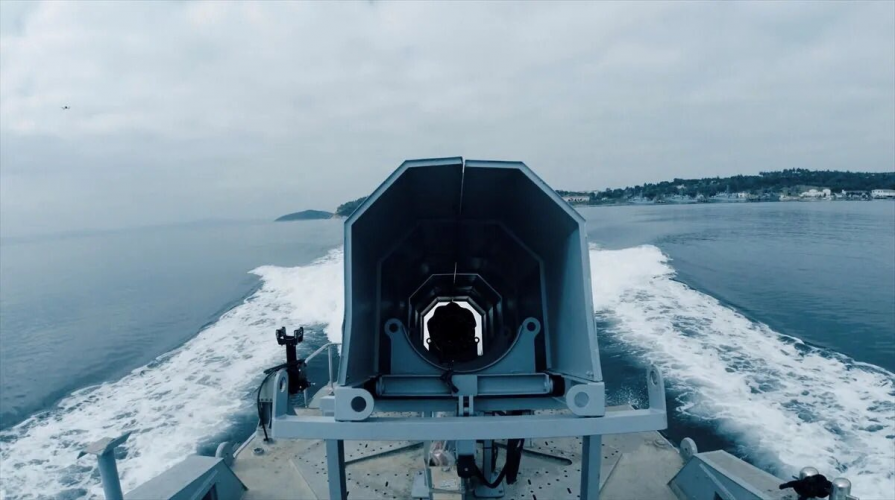
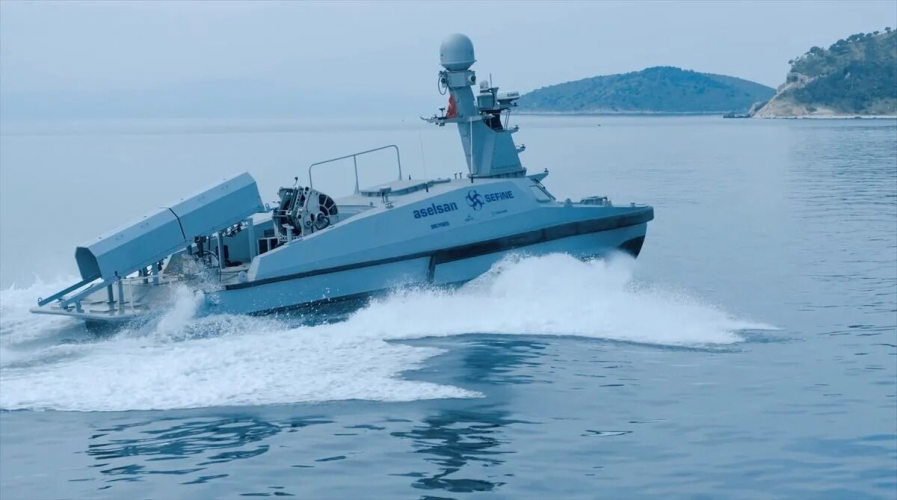
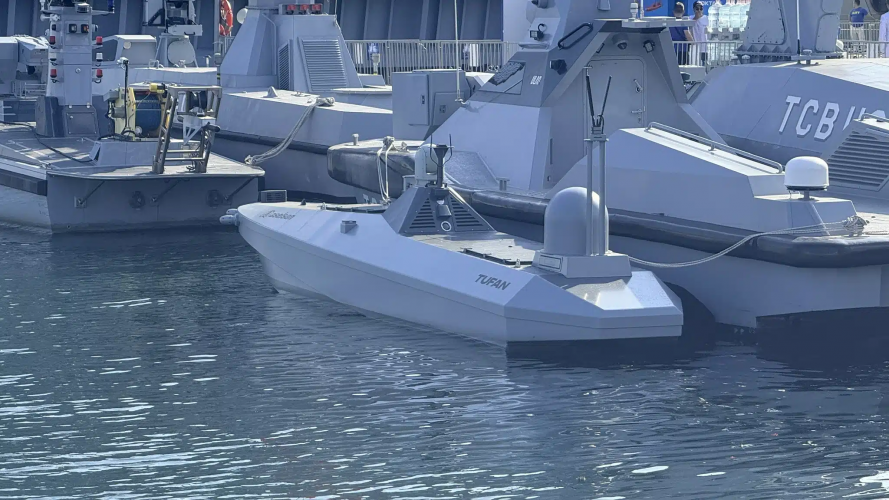
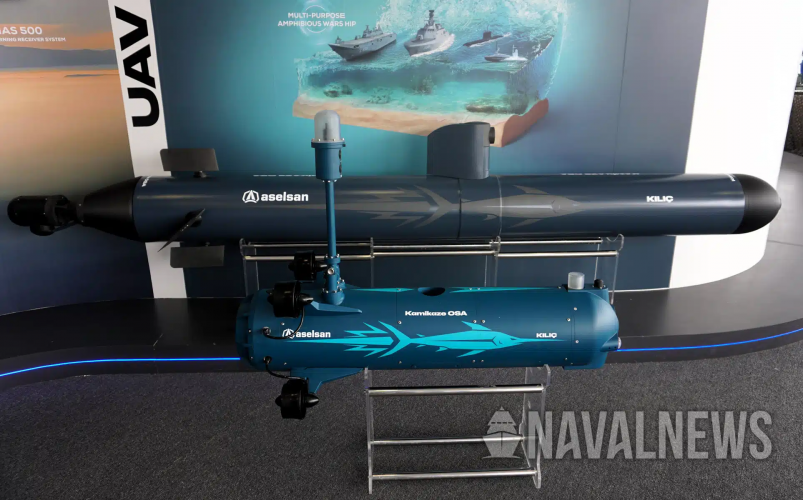
View: https://x.com/ARESShipyard/status/2090748416489869669TUFAN, a new kamikaze unmanned surface vessel (USV) developed by ASELSAN and built by ARES Shipyard, was launched during TEKNOFEST Mavi Vatan 2026 at Gölcük Naval Shipyard Command in Kocaeli, marking its first public appearance on the water.
Building on the expertise it has developed through SANCAR and RAFNAR in the field of unmanned marine vehicles, HAVELSAN unveiled AVISTA, its new self-funded R&D project, for the first time at TEKNOFEST Blue Homeland 2026 in Gölcük.
Through the AVISTA project, HAVELSAN aims to develop national capabilities for precise positioning in underwater environments where GNSS access is unavailable, three-dimensional underwater mapping, ship hull inspection, protection of critical underwater structures, and integrated underwater security capabilities.
The AVISTA project was initiated in response to the high cost of underwater sensors and customs-related restrictions affecting procurement. It aims to develop cost-effective and readily available sensors, along with algorithms that enable intelligent and autonomous platform capabilities. The project will also establish the technological foundation for capabilities intended for direct application in HAVELSAN’s ÇAKA Submersible Hybrid Unmanned Marine Vehicle (H-UMV) project.
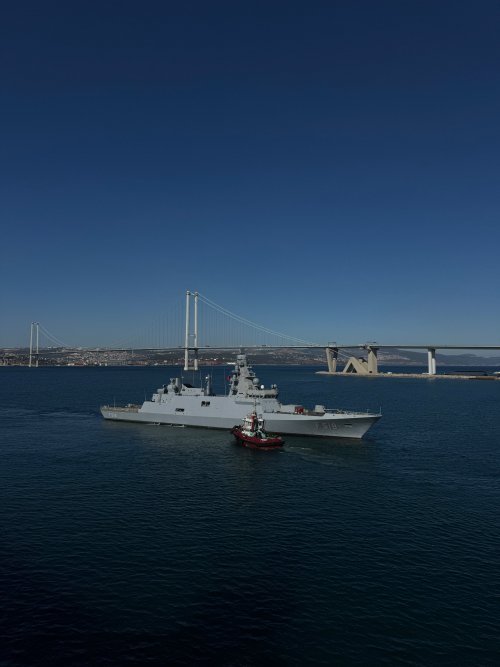
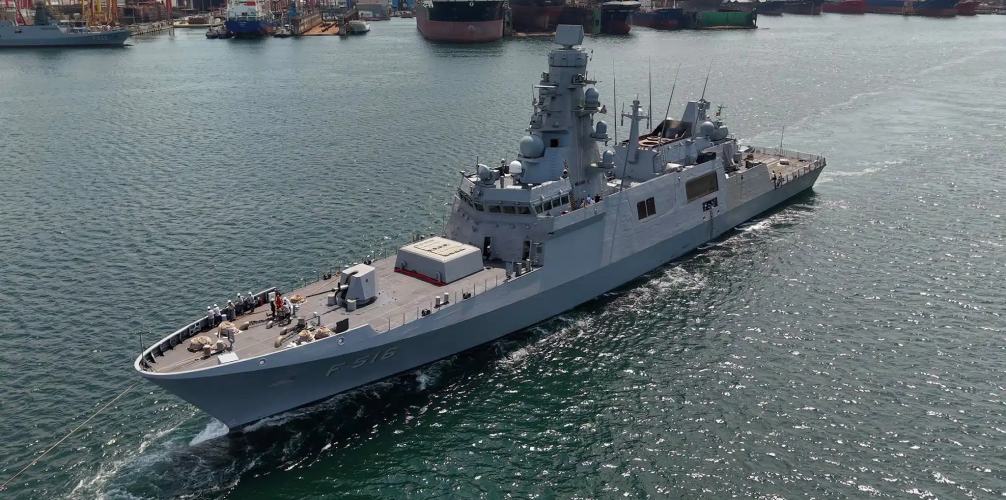
On August 26, 2026, Türkiye’s Anadolu Shipyard announced that the second ship of the I-class (Istif-class) frigates, the future TCG Izmir (F-516), has begun her first Sea Acceptance Trials (SAT)—featuring a visibly enlarged Vertical Launch System (VLS) configuration compared to lead ship TCG Istanbul.

Back to the kitchen Remy! TheTúrkey is playing catchup atm. The S-400 procurement and subsequent sanctions crippled their access to existing modern weapons. On paper their stuff looks good. But so did Russian and Chinese equipment until it was put into action.
When you start looking at their industry its about 25 years behind in many ways. Take an old technology like the 76mm gun. The gun is a rate of fire comparable to the 70s and 80s. But Italy fleshed out almost twice the rate of fire two decades ago. Literally every system they are developing would have been bleeding edge in 1995-2000. But they fall short when compared to systems available before the sanctions.

Túrkey is playing catchup atm. The S-400 procurement and subsequent sanctions crippled their access to existing modern weapons. On paper their stuff looks good. But so did Russian and Chinese equipment until it was put into action.
Your comment about 76 mm naval guns is incorrect. The Turkish MKE Denizhan 76 mm gun has a maximum rate of fire of 80 rpm, while the Italian OTO Melara Super Rapido has a maximum rate of fire of 120 rpm. Considering that these cannons nowadays fire ammunition with advanced fuzes, rate of fire alone is not a significant measure of effectiveness. The Russian AK-176 has a rate of fire of 120 rpm, while the Chinese PJ-26 has a rate of fire of 150 rpm. Does this mean Russian naval cannons are just as good as Italian ones? No, it doesn't. Does this mean Chinese naval cannons are better than Italian ones? No, it doesn't. This is pure copium. Weapons produced by Turkish defense primes are built according to NATO standards.When you start looking at their industry its about 25 years behind in many ways. Take an old technology like the 76mm gun. The gun is a rate of fire comparable to the 70s and 80s. But Italy fleshed out almost twice the rate of fire two decades ago. Literally every system they are developing would have been bleeding edge in 1995-2000. But they fall short when compared to systems available before the sanctions.