
exclaimedleech8
ACCESS: Top Secret
- Joined
- 30 September 2024
- Messages
- 823
- Reaction score
- 999
People on this forum may be familiar with the company name LTV (acronym for Ling-Temco-Vought) due mostly to the "V", an aircraft manufacturer. But what you don't know is LTV did so much more besides building airplanes.

It all started with Oklahoma-born James Ling. Ling had a rough upbringing, his father ran out on his family and his mother died of blood poisoning. He was raised by his Aunt in Shreveport, LA.
At 21 in the early 1940s, Ling, already married and with children, wanted to provide for his family, so he became an apprentice electrician during the day and worked at an aircraft factory at night.
In 1944, he joined the Navy and was sent to electrical school, where he graduated 2nd in his class.
In 1946, after being discharged, he moved to Dallas and founded the Ling Electrical Company. By 1954, Ling was doing $1 million a year in business. But James wanted more. He decided to take his firm public in 1955, selling shares at a booth at the Texas State Fair.

That IPO sent Ling on a path of corporate empire-building that would last a decade and a half. His first acquisition was Altec Lansing, a manufacturer of audio equipment, in 1958. Taking advantage of name recognition, Ling Electric became Ling Altec.

Next up was the Texas Engineering and Manufacturing Corporation or Temco, a maker of military aircraft. Altec was demoted, with the company name changing to Ling-Temco

Then would come the acquisition most people on this site care about. Chance Vought was a big aircraft company whose sales were almost double Ling's. Going deep into debt, the company and Ling himself bought up more and more of the company's stock, much to the chagrin of Vought's management. By March 1961, Ling owned 40% of Vought and a marriage was arranged, forming the company's final name of Ling-Temco-Vought.
In 1964, Ling began Project Redeployment. He split his company into 3 divisions: LTV Aerospace, LTV-Altec, and LTV Electrosystems and sold 125,000 shares of stock to the public for each one (LTV had 1 million shares in each). Wall Street dubbed him a genius.

Despite the name staying the same, the acquisitions continued. In 1966, they bought Okonite, a maker of electrical cables.

Wilson and Co was a conglomerate itself, centered in meatpacking, but also with pharmaceutical and sporting goods businesses. It was bigger than LTV, but thanks to LTV's massively overvalued stock, they were able to buy them in 1967. They then proceeded to split the company into 3 and sell shares. On Wall Street they were known as "Meatballs", "Golf Balls", and "Goofballs".


I assume that at some point, Ling went on a business trip, flying with Braniff and renting a car with National, and he was so impressed that he bought Greatamerica Corporation, which owned both of them, as well as a bunch of insurance companies.

The next year, Jones and Laughlin, one of the nation's largest steel producers, was added to the LTV fold.
At this point, LTV was the 14th largest industrial company in the United States, with gross sales of $3.7 billion, employing 100,000 workers, and selling 15,000 different products.
But this empire was built on sand. Ling's strategy worked by taking out large amounts of debt with the value of the companies serving as collateral. When LTV's stock was trading multiple times the book value, he could bring in companies with lower P/E ratios cheaply. And thanks to the loose accounting standards of the time, the financial statements made it look like the LTV's prosperity was growing just by adding more companies.
LTV was not alone in this. Conglomerates were a huge fad, with another one ITT, even bigger, as well as Litton, Textron, Teledyne, and Gulf and Western (if you've watched an old movie, when the Paramount studio card appears, you'll see "A Gulf and Western Company").
But Wall Street analysts began realizing that these jumbled masses of unrelated businesses weren't creating any value and investors began pulling their money out quickly
In 1970, largely due to problems at Jones and Laughlin, LTV posted a loss and James Ling was fired.
The years afterward were not good ones. In 1971, under an antitrust settlement, they had to sell Okonite and Braniff. In 1986, they filed for bankruptcy and in 1992 sold their aircraft division to Northrop and the missile division to Loral. What remained was largely a steel company, appropriately they renamed themselves LTV Steel and continued to do business until going bankrupt for good in 2001. Ling himself would pass away in 2004.
So that's LTV, a conglomerate formed by an electrician from Texas that at one point manufactured fighter jets, packaged meat, underwrote insurance, and rented cars but is today all but forgotten, with only the Vought name bringing any recognition.
Epilogue: Today, Wall Street hates conglomerates. They believe that companies perform best when they are focused on one core line of business, hence the break up of United Technologies, General Electric, Johnson and Johnson, Dupont, and Honeywell.
But there is one exception. Berkshire Hathaway was a struggling textile producer before being purchased by Warren Buffet in 1964, who then tacked on See's Candies, National Indemnity, Geico, Nebraska Furniture Mart, Dairy Queen, and BNSF Railroad among others and unlike the other conglomerates of the 1960s has been very successful. In his 2014 letter to shareholders, Buffet reflected on Ling and warned "Periodically, financial markets will become divorced from reality – you can count on that. More Jimmy Lings will appear. They will look and sound authoritative. The press will hang on their every word. Bankers will fight for their business. What they are saying will recently have “worked.” Their early followers will be feeling very clever. Our suggestion: Whatever their line, never forget that 2+2 will always equal 4. And when someone tells you how old-fashioned that math is --- zip up your wallet, take a vacation and come back in a few years to buy stocks at cheap prices."
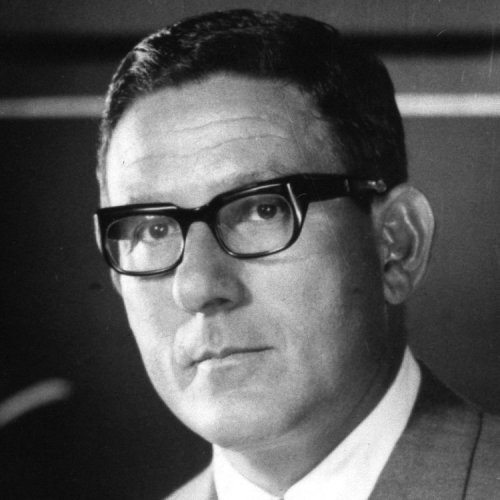
It all started with Oklahoma-born James Ling. Ling had a rough upbringing, his father ran out on his family and his mother died of blood poisoning. He was raised by his Aunt in Shreveport, LA.
At 21 in the early 1940s, Ling, already married and with children, wanted to provide for his family, so he became an apprentice electrician during the day and worked at an aircraft factory at night.
In 1944, he joined the Navy and was sent to electrical school, where he graduated 2nd in his class.
In 1946, after being discharged, he moved to Dallas and founded the Ling Electrical Company. By 1954, Ling was doing $1 million a year in business. But James wanted more. He decided to take his firm public in 1955, selling shares at a booth at the Texas State Fair.
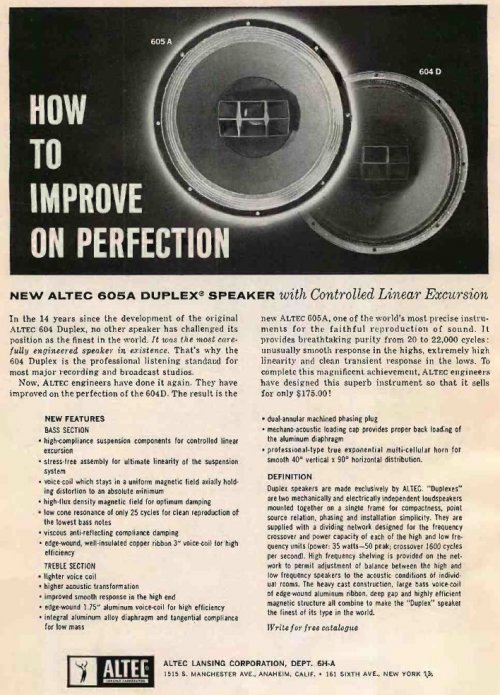
That IPO sent Ling on a path of corporate empire-building that would last a decade and a half. His first acquisition was Altec Lansing, a manufacturer of audio equipment, in 1958. Taking advantage of name recognition, Ling Electric became Ling Altec.
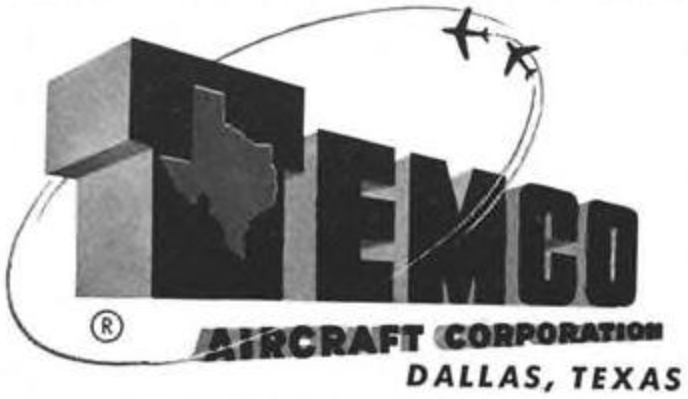
Next up was the Texas Engineering and Manufacturing Corporation or Temco, a maker of military aircraft. Altec was demoted, with the company name changing to Ling-Temco
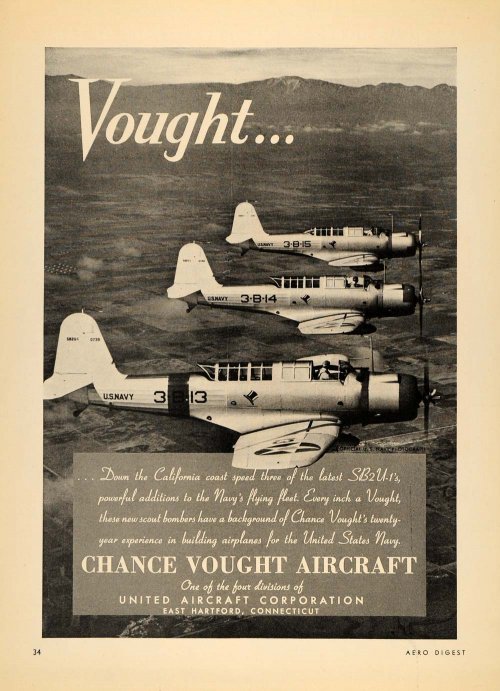
Then would come the acquisition most people on this site care about. Chance Vought was a big aircraft company whose sales were almost double Ling's. Going deep into debt, the company and Ling himself bought up more and more of the company's stock, much to the chagrin of Vought's management. By March 1961, Ling owned 40% of Vought and a marriage was arranged, forming the company's final name of Ling-Temco-Vought.
In 1964, Ling began Project Redeployment. He split his company into 3 divisions: LTV Aerospace, LTV-Altec, and LTV Electrosystems and sold 125,000 shares of stock to the public for each one (LTV had 1 million shares in each). Wall Street dubbed him a genius.

Despite the name staying the same, the acquisitions continued. In 1966, they bought Okonite, a maker of electrical cables.
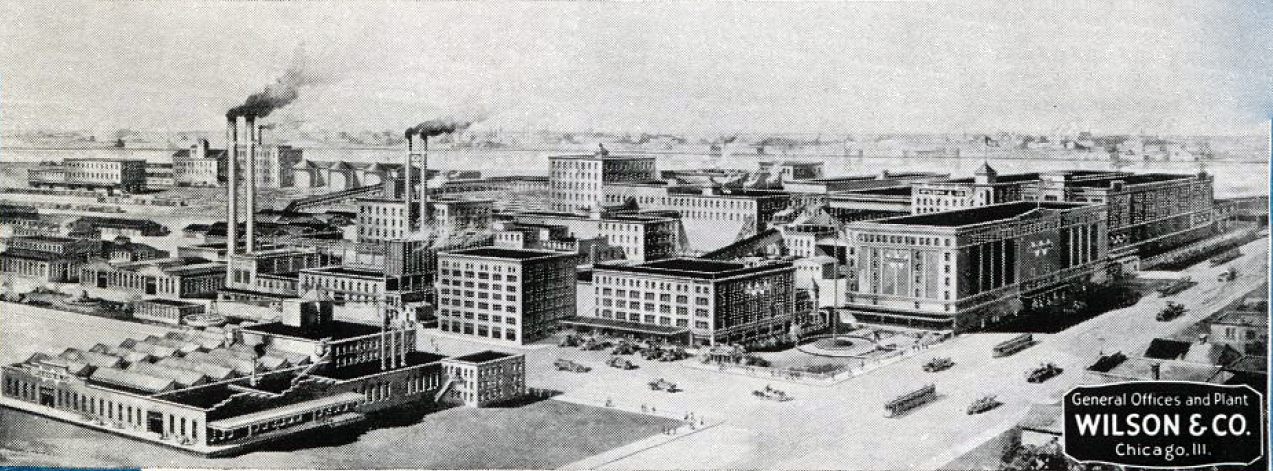
Wilson and Co was a conglomerate itself, centered in meatpacking, but also with pharmaceutical and sporting goods businesses. It was bigger than LTV, but thanks to LTV's massively overvalued stock, they were able to buy them in 1967. They then proceeded to split the company into 3 and sell shares. On Wall Street they were known as "Meatballs", "Golf Balls", and "Goofballs".
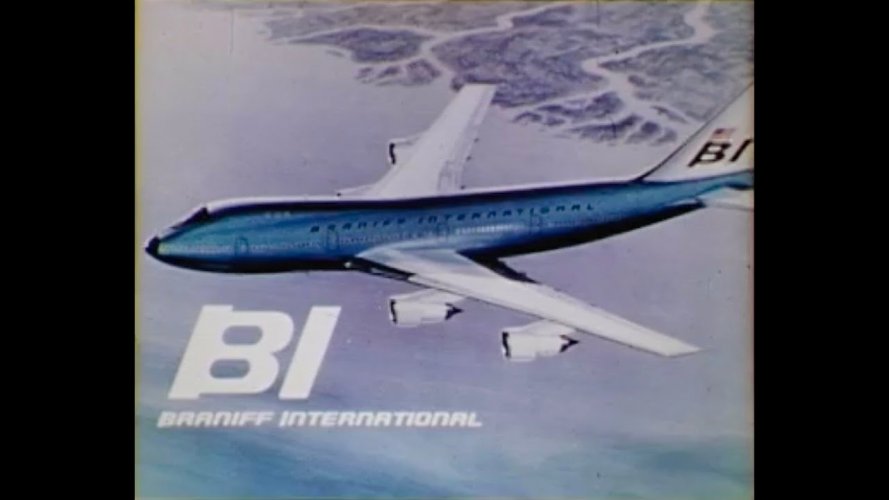
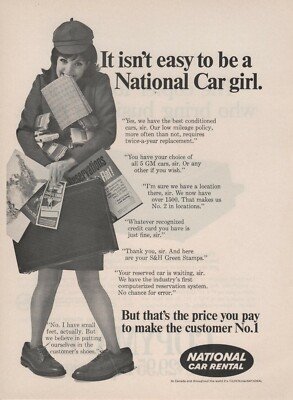
I assume that at some point, Ling went on a business trip, flying with Braniff and renting a car with National, and he was so impressed that he bought Greatamerica Corporation, which owned both of them, as well as a bunch of insurance companies.
The next year, Jones and Laughlin, one of the nation's largest steel producers, was added to the LTV fold.
At this point, LTV was the 14th largest industrial company in the United States, with gross sales of $3.7 billion, employing 100,000 workers, and selling 15,000 different products.
But this empire was built on sand. Ling's strategy worked by taking out large amounts of debt with the value of the companies serving as collateral. When LTV's stock was trading multiple times the book value, he could bring in companies with lower P/E ratios cheaply. And thanks to the loose accounting standards of the time, the financial statements made it look like the LTV's prosperity was growing just by adding more companies.
LTV was not alone in this. Conglomerates were a huge fad, with another one ITT, even bigger, as well as Litton, Textron, Teledyne, and Gulf and Western (if you've watched an old movie, when the Paramount studio card appears, you'll see "A Gulf and Western Company").
But Wall Street analysts began realizing that these jumbled masses of unrelated businesses weren't creating any value and investors began pulling their money out quickly
In 1970, largely due to problems at Jones and Laughlin, LTV posted a loss and James Ling was fired.
The years afterward were not good ones. In 1971, under an antitrust settlement, they had to sell Okonite and Braniff. In 1986, they filed for bankruptcy and in 1992 sold their aircraft division to Northrop and the missile division to Loral. What remained was largely a steel company, appropriately they renamed themselves LTV Steel and continued to do business until going bankrupt for good in 2001. Ling himself would pass away in 2004.
So that's LTV, a conglomerate formed by an electrician from Texas that at one point manufactured fighter jets, packaged meat, underwrote insurance, and rented cars but is today all but forgotten, with only the Vought name bringing any recognition.
Epilogue: Today, Wall Street hates conglomerates. They believe that companies perform best when they are focused on one core line of business, hence the break up of United Technologies, General Electric, Johnson and Johnson, Dupont, and Honeywell.
But there is one exception. Berkshire Hathaway was a struggling textile producer before being purchased by Warren Buffet in 1964, who then tacked on See's Candies, National Indemnity, Geico, Nebraska Furniture Mart, Dairy Queen, and BNSF Railroad among others and unlike the other conglomerates of the 1960s has been very successful. In his 2014 letter to shareholders, Buffet reflected on Ling and warned "Periodically, financial markets will become divorced from reality – you can count on that. More Jimmy Lings will appear. They will look and sound authoritative. The press will hang on their every word. Bankers will fight for their business. What they are saying will recently have “worked.” Their early followers will be feeling very clever. Our suggestion: Whatever their line, never forget that 2+2 will always equal 4. And when someone tells you how old-fashioned that math is --- zip up your wallet, take a vacation and come back in a few years to buy stocks at cheap prices."
Last edited:
 .
.

