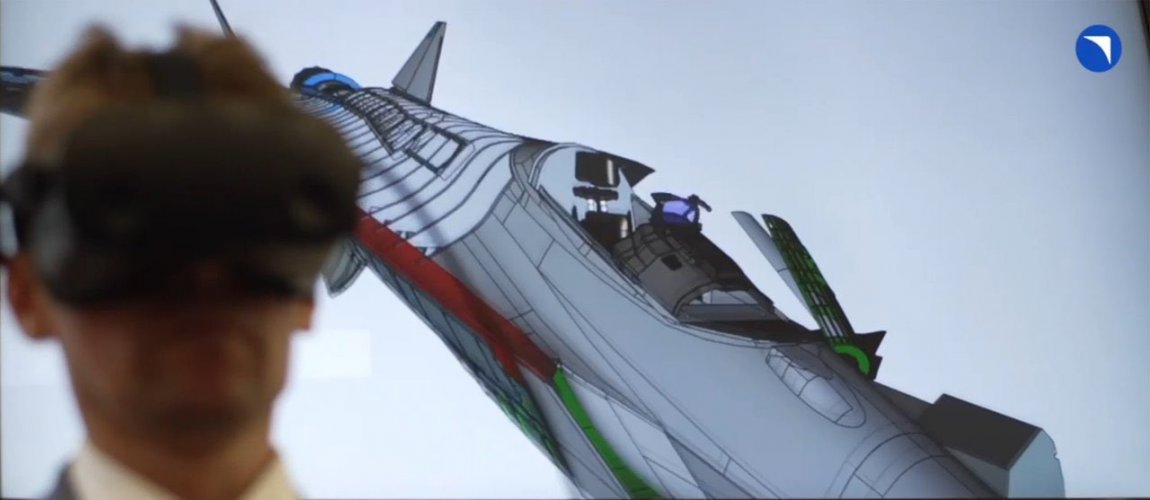
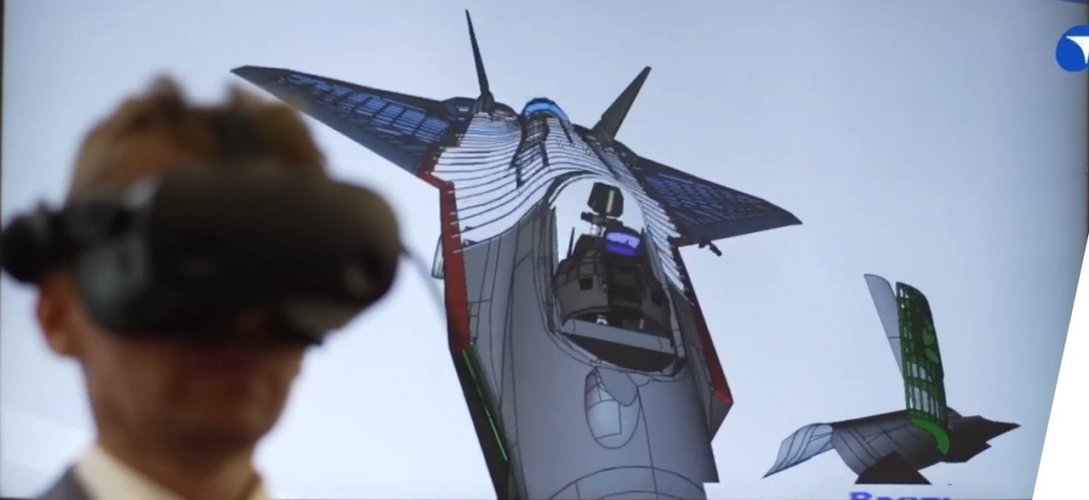
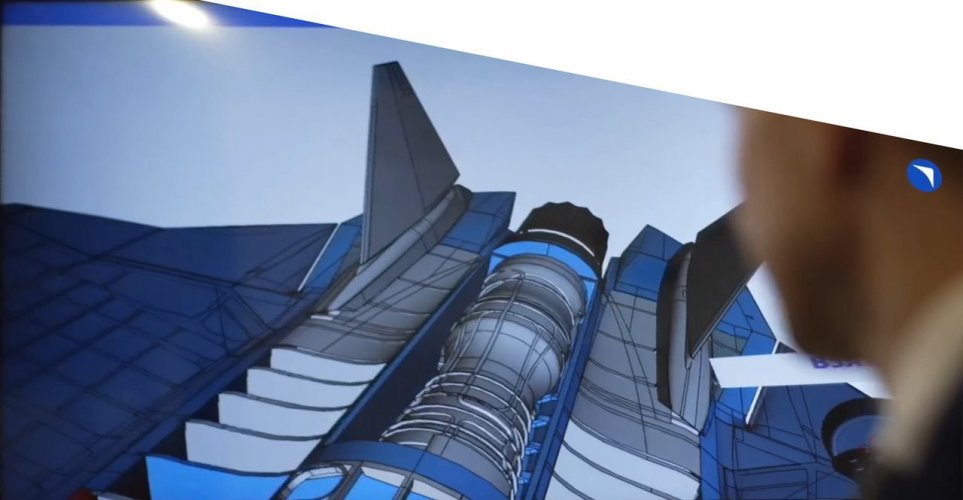
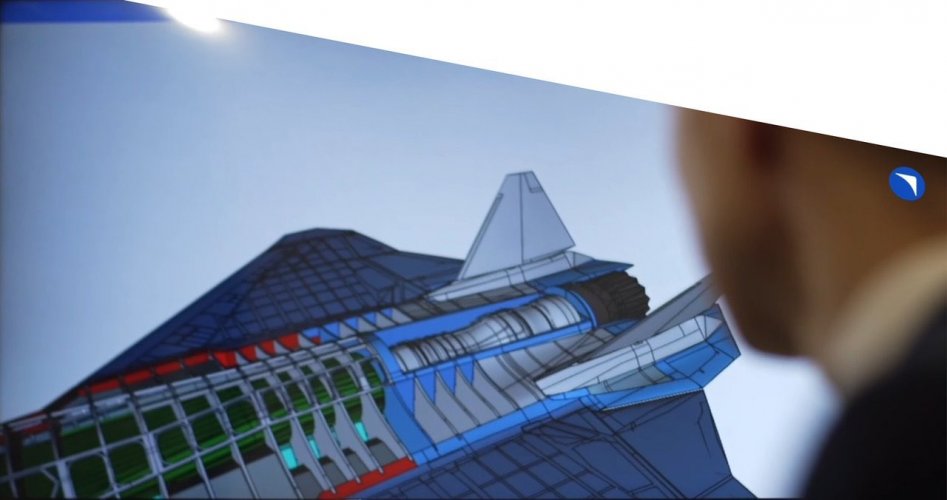
RIA Novosti: Moscow and Minsk continue to work on creating the Su-75 fighter
SKOLKOVO (Moscow region), May 28 - RIA Novosti. Russia and Belarus continue to work on the project to create the fifth-generation fighter Su-75 Checkmate, the Federal Service for Military-Technical Cooperation (FSMTC) of Russia told RIA Novosti.
"Currently, work is being carried out with Belarusian partners on a variety of projects in the development and production of various aircraft, including the Su-75 aircraft," they said
FSMTC within the framework of the First International Security Forum.
In addition, the service clarified that the planes
Su-57 and Su-75 are vehicles of different classes and are designed to solve different problems. Therefore,
the statement that the Su-75 is an alternative to Su-57E, not entirely correct, the FSMTC emphasized.
The International Security Forum is held under the auspices of the Security Council
RF from 26 to 29 May in
Moscow region.
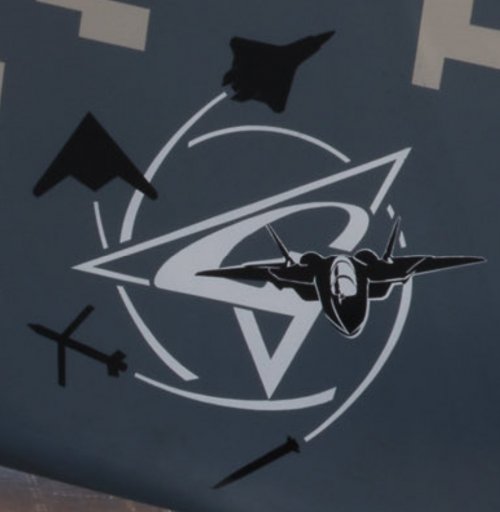
The fifth-generation Checkmate light tactical aircraft (Su-75) developed by Sukhoi was first presented at the MAKS-2021 air show. The foreign presentation of the fighter model took place that same year at the Dubai Airshow 2021. The CEO "
Rosoboronexport"
Alexander Mikheev previously reported that Checkmate could become a platform for joint development of a new aircraft with partners from other countries.