- Joined
- 26 May 2006
- Messages
- 37,557
- Reaction score
- 19,598
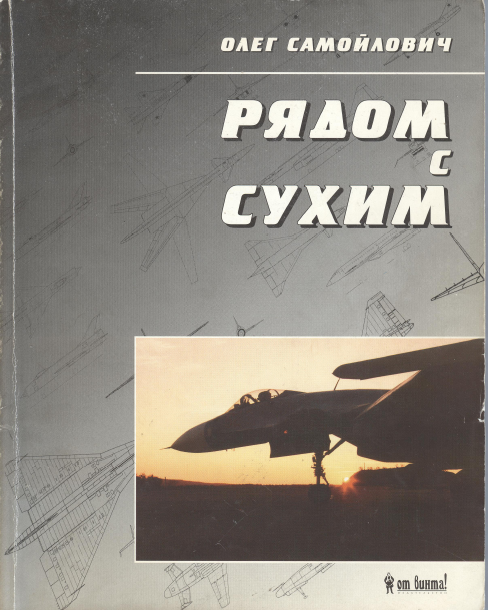
From this book,
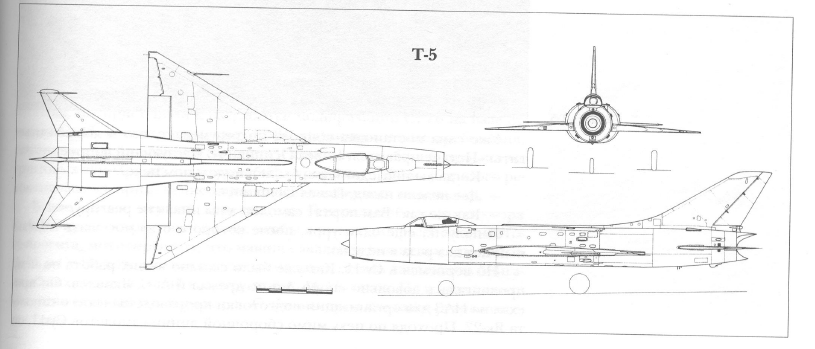
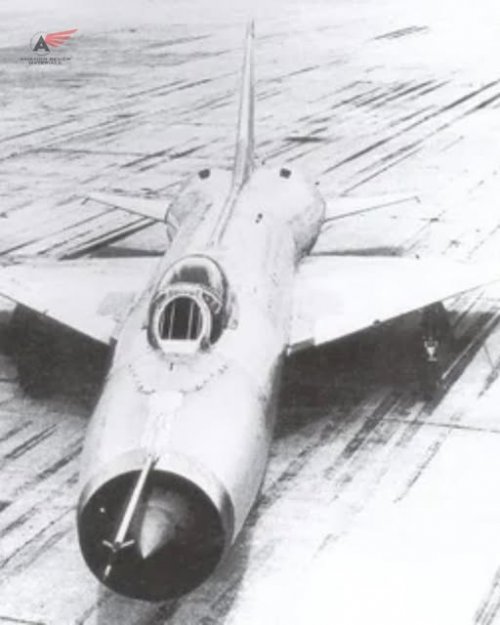
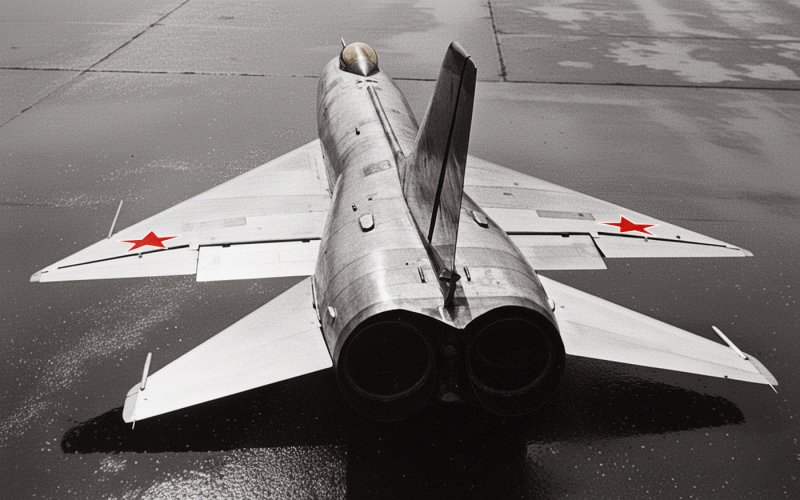
Before the world knew the fearsome and agile Su-27 Flanker, there was the Sukhoi T-5 — a bold experimental prototype developed in the early 1970s as part of the Soviet Union’s quest to match or outperform the American F-15 Eagle. The T-5 was among the earliest iterations under the PFI (Perspektivnyy Frontovoy Istrebitel or Advanced Frontline Fighter) program, and served as a testbed for new concepts in aerodynamics, flight control systems, and overall layout that would define the legendary Flanker series.
With its twin-engine configuration, blended wing-body design, and large wing area, the T-5 featured the design DNA that would later evolve into one of the most respected air superiority platforms of the Cold War and beyond. Though it never entered service, the lessons learned from its test flights directly influenced the Su-27's outstanding maneuverability, long range, and powerful radar systems.
Before the world knew the fearsome and agile Su-27 Flanker, there was the Sukhoi T-5 — a bold experimental prototype developed in the early 1970s as part of the Soviet Union’s quest to match or outperform the American F-15 Eagle. The T-5 was among the earliest iterations under the PFI (Perspektivnyy Frontovoy Istrebitel or Advanced Frontline Fighter) program, and served as a testbed for new concepts in aerodynamics, flight control systems, and overall layout that would define the legendary Flanker series.
With its twin-engine configuration, blended wing-body design, and large wing area, the T-5 featured the design DNA that would later evolve into one of the most respected air superiority platforms of the Cold War and beyond. Though it never entered service, the lessons learned from its test flights directly influenced the Su-27's outstanding maneuverability, long range, and powerful radar systems.