Su-57 Avionics

It seems that BINS-SP-2/M has two antennas for the sat-correction mode .We can see them behind the big white round antenna, in this case ,on the flying prototype T-50-4 .

And that's satelite navigation, not inertial navigation.;-) But to be fair it's simply what is commonly referred to as "Embedded GPS INS", replace GPS with the satnav system of your choice.
 
And that's satelite navigation, not inertial navigation.;-) But to be fair it's simply what is commonly referred to as "Embedded GPS INS", replace GPS with the satnav system of your choice.

BINS in fact means ''strapdown inertial navigation system''.

'' БИНС-СП-2M Бесплатформенная инерциальная навигационная система = BINS-SP2M strapdown inertial navigation system.''

''A strapdown inertial navigation system (INS) uses accelerometers and gyroscopes rigidly attached to a vehicle (strapped down) to determine its position, orientation, and velocity. Unlike traditional gimbaled systems, where the inertial sensors are mounted on a stabilized platform, strapdown INS directly measures the vehicle's motion. This approach offers advantages in terms of size, cost, and reliability. ''
 

Yes tnx. On the photos is laser gyroscope. There is two antennas for the sat-correction mode,I mentioned that earlier.

''The BINS-SP2 architecture is based on three laser gyroscopes and three quartz accelerometers. The system can establish the platform’s coordinates and motion variables in the absence of external data inputs.
Error in computing position is 1.85 km/hour of flight in autonomic mode, and 30 meters in satellite correction mode (flight length does no matter).''
 
Error in computing position is 1.85 km/hour of flight in autonomic mode ,
So about the same as existing inertial nav systems.

and 30 meters in satellite correction mode (flight length does no matter).''
but significantly worse than GPS systems (5m), including the average cell phone.
 
BINS in fact means ''strapdown inertial navigation system''.

'' БИНС-СП-2M Бесплатформенная инерциальная навигационная система = BINS-SP2M strapdown inertial navigation system.''

''A strapdown inertial navigation system (INS) uses accelerometers and gyroscopes rigidly attached to a vehicle (strapped down) to determine its position, orientation, and velocity. Unlike traditional gimbaled systems, where the inertial sensors are mounted on a stabilized platform, strapdown INS directly measures the vehicle's motion. This approach offers advantages in terms of size, cost, and reliability. ''

I know what it means. I pointed out that the antennas are for the integrated satnav system. An INS is self-contained, independant and for these characteristics still the primary navigation sensor for present position determination.
 
I know what it means. I pointed out that the antennas are for the integrated satnav system. An INS is self-contained, independant and for these characteristics still the primary navigation sensor for present position determination.

Hm ,here are the data by Polishman :

  • ГЛОНАСС Глобальная навигационная спутниковая систeма = GLONASS satellite receiver.
  • CPC спутниковая радиосвязь = satellite radio link and CMB радиолиния= satellite radio-line. Transmitters are located probably in top of the fins.''

Now we have one big circle antenna behind the cockpit canopy. That is the antenna for the Sat. Navigation ( GLONASS).

System known as BINS-SP-2M has its own little white rectangular antennas for the Sat. Correction.

Also as he wrote, SRS/SMV antennas are positioned in the top of the fins ( vert. stabilisers of course).
 
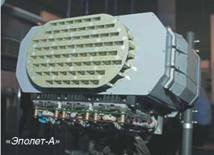
When we talk about the first public showing of the AESA ( both, X and L band) it is interesting that in fact, first AESA for the PAK-FA/ T-50/Su-57 that was publicly shown was X-band AESA known as 'Epolet-A' positioned in the tailboom with 68 TRM's .That happened on MAKS 2005 .

''Первые практические результаты экспериментальных работ НИИП по РЛС с АФАР были представлены в августе 2005 г. на МАКС-2005, на котором предприятие продемонстрировало уже испытанный на стенде действующий экспериментальный образец малоразмерной АФАР, состоящей из 68 ППМ – «Эполет-А» (подробнее об этом – см. «Взлёт» №10/2005, с. 11). Его можно рассматривать не только как автономную систему целеуказания и наведения ракет «воздух-воздух», но и как своего рода демонстратор технических решений, которые будут использоваться в МИРЭС будущего ПАК ФА.''

''The first practical results of the experimental work of the Research Institute of Aerospace Engineering on radars with active phased array antennas were presented in August 2005 at MAKS-2005, where the company demonstrated a working experimental model of a small-sized active phased array antenna that had already been tested on a stand,, consisting of 68 Epolet-A TRMs (for more details, see Vzlet, No. 10/2005, p. 11). It can be viewed not only as an autonomous targeting and guidance system for air-to-air missiles, but also as a kind of demonstrator of technical solutions that will be used in the future PAK FA.''


Epolet-A.jpg


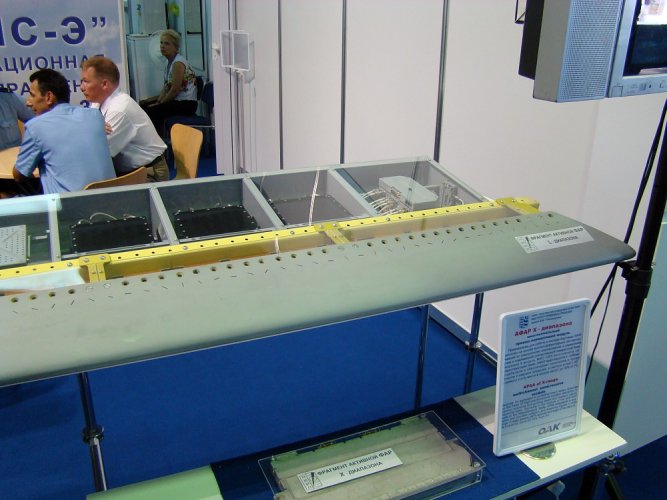
Then on the MAKS 2007 model of the decimetric L band AESA N036L was presented with one TRM for the main centimetric X band AESA N036 .

AFAR-L Su-57 MAKS 2007 1.jpg


On MAKS 2009 real model of the main X band AESA N036 was presented for the first time.


N036B as SLAR X band AESA was shown for the first time on MAKS 2013.


1771286781150.png
1771287700615.png
1771287774154.png
1771288463301.png
1771289110112.png
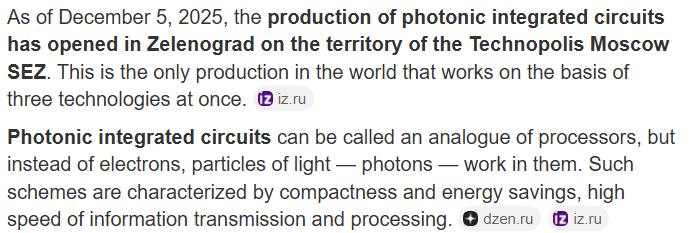
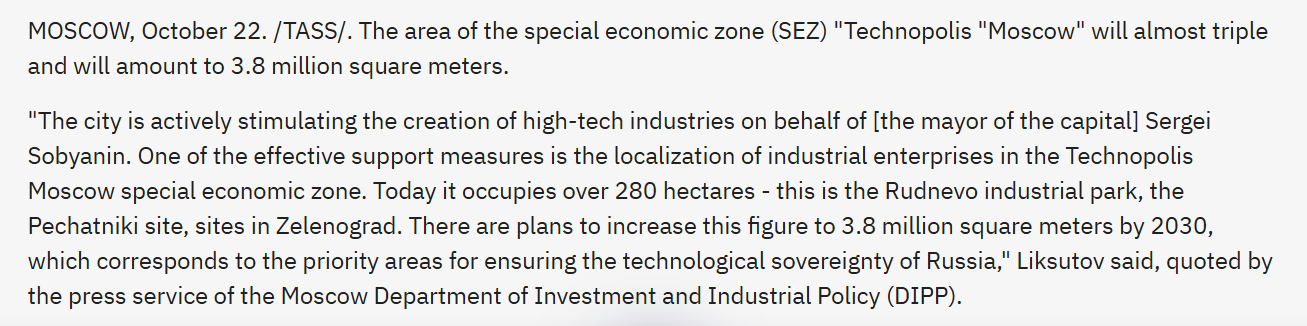
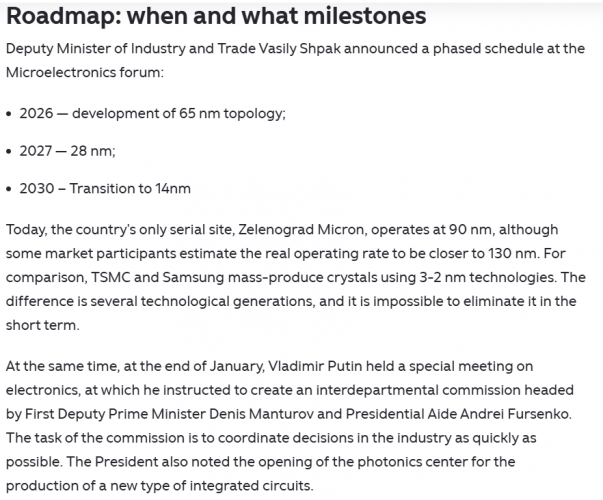
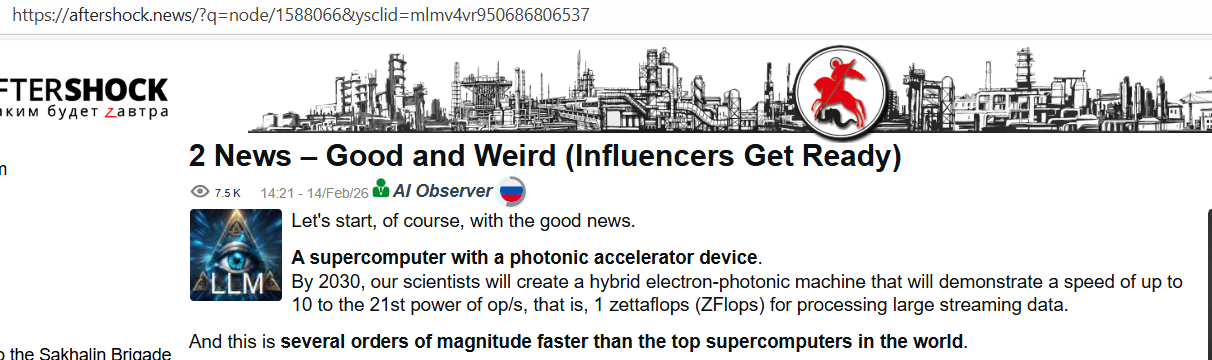
The 2019 contract has to finish the 76 aircraft total for 2027-2028. Is there another pending contract or contract yet to sign for a 2nd Su-57 order? 2030 looks like a good date for another avionics upgrade in having a radar and computer run on PICs with enhanced tracking and artificial intelligence capabilities.
 
Well, thats a bunch of random stuff from random places with no direct relevance to Su-57 at all.

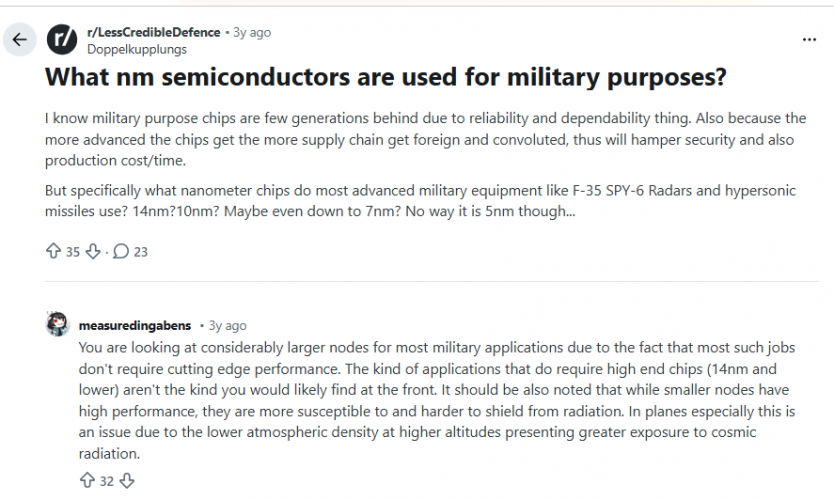
90nm is 20+ years behind the curve. They have a lot of ground to make up, and I'm not sure that avionics is the best place for bleeding edge new process implementations. However, if the latest Su-57M uses 2000s avionics technology, that puts them level with early F-35s presumably at a technical component level?
 
Last edited:
I thought nodes most aircraft radars are limited to is interesting information because my google/yandex search results are like all saying T/R modules are limited to something like 100nm-200nm. Only asking about a 2nd contract if you know anything about that or they have not said any estimated date on a 2nd contract?I am assuming anything past a 2030 date will implement PICs into a 2nd order contract aircraft.
 
The 2019 contract has to finish the 76 aircraft total for 2027-2028. Is there another pending contract or contract yet to sign for a 2nd Su-57 order? 2030 looks like a good date for another avionics upgrade in having a radar and computer run on PICs with enhanced tracking and artificial intelligence capabilities.

Yes ,contract worth 170 million Rubles for 76 serial Su-57 with delivery until the end of 2027.There was no sign of any other contract in the meantime.

When we talk about modernization ,they have two flying prototypes of the Su-57M ( 058 and 511 blue) .511 blue flew for the first time on Oct 2022. Su-57M possess modernized Sh121M MIRES integrated complex ,modernised 101KS 'Atol' self-defence optical-electronic complex etc. As Sergey Bogdan said, he achieved several test flights where he did absolutely nothing from the take off to the landing phase.
 
Last edited by a moderator:

Similar threads

Back
Top Bottom