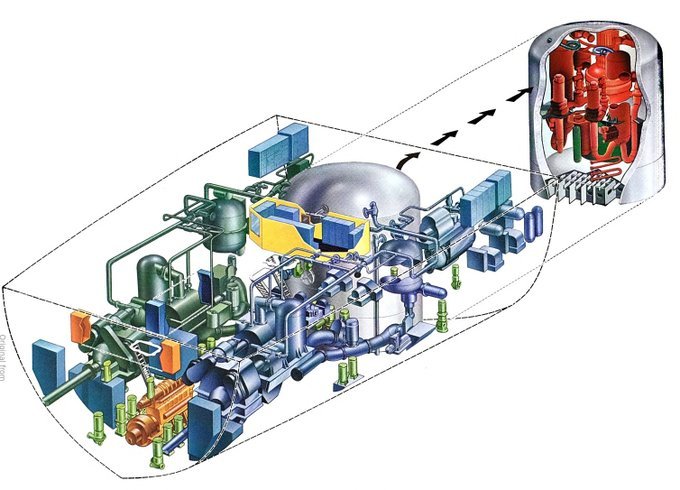
General Atomics sodium based reactor safe bet cost overruns and failure just like rail gun, and EMALS.

Overall Track record Sodium reactors pretty poor..

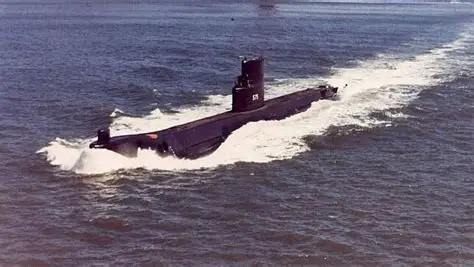
USS Seawolf: poor superheater and massive corrosion issues.
1787956509740.png

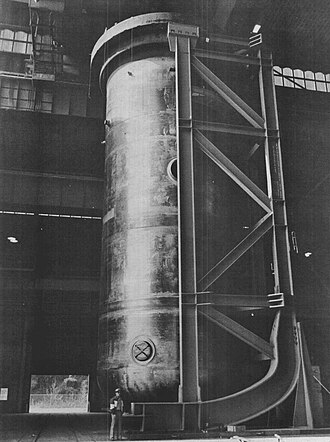
Clinch River: Massive 400% cost overruns, abandoned.
1787956569517.png

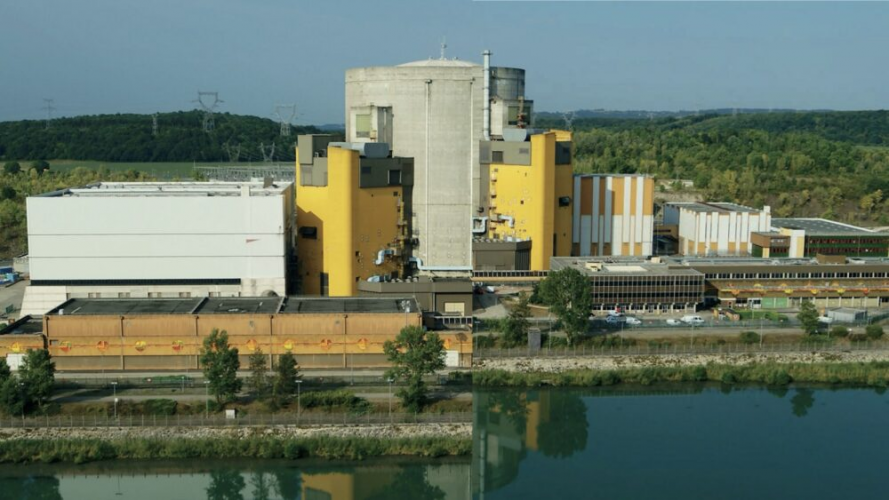
Superphenix: Poor capacity factor, despite claims higher than 65% they were in low power outputs giving it average 13% entire life expectancy. Despite promise in proxy re-fueling, that never achieved, reactor had shutdown to refuel
1787956592641.png

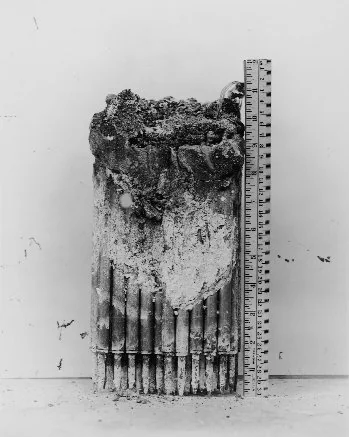
EBR-1: partial Meltdown
1787956648229.png

EBR-II: another partial Meltdown., ran 57% capacity factor life of 20 years

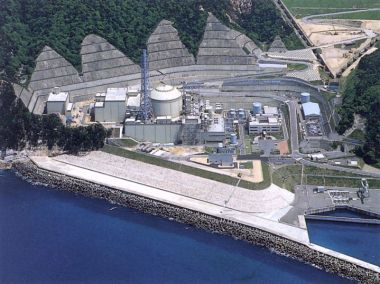
Monju: Poor capacity, corrosion issues, management problems, lack economic model, suffered a catastrophic sodium loop fire caused millions in damage, terminated operation for decade. Expected cost clean up 2.5 to 25 Billion dollars and time to completion til 2047-2054
1787956670619.png

Terrapower/Natrium: founded Bill Gates 2006. First proposal was Traveling wave reactor, abandoned in favor based chloride molten reactor, abandoned again for simpler more conventional sodium technology which suffered numerous delays and construction defects and wont be ready 2031, 2040 best. Virtually No development whatsoever. Despite being dodeca-billionaire invested virtually none his own money and waited new political regime (Trump) to extol DOE funding. Then came Epstein files revealed Gates is Creep and weirdo.
 
Last edited:
Each of these reactors had 1000 times more operation time than all fusion reactors combined.

You should have mentioned the BN 600 fast Sodium cooled reactor which is in operation since 1980 and received a life time ectension until 2040. Or the BN800 which operates since 2014. If Russia will still exist in future, they will built new commercial.BN1200 reactors.

The first Phoenix reactor in France was also a succsess.

Sodium doesn't cause corrosion, the opposite is true. It happy reacts with all stuff that causes corrosion and protects the steel casing. Sodium salts can cause corrosion, but as we know nowadays, this can be suppressed if the salt is purified. Sodium salts are used in molten.salt reactors, but not in fast sodium cooled reactors.

Terrapower is something special, because they will use sodium for the first loop and a molten salt for the second loop, that's why there (in theory) )can be sodium cooled reactors with corrosion problems.

Molten salt is also used in solar power plants (Andasol).
 
Last edited:
Each of these reactors had 1000 times more operation time than all fusion reactors combined.

You should have mentioned the BN 600 fast Sodium cooled reactor which is in operation since 1980 and received a life time ectension until 2040. Or the BN800 which operates since 2014. If Russia will still exist in future, they will built new commercial.BN1200 reactors.

The first Phoenix reactor in France was also a succsess.

Sodium doesn't cause corrosion, the opposite is true. It happy reacts with all stuff that causes corrosion and protects the steel casing. Sodium salts can cause corrosion, but as we know nowadays, this can be suppressed if the salt is purified.
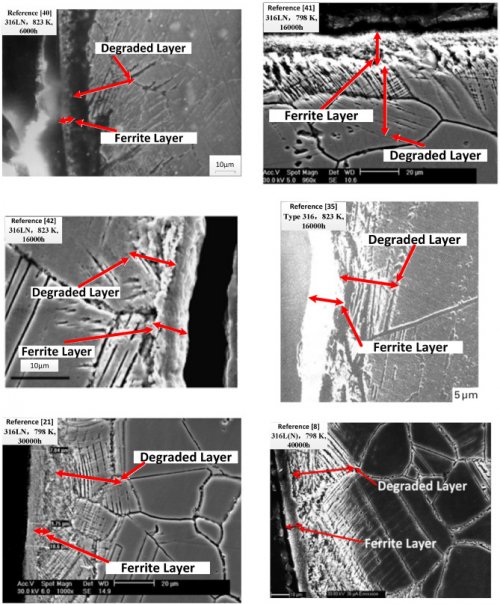
BN600 had 28 sodium leaks and 8 associated sodium fires during its first 30 years of operation. One leak per 2 years and one fire annually. By DOE standards that's a PR nightmare.

Phenix had a capacity factor 27%. While achieving good breeder ratio it was shut down frequently for refueling.

Lastly molten salt isnt sodium and sodium is not salt. Salt is an ionic compound combining metal and non metal. Sodium dissolution of metal containers is documented and studied
1000044282.jpg

And as for solar project it's bankrupt due defects and leaks.
https://news.bloomberglaw.com/bankr...ar-plant-owner-seeks-asset-sale-in-bankruptcy

Using grid power to reverse keep salt from freezing.
 
Last edited:
All the incidents of the BN600 occurred in the first 20 years of operation, since than it runs flawlessly. Sometimes it is a good thing to be persistent and it payed off. On the newer BN800, non of this troubles ever occurred. I guess, we can say, that 60 years of operation is a testimony that proofs that corrosion isn't a mayor problem in sodium cooled reactors.

As said before, there is ongoing research about the corrosion problem with molten salt, test cells are operated with molten salt being pumped around since years. Corrosion can be prevented, mainly by removing impurities, not by using exotic materials.
 
Last edited:
Not gonna happen.
Not a question of engineering but regulations. Every few years vulture capitalists argue nuclear vessels then stuff like this happens.
1000044293.jpg

1: P&I insurance for vessel size is more issue liability, insurance company would be reluctant insure such a vessel because investigators reasons would have to hire or become nuclear experts to ascertain of accident of any kind is fault of user, third party or act of God.
2: Labor costs would be static investment for the life the vessel, with monitoring the vessel must be maintained whether vessel in use or not, whether owner there or not, in use or not. It doesn't matter.
3: Reactor type namely pressurized water reactor is not ideal candidate for vessels as they get smaller.
4: Decommissioning major vessels done major scrapyards, for nuclear vessel this is impossible. Google images NS Savannah during construction and fueling, you have guys surgical scrubs and everything wrapped plastic, maintaining hospital grade sterility amd cleanliness. And cost decommissionimg is on par sizeable portion vessel.
1000044295.jpg

Shipping companies care more about low labor costs and that's done outsourcing 3rd world labor.
1000044294.jpg

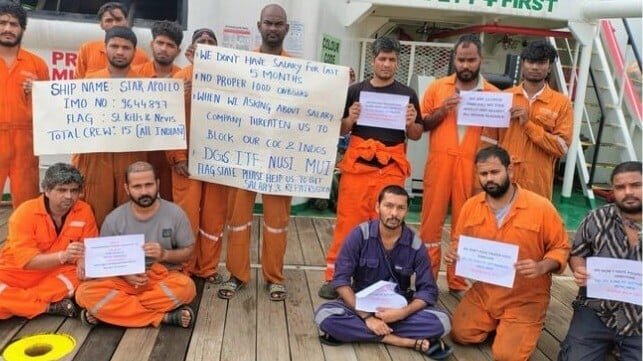
Worse if the vessel strikes environmentally sensitive area like reef/marine sanctuary. Whose compensating nations affected. Or bad if the vessel sinks in deep water and is unrecoverable. Shipping firms care more about Low operating costs, that often exploits third world labor, poorly paid and poorly treated some instances as near slavery or hostages aboard.

Many large vessel disposed of ashore in 3rd world shipbreaking. In nuclear boat dumping a potentially contaminated vessel wothout proper disposal, is out of the question.

Whether ships built China or USA the vessel usually registered in foreign ports with foreign labor.
China does not publish a single, fixed annual total for all ship crashes, but regional and specialized data from the China Maritime Administration and global maritime administrative data show an average of roughly 15 to 30 official maritime accidents per year. Between 2020 and 2022 they had 28 hull losses and ship sinking.
 
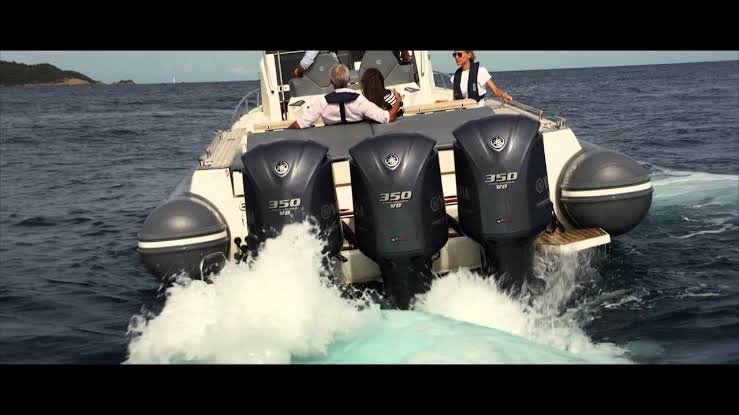
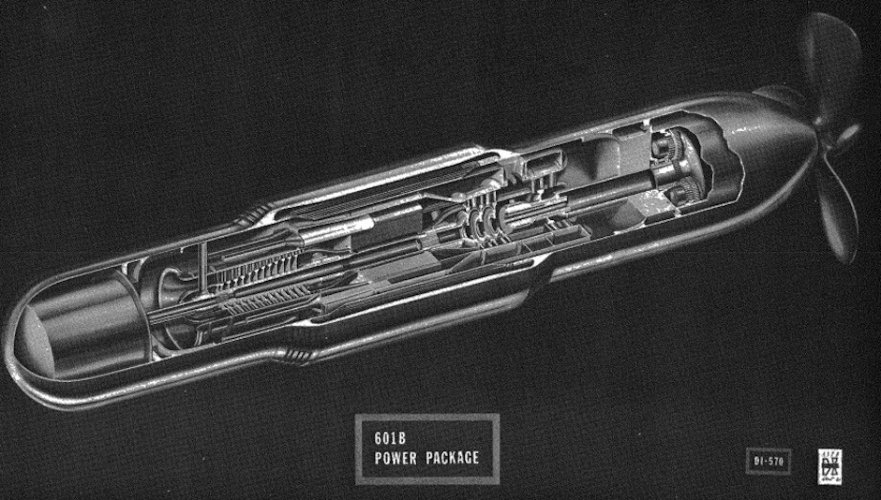
Building nuclear ships from scratch is time consuming when it simply easier to design a nuclear "outboard motor"
1000044296.jpg
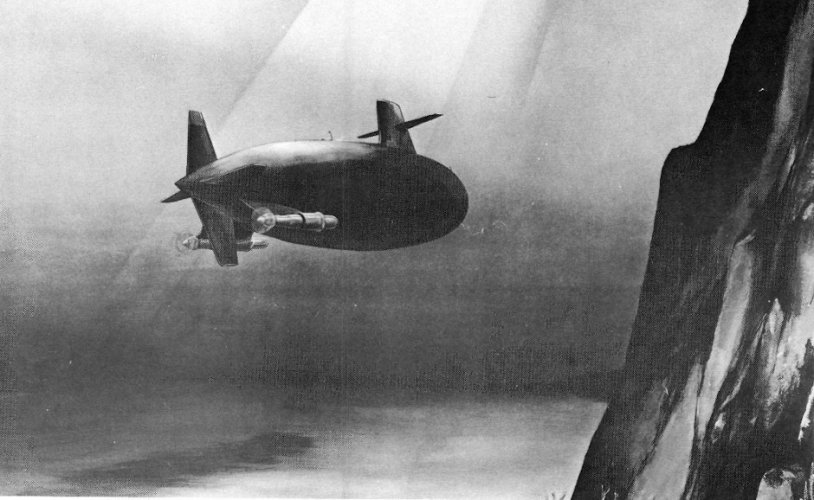
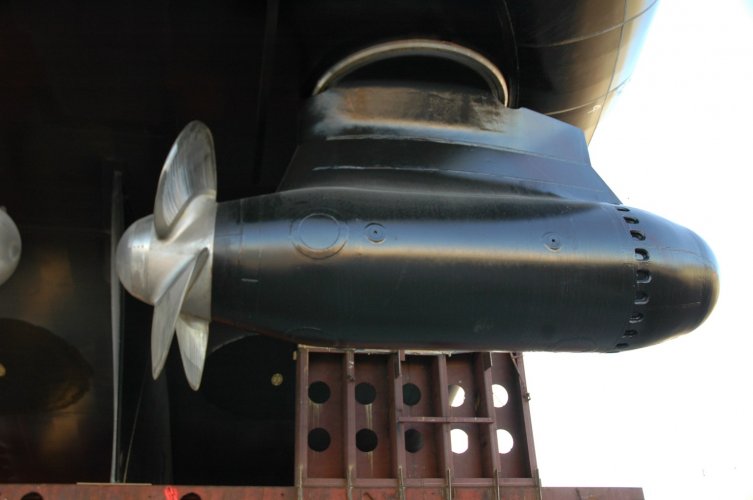
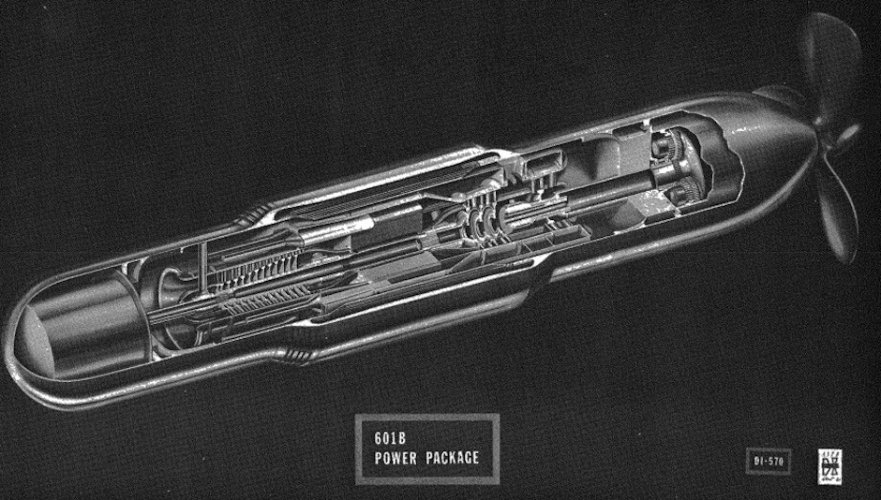
60s Navy conceived podded reactors 1000044298.jpg
1000044299.jpg

Thou idea isnt bad. 200,000 tonne container ship needs 60-80 thousand horsepower for 15 knots cruising. That requires 200 MW reactor.
Ship would still have diesel engines as auxiliary.
 
Modern ships use azipod propulsion so incorporation reactor forward of it.
Is better.
Reactor/shielding is 750-1500 tonnes
3-4 pods at 25,000 hp each propel 200K ton vessel. Pods recyclable cores operate 7-10 years


1000044302.jpg
 
As far as I know modern container ships still use the standard propeller and rudder design, ahi-pods more likely found on modern cruise-ships.
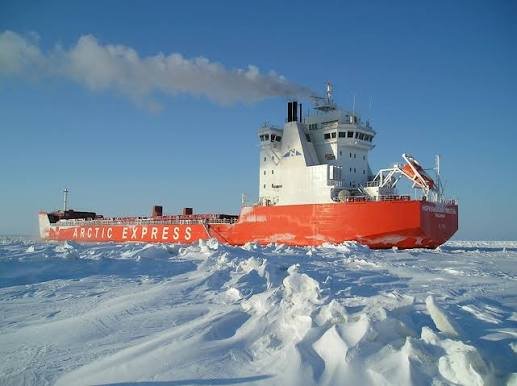
 
As far as I know modern container ships still use the standard propeller and rudder design, ahi-pods more likely found on modern cruise-ships.
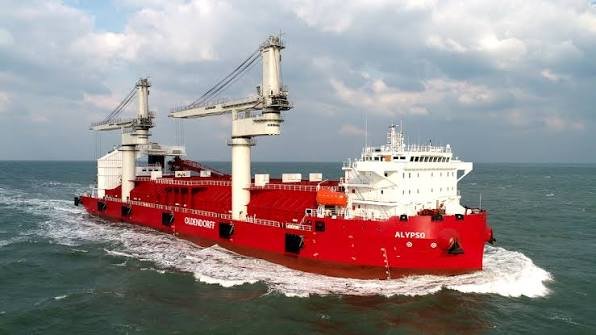
special construction and logistics vessels, arctic cargo, all use azipod to mitigate ice thickness.
1000044314.jpg
1000044313.jpg

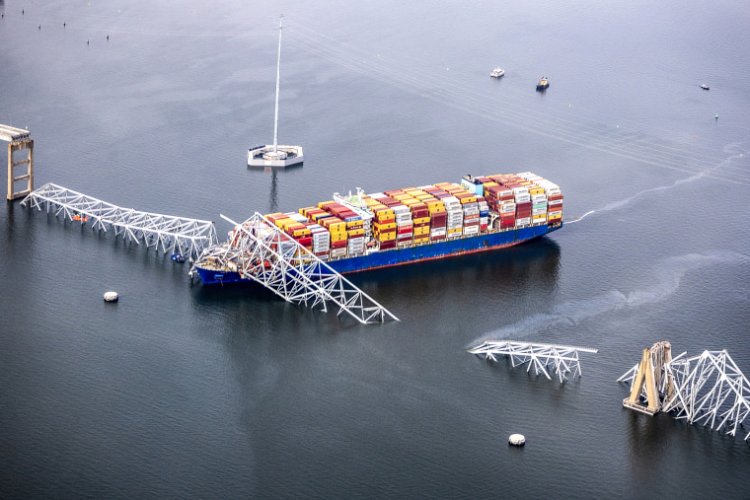
Not all container ship are Super massive vessels many have fit specific harbor depths, the ship that hit key bridge wasn't big by contemporary standards.

Also podded reactors don't need to be azipod if they produce thrust over rudders
 

Attachments

  • 1000044312.jpg
    1000044312.jpg
    288.7 KB · Views: 1
This is too complicated for business model driven to extol lowest capital and labor cost. Shipping industry transitioned to diesels from steam, result was substanitial reduction engineering labor costs. No steamfitters, pipe ditters, boiler technicians.


1000044315.jpg


The nuclear pod mitigates complex interior but downside all compacted equipment and internals can't be serviced except in specific drydock.
1000044316.jpg

The heat Pipe reactor is the better option
Though embedded in side the vessel
A electric power conversion system can be integrated to a mechanical transmission or attached electric propellers
1000044317.jpg
 
But these naked turbines are not noise damped.
So? not needed for a civilian cargo-hauler.

And I guess 80-100MWe is roughly a small reactor by sillyvilian standards. It's pretty big by naval standards, basically an A1B.

I still can't see it really working, though. Nuclear engineers aren't cheap, while a modern cargo ship sails with a crew of about 13 (going by Emma Maersk here, but other ships are equivalent)
 
Last edited:
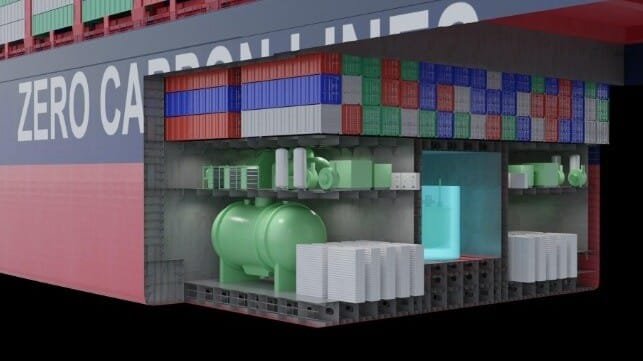
All the potential problems for civil nuclear ships are allready addressed, including insurence and classification. The power demand for large container ships matches the power of SMR very well

https://www.world-nuclear-news.org/articles/korean-smr-powered-container-ship-design-revealed#:~:text=South Korea's HD Korea Shipbuilding & Offshore Engineering,container ship model utilising small modular reactor technology
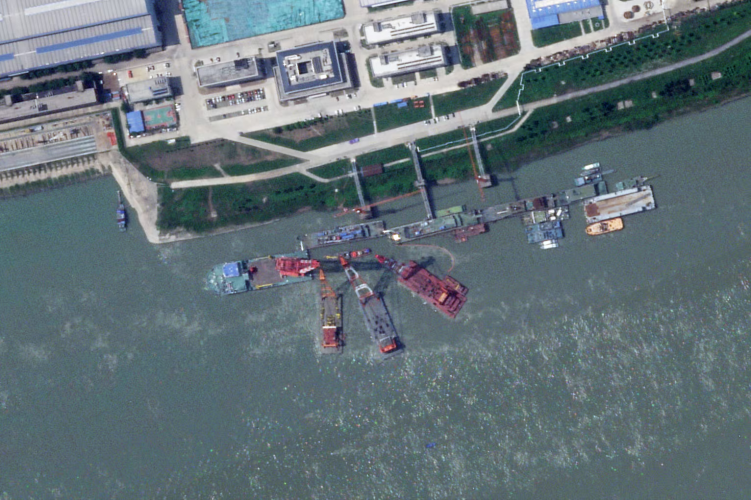
No it hasnt...The 1962 Brussels Convention on the Liability of Operators of Nuclear Ships is an international treaty designed to set uniform rules for civil liability and compensation if a nuclear-powered ship causes an accident.
The operator of the nuclear ship is strictly and solely liable for any nuclear damage upon proof of a causal link to a nuclear incident involving the ship's fuel or radioactive wastes, now granted, It's unlikely have a accident and reactor well fortified, essentially Armored.
Legal claims for nuclear damage can only be brought against the operator, protecting builders, suppliers, and crew from direct tort liability; that in and of itself is problematic, cause suspected cause is a design flaw........

Its where the ships come from. China ships have 25 accidental hull losses per year. If the ship sinks in deep water, even if the reactor doesn't breach. how get it out. And if it does... then what.
More point, insurable losses most ships register foreign ports to lower costs. Holding a nation responsible with no nuclear prioritization, isn't wise course of action.

1788083273480.png
When Chinese navy submarine sank pierside, no one paid attention, until they found Caesium-137 in the water meaning leakage.

Or how subpar China civil nuclear fleet is...
 
With a molten salt reactor, the risk is managable. Note, non.of the many sunken nuclear submarines ever caused a catastrophe outside the hull. When Loyd is activly involved in.the process, they do it for a reason. Loyd is not a Company which takes risks lightly.
 
With a molten salt reactor, the risk is managable. Note, non.of the many sunken nuclear submarines ever caused a catastrophe outside the hull. When Loyd is activly involved in.the process, they do it for a reason. Loyd is not a Company which takes risks lightly.
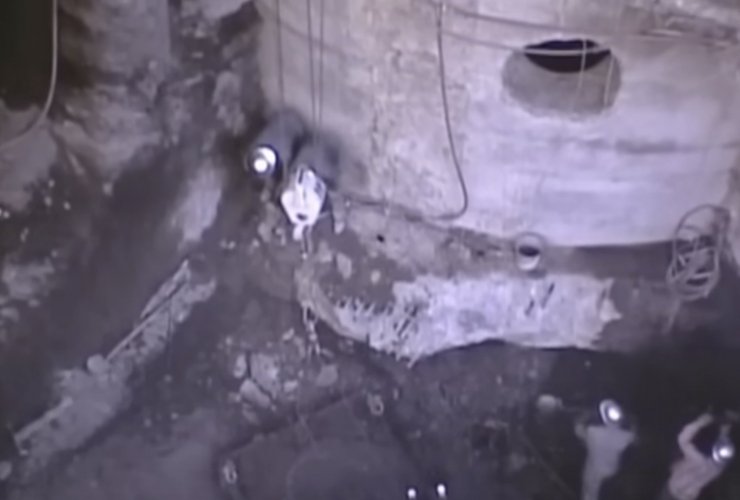
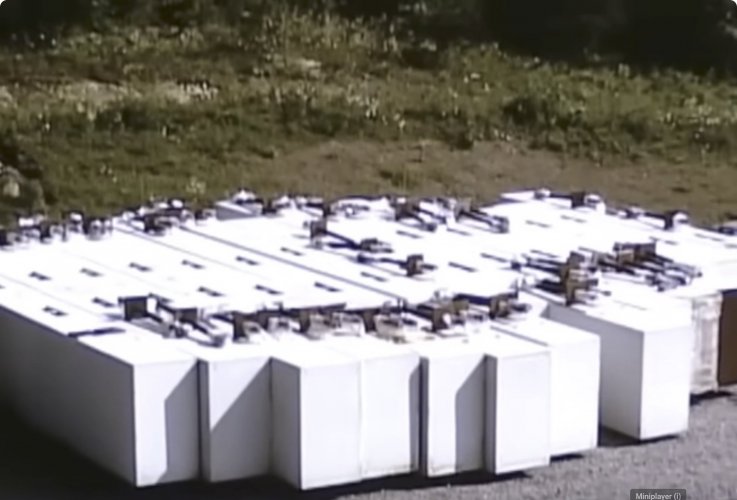
Wnenever people aregue about molten salt reactors on board a ship, I laugh. Images of Molten salt reactor experiment
It needed a meter thick magnetite concrete shield and water and meter container lid all the size of a four story building because it's a heavy gamma emitter 1000044345.jpg
1000044344.jpg
That was for a 8 MW reactor the size of a fridge.

The MSRE was shut down 254 times, of those, only about 50 were deliberate. Rest due chokes, clogs and thermal runaway issues, unexplained conditions.

1788095410164.png

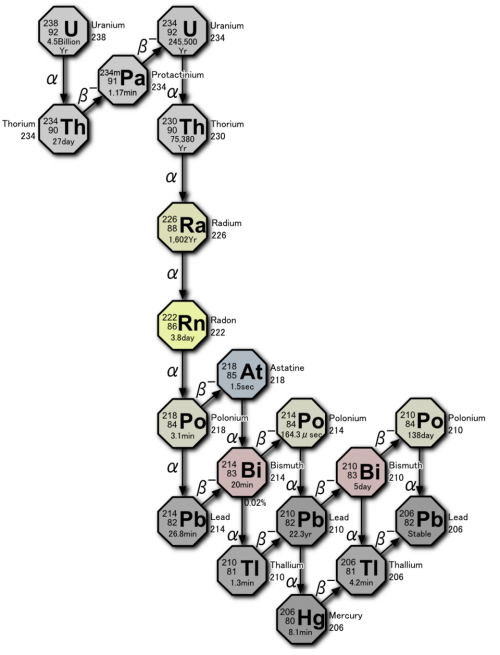
MSR' have complex extremely broad decay and transmutation cycles, it clogged constantly require charcoal pipe filters, because to keep metals like toxic beryillium out and was transmuting it's elements into other elements, it's literally alchemy in a crock pot. You cant run a reactor that spews half the periodic table at you and expect it to stay clean.

Its wastes are water soluble and have potential to dissolution into its coolant matrix
1000044346.jpg

Lastly it's molten salt, meaning you have to keep the reactor molten state and cannot let it run down into cool mode. In semi warm liquid phase shear thickening quickly produces micro parricilulates of metals, the material turns into a corrosive chunks. in solidified phase its ruined. So have to run it hot constantly whether you use it or not.

Its not ideal reactor for a ship.
 
Last edited:
nuclear "outboard motor"

A nuclear reactor plus turbine, and all of its auxiliaries easily weighs 1000 tons. Making a 1000-ton structure that both rigidly attaches to the ship (to transfer the propulsion forces) and is easily removable is a major challenge.
Hanging such a pod under a cargo ship increases its draft by several meters, which limits the ports it can visit. It's two orders of magnitude heavier than an azipod.
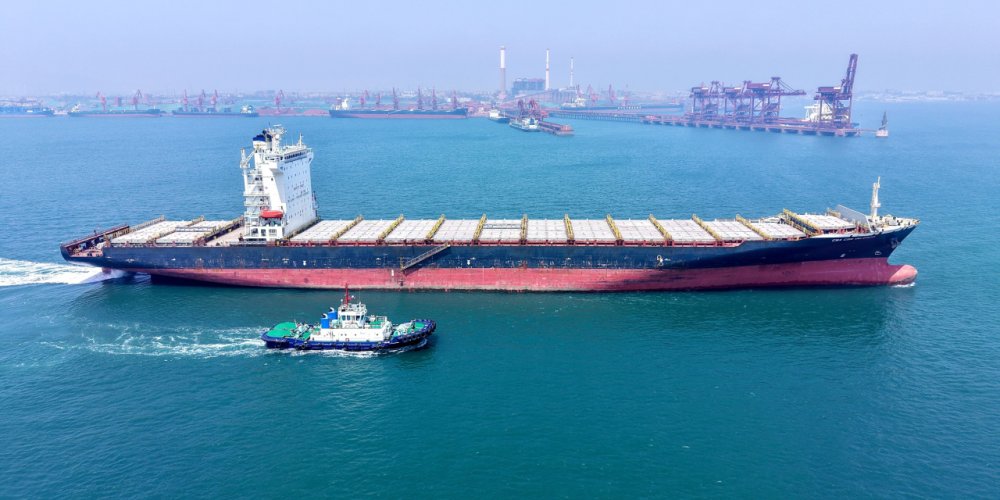
 
Starting around 15-25MW is where it starts to save fossile fuel. And it's only feasible for cargo, bulk, and tankers. In other words ships catered to huge payload. Frankly, economic speed is higher the larger these ships are, hence, nuclear becomes more attractive for big ones.
But the one important thing not being talked about is today ships are not operated for much longer than 20 yr (~22). And most of them are sold of down the rungs. Who can't afford these type of tech nor can take care of them nor afford to replace them. We don't want to give it to people running shadow fleets.
But some will argue this changes the game and owners will run the ships until the hull breaks. Sure, but history shows ships will be sold at ~50 years anyway. So it's just delaying the problem with more problemetic ships being handed down.
 
A nuclear reactor plus turbine, and all of its auxiliaries easily weighs 1000 tons. Making a 1000-ton structure that both rigidly attaches to the ship (to transfer the propulsion forces) and is easily removable is a major challenge.
Hanging such a pod under a cargo ship increases its draft by several meters, which limits the ports it can visit. It's two orders of magnitude heavier than an azipod.
Ship design dubbed -MAX-
be it Panama/Suez considers the draft when taken account of weight, the Maximum Draft of a port is taken into consideration before the vessel leaves.
2nd whats a thousand tonnes? In conventional diesel ship, they carry 8000-16000 tonnes marine oil fuel essentially a step up from Tar/asphalt and step down from actual diesel fuel. 10% VESSEL GRT is it's own fuel supply.
The pods can potentially go anywhere.

1000044424.jpg
 
Last edited:
Wnenever people aregue about molten salt reactors on board a ship, I laugh. Images of Molten salt reactor experiment
It needed a meter thick magnetite concrete shield and water and meter container lid all the size of a four story building because it's a heavy gamma emitter View attachment 822541
View attachment 822540
That was for a 8 MW reactor the size of a fridge.

The MSRE was shut down 254 times, of those, only about 50 were deliberate. Rest due chokes, clogs and thermal runaway issues, unexplained conditions.

View attachment 822542

MSR' have complex extremely broad decay and transmutation cycles, it clogged constantly require charcoal pipe filters, because to keep metals like toxic beryillium out and was transmuting it's elements into other elements, it's literally alchemy in a crock pot. You cant run a reactor that spews half the periodic table at you and expect it to stay clean.

Its wastes are water soluble and have potential to dissolution into its coolant matrix
View attachment 822556

Lastly it's molten salt, meaning you have to keep the reactor molten state and cannot let it run down into cool mode. In semi warm liquid phase shear thickening quickly produces micro parricilulates of metals, the material turns into a corrosive chunks. in solidified phase its ruined. So have to run it hot constantly whether you use it or not.

Its not ideal reactor for a ship.
As said before, shielding can also be done by earth, either by digging a hole for the reactor or by burring it under earth.

Note, there are two types of molten salt reactors, those with keep the fuel (can be dispersed on molten salt) separated from the cooling fluid (molten salt) and those which pump the molten salt with the fuel inside through the heat exchangers. The reactor concepts usually show a pool type reactor with the pool being formed by a relatively simple cup shaped container. In some reactor designs (I think it was Moltex) this container is regularly replaced every few years when the fuel is beeing used up. There will allways be one container in use and another stored to led the radioactivity decay. With the delivery of every new container, one used one is beeing transported back for recycling. The salt mixture can be reused, for the next filling.

China has two molten salt reactors, one is in operation since a couple of years (with fuel disolved in salt) and the other one is beeing built.

Floating nuclear power plants are nothing really new and despite the Russian ones which are allready operating there is strong intrest in this field. Floating nuclear power plants could be built in shipyards in serial production, which could really bring the price down. Reactor concepts which don't rely on complex pressure vessel, could be produced by shipyards with their standard equipment. There is also worldwide an overcapacity in shipyards which would happily do this job.

Here is just another one.

https://www.world-nuclear-news.org/articles/newcleo-led-consortium-to-develop-floating-nuclear-plant
 
Floating nuclear power plants are nothing really new and despite the Russian ones which are allready operating there is strong intrest in this field. Floating nuclear power plants could be built in shipyards in serial production, which could really bring the price down. Reactor concepts which don't rely on complex pressure vessel, could be produced by shipyards with their standard equipment. There is also worldwide an overcapacity in shipyards which would happily do this job.
How many of those shipyards have welders good enough to make stainless steel parts?

Plus, there's still the maintenance and operation of the steam side of the powerplant to deal with. That is what takes so many bodies, not the nuclear heat source.

While a big diesel or GT only takes one dude on watch, steam machinery takes ~6.
 
How many of those shipyards have welders good enough to make stainless steel parts?

Plus, there's still the maintenance and operation of the steam side of the powerplant to deal with. That is what takes so many bodies, not the nuclear heat source.

While a big diesel or GT only takes one dude on watch, steam machinery takes ~6.
Note, some large container ships like the Emma Maersk allready have a steam propulsion system which makes use of the exhaust waste heat from the Diesel main engine. So even today, steam power on ships is not so uncommon.

Welding stainless steel is nothing very unusual and not particularly difficult. The LNG tanks are made of welded steel, some of the swinning pools and of course many internal vessels for transpoting various chemicals.
 

Similar threads

Back
Top Bottom