- Joined
- 27 December 2005
- Messages
- 19,230
- Reaction score
- 35,695

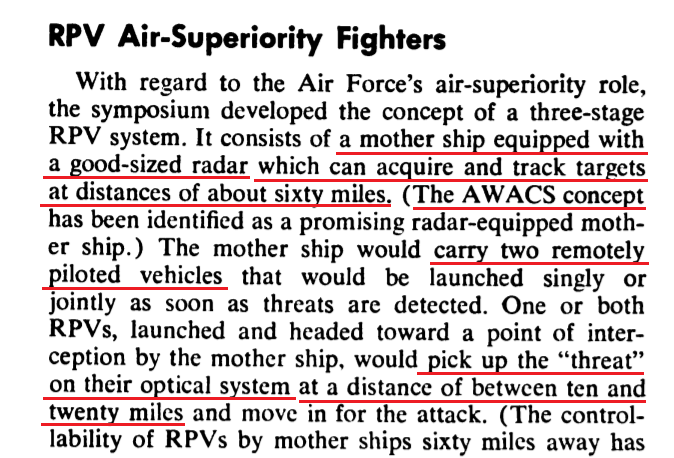
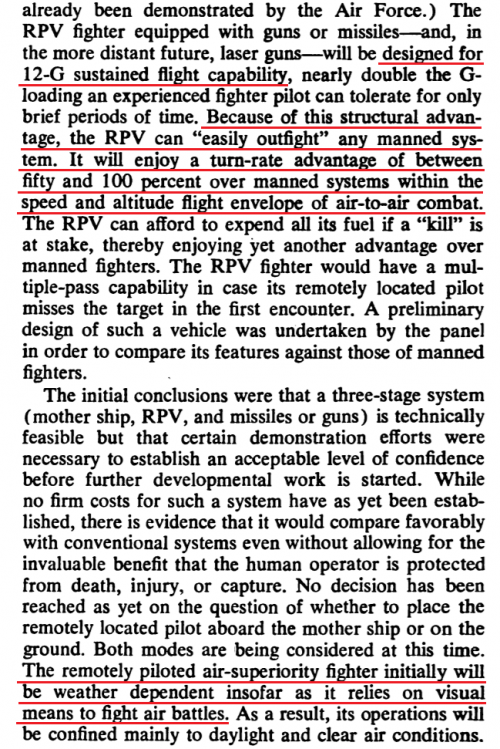
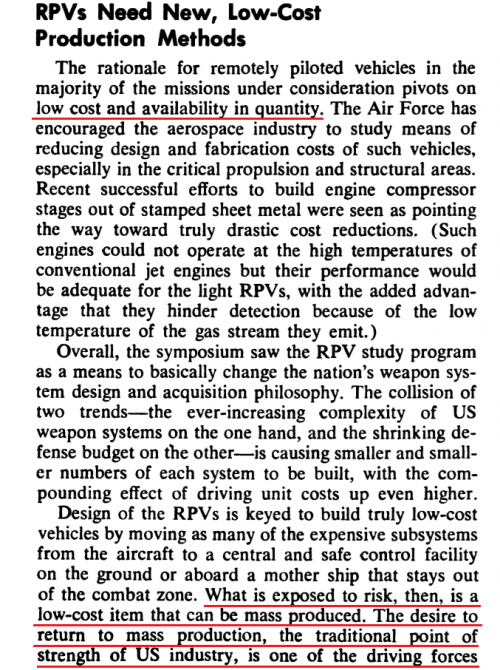
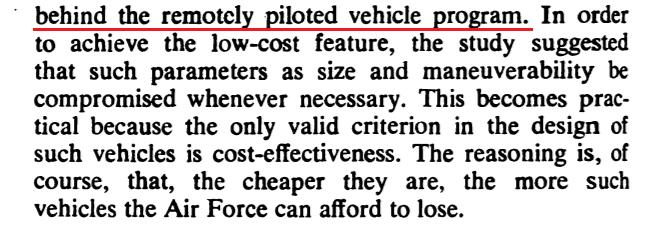
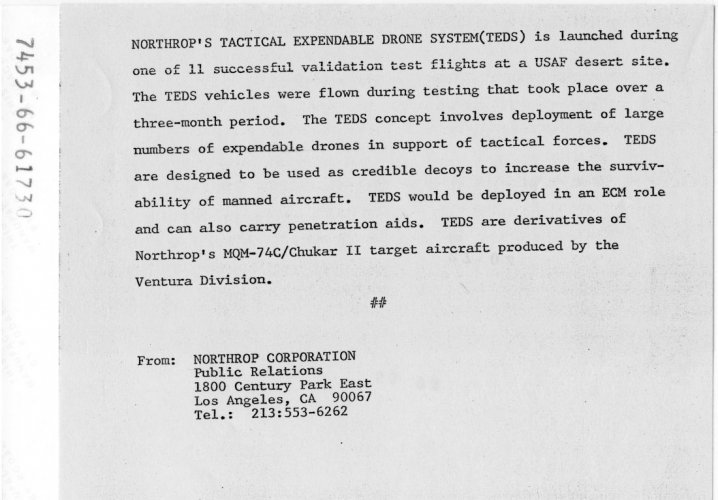
Source: Northrop News Feb 1972


Looks familiar.
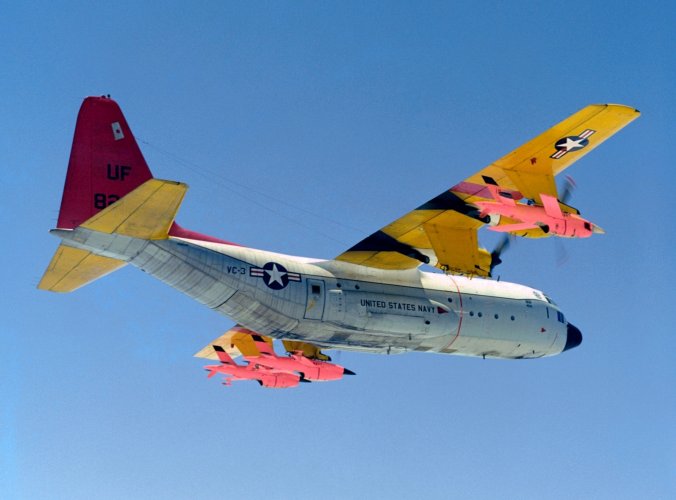
Control was the obvious weak link. C-130s had the pilots onboard as I recall. Have seen pictures of drones armed with Mavericks, Shrikes, bombs, etc. When I was a kid (late 70s) they built a building up at Hill AFB to operate these things.I remember there was a lot of hype surrounding RPV back then. There were several books about it that kept the hype going. And then, all of a sudden, the hype disappeared.

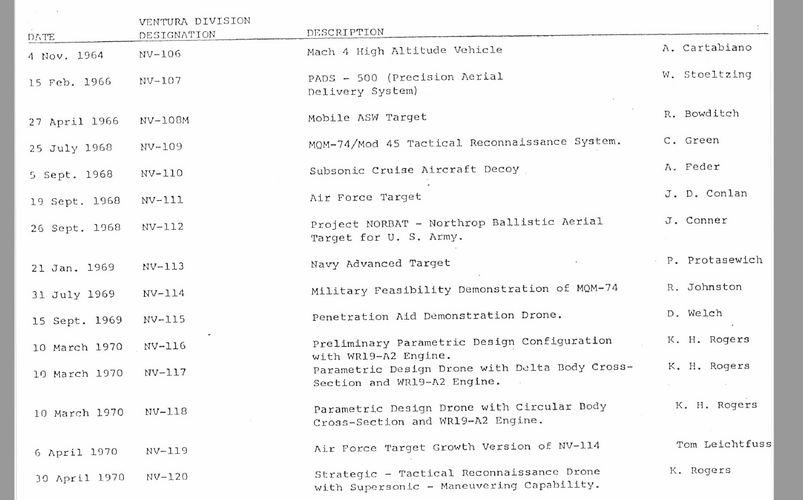
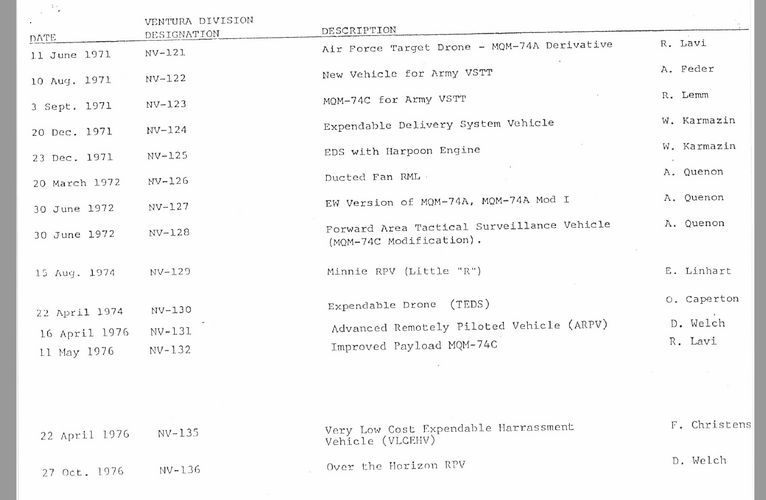
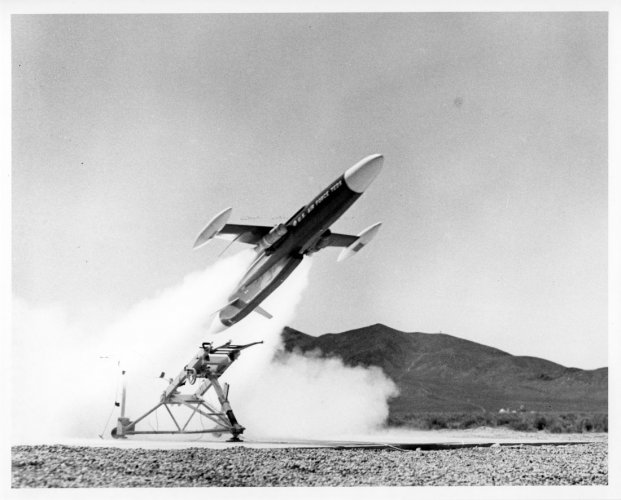
Hey folks, could this RPV be part of the Northrop Ventura NV-130 Tactical Expendable Drone System (TEDS)?Amazing find my dear Paul,
but what was its NV numbers ?.


Hey folks, could this RPV be part of the Northrop Ventura NV-130 Tactical Expendable Drone System (TEDS)?
Okay, probably not, different wings, so a false description at SDASM Flickr Archive. :

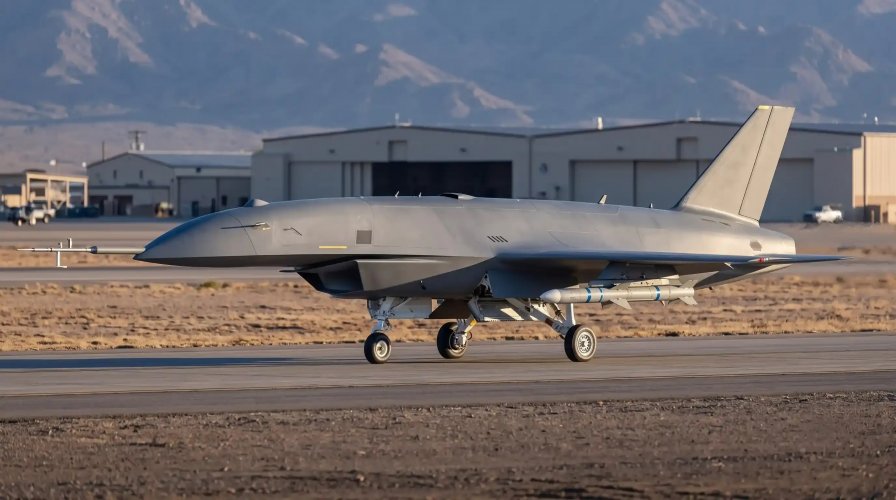
I was thinking the YFQ-44A's father who was ahead of his timeWhy does it remind me of BOMARC?

The "fighter mafia" moved in after Vietnam, and they really didn't like the idea of piloted planes being replaced by robots.I remember there was a lot of hype surrounding RPV back then. There were several books about it that kept the hype going. And then, all of a sudden, the hype disappeared.
As late as 1977 Ryan in particular was flying modified Firebees / Lightning bugs for bombing (with Maverick and LGBs), SEAD, chaff and electronic warfare.I remember there was a lot of hype surrounding RPV back then. There were several books about it that kept the hype going. And then, all of a sudden, the hype disappeared.
Info on this?Ryan in particular was flying modified Firebees / Lightning bugs for bombing
AWST 1 Feb 1971Two studies of remotely piloted vehicles are planned by USAF, with initial
studies to center on vehicle design and mission requirements for air-to-air
and interdiction roles. Such vehicles (AW&ST June 1, 1970, p. 14) have
been generically termed telecraft. Companies likely to respond to the
anticipated proposal requests include Beech, Northrop, Teledyne Ryan
and Lockheed. Separately, USAF still intends to conduct a flight demon—
stration of telecraft for air—to-air missions, using a modified Ryan 147
reconnaissance drone (AW&ST‘ Sept. 28, 1970, p. 20).
AWST 31 May 1971Industry proposals for a USAF-sponsored study of remotely-piloted vehicles
for air-to-air combat, air-ground weapons system delivery and reconnais-
sance are due June 21 at Aeronautical Systems Div. in Dayton. Bid pack-
ages for the eight—month study of a single multifunction drone and three
special purposes vehicles went to 28 companies (AW&ST Feb. 1, p. 11)
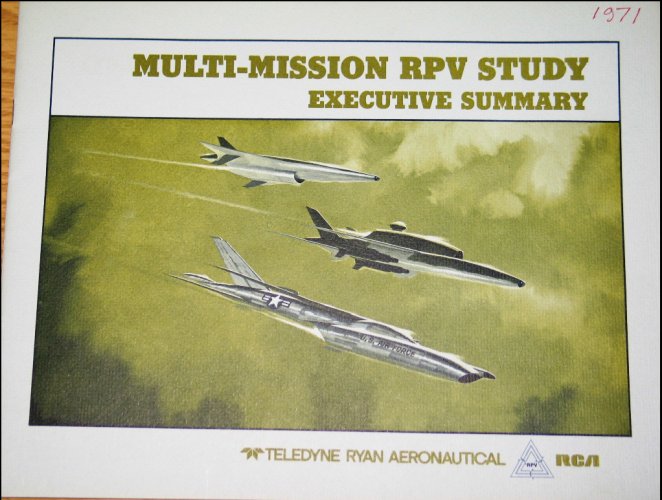
AWST 4 October 1971RPV Study Contractors
Air Force has selected teams headed
by Northrop Corp. and Teledyne Ryan
Aeronautical to conduct parallel stud-
ies of remotely-piloted vehicles (RPV)
—unmanned aircraft under real-time
control of pilots remotely situated
in launching aircraft or on the ground.
The studies will explore vehicles
separately optimized for air-to-ground,
reconnaissance and air~to-air missions
and a single multi—purpose design op-
timized to perform all three missions
(AW&ST May 31, p. 23).
Northrop will be assisted in its study
by TRW Systems and CubicCorp.
Teledyne Ryan’s team member
is RCA Corp.
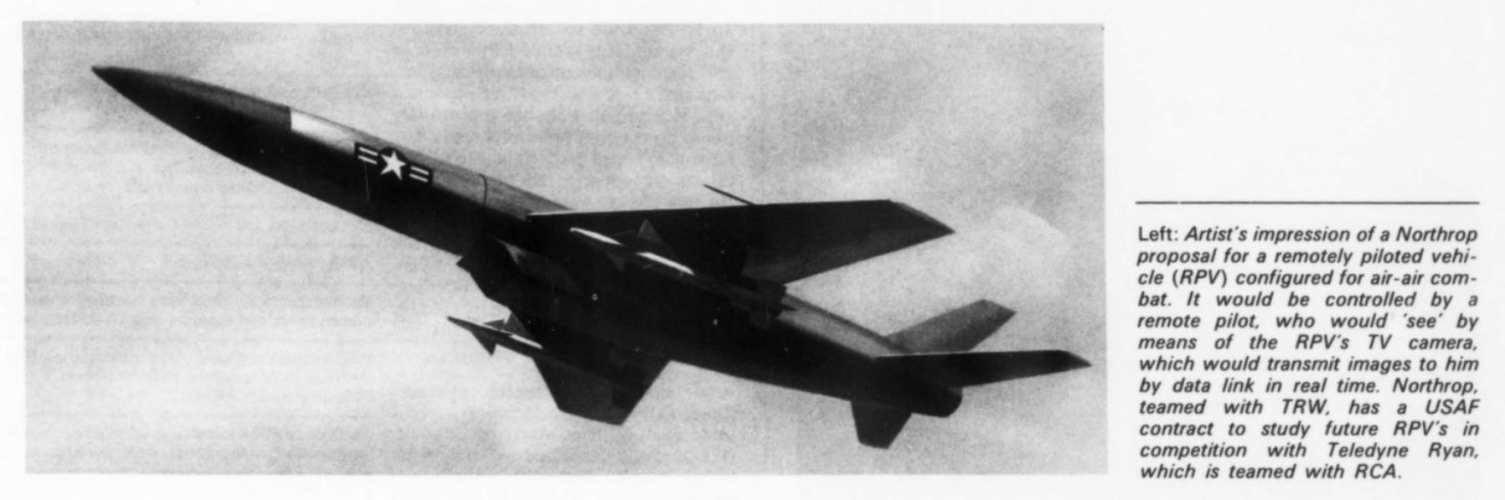
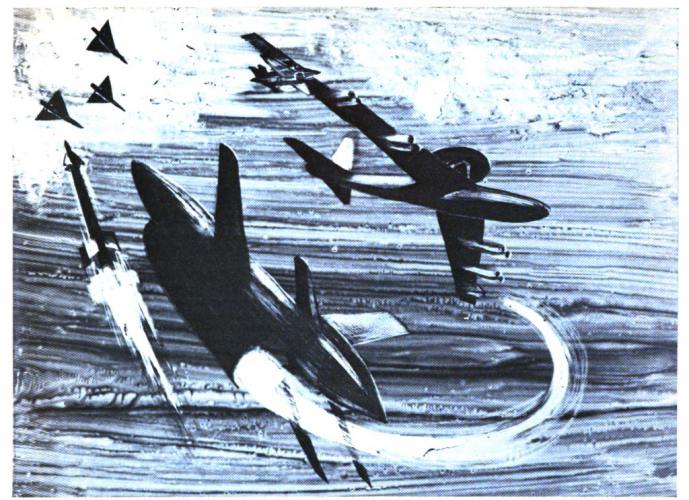
An artist’s impression of a Remotely Piloted Vehicle (RPV) proposed for air-to-air combat missions; one of
several RPV designs proposed to the US Air Force by Northrop Corporation. Piloted from a remote ground-
based or airborne control centre, the RPV would attack enemy bombers or fighters with its air-to-air missiles.
A high performance turbojet engine would provide propulsion

Firebees we're still flying chaff-laying missions in Gulf War 1, which I think was the last combat use.As late as 1977 Ryan in particular was flying modified Firebees / Lightning bugs for bombing (with Maverick and LGBs), SEAD, chaff and electronic warfare.

Ryan's air superiority RPV config was the one on the right, which fell out the ugly tree and hit every branch on its way down.
Thank you my dear Rolf,
and I think it was developed from it as NV-133 or NV-134 ?.